
Montana, often lauded as the “Big Sky Country,” offers anglers a breathtaking backdrop for pursuing a diverse array of fish species. From the legendary trout rivers like the Madison River and the Big Hole River to the vast reservoirs teeming with walleye and northern pike, the opportunities for a memorable fishing expedition are abundant. However, before casting a line in these pristine waters, understanding the cost and requirements for obtaining a Montana fishing license is paramount. This guide will navigate you through the various license options, their associated fees, and essential considerations for both residents and non-residents planning their Montana angling adventure.
Understanding Montana Fishing License Types and Costs
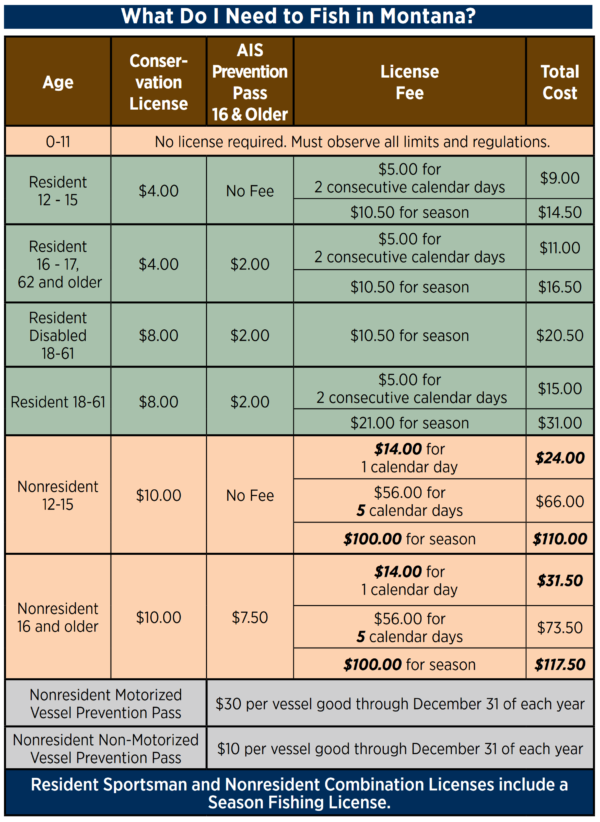
The Montana Department of Fish, Wildlife & Parks (FWP) offers a comprehensive range of fishing licenses tailored to different angler needs, durations, and residency statuses. The cost of a license can vary significantly based on these factors, ensuring that both casual visitors and dedicated local anglers can find a suitable and affordable option.
Resident Licenses
For individuals who have established a permanent home in Montana and have resided there for at least six consecutive months prior to purchasing a license, resident fishing licenses offer the most economical access to the state’s waters.
-
Annual Resident Fishing License: This is the most common and cost-effective option for Montana residents who plan to fish throughout the year. It provides access to all legal fishing waters within the state for a full calendar year. The fee for an annual resident fishing license is typically in the range of $30-$40. This license is a foundational requirement for any resident angler.
-
Special Resident Licenses: Montana also offers specialized licenses for residents that might come with additional benefits or cater to specific fishing pursuits. For example, there are often discounted licenses for youth and senior residents, encouraging participation across all age groups. These special licenses may have slightly different fee structures but generally remain very affordable.
Non-Resident Licenses
Non-resident anglers, while paying a premium, gain access to Montana’s world-class fisheries. The fees reflect the value of experiencing these renowned waters, which are a significant draw for tourism in the state.
-
Annual Non-Resident Fishing License: Similar to the resident annual license, this option provides year-round fishing access for non-residents. The cost for an annual non-resident fishing license is considerably higher than its resident counterpart, often ranging from $100-$150. This license is ideal for non-residents who plan to visit Montana multiple times throughout the year for fishing.
-
Short-Term Non-Resident Licenses: Recognizing that many non-resident visitors come for shorter fishing trips, Montana offers a variety of short-term licenses. These are designed to provide flexibility and affordability for those with limited time.
- 2-Day Non-Resident Fishing License: A popular choice for quick fishing getaways, this license offers two consecutive days of fishing access. The cost is typically around $30-$40.
- 10-Day Non-Resident Fishing License: This option is perfect for week-long fishing vacations. It provides access for ten consecutive days and usually costs between $50-$70.
- 2-Day Non-Resident Combination License: For non-residents who also plan to hunt small game during their visit, a combination license might be available, offering broader access for a slightly higher fee than a fishing-only license.
-
Special Non-Resident Licenses: Just as with resident licenses, there are provisions for specific non-resident needs. These might include youth licenses for younger anglers or specialized permits for specific fishing methods or areas. The pricing for these special non-resident licenses will vary based on the specific permit.
Additional Fees and Permits: Beyond the Basic License
While the basic fishing license grants access to most of Montana’s waters, certain angling activities or desired locations may necessitate additional permits or fees. Understanding these can help avoid unexpected costs and ensure compliance with regulations.
Conservation and Recreation Fees
Montana, like many states, utilizes conservation and recreation fees to fund wildlife management, habitat preservation, and public access initiatives. A portion of the fishing license fee typically contributes to these vital programs. However, some specific activities or types of fishing might incur an additional fee that goes directly towards conservation efforts. It’s always prudent to check the FWP website for any such ancillary fees that might apply to your planned fishing excursions.
Special Permits for Specific Species or Waters
Some of Montana’s most sought-after fishing experiences involve species that are managed more intensively or are found in ecologically sensitive areas. For instance, fishing for certain migratory salmonids or in designated wild trout waters might require a special permit in addition to a basic fishing license. These permits often come with additional regulations designed to protect fragile ecosystems and fish populations.
-
Salmon/Steelhead Permits: While not as prevalent as in coastal states, Montana does have opportunities to fish for species like Chinook salmon in specific river systems. If such fishing is permitted, a special permit might be required.
-
Sturgeon Permits: Fishing for the ancient and impressive pallid sturgeon or shovelnose sturgeon, particularly in rivers like the Yellowstone River and the Missouri River, can be a unique experience. These are highly regulated, and specific permits, often with strict catch-and-release regulations, are usually mandatory.

- Permits for Private Lands or Special Access Areas: Access to some prime fishing spots may be through private land or designated special access areas. In such cases, additional access permits or landowner permission might be required, irrespective of holding a valid fishing license.
Mentored Youth Programs
Montana offers programs designed to introduce young people to the joys of fishing. These “mentored youth” programs often provide discounted or even free licenses to youth accompanied by a licensed adult, fostering a new generation of anglers and conservationists. These programs are instrumental in making fishing accessible and encouraging family participation in outdoor activities.
Where to Purchase Your Montana Fishing License
Securing your Montana fishing license is a straightforward process, with several convenient options available to suit your needs. Whether you are a resident preparing for a season of angling or a non-resident eager to explore Montana’s renowned waters upon arrival, the Montana Department of Fish, Wildlife & Parks (FWP) has made purchasing accessible.
Online Purchase
The most efficient and recommended method for acquiring a fishing license is through the official Montana FWP website. The online portal is user-friendly and available 24/7, allowing you to browse license options, select the appropriate category (resident or non-resident, annual or short-term), and complete your purchase from anywhere. Upon successful transaction, you will typically receive a digital copy of your license, which can be printed or displayed on your mobile device, allowing you to start fishing almost immediately. This method also ensures you have access to the most up-to-date pricing and regulations.
In-Person Purchase
For those who prefer a more traditional approach or are already in Montana and ready to fish, licenses can be purchased in person at various authorized vendor locations throughout the state. These include:
- FWP Regional Offices: The department’s regional offices across Montana are fully equipped to issue fishing licenses.
- County Courthouses: Many county courthouses across the state serve as official license vendors.
- Sporting Goods Stores and Other Retailers: Numerous outdoor and sporting goods stores, as well as some general merchandise retailers, are authorized to sell fishing licenses. These are often conveniently located in towns and cities popular with anglers, such as Bozeman, Missoula, and Billings. When purchasing in person, it’s advisable to have identification and proof of residency ready, especially for resident licenses.
Mail-In Applications
While less common for immediate needs, it is sometimes possible to apply for certain types of licenses via mail. This option is typically reserved for more complex permits or specific draws where advance application is required. For standard fishing licenses, online or in-person purchases are significantly faster and more convenient.
Important Considerations for Anglers
Beyond the cost of the license, a successful and compliant fishing trip in Montana requires an understanding of regulations, ethical angling practices, and the importance of conservation.
Understanding Montana Fishing Regulations
Montana’s fishing regulations are designed to ensure the sustainability of its diverse fish populations and the health of its aquatic ecosystems. These regulations are updated annually and cover a wide range of aspects, including:
- Seasons: Different species and water bodies may have specific open and closed seasons to protect fish during spawning periods or other vulnerable times.
- Size and Creel Limits: Regulations often dictate the minimum and maximum sizes of fish you can keep and the number of fish you are allowed to possess (creel limit). These limits are crucial for maintaining healthy fish populations for future generations.
- Bait and Tackle Restrictions: Certain waters may have restrictions on the types of bait or tackle that can be used to minimize environmental impact or protect specific fish species. For example, some sensitive wild trout streams may be “artificial lures and flies only” or “catch and release” waters.
- Water-Specific Rules: It is imperative to consult the fishing regulations guide for the specific water body you intend to fish. Many rivers, lakes, and streams in Montana have unique rules due to their ecological significance or management objectives. The Montana Fishing Regulations Guide is the definitive resource for all such information.
Ethical Angling and Conservation
Responsible angling is not just about following the rules; it’s about respecting the environment and the resource. Practicing catch-and-release when appropriate, minimizing disturbance to aquatic habitats, and packing out all trash are fundamental tenets of ethical angling. By treating Montana’s natural beauty with care, anglers contribute to its preservation for all to enjoy. Supporting conservation efforts, whether through purchasing special permits or donating to wildlife organizations, further solidifies a commitment to the future of Montana’s fisheries.

Residency Requirements
Montana has strict residency requirements for obtaining resident fishing licenses. To qualify as a resident, you must have established a permanent home in the state and resided there for at least six consecutive months prior to purchasing a resident license. Intent to remain permanently is a key factor in determining residency. Providing false information to obtain a resident license is a serious offense and can result in fines and revocation of privileges. For accurate details, always refer to the Montana FWP website for the most current residency definitions and requirements.
By familiarizing yourself with the various license types, their costs, and the essential regulations, you can ensure a smooth and enjoyable fishing experience in the magnificent state of Montana. Whether you’re targeting a trophy trout on the Bighorn River or enjoying a serene afternoon on Flathead Lake, a valid fishing license and a commitment to conservation are your tickets to unlocking the full potential of Montana’s world-class angling opportunities.
LifeOutOfTheBox is a participant in the Amazon Services LLC Associates Program, an affiliate advertising program designed to provide a means for sites to earn advertising fees by advertising and linking to Amazon.com. Amazon, the Amazon logo, AmazonSupply, and the AmazonSupply logo are trademarks of Amazon.com, Inc. or its affiliates. As an Amazon Associate we earn affiliate commissions from qualifying purchases.