
For many travelers planning a getaway to the United States and its most famous archipelago, the allure of Hawaii is found in its pristine beaches, lush tropical rainforests, and vibrant local culture. However, a common question often arises among those preparing their itineraries: “Does Hawaii have spiders?” The short answer is yes. Like any tropical ecosystem, these islands are home to a variety of arachnids. However, understanding the reality of these creatures is essential for any tourist looking to balance their sense of adventure with a need for comfort.
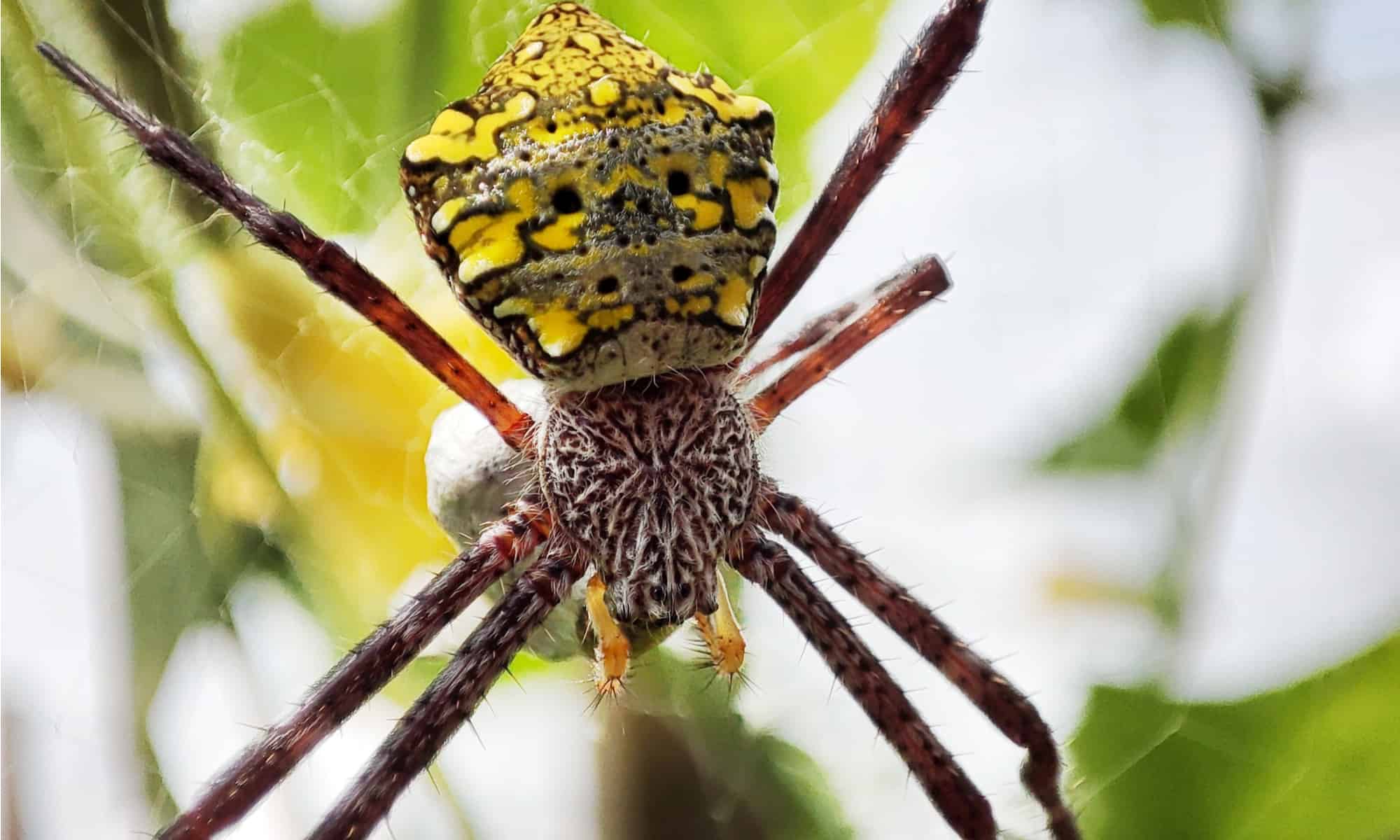
In the world of tourism, managing expectations is key. While Hawaii does host several spider species, it is far from being the spider-infested landscape that some might imagine. Unlike the dangerous reputation of the outback in Australia or the deep jungles of South America, the arachnid population in the Hawaiian Islands is generally manageable, with very few species posing any actual risk to humans. This guide provides an in-depth look at what visitors can expect when exploring the natural beauty of the 50th state.
Understanding the Arachnid Landscape of the Hawaiian Islands
The isolation of Hawaii in the middle of the Pacific Ocean has created a unique biological environment. Most of the wildlife found here arrived via wind, wings, or waves—or, more recently, through human transit. This means that many of the spiders you might encounter are not native but were introduced over centuries of migration and trade.
Native vs. Introduced Species
The distinction between native and introduced species is a fascinating aspect of Polynesia tourism. The most famous native spider is arguably the Happy-Face Spider (Theridion grallator). Found primarily in the high-elevation rainforests of Oahu, Maui, Kauai, and the Big Island, this tiny creature is known for the distinctive pattern on its abdomen that resembles a smiling face. Because they are small and prefer the underside of leaves deep in the forest, tourists rarely see them without a dedicated nature guide.
On the other hand, several large species have made Hawaii their home through human intervention. The most prominent of these is the Brown Cane Spider. While its size can be intimidating—sometimes reaching the size of a human palm—it is largely harmless. These spiders do not spin traditional webs to catch prey; instead, they are active hunters that feed on cockroaches and other pests, making them a somewhat helpful, if startling, guest in local environments.
The Role of Spiders in the Ecosystem
From a tourism and ecological perspective, spiders play a vital role in keeping the insect population in check. Without them, the experience of dining outdoors in Honolulu or attending a luau in Waikiki would be significantly marred by an overabundance of flies and mosquitoes. Most travelers find that once they understand the benefits these creatures provide to the environment, the initial “creep factor” begins to fade.
Spiders and Outdoor Activities: What to Expect on the Trail
For the active tourist, Hawaii offers some of the best hiking and outdoor experiences in the world. Whether you are trekking through the volcanic landscapes of Hawaii Volcanoes National Park or navigating the rugged cliffs of the Na Pali Coast State Wilderness Park, you are moving through the natural habitat of various spiders.
Hiking in Rainforests and Valleys
When walking through the dense vegetation of the Manoa Valley or exploring the botanical wonders of Foster Botanical Garden, you may encounter the webs of the Garden Spider or the Asian Spiny-Backed Orb-Weaver. These spiders often build intricate, circular webs between trees. While walking into a web can be an unpleasant surprise, these spiders are not aggressive. If you are the first person on a trail in the morning, carrying a “spider stick” to gently wave in front of you can help clear the path without harming the arachnids or ruining your hike.
In high-altitude areas like Haleakala National Park on Maui, the spider population changes. The cooler temperatures and unique volcanic soil mean you are less likely to encounter large tropical spiders and more likely to see smaller, specialized species that have adapted to the alpine environment.
Coastal Walks and Lava Fields
If your activities are centered around the coast, such as walking near the Diamond Head State Monument or exploring the sun-drenched beaches of the North Shore, spider encounters are much less frequent. Arachnids generally prefer the moisture and cover provided by inland vegetation.
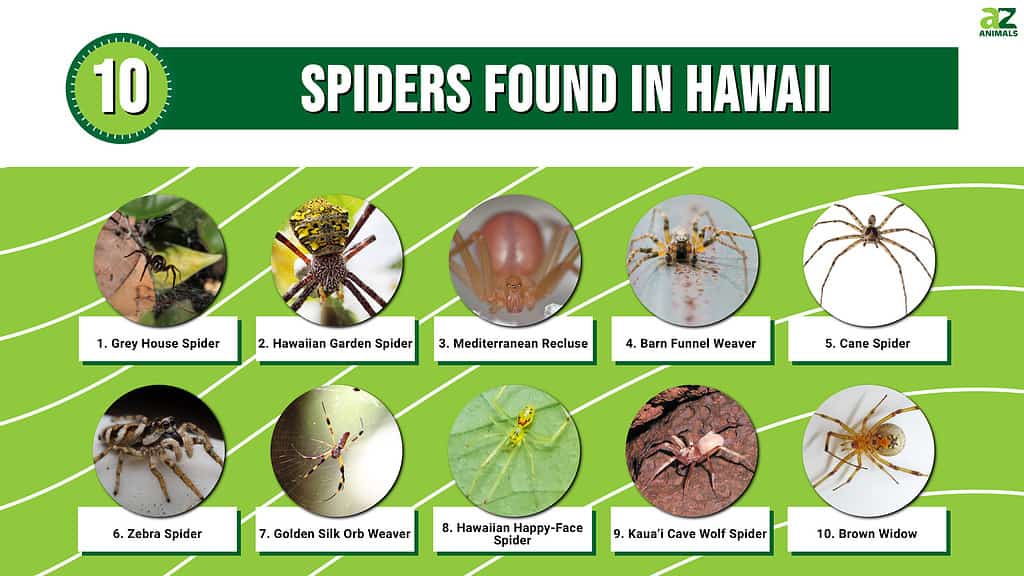
However, travelers exploring the rocky lava fields on the Big Island should be aware of the Southern Black Widow. While rare, they do exist in Hawaii and tend to hide in dark, dry crevices within the lava rock. It is a good safety tip for tourists to avoid sticking their hands into dark holes or moving rocks in these areas, particularly in drier regions like Kona.
Practical Tips for Travelers: Managing Encounters
Most tourists will spend their entire vacation in Hawaii without ever seeing a spider larger than a common house spider. However, being prepared can ensure that a rare sighting doesn’t turn into a negative memory.
Accommodation and Luggage Safety
While staying in high-end resorts in Kapalua or luxury hotels in Poipu, sightings are extremely rare due to rigorous pest control. However, those opting for more authentic, “off-the-beaten-path” accommodations, such as jungle lofts in Pahoa or beach bungalows in Hanalei, may encounter more local fauna.
A simple tip for travelers is to keep luggage zipped when not in use. Spiders are attracted to dark, enclosed spaces, and a suitcase is an ideal hiding spot. Additionally, shaking out your shoes before putting them on is a standard practice in tropical climates. This simple habit can prevent a startling encounter with a Cane Spider that may have wandered inside during the night.
Recognizing “Dangerous” Species
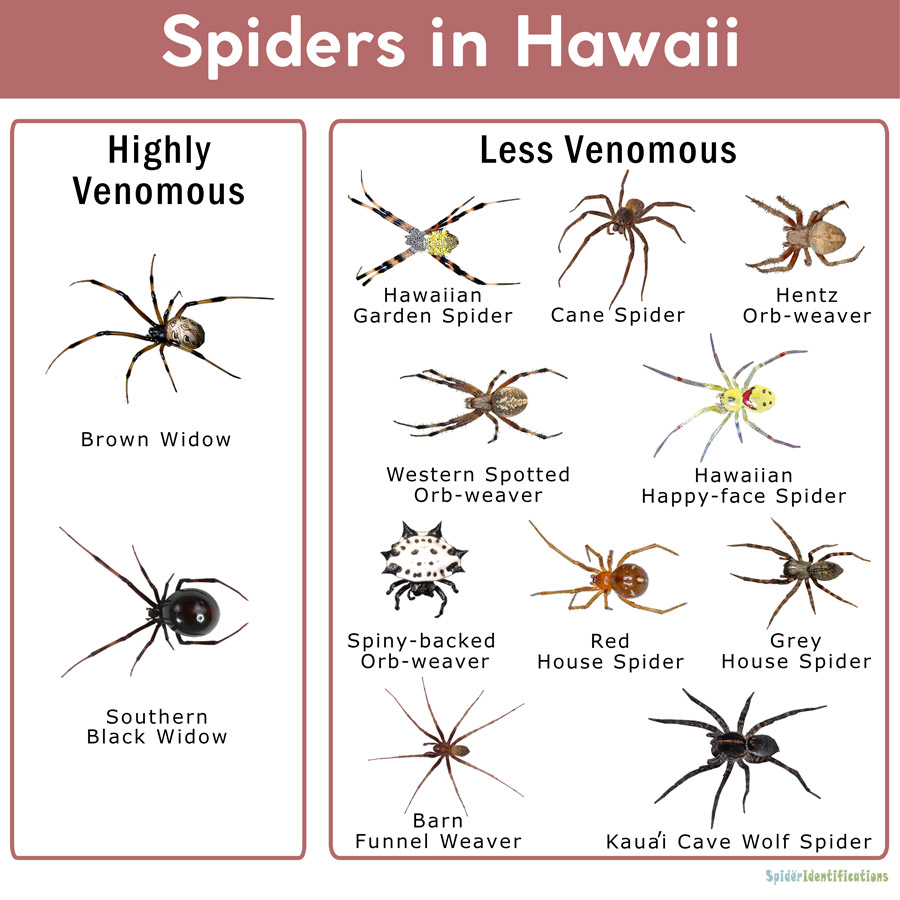
Knowledge is the best defense against fear. In Hawaii, there are only two spiders that are considered medically significant: the Black Widow and the Brown Widow. Both are reclusive and unlikely to bite unless they are squeezed or handled. The Brown Recluse, often a source of anxiety for travelers from the mainland United States, is not established in Hawaii.
If a bite does occur, most local clinics in cities like Lihue or Kahului are well-versed in treating local stings and bites. Generally, the most a traveler will experience is localized swelling and redness, similar to a bee sting.
Tourism and Nature: A Balanced Perspective
The presence of spiders in Hawaii is a testament to the islands’ rich biodiversity. As tourism shifts toward more sustainable and nature-focused experiences, understanding the local wildlife becomes part of the journey.
Busting Myths for Nervous Travelers
One of the biggest myths is that Hawaii is “crawling” with dangerous spiders. In reality, the islands are much safer in terms of wildlife than many other top-tier tropical destinations. There are no snakes in Hawaii, and the spider population is relatively shy. Most visitors find that the beauty of the Waimea Canyon or the serenity of the Iao Valley far outweighs any minor concerns about insects.
For those with a genuine phobia (arachnophobia), staying in more urbanized areas like Honolulu or the resorts of Wailea will significantly minimize any potential sightings. These areas are well-maintained, and the proximity to the ocean and consistent breezes keep most web-building spiders away.
Embracing the Island Life
Ultimately, traveling to Hawaii is about embracing the “Aloha Spirit” and respecting the natural world. Whether you are visiting the quiet shores of Lanai or the rural landscapes of Molokai, you are a guest in an environment that has flourished for millions of years.
Spiders are a small, often invisible part of the grand tapestry that makes Hawaii one of the most desirable destinations on Earth. By following basic safety tips—like staying on marked trails in Koke’e State Park and using common sense with outdoor gear—you can enjoy everything the islands have to offer.
In conclusion, while Hawaii does have spiders, they should not be a deterrent for any traveler. From the iconic Happy-Face Spider to the helpful Cane Spider, these creatures are a minor footnote in the epic story of a Hawaiian vacation. Focus on the sunsets over Lahaina, the surf at Sunset Beach, and the warmth of the local community, and you will find that the arachnids of the islands are the least of your concerns.
LifeOutOfTheBox is a participant in the Amazon Services LLC Associates Program, an affiliate advertising program designed to provide a means for sites to earn advertising fees by advertising and linking to Amazon.com. Amazon, the Amazon logo, AmazonSupply, and the AmazonSupply logo are trademarks of Amazon.com, Inc. or its affiliates. As an Amazon Associate we earn affiliate commissions from qualifying purchases.