
For travelers planning a quintessential warm-weather escape, the notion of snow in Florida might seem like a whimsical, almost oxymoronic thought. Florida, widely celebrated as the Sunshine State, is renowned for its balmy temperatures, sun-drenched beaches, and verdant landscapes that thrive year-round. Understanding the climate of your destination is paramount for any successful travel plan, dictating everything from packing choices to activity selections. So, when exactly is Florida “supposed” to snow? The simple, and perhaps reassuring, answer for most visitors is: almost never.
The Sunshine State’s Climate Reality
Florida’s geographic location and proximity to warm ocean currents predominantly dictate its subtropical to tropical climate. The state is enveloped by the Atlantic Ocean to the east and the Gulf of Mexico to the west, both of which contribute to its consistently mild to hot temperatures.
A Spectrum of Warmth
The state experiences two primary seasons: a hot, wet summer and a mild, dry winter. During the winter months, from December to February, average temperatures across Florida typically range from the low 50s to the high 70s Fahrenheit (10-25°C). Even the coldest regions, primarily in North Florida, rarely see prolonged periods of freezing temperatures. The southern half of the state, including popular tourist hubs like Orlando, Tampa, and Miami, often enjoys comfortable 70°F (21°C) days even in the dead of winter, making it an ideal escape for those fleeing colder climes.
Why Snow is a Myth (Mostly)
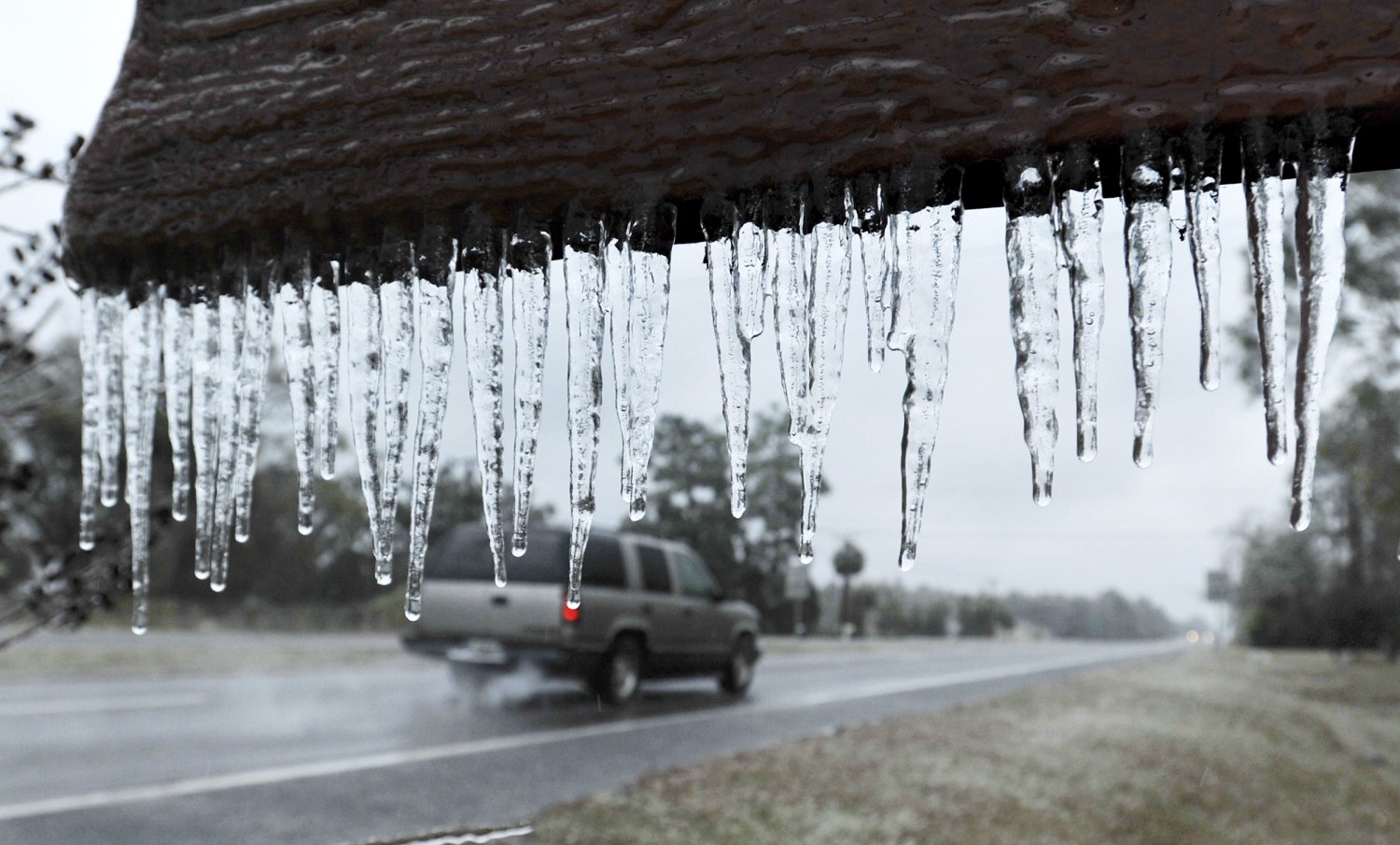
The conditions required for snow are quite specific: temperatures must be at or below freezing (32°F or 0°C) from the clouds all the way to the ground. While Florida occasionally experiences cold fronts that can dip ground temperatures to freezing, the critical factor often missing is the sustained cold air throughout the entire atmospheric column. More frequently, if precipitation occurs during a cold snap, it falls as rain, or perhaps occasionally as sleet or freezing rain, which is distinctly different from snowfall. The warm waters surrounding Florida also play a significant role, moderating air temperatures and making widespread, lasting freezes exceptionally rare.
A Glimpse into Florida’s Snow History: The Rarity of a Flurry
To say snow in Florida is rare is an understatement. It’s an event that typically makes national headlines and becomes the stuff of local legend, precisely because it is so infrequent. For most travelers, the chances of encountering snow during a trip to Florida are infinitesimally small.
Documented Snowfall Events
Historically, documented snowfall in Florida has been sporadic and largely confined to the northernmost parts of the state. Significant, accumulating snowfall is even rarer.
- 1886: Perhaps one of the most widespread snowfalls occurred in January 1886, reportedly reaching as far south as Fort Myers. This event is often cited for its unprecedented reach.
- 1977: A memorable event took place in January 1977 when snow flurries were reported in Miami, marking the only time snow has been officially recorded in that city. It was a fleeting phenomenon, more of a dusting than accumulation, but it sent residents into a frenzy of wonder and excitement.
- 1989: Another notable cold wave in December 1989 brought significant snowfall to Jacksonville and other parts of North Florida, impacting travel and citrus crops.
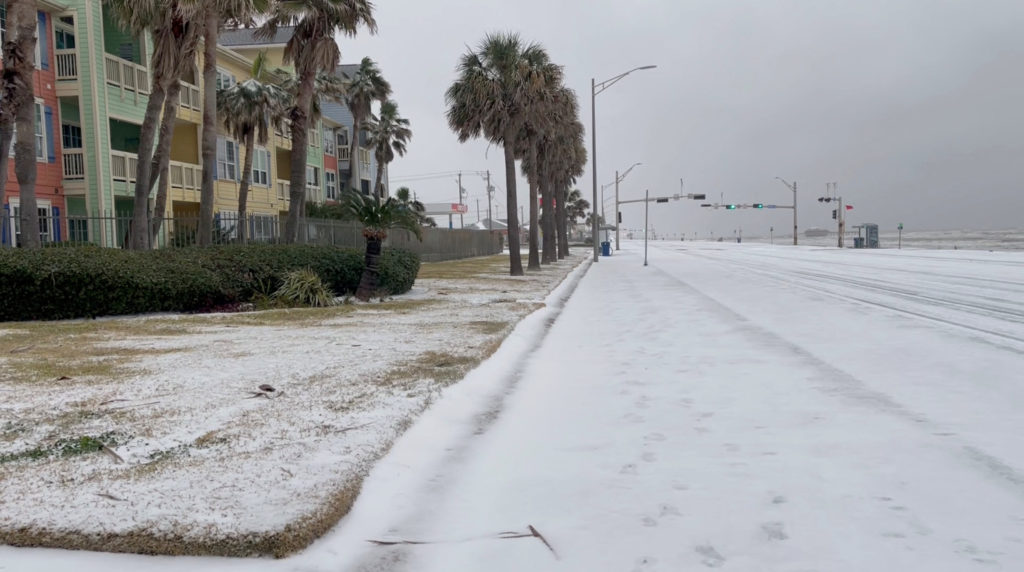
- 2018: Most recently, parts of North Florida, including the state capital Tallahassee, experienced snow accumulation in January 2018. This event, while captivating, was a localized phenomenon and quickly melted.
These instances highlight that snow, when it does occur, is generally limited to North Florida and is often in the form of light flurries or a very brief, minimal accumulation. For travelers heading to Orlando’s theme parks or the beaches of South Florida, the idea of snow remains firmly in the realm of fantasy, not reality.

What Travelers Should Realistically Expect
Given the negligible chance of snow, travelers to Florida should calibrate their expectations to align with its actual climate. A trip to the Sunshine State, especially during winter, is about embracing warmth, sunshine, and a plethora of outdoor activities.
Wardrobe Essentials
Forget the heavy coats, snow boots, and thermal wear. Your Florida packing list should revolve around light layers. Even in winter, days can be warm enough for shorts and t-shirts, especially in the central and southern regions. Bring swimwear for the beaches and resort pools, comfortable walking shoes for exploring theme parks or nature trails, and a light jacket or sweater for cooler evenings or air-conditioned indoor venues. Sunglasses and sunscreen are year-round necessities.
Uninterrupted Outdoor Experiences
The lack of snow ensures that Florida’s main draws remain accessible and enjoyable throughout the year.
- Beaches: The state’s miles of coastline, from the white sands of Sarasota to the vibrant shores of South Beach in Miami, are perfect for sunbathing, swimming, and water sports.
- Theme Parks: Walt Disney World, Universal Studios Florida, and other attractions in Orlando operate fully, often with more comfortable temperatures for walking and queuing than during the summer months.
- Nature and Wildlife: Exploring the Everglades National Park, kayaking through natural springs, or observing manatees in places like Crystal River are prime winter activities, largely unaffected by cold temperatures that occasionally dip below freezing at night.
Preparing for the Occasional Chill
While snow is off the table, a cold front can bring temperatures down to the 40s or 50s Fahrenheit (4-15°C) for a few days, particularly in North Florida and sometimes even in Central Florida. These periods are usually brief, but it’s wise to check the forecast close to your travel dates and pack a slightly warmer jacket or a few extra layers just in case. However, even during these cooler spells, the sun usually shines brightly, and conditions are still far more pleasant than a snowy northern winter.
Planning Your Florida Winter Getaway
For many, winter is the absolute best time to visit Florida, precisely because of the mild temperatures and lack of snow. It’s an ideal period for escaping harsh climates elsewhere and enjoying all the state has to offer without the intense summer heat or humidity.
Best Time for Specific Activities
- Beach Lovers: While enjoyable year-round, December through April offers perfect beach weather without the stifling heat of summer.
- Theme Park Enthusiasts: January and February often see fewer crowds and cooler temperatures, making for a more comfortable experience at Walt Disney World and Universal Studios Florida.
- Nature Explorers: Winter is prime time for wildlife viewing, especially manatees congregating in warm springs, and for comfortable hiking or cycling.
- Cultural Events: Many outdoor festivals, art shows, and music events take place during the cooler months, such as Art Basel in Miami or the Key West Literary Seminar.
Popular Winter Destinations
- Orlando: The undisputed theme park capital, offering magic and thrills for families, is wonderfully mild in winter.
- Miami and South Beach: For vibrant nightlife, stunning Art Deco architecture, and world-class dining, Miami sizzles even in winter.
- Key West: The southernmost point of the continental United States offers a bohemian vibe, rich history, and consistently warm temperatures.
- Gulf Coast Beaches: Destinations like Clearwater, St. Petersburg, and Naples provide calmer waters and breathtaking sunsets, perfect for a relaxing retreat.
In conclusion, for any traveler dreaming of a snow-kissed vacation, Florida is unequivocally not the destination. Instead, it offers a consistent promise of warmth and sunshine, allowing for an array of unforgettable travel experiences unhindered by winter weather woes. Embrace the sun, leave the snow gear at home, and prepare for a truly Floridian escape.
LifeOutOfTheBox is a participant in the Amazon Services LLC Associates Program, an affiliate advertising program designed to provide a means for sites to earn advertising fees by advertising and linking to Amazon.com. Amazon, the Amazon logo, AmazonSupply, and the AmazonSupply logo are trademarks of Amazon.com, Inc. or its affiliates. As an Amazon Associate we earn affiliate commissions from qualifying purchases.