
Planning a journey to Hawaii is an exercise in choosing between diverse paradises. Located in the central Pacific Ocean, this archipelago represents one of the most sought-after travel destinations in the United States. Because each island possesses a distinct personality, topography, and atmosphere, the planning process requires more than just booking a flight; it demands a thoughtful curation of experiences that align with your travel goals. Whether you are seeking the urban energy of a tropical metropolis, the rugged seclusion of ancient cliffs, or the volcanic power of a living landscape, a well-structured plan is the key to unlocking the magic of the islands.
Selecting Your Destination: A Guide to the Major Islands
The most critical decision in your planning process is determining which island—or combination of islands—to visit. While the state comprises 137 islands, most travelers focus on the four primary destinations: Oahu, Maui, Kauai, and the Island of Hawaii.
Oahu: The Gathering Place
Oahu is the gateway to the chain and home to the state capital, Honolulu. This island offers a seamless blend of cosmopolitan luxury and natural wonder. Travelers often begin their stay in Waikiki, a world-famous neighborhood known for its high-rise hotels and vibrant nightlife. Beyond the city center, the island offers iconic historical sites such as Pearl Harbor and the Arizona Memorial. For those seeking a slower pace, a drive to the North Shore reveals the world’s most legendary surfing breaks and the charming town of Haleiwa.
Maui: The Valley Isle
Maui is frequently cited as the most romantic island, offering a balance between the developed infrastructure of Oahu and the rural charm of the outer islands. Most visitors congregate in the resort areas of West Maui, specifically Kaanapali and Kapalua, or the upscale enclaves of South Maui like Wailea. A trip to Maui is incomplete without experiencing the Road to Hana, a winding journey through rainforests and waterfalls, or watching the sunrise from the summit of Haleakala National Park.
Kauai: The Garden Isle
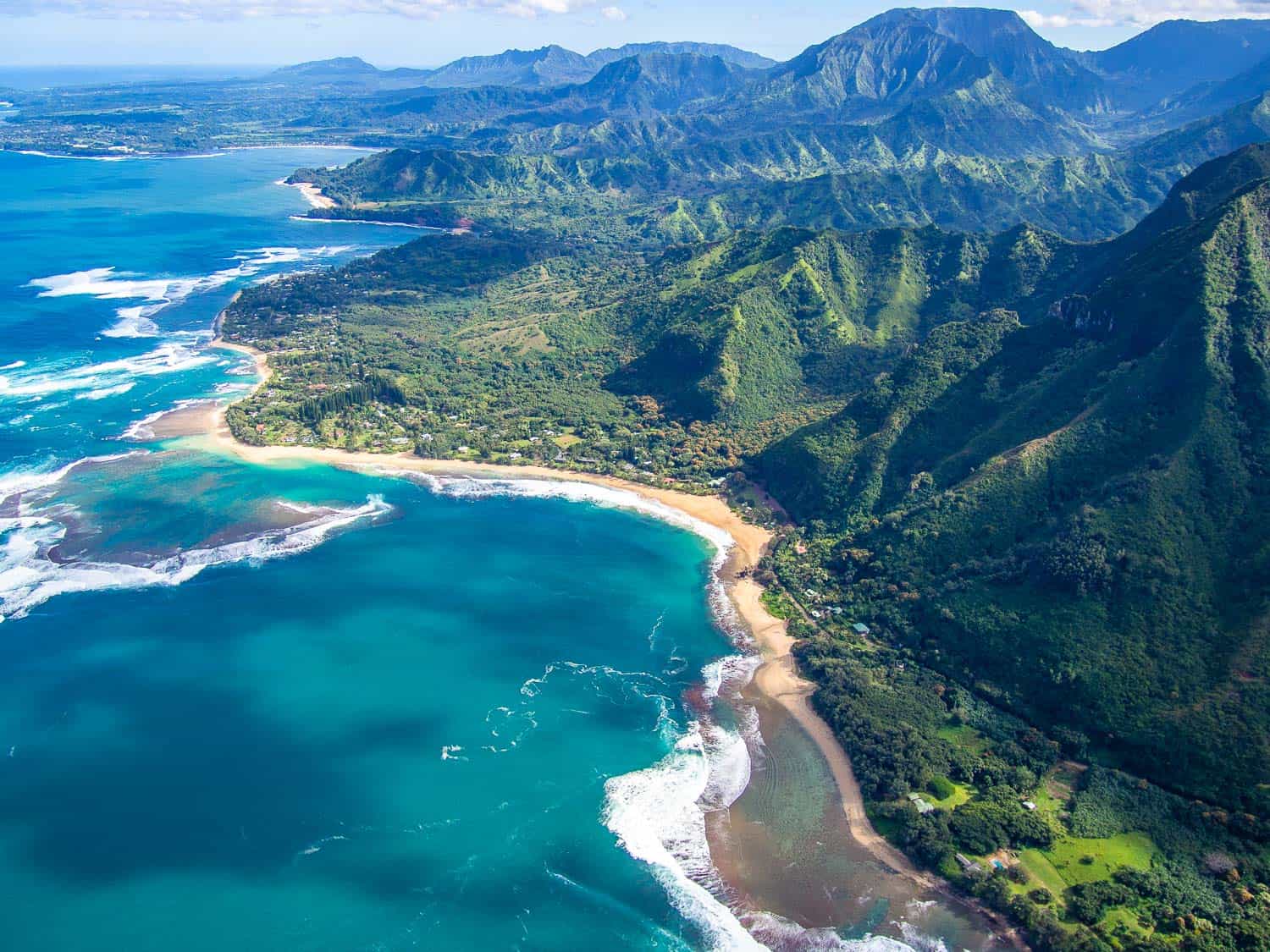
Kauai is the oldest and most lush island in the chain. It is a haven for hikers, photographers, and those who wish to disconnect from the modern world. The Na Pali Coast serves as the island’s crown jewel, featuring emerald pinnacles that drop precipitously into the sea. While much of Kauai is inaccessible by car, travelers can explore the “Grand Canyon of the Pacific,” known as Waimea Canyon, or relax in the bohemian atmosphere of Hanalei Bay on the North Shore.
Island of Hawaii: The Big Island
The Island of Hawaii is nearly twice the size of all the other islands combined and contains 8 of the world’s 13 climate zones. From the snow-capped peak of Mauna Kea to the jet-black sands of Punaluu Beach, the diversity is staggering. The Kona side of the island is famous for its sunny weather and world-class snorkeling, while the Hilo side is characterized by lush tropical gardens and proximity to Hawaii Volcanoes National Park.
Logistics and Timing: When to Go and How to Get Around
Once you have selected your islands, the next phase of planning involves timing and transportation. The climate in Hawaii remains relatively consistent year-round, with average temperatures ranging between 75°F and 85°F. However, seasonal nuances can significantly impact your experience and budget.
Choosing the Right Season
The “dry season” typically runs from April to October, offering the calmest waters and most predictable sunshine—perfect for beach-goers and snorkelers. The “rainy season” occurs from November to March; while rain often manifests as brief, localized showers, this is also the time when the North Shore of most islands experiences massive swells, making it the peak season for professional surfing. Whale-watching enthusiasts should plan their visit between December and May, when humpback whales migrate to the warm waters of the Auau Channel between Maui and Lanai.
Navigating Inter-Island Travel
If your itinerary includes more than one island, you will need to coordinate inter-island flights. Hawaiian Airlines and Southwest Airlines are the primary carriers connecting the major hubs. Most flights originate or terminate at Daniel K. Inouye International Airport in Honolulu or Kahului Airport in Maui. While the flights are short (usually 30 to 50 minutes), you should account for airport security and check-in times, which can consume a significant portion of your day. For a more unique crossing, a ferry service exists between Maui and the quiet island of Lanai.

Curating Your Hawaiian Experience: Top Attractions and Activities
The hallmark of a great Hawaii trip is a balanced itinerary that combines relaxation with exploration. Depending on your chosen island, several “must-see” attractions should form the backbone of your schedule.
Natural Wonders and Outdoor Adventure
For those who thrive on physical activity, the islands offer world-class hiking and marine experiences. In Oahu, the hike to the summit of Diamond Head provides a panoramic view of the coastline and the Pacific Ocean. On Kauai, the Kalalau Trail offers a rigorous journey along the cliffs of the Na Pali Coast, though permits are required and often sell out months in advance.
Water-based activities are equally diverse. Snorkeling at Hanauma Bay Nature Preserve on Oahu allows visitors to swim within a volcanic crater filled with tropical fish. Meanwhile, a boat excursion to Molokini Crater off the coast of Maui offers some of the clearest water in the world, with visibility often exceeding 100 feet. For a truly unique experience, consider a night snorkel with manta rays in Kona, where these gentle giants feed under spotlights.
Historical Sites and Cultural Landmarks
Understanding the history of the Hawaiian Kingdom adds depth to any visit. In Honolulu, a visit to Iolani Palace is essential; it is the only official royal palace in the United States and served as the residence of the last reigning monarchs. Nearby, the Bernice Pauahi Bishop Museum houses the world’s largest collection of Polynesian artifacts.
For a more modern historical perspective, the Pearl Harbor National Memorial provides a somber and educational look at the events of December 1941. It is recommended to book tickets for the USS Arizona Memorial well in advance, as they are highly limited. On the Island of Hawaii, Puuhonua o Honaunau National Historical Park offers a glimpse into ancient Hawaiian culture, serving as a place of refuge for those who had broken sacred laws.
Practical Preparation for Your Pacific Getaway
Success in Hawaii travel often comes down to the details. From transportation on the ground to packing for diverse ecosystems, preparation ensures that you spend more time enjoying the scenery and less time solving logistical hurdles.
Transportation and Local Etiquette
While some areas like Waikiki are walkable and serviced by public transit systems like TheBus, most islands require a rental car to see the major sites. On islands like Maui and Kauai, public transportation is limited, and ride-sharing services can be expensive for long distances. It is vital to book your rental car at the same time you book your flights, as inventory can be scarce during peak travel periods.
When driving, it is important to embrace the local “Aloha Spirit.” This means driving patiently, allowing others to merge, and avoiding the use of your horn unless absolutely necessary. Respecting the land, or “Malama Aina,” is also a core value. Travelers are encouraged to use reef-safe sunscreens to protect the delicate coral ecosystems and to keep a respectful distance from protected wildlife, such as the Hawaiian Monk Seal and the Green Sea Turtle.

Packing for Microclimates
Packing for Hawaii is more complex than just bringing swimwear. If you plan to visit the summit of Haleakala or Mauna Kea, you will need heavy layers, as temperatures at high altitudes can drop below freezing. If you are venturing into the rainforests of the Hana coast or the Waialeale region of Kauai, high-quality rain gear and sturdy hiking boots are essential.
Ultimately, planning a trip to Hawaii is about making choices that resonate with your personal sense of adventure. By selecting the right island, timing your visit to match your interests, and respecting the local culture and environment, you can ensure a journey that is as enriching as it is beautiful. Whether you find yourself standing on the edge of a volcanic crater in Hawaii Volcanoes National Park or watching the sunset over Poipu Beach, the islands offer a transformative experience for every traveler.
LifeOutOfTheBox is a participant in the Amazon Services LLC Associates Program, an affiliate advertising program designed to provide a means for sites to earn advertising fees by advertising and linking to Amazon.com. Amazon, the Amazon logo, AmazonSupply, and the AmazonSupply logo are trademarks of Amazon.com, Inc. or its affiliates. As an Amazon Associate we earn affiliate commissions from qualifying purchases.