
Maintaining the pristine allure of Hawaii is a monumental task that happens largely behind the scenes. For millions of travelers who visit the islands each year to witness the volcanic landscapes of the Big Island or the emerald cliffs of Kauai, the mechanics of waste management are rarely at the forefront of the itinerary. However, in an isolated archipelago located over 2,000 miles from the nearest continent, the question of what happens to the remains of a tourist’s Mai Tai or a local’s grocery haul is a critical component of the Tourism industry and local culture. Dealing with garbage in the middle of the Pacific Ocean requires a sophisticated blend of high-tech industrial processing, strict environmental regulations, and a deep-seated cultural philosophy known as Malama Aina, or caring for the land.
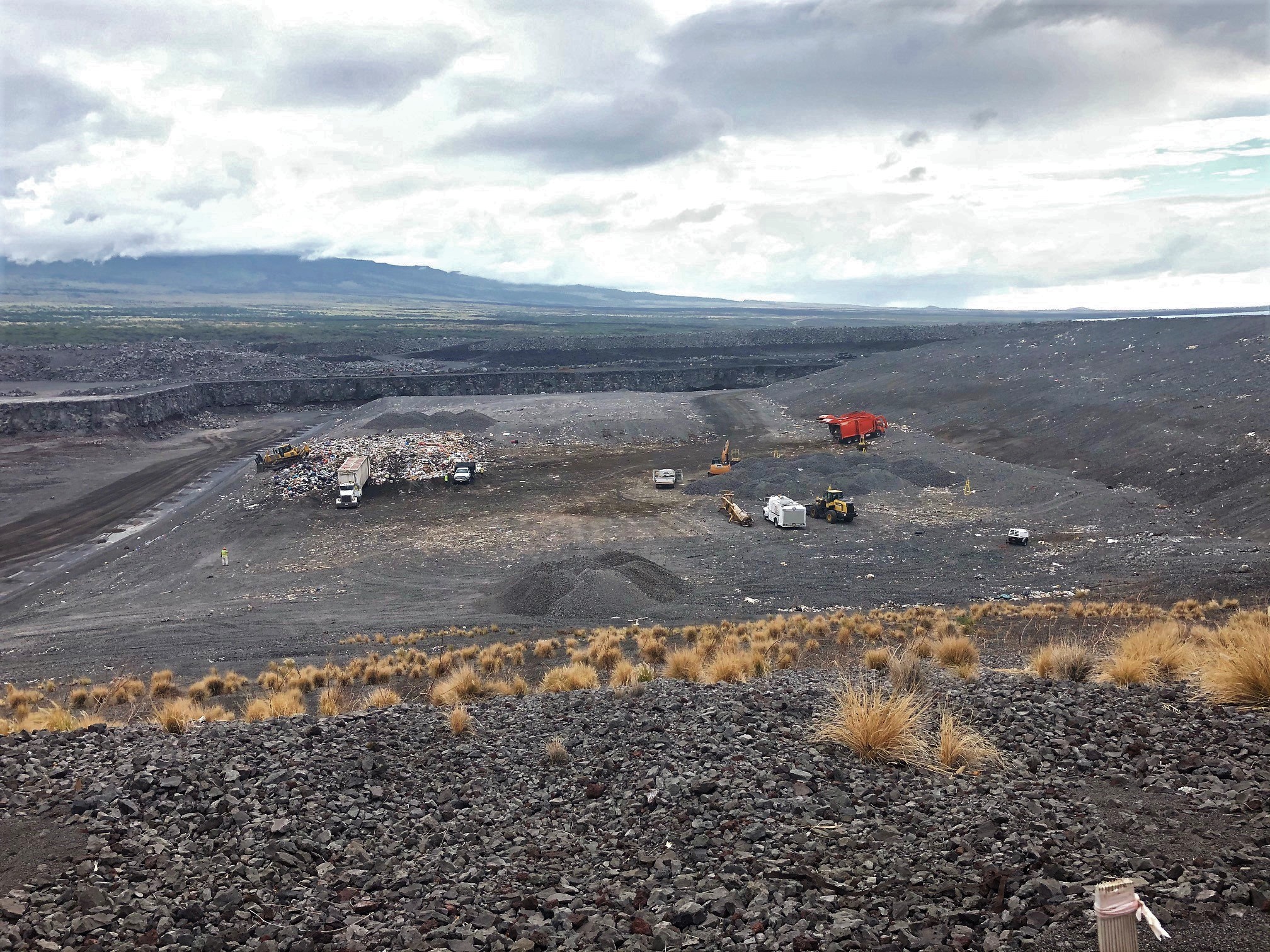
The Geographic Reality of Waste Management in the Pacific
The primary challenge for Hawaii is its sheer isolation. Unlike states in the mainland United States, where trash can be hauled across state lines to massive regional landfills, the islands have finite space. Every bottle, plastic wrapper, and piece of discarded furniture must be managed within the confines of the island where it was generated, or shipped at a massive expense to the West Coast. This creates a high-pressure environment for local municipalities to find sustainable, long-term solutions that do not involve simply burying the problem.
The Logistics of Isolation and Shipping
For the smaller islands like Lanai and Molokai, the logistics are even more complex. These islands often lack the heavy industrial infrastructure found on Oahu. Consequently, much of their recyclable material and hazardous waste must be barged to Honolulu or beyond. This “reverse logistics” is a significant part of the state’s carbon footprint. For the traveler, this means that the availability of recycling bins may vary significantly depending on which island or even which district they are visiting. Understanding this constraint is part of becoming an informed visitor who respects the limitations of island ecosystems.
Tourism’s Contribution to the Waste Stream
The Hawaii Tourism Authority has long recognized that the influx of nearly 10 million visitors annually places a disproportionate strain on the islands’ waste infrastructure. A single resort in Waikiki can generate more waste in a day than a small rural village does in a month. This reality has led to a shift in how Tourism is managed. There is an increasing emphasis on “regenerative tourism,” where visitors are encouraged to leave the islands better than they found them. This includes participating in beach cleanups or simply being more mindful of the waste generated during their stay at places like the Hilton Hawaiian Village or the Grand Hyatt Kauai Resort and Spa.
Regional Strategies Across the Islands: From H-POWER to Landfills
Because each island is its own county, the approach to garbage varies significantly. Oahu, being the most populated and most visited island, has the most industrial approach, while the outer islands rely more on landfilling and community-based diversion programs.
Honolulu and the H-POWER Advantage
On Oahu, the centerpiece of waste management is H-POWER, which stands for Honolulu Program of Waste Energy Recovery. Located in the Kalaeloa industrial area, this waste-to-energy facility is one of the most advanced in the United States. Instead of sending all municipal solid waste to a landfill, H-POWER combustes the trash to produce electricity.
This facility processes over 700,000 tons of waste per year, providing enough electricity to power approximately 60,000 homes on the island. For visitors staying in the high-rises of Honolulu, it is an interesting thought that the energy powering their air conditioning may very well be generated from the processed waste of the city. While this reduces the volume of waste destined for the Waimanalo Gulch Sanitary Landfill by about 90%, it still leaves ash that must be managed, highlighting that even the best technology is not a “magic wand.”
Diversion Efforts in Maui and Kauai
On Maui, the strategy is focused heavily on diversion. The Central Maui Landfill is the primary site for disposal, but the county has implemented aggressive recycling and composting programs. Because Maui hosts popular destinations like Lahaina and Kaanapali, the local government works closely with hotels to ensure that green waste and food scraps are diverted from the landfill to be used in local agriculture.
Kauai faces perhaps the most urgent challenge, as the Kekaha Landfill is rapidly approaching capacity. The “Garden Isle” has responded by banning certain types of non-recyclable materials and pushing for a circular economy. When you visit landmarks like the Waimea Canyon State Park, you will notice a lack of trash cans in some remote areas. This is a deliberate “pack it in, pack it out” policy designed to protect the fragile environment from the literal weight of tourism.
The Cultural Connection: Malama Hawaii and Kuleana
In Hawaii, waste management is not just a logistical hurdle; it is a moral and cultural imperative. The Native Hawaiian worldview does not see land as a commodity to be used, but as an ancestor to be cared for. This cultural foundation is being integrated into the modern Tourism experience through concepts like Kuleana (responsibility) and the Malama Hawaii program.
Integrating Ancient Values into Modern Systems
The concept of Kuleana is central to how locals view their relationship with garbage. It implies a reciprocal relationship: if the land provides for you, you have a sacred responsibility to care for it. This is why you will see local residents volunteering for beach cleanups at Kailua Beach or organizing reef protection efforts at Hanauma Bay Nature Preserve. For the tourist, adopting this mindset means moving beyond the role of a passive consumer and becoming a temporary steward of the islands.
The Malama Hawaii Program for Visitors
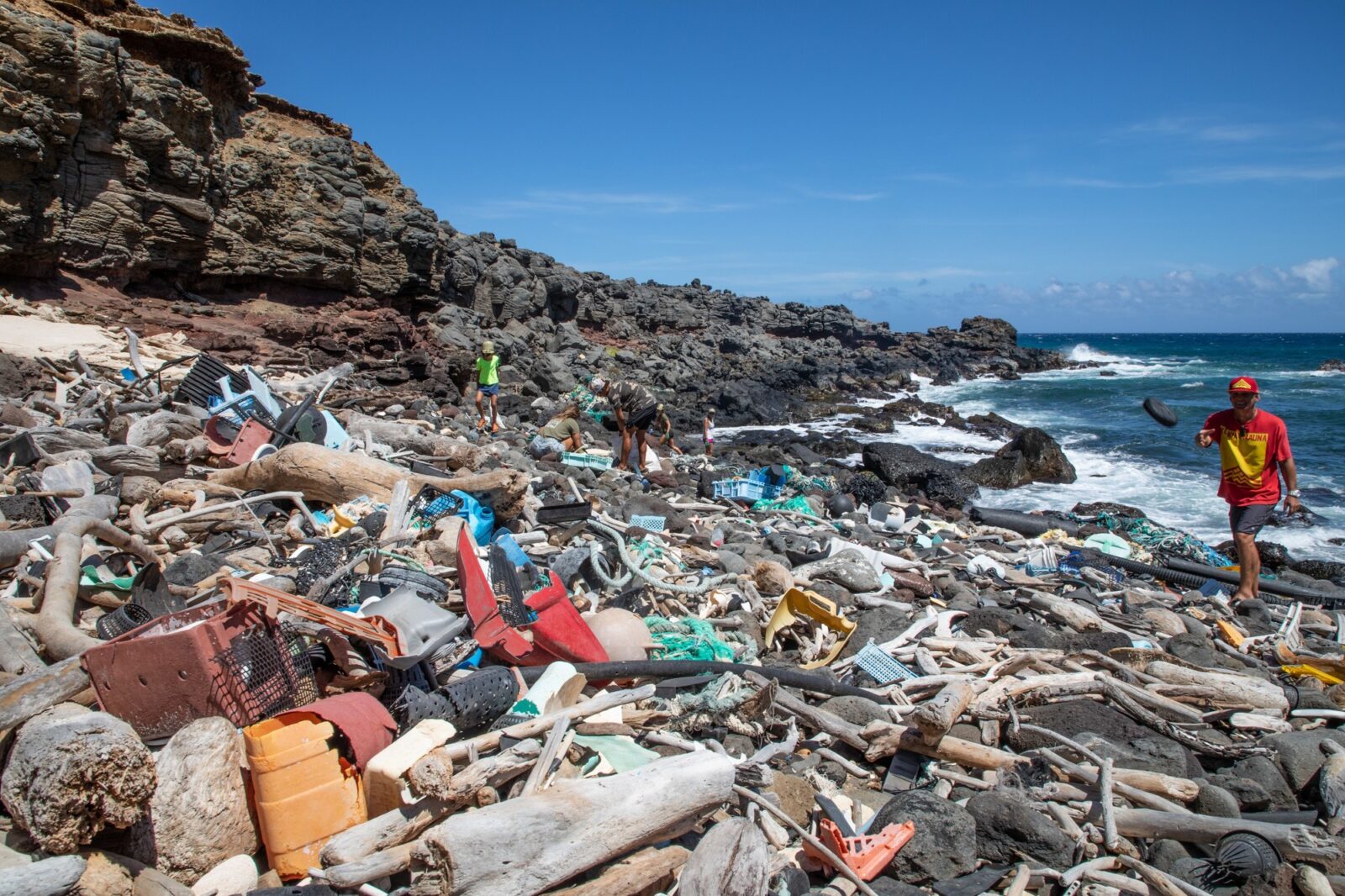
To encourage this, many hotels—including the Aulani, A Disney Resort & Spa and the Four Seasons Resort Maui at Wailea—participate in the Malama Hawaii initiative. This program offers incentives, such as a free night’s stay or resort credits, to visitors who engage in volunteer work. Often, this work involves environmental restoration or cleaning up debris that has washed ashore from the Great Pacific Garbage Patch. This global phenomenon brings tons of plastic to Hawaii’s shores, particularly on the windward sides of the islands, making the “garbage problem” an international issue that Hawaii has to manage daily.
Practical Tips for the Conscious Traveler
Understanding how Hawaii deals with garbage allows travelers to adjust their behavior to better align with local needs. Small changes in habits can significantly reduce the pressure on island infrastructure.
Navigating Local Recycling and Bans
Hawaii was among the first in the United States to implement widespread bans on plastic bags and expanded polystyrene (Styrofoam) food containers. When shopping at Ala Moana Center or grabbing a plate lunch in Kapolei, you will find that paper bags or reusable totes are the norm. Furthermore, the state’s “HI-5” bottle deposit program is highly effective. Most glass, plastic, and aluminum beverage containers have a 5-cent deposit. While travelers might not find it convenient to return their bottles for the nickel, many locals—especially those who are underserved—collect these containers. Leaving your HI-5 bottles in a separate bag next to the trash is a common local practice that ensures the material is recycled while helping someone else earn a small income.
Reducing Single-Use Plastics and Sunscreen
One of the most effective ways to help Hawaii manage its waste is to simply not create it. The state has also moved toward banning sunscreens containing oxybenzone and octinoxate, which can damage coral reefs at popular spots like Molokini Crater. By choosing mineral-based, reef-safe sunscreens and carrying a reusable water bottle, visitors can prevent thousands of plastic bottles and chemical pollutants from entering the system. Many airports, including Daniel K. Inouye International Airport and Kahului Airport, now feature high-tech water filtration stations specifically to encourage the use of reusable containers.

Supporting Eco-Conscious Dining
Finally, travelers can make an impact by supporting businesses that prioritize waste reduction. Many restaurants in North Shore Oahu or Hanalei utilize compostable utensils and source ingredients locally to reduce the shipping packaging required. When you dine at establishments that practice Farm-to-Table principles, you are supporting a shorter supply chain that inherently generates less industrial waste.
By understanding the logistical complexity of the H-POWER plant, the cultural weight of Kuleana, and the physical limitations of the Waimanalo Gulch Sanitary Landfill, visitors can transform their trip. Moving through Hawaii with an awareness of its waste management systems is more than just a tip for sustainable travel; it is a way to honor the Aloha Spirit and ensure that these islands remains a paradise for generations to come.
LifeOutOfTheBox is a participant in the Amazon Services LLC Associates Program, an affiliate advertising program designed to provide a means for sites to earn advertising fees by advertising and linking to Amazon.com. Amazon, the Amazon logo, AmazonSupply, and the AmazonSupply logo are trademarks of Amazon.com, Inc. or its affiliates. As an Amazon Associate we earn affiliate commissions from qualifying purchases.