
Navigating the administrative processes of vehicle ownership in Texas can often feel like a complex journey. Among the most crucial of these is the title transfer, a fundamental step when buying or selling a vehicle, or even when inheriting one. This process ensures legal ownership is accurately reflected and that the vehicle is properly registered. For anyone embarking on this task in the Lone Star State, understanding the specific requirements is paramount to a smooth and efficient transaction. This guide aims to demystify the Texas title transfer process, providing a clear roadmap of what you need, who needs to be involved, and the essential documentation required.
Understanding the Texas Vehicle Title
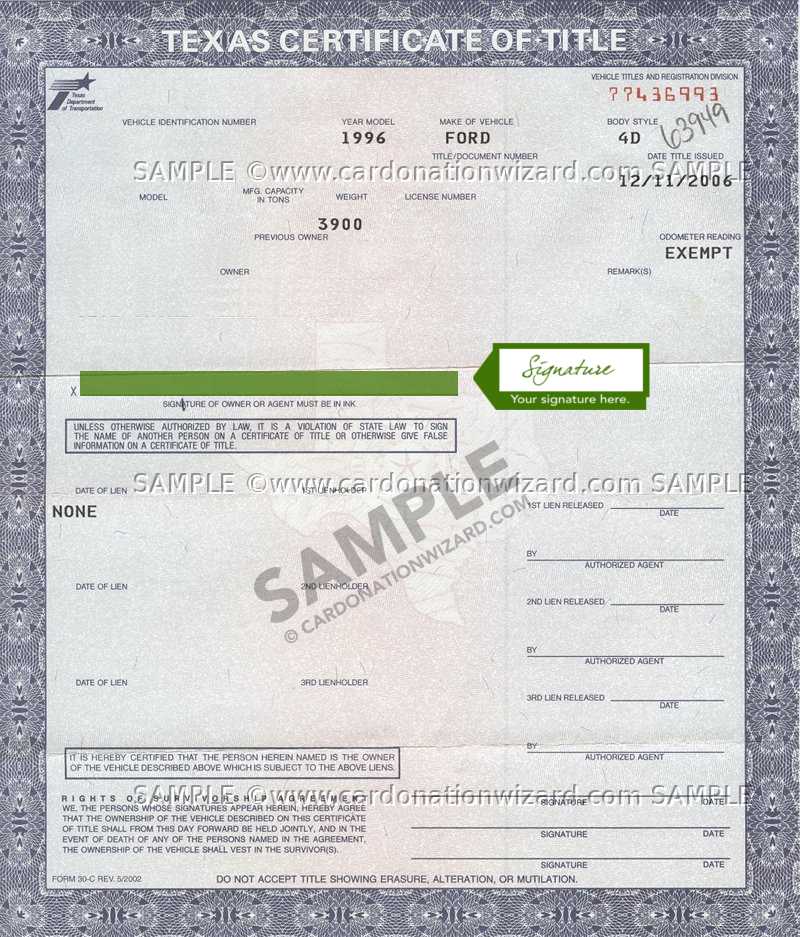
A vehicle title, often referred to as the Certificate of Title, is a legal document issued by the Texas Department of Motor Vehicles (TxDMV) that proves ownership of a motor vehicle. In Texas, this document is a vital piece of paper, and its accurate transfer is legally mandated. It contains critical information about the vehicle, including its Vehicle Identification Number (VIN), make, model, year, and the names of its registered owners. When you purchase a vehicle, the seller must legally transfer the title to you. Similarly, if you sell a vehicle, you must transfer the title to the buyer. Failure to properly transfer a title can lead to significant legal and financial complications for both parties involved. This includes potential liability for parking tickets, tolls, or even involvement in accidents. Therefore, understanding the nuances of title transfer is not just a matter of convenience, but a necessity for responsible vehicle ownership.
The Importance of a Clear Title
A clear title signifies that there are no outstanding liens or legal claims against the vehicle. Liens are typically placed on a title by lenders when a vehicle is financed. Until the loan is fully repaid, the lender has a legal interest in the vehicle. For a title transfer to be completed without issue, any existing liens must be satisfied and released. If a lien exists, the lienholder will typically hold the title. Once the loan is paid off, the lienholder is obligated to provide a lien release document, which then allows for the title to be transferred cleanly. This document, along with the existing title, is crucial for the new owner to obtain a clear title in their name.
When is a Title Transfer Necessary?
Several scenarios necessitate a title transfer in Texas:
- Vehicle Purchase or Sale: This is the most common reason. When a vehicle changes hands through a private sale or from a dealership, the title must be transferred to the new owner.
- Inheritance: If a vehicle is inherited, the title will need to be transferred from the deceased owner’s estate to the beneficiary. This process often involves additional documentation, such as a death certificate and potentially letters testamentary.
- Gifts: Even when a vehicle is gifted, a title transfer is required to legally assign ownership to the recipient.
- Adding or Removing a Name: If you are adding or removing a co-owner from a title, a title transfer is necessary.
- Marriage or Divorce: Changes in marital status may necessitate updating the title to reflect the new legal ownership structure.
Essential Documentation for Title Transfer
The Texas title transfer process hinges on having the correct documentation in order. Both the buyer and seller play a role in gathering and submitting these essential items to the county tax assessor-collector’s office. Missing or incomplete documents are the most common reasons for delays or rejections of title transfer applications.
For the Seller:
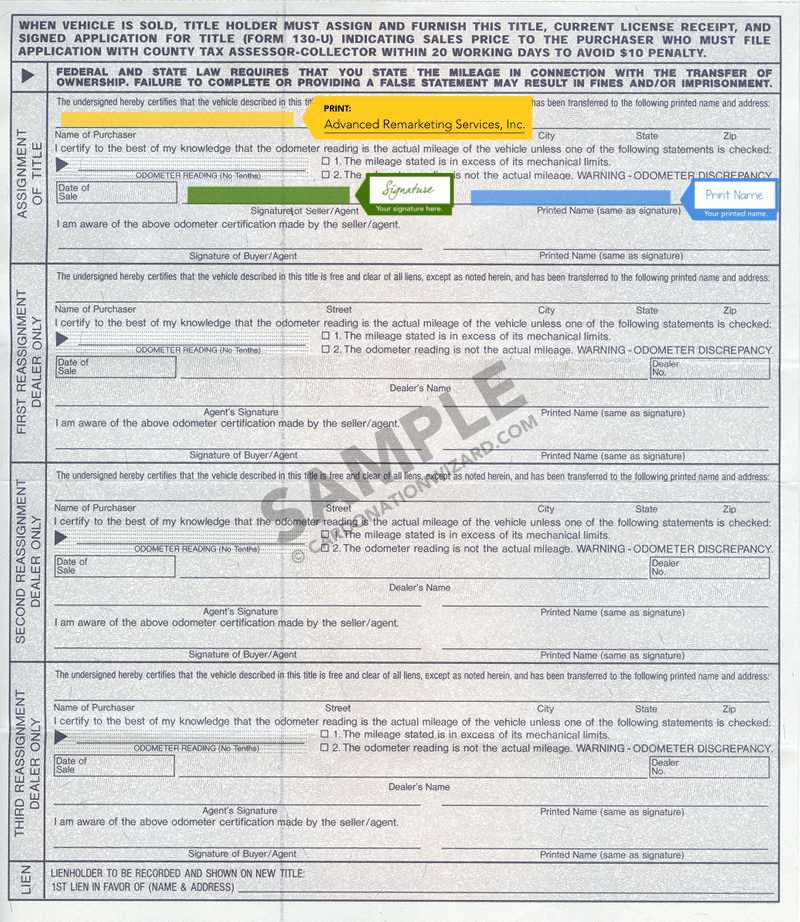
- The Vehicle Title: This is the most critical document. The seller must have the original Certificate of Title in their possession and ensure it is properly signed. The signature line for the seller on the title must be completed accurately, matching the name as it appears on the title.
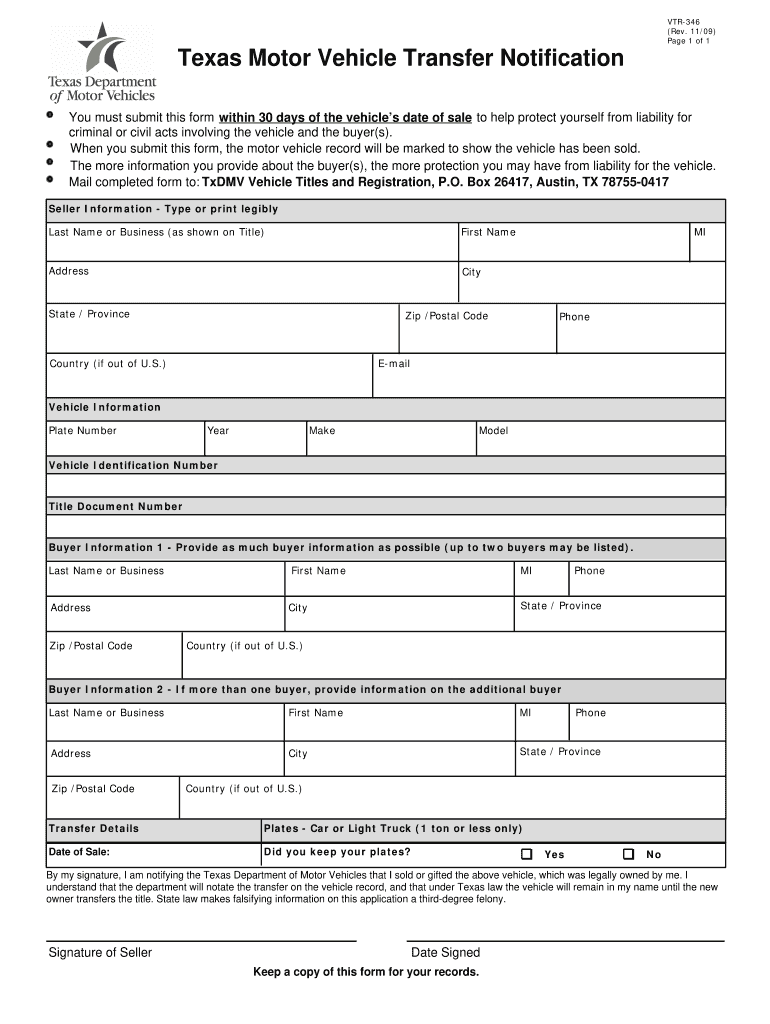
- Odometer Disclosure Statement: For vehicles less than 10 years old, federal and state law requires an accurate odometer reading to be disclosed. This information is typically recorded on the title itself or on a separate Texas Motor Vehicle Transfer Notification form (Form 130-U). This statement helps prevent odometer tampering and ensures buyers are aware of the vehicle’s mileage.
- Bill of Sale (Recommended): While not always mandatory for a title transfer in Texas, a Bill of Sale is highly recommended for both buyer and seller. It serves as a legal record of the transaction, detailing the purchase price, date of sale, VIN, and the names and addresses of both parties. It protects both individuals by documenting the terms of the sale.
For the Buyer:
- The Properly Signed Title: The buyer receives the title from the seller, which should be signed by the seller(s) exactly as their name(s) appear on the title.
- Proof of Vehicle Inspection: In many Texas counties, a valid vehicle inspection certificate is required. This demonstrates that the vehicle meets state safety and emissions standards.
- Proof of Texas Liability Insurance: The buyer must provide proof of current Texas liability insurance for the vehicle. This is a non-negotiable requirement for registration and title transfer. The policy must meet the state’s minimum coverage limits.
- Completed Application for Texas Title and/or Registration (Form 130-U): This is the primary application form for transferring ownership and registering the vehicle. It requires detailed information about the buyer, the vehicle, and the transaction. Both buyer and seller may need to complete sections of this form.
- Proof of Identity: The buyer will need to present a valid government-issued identification, such as a driver’s license or state ID card, to prove their identity.
- Payment for Fees and Taxes: Be prepared to pay the required title transfer fees, registration fees, and sales tax. The amount of sales tax is typically calculated based on the purchase price of the vehicle or its market value, whichever is greater.
The Title Transfer Process Step-by-Step
Once you have gathered all the necessary documentation, the next step is to complete the title transfer at your local county tax assessor-collector’s office. This office acts as the local agent for the TxDMV.
Step 1: Seller Signs Over the Title
The seller must sign the original Certificate of Title in the designated “Assignment of Title” section. If there are two owners listed on the title with “AND” between their names, both must sign. If it reads “OR,” only one owner needs to sign. If there is a lienholder, they must also release their lien on the title for it to be transferable.
Step 2: Buyer Completes the Application
The buyer then completes the Application for Texas Title and/or Registration (Form 130-U). This form requires accurate information about the vehicle, the buyer, and the seller. It’s crucial to fill out this form completely and legibly to avoid processing delays.
Step 3: Gather Supporting Documents
Ensure all other required documents are readily available: odometer disclosure (if not on title), bill of sale (recommended), proof of inspection, and proof of insurance.
Step 4: Visit the County Tax Assessor-Collector’s Office
Take all the completed forms and supporting documents to your local county tax assessor-collector’s office. You can typically find a list of these offices on the TxDMV website or by searching online for “[your county name] Texas tax assessor-collector”.
Step 5: Submit and Pay Fees
Submit your application and documents to the clerk at the counter. They will review everything for completeness and accuracy. You will then be required to pay the applicable title transfer fees, registration fees, and sales tax. The sales tax rate in Texas is 6.25% of the purchase price or the vehicle’s appraised value, whichever is higher. Some counties may also have an additional local sales tax.
Step 6: Receive New Title and Registration
After your transaction is processed, you will receive a new Texas Certificate of Title in your name, along with your vehicle registration certificate and license plates (if applicable). The new title may take several weeks to arrive by mail.
Special Circumstances and Considerations
While the standard title transfer process is straightforward, certain situations require additional steps or documentation. Understanding these exceptions can save considerable time and frustration.
Vehicles Purchased from Dealerships
If you purchase a vehicle from a licensed Texas dealership, the dealership will typically handle the title transfer and registration process for you. They will collect the necessary fees and taxes and submit the paperwork to the state on your behalf. You will usually receive your new title and registration documents within a few weeks.
Inherited Vehicles
Transferring title for an inherited vehicle requires specific documentation. You will need the original title, a death certificate of the previous owner, and potentially a sworn statement of inheritance or letters testamentary from the court. The exact requirements can vary depending on the value of the estate and whether the estate has gone through probate. It’s advisable to contact the county tax assessor-collector’s office to understand the precise documentation needed for your situation.
Out-of-State Title Transfers
If you are bringing a vehicle into Texas from another state and need to title and register it here, you will follow a similar process but with some key differences. You will need the out-of-state title, proof of Texas insurance, a valid VIN inspection (which may include a weight certificate for certain vehicles), and a completed Application for Texas Title and/or Registration (Form 130-U). You will also need to pay Texas sales tax, and credit may be given for sales tax paid in the previous state, provided you have proof of payment. An out-of-state vehicle inspection certificate may also be required.
Lost or Damaged Titles
If the seller has lost or damaged the original title, they will need to apply for a duplicate title from the TxDMV before they can transfer ownership. This can add significant time to the process. The buyer should never accept a vehicle without a properly signed title from the seller.
Liens on the Title
As mentioned earlier, any existing liens must be satisfied and released before a clear title can be transferred. If you are purchasing a vehicle with a loan, the lender will hold the title. Once the loan is paid off, the lender must provide a lien release. This release, along with the original title, is then given to the buyer to complete the transfer. If you are financing your purchase, your new lender will become the lienholder, and they will assist you with the title transfer process after the sale is finalized.
By understanding these requirements and following the outlined steps, you can ensure a smooth and legally sound transfer of your vehicle’s title in Texas. Remember to always verify the latest requirements with your local county tax assessor-collector’s office, as procedures and fees can sometimes change.
LifeOutOfTheBox is a participant in the Amazon Services LLC Associates Program, an affiliate advertising program designed to provide a means for sites to earn advertising fees by advertising and linking to Amazon.com. Amazon, the Amazon logo, AmazonSupply, and the AmazonSupply logo are trademarks of Amazon.com, Inc. or its affiliates. As an Amazon Associate we earn affiliate commissions from qualifying purchases.