
For travelers planning a getaway to the United States most tropical archipelago, the primary question often centers on the climate. Hawaii is synonymous with eternal summer, a place where the sun seems to always be shining and the ocean air is perpetually warm. However, the reality of the weather in the Pacific Ocean is far more nuanced than a simple “hot and sunny” description. Understanding the temperature variations, seasonal shifts, and diverse microclimates is essential for any traveler looking to make the most of their visit to these iconic islands.
Understanding Hawaii’s Subtropical Climate
Hawaii experiences a tropical, maritime climate, but it is unique because of its positioning. While it is located within the tropics, the intense heat often associated with equatorial regions is moderated by the surrounding ocean and the consistent presence of trade winds. These winds blow from the northeast, bringing a refreshing breeze that keeps the humidity manageable and the temperatures comfortable for most of the year.
The Role of the Trade Winds
The trade winds are perhaps the most critical factor in determining how “hot” it actually feels in Hawaii. For the majority of the year, these winds act as nature’s air conditioning. When the trade winds are blowing, a day that reaches 85°F (29°C) feels remarkably pleasant. However, during periods when the trade winds fail—often referred to as “Kona weather”—the humidity rises, the air becomes still, and the heat can feel significantly more oppressive. For visitors, tracking the trade wind forecast is often as important as checking the thermometer.
Microclimates Across the Islands
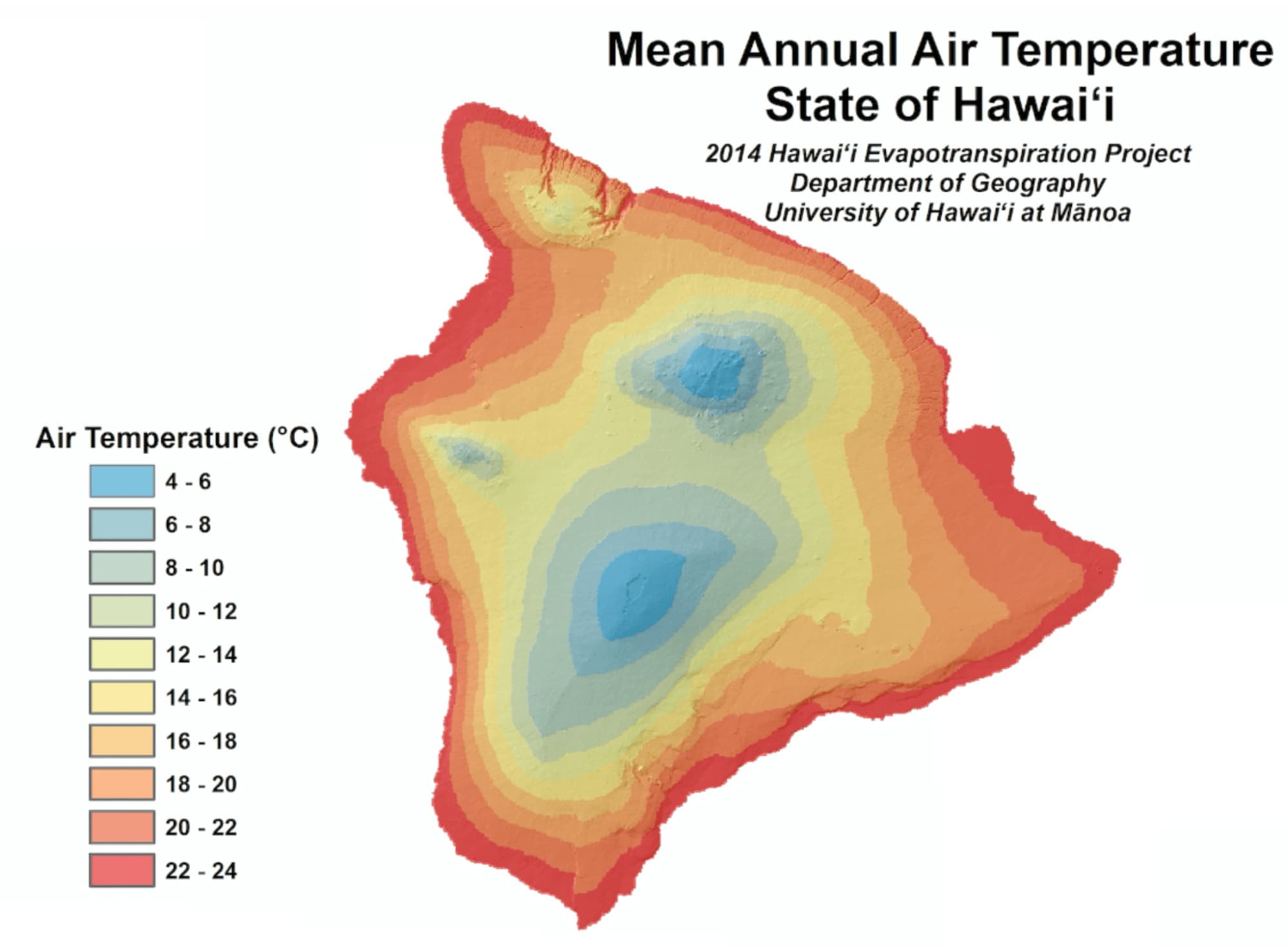
One of the most fascinating aspects of Hawaii is its incredible diversity of microclimates. Within a single island, you can experience a range of temperatures that vary by 20 degrees or more. The “leeward” (west and south) sides of the islands are typically the hottest and driest, while the “windward” (east and north) sides are cooler and receive more rainfall. Furthermore, elevation plays a massive role. As you move from the coastal resorts toward the mountainous interiors, the temperature drops approximately 3.5 degrees for every 1,000 feet of elevation gain. This means you could be sunbathing in Kailua-Kona in 80-degree weather while seeing frost or even snow atop Mauna Kea.
Seasonal Variations: When to Visit for the Best Weather
Unlike the four distinct seasons found in most parts of North America, Hawaii technically only has two: summer (Kau) and winter (Hooilo). While the difference between these seasons is subtle compared to mainland standards, they do impact the “heat factor” for travelers.
Summer (Kau): The Peak of Heat
The Hawaiian summer typically runs from May through October. During these months, the sun is more directly overhead, and temperatures are at their highest. Daytime highs at sea level generally hover between 85°F and 88°F (29°C to 31°C). August and September are traditionally the hottest months of the year. For travelers who love heat and want the warmest possible ocean temperatures, this is the ideal time to visit. The water is often a balmy 80°F, making it perfect for long snorkeling sessions at Hanauma Bay Nature Preserve or learning to surf on the calmer summer swells.
Winter (Hooilo): The Refreshing Cool
From November through April, the islands enter their winter phase. While “winter” in Hawaii is a far cry from the snow-shoveling reality of the northern United States, the temperatures do dip. Daytime highs usually range from 78°F to 82°F (25°C to 28°C), with nighttime temperatures occasionally dropping into the high 60s. This period is also the rainy season, particularly on the windward coasts. The rain usually comes in short, tropical bursts followed by rainbows, but it helps to keep the air crisp and the landscape vibrantly green. If you prefer hiking Diamond Head State Monument without the intense midday heat, winter is a fantastic choice.
Island-by-Island Temperature Guide
Each island has its own unique “thermal personality,” which can influence your itinerary and where you choose to stay.
Oahu: The Pulse of Honolulu
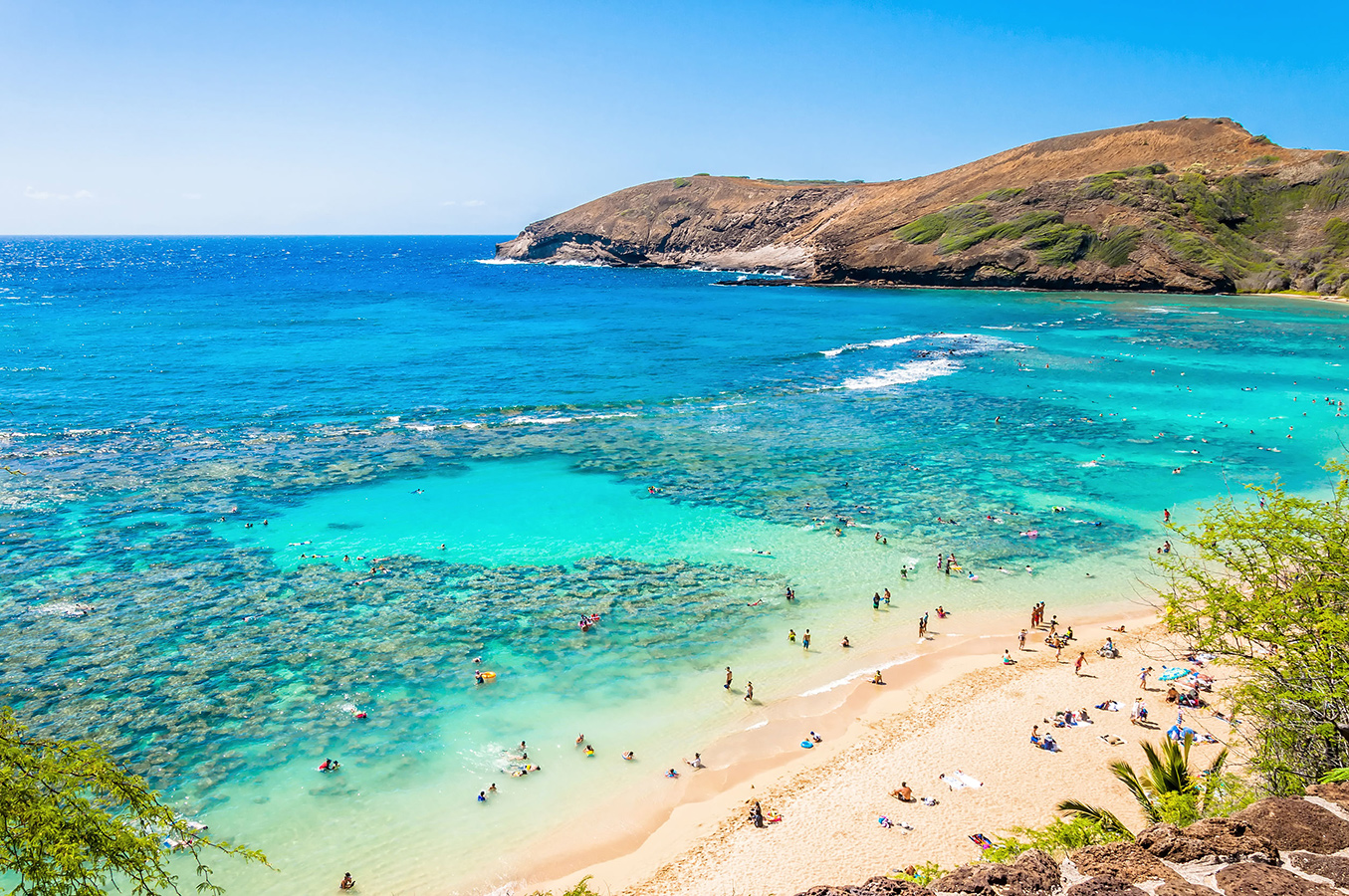
Oahu is home to the state’s capital, Honolulu, and the world-famous Waikiki Beach. Because of the high density of buildings in Honolulu, the city can sometimes experience a “heat island” effect, making it feel a few degrees warmer than the rural parts of the island. However, the Waikiki area is perfectly positioned to catch the trades. If you travel to the North Shore, you’ll find the air slightly more humid but often cooler due to the increased vegetation and sea spray from the massive winter waves. Visiting landmarks like the Pearl Harbor National Memorial is best done in the early morning to avoid the reflective heat of the midday sun.
Maui: The Valley Isle’s Varied Landscapes
Maui offers some of the most dramatic temperature shifts. The coastal resort areas of Lahaina, Kaanapali, and Wailea are consistently warm and sunny. However, the central valley can trap heat, making it feel quite hot during the summer afternoons. The real temperature adventure on Maui is found at Haleakala National Park. Travelers who wake up early to catch the sunrise at the summit of Haleakala are often shocked to find temperatures near freezing, even when it was 75 degrees back at their resort in Kapalua.
Kauai: The Garden Isle’s Humidity and Rain
As the oldest and northernmost of the main islands, Kauai is incredibly lush. This greenery is fueled by rain, and with rain comes humidity. While the temperatures in Lihue or Poipu Beach are similar to the rest of the state, the high moisture content in the air can make it feel slightly “stickier” than the drier Big Island. Exploring the Waimea Canyon State Park offers a reprieve from the coastal heat, as the higher elevation and canyon breezes provide a cooler environment for hiking.
The Big Island: A Continent in Miniature
The Island of Hawaii is so large that it contains 4 out of the 5 major climate zones. The Kailua-Kona side is famous for its “lava heat”—the black volcanic rock absorbs sunlight and radiates it back, making the coastal areas feel very hot during the day. In contrast, Hilo is one of the wettest cities in the United States, and the frequent cloud cover keeps temperatures slightly lower but humidity levels higher. If you are visiting Hawaii Volcanoes National Park, the elevation at the visitor center (around 4,000 feet) means you will likely need a light jacket, a stark contrast to the beach weather just an hour away.
Essential Travel Tips for Managing the Heat
Staying comfortable in Hawaii isn’t just about checking the weather; it’s about preparation. The sun in the islands is much stronger than in many parts of the mainland due to the lower latitude.
Sun Protection and Hydration
When the temperature hits 88°F on a clear day in Maui, the UV index is often in the “Extreme” category. Travelers should prioritize reef-safe sunscreen, wide-brimmed hats, and UV-protective clothing. Hydration is equally critical. Whether you are lounging at a resort on Lanai or exploring the historic sites of Molokai, the tropical heat can lead to dehydration faster than many expect. Always carry a reusable water bottle, as Hawaii has excellent tap water and many public refill stations.
Packing the Right Gear
Because of the microclimates, your packing list for Hawaii should be more diverse than just swimwear and flip-flops. While lightweight, breathable fabrics like linen and cotton are best for the coastal heat, you must include layers. A light rain shell is essential for the Garden Isle or a drive along the Road to Hana. If your itinerary includes a trip to the summit of Mauna Kea or a late-night stargazing tour, you will actually need a heavy sweater or a down jacket.

Best Outdoor Experiences by Temperature
Strategic planning allows you to align your activities with the best parts of the day. For those who find the midday heat too intense, Hawaii offers plenty of early-morning and evening alternatives.
Morning is the golden hour in Hawaii. The air is at its coolest between 6:00 AM and 9:00 AM, making this the perfect window for strenuous hikes like the Pillbox trails on Oahu or exploring the volcanic craters on the Big Island. As the midday heat peaks between 11:00 AM and 3:00 PM, many savvy travelers head for the water. Whether it is a catamaran cruise off the coast of Waikiki or a snorkeling trip to Molokini Crater, the ocean provides the ultimate escape from the sun.
As evening approaches, the “pau hana” (after work) time brings a cooling trend. Sunset in Hawaii is not just a visual spectacle; it marks a transition to a mild, balmy night that is perfect for outdoor dining or attending a traditional luau. The evening temperatures rarely drop low enough to require more than a thin shawl, allowing for a comfortable night’s sleep with the windows open to catch the sound of the surf and the gentle trade winds.
Ultimately, “how hot it is in Hawaii” depends on your location, the time of day, and the presence of the winds. While the islands are undeniably warm, the climate is remarkably consistent and welcoming. By understanding the seasonal trends and the unique geography of each island, travelers can ensure that their Hawaiian adventure is as comfortable as it is breathtaking. Whether you are chasing the summer sun on the beaches of Oahu or seeking the cool mountain air of Maui, the Aloha State offers a perfect temperature for every kind of explorer.
LifeOutOfTheBox is a participant in the Amazon Services LLC Associates Program, an affiliate advertising program designed to provide a means for sites to earn advertising fees by advertising and linking to Amazon.com. Amazon, the Amazon logo, AmazonSupply, and the AmazonSupply logo are trademarks of Amazon.com, Inc. or its affiliates. As an Amazon Associate we earn affiliate commissions from qualifying purchases.