
Traveling from the heart of Texas to the volcanic archipelagos of the Pacific Ocean is a journey that spans a significant portion of North America and the sea. When planning a getaway from Dallas to Hawaii, the first question most travelers ask is about the duration of the flight. Because Hawaii is one of the most remote island chains in the world, the trek from the south-central United States is substantial. Whether you are heading to the bustling streets of Honolulu or the serene landscapes of Kauai, understanding the logistics of your flight time is essential for a seamless vacation experience.
Understanding Flight Durations from Dallas to the Hawaiian Islands
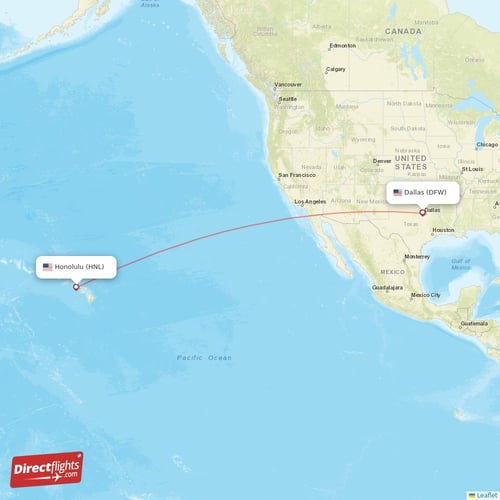
The flight time from Dallas to Hawaii varies depending on your specific destination island, the wind conditions, and whether you have opted for a direct or connecting flight. On average, a non-stop flight from Dallas Fort Worth International Airport to the islands takes between 8 and 9 hours. This is a “long-haul” domestic flight, comparable in duration to flying from the East Coast of the United States to Europe.
Direct Flights to Honolulu and Beyond
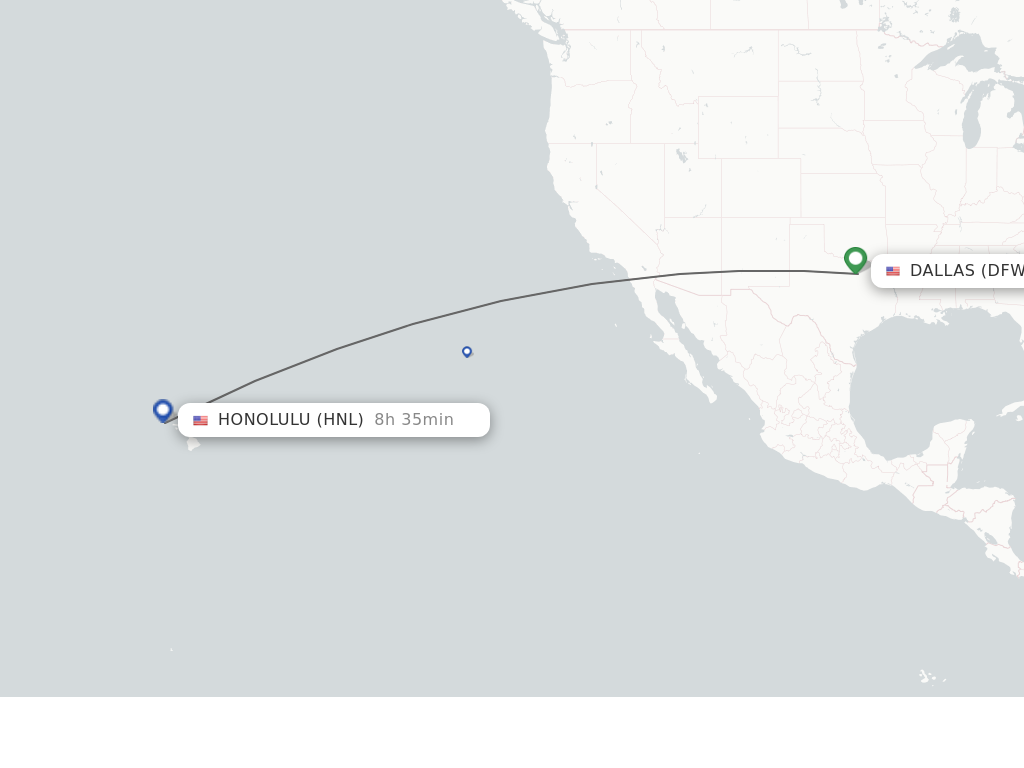
Most non-stop service from Texas lands at Daniel K Inouye International Airport on the island of Oahu. A direct flight to Honolulu typically clocks in at approximately 8 hours and 15 minutes when traveling westbound. However, the return trip is usually shorter, often taking around 7 hours and 30 minutes, thanks to the powerful tailwinds provided by the jet stream pushing the aircraft back toward the mainland.
For those looking to bypass Oahu and head straight to the “Valley Isle,” direct flights to Kahului Airport in Maui are also available. These flights are slightly longer, often reaching the 8-hour and 30-minute mark. Direct service to Ellison Onizuka Kona International Airport on the Big Island follows a similar timeline. While non-stop flights to Lihue Airport in Kauai from Dallas are less frequent, they represent the longest potential direct route, often exceeding 8 hours and 45 minutes of air time.
The Impact of Connecting Flights
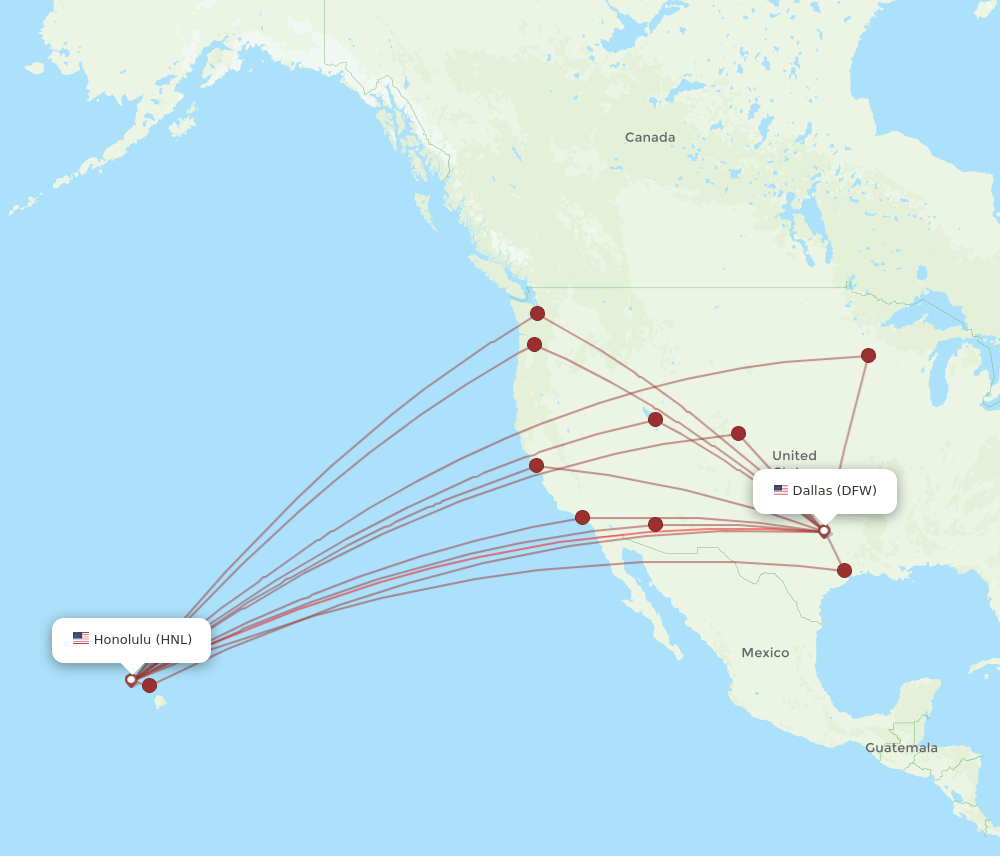
Many travelers choose connecting flights to save on airfare or to reach islands that do not have daily direct service from North Texas. Common layover cities include Los Angeles, San Francisco, Phoenix, or Seattle. When you introduce a layover in California, your total travel time can increase significantly. A typical connecting journey might take anywhere from 11 to 15 hours, depending on the length of the stopover. While this adds time to your itinerary, it offers a chance to stretch your legs in cities like San Diego or Oakland before the final over-water leg of the trip.
Major Airlines and Route Options
The route from Dallas to Hawaii is a competitive one, served by several major carriers that offer different levels of service and amenities. Because Dallas Fort Worth International Airport is a primary hub, travelers have a wealth of options.
Direct Carriers
American Airlines is the dominant carrier for this route, offering multiple daily non-stop flights to Honolulu and Maui. They often utilize wide-body aircraft for these routes, providing a more comfortable experience for the 3,700-mile journey. Hawaiian Airlines also provides direct service, known for its “Island Hospitality” and complimentary meals that start the vacation vibes the moment you step on the plane. These direct routes are highly sought after by those who wish to maximize their time on the beach rather than in transit.
Connecting Carriers and Hubs
For those who don’t mind a stopover, United Airlines frequently routes passengers through Denver or San Francisco. Delta Air Lines offers connections through Los Angeles or Salt Lake City. Additionally, Southwest Airlines has expanded its presence in the Hawaii market, often requiring a stop in California. Alaska Airlines is another popular choice for those connecting through Seattle or Portland. While these connections add to the flight duration, they often provide more flexibility in scheduling and can sometimes result in lower overall costs for the budget-conscious traveler.
Factors Influencing Your Travel Time and Experience
While the distance between Dallas and Hawaii remains constant, several variables can influence how long you spend in the air and how you feel upon arrival.
The Jet Stream and Seasonal Winds
Aviation is heavily influenced by the jet stream—high-altitude air currents that move from west to east. When flying from Texas to Hawaii, planes are essentially flying against these winds. This “headwind” is the reason the flight to the islands is consistently longer than the return trip. During the winter months, the jet stream can be particularly strong, sometimes adding 30 to 45 minutes to the outbound flight time. Conversely, summer travel may see slightly shorter durations as the winds calm.
Time Zone Transitions
Navigating the time difference is one of the most significant parts of the Dallas to Hawaii experience. Hawaii follows Hawaii-Aleutian Standard Time, which does not observe Daylight Saving Time. This means that for much of the year, Hawaii is five hours behind Dallas. When Texas moves its clocks back in the fall, the difference shrinks to four hours.
Because of this shift, a flight departing Dallas Fort Worth International Airport at 10:00 AM might arrive in Honolulu around 1:30 PM local time. While the flight was eight hours long, the clock only moved forward by three and a half hours. This “gained” time is a blessing for travelers, allowing them to enjoy a sunset dinner at Waikiki Beach on their first day. However, the return trip can be more taxing, as you “lose” time and often arrive back in Dallas very early the following morning.
Planning Your Hawaiian Destination Guide
Once you have accounted for the flight time, the real excitement begins: deciding what to see and do across the islands. Each destination offers a unique experience that makes the long flight from Texas entirely worthwhile.
Oahu: The Gathering Place
Most travelers from Dallas will find themselves starting in Honolulu. This island is a perfect blend of metropolitan energy and tropical beauty. A visit to Pearl Harbor is a must for history enthusiasts, providing a somber and educational look at the events of World War II. For those seeking adventure, hiking the Diamond Head crater offers panoramic views of the coastline. After a long flight, there is nothing quite like the convenience of Waikiki Beach, where you can jump straight into the ocean just steps away from world-class dining and shopping.
Maui: The Valley Isle
If your flight takes you to Kahului Airport, you are in for a landscape defined by dramatic cliffs and lush valleys. The Road to Hana is one of the most famous scenic drives in the world, featuring dozens of waterfalls and rainforest canopies. For a truly ethereal experience, drive to the summit of Haleakala National Park to witness the sunrise above the clouds. The waters off the coast of Lahaina are also premier spots for whale watching during the winter months.
Kauai: The Garden Isle
For travelers who don’t mind the longest flight duration to reach Lihue Airport, Kauai offers an escape into raw, untouched nature. The Na Pali Coast is best viewed by boat or helicopter, revealing jagged green cliffs that drop straight into the sea. On the western side of the island, Waimea Canyon State Park, often called the “Grand Canyon of the Pacific,” provides stunning red-dirt vistas and miles of hiking trails.
The Big Island: Hawaii
Flying into Kona or Hilo lands you on the largest and most geologically diverse island. Hawaii Volcanoes National Park allows visitors to see active volcanic landscapes and ancient lava tubes. The island is also home to Mauna Kea, where the world’s most advanced telescopes sit atop a dormant volcano. From the black sand beaches of Punaluu to the coffee plantations of Kona, the Big Island offers an expansive experience for those who make the journey from Dallas.
Essential Tips for the Long-Haul Journey
Given that you will be spending nearly nine hours in a pressurized cabin, preparation is key to ensuring you arrive in Hawaii ready to explore.
Comfort and Connectivity
Since the flight from Dallas Fort Worth International Airport to Hawaii is long, prioritize comfort. Dress in layers, as the cabin temperature can fluctuate significantly during the crossing of the United States. Most non-stop flights on American Airlines or Hawaiian Airlines offer seat-back entertainment, but it is always wise to download movies, podcasts, or books to your personal devices. Noise-canceling headphones are a game-changer for a flight of this length, helping to block out the engine drone as you fly over the Pacific Ocean.
Health and Hydration
Dehydration is common on long flights. Drink plenty of water and avoid excessive caffeine or alcohol, which can exacerbate the effects of jet lag. Standing up to stretch and walk the aisles every few hours is also recommended to maintain circulation. Once you land at Daniel K Inouye International Airport, try to stay awake until a normal local bedtime. This is the most effective way to synchronize your internal clock with the Hawaii time zone.
Final Logistics
Before leaving Dallas, ensure you have completed any necessary travel documents. While Hawaii is a part of the United States, there are often agricultural declarations to fill out to protect the islands’ unique ecosystem. Whether your journey leads you to the luxury resorts of Lanai or the quiet shores of Molokai, the flight from Texas is merely the gateway to an unforgettable Pacific adventure. Understanding that the flight takes about 8 to 9 hours allows you to set realistic expectations and start your tropical vacation on the right foot.
LifeOutOfTheBox is a participant in the Amazon Services LLC Associates Program, an affiliate advertising program designed to provide a means for sites to earn advertising fees by advertising and linking to Amazon.com. Amazon, the Amazon logo, AmazonSupply, and the AmazonSupply logo are trademarks of Amazon.com, Inc. or its affiliates. As an Amazon Associate we earn affiliate commissions from qualifying purchases.