
Understanding the Political Landscape Through a Tourist’s Lens
When planning a visit to any destination, understanding its cultural and social fabric can significantly enrich the travel experience. For many, this includes a grasp of the prevailing political climate, not in terms of partisan debates, but as a reflection of the state’s identity, its priorities, and the general atmosphere a visitor might encounter. Louisiana, a state renowned for its vibrant culture, unique culinary heritage, and captivating history, presents a fascinating case study in this regard. While often discussed in national political arenas, its classification as “red” or “blue” offers a subtle yet important insight for the curious traveler.
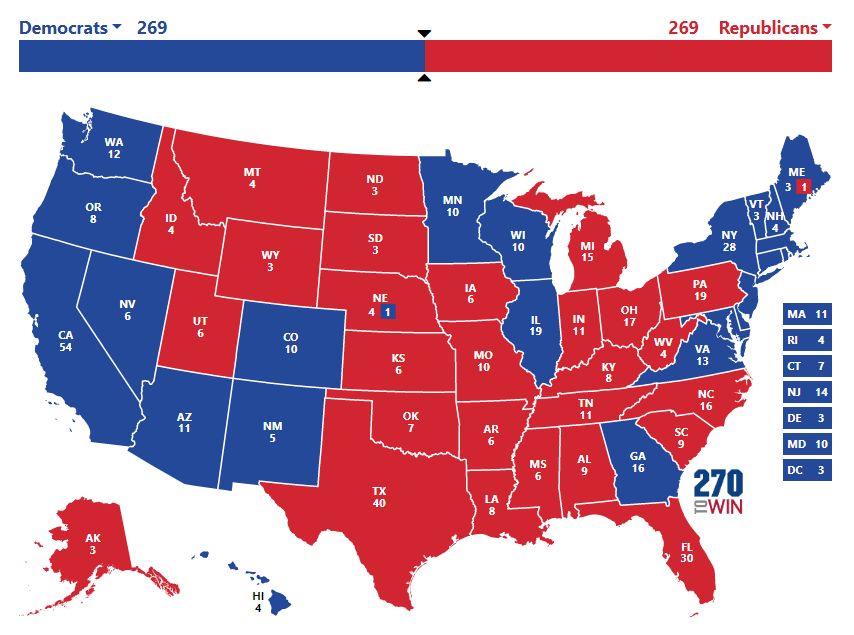
For the purpose of a traveler seeking to understand the local pulse, viewing Louisiana through a political lens is less about election results and more about understanding the underlying demographics, cultural influences, and the general disposition of its people. This perspective can inform everything from the types of attractions that are most popular to the local conversations one might overhear, and even the kinds of local festivals that celebrate distinct heritage.
Historical Roots and Shifting Sands
Louisiana’s political identity is a complex tapestry woven from a unique history, diverse populations, and a geography that has shaped its development. Historically, the state has leaned Republican, often categorized as a “red state.” This leaning is influenced by several factors, including a significant portion of its population residing in more rural areas, a strong presence of conservative religious values, and a historical alignment with agricultural and energy industries that often find common ground with Republican platforms.
However, this “red” label is not monolithic, nor has it always been so firmly established. The state’s largest urban centers, particularly New Orleans, have consistently voted Democratic, showcasing a more liberal and progressive demographic. This urban-rural divide is a common feature in American politics, but in Louisiana, it is amplified by distinct cultural enclaves and historical immigration patterns. The Acadiana region, with its strong Cajun French heritage, often exhibits its own unique political leanings, sometimes diverging from statewide trends. Similarly, the Greater Baton Rouge area and the Shreveport-Bossier City metropolitan area also contribute to the complex voting patterns.
Understanding these historical underpinnings can help a traveler appreciate the diversity of thought and culture present within the state. For instance, a visit to the historic French Quarter in New Orleans might offer a starkly different cultural and political vibe than exploring the bayous of Acadiana or the more conservative Piney Woods region in North Louisiana. Recognizing these distinctions allows for a more nuanced appreciation of the state’s multifaceted identity.
Cultural Expressions and Their Political Echoes
The vibrant cultural expressions of Louisiana are intrinsically linked to its demographic makeup and, by extension, its political leanings. Mardi Gras, jazz music, Creole and Cajun cuisine – these are not just tourist attractions but deeply ingrained aspects of the state’s soul, often nurtured by communities with distinct social and political perspectives.
New Orleans: A Blue Jewel in a Red State

New Orleans stands out as a beacon of progressive and Democratic ideals within Louisiana. Its history as a major port city, a melting pot of cultures including French, Spanish, African, and Caribbean influences, has fostered a unique and enduring spirit of liberalism. The city is known for its robust arts scene, its commitment to social justice, and its celebrated culinary traditions, many of which are rooted in the city’s diverse heritage. For a visitor, this translates into an atmosphere that is often more open, expressive, and politically engaged in a manner consistent with liberal urban centers across the nation. Neighborhoods like the French Quarter, the Garden District, and the Marigny each offer distinct experiences, but collectively they represent the more Democratic-leaning character of this iconic city.
Acadiana and the Cajun Identity
The Acadiana region, home to the Cajun people, presents another fascinating facet of Louisiana’s cultural and political landscape. The Cajuns, descendants of French Canadians who were expelled from Nova Scotia, have preserved a rich linguistic and cultural heritage. While often characterized by strong community ties and traditional values that can align with conservative viewpoints, the political landscape in Acadiana is not uniformly red. There is a deep pride in their unique identity, which sometimes transcends broader partisan divides. Visitors exploring towns like Lafayette, Breaux Bridge, or Abbeville will encounter a distinct way of life, celebrated through zydeco music, unique culinary specialties like crawfish étouffée and boudin, and a strong sense of regional pride. This pride can sometimes translate into a desire to protect their heritage, which may influence their political inclinations.
North Louisiana: A More Consistently Red Region
In contrast to the southern parts of the state, North Louisiana tends to exhibit more consistently Republican voting patterns. This region, with its rolling hills, agricultural base, and historical ties to the Deep South, often aligns more closely with the national Republican base. Cities like Shreveport and Monroe, while having their own unique character and attractions, tend to reflect a more conservative demographic and outlook compared to New Orleans. For a traveler, this might mean encountering a different pace of life, different community values, and perhaps different priorities reflected in local governance and public spaces. Understanding this regional difference can help temper expectations and foster a deeper appreciation for the state’s internal diversity.
Economic Drivers and Political Affiliations
The economic drivers of Louisiana also play a significant role in its political leanings and offer another lens through which a traveler can understand the state. The energy sector, particularly oil and gas production, has historically been a powerful force in Louisiana’s economy and politics. Industries associated with this sector often find alignment with Republican policies emphasizing deregulation and business growth.
Conversely, tourism, fishing, and the service industry, particularly prominent in the southern half of the state and in New Orleans, may have different economic priorities. The vibrant tourism industry, a cornerstone of Louisiana’s appeal, relies on a welcoming and diverse environment, and its success is often linked to investments in infrastructure, cultural preservation, and marketing that appeal to a broad range of visitors, regardless of their political affiliations.
For a traveler interested in the economic underpinnings, exploring the oil fields of the Gulf Coast, visiting the historic plantations along the Mississippi River, or experiencing the bustling port of New Orleans can offer insights into the industries that shape the state and, consequently, its political discourse. The state’s commitment to preserving its natural resources and cultural heritage for tourism also speaks to a forward-thinking approach that might not always fit neatly into a simple red or blue categorization.

Navigating Louisiana: What It Means for the Traveler
Ultimately, understanding whether Louisiana is a “red state” or a “blue state” is less about applying a definitive label and more about appreciating the dynamic interplay of its diverse populations, rich history, and vibrant culture. For the traveler, this nuanced perspective enhances the journey. It allows for a deeper understanding of the local communities encountered, the historical narratives that shaped the state, and the unique character that makes Louisiana such a compelling destination.
Whether you’re exploring the historic architecture of New Orleans, savoring the unique flavors of Cajun cuisine in Lafayette, or experiencing the natural beauty of the Atchafalaya Basin, recognizing the underlying social and cultural currents can enrich your appreciation. The state’s political identity, when viewed through the lens of cultural heritage and regional diversity, becomes not a point of division, but a fascinating aspect of the complex and captivating story that is Louisiana. It is a destination that invites exploration, encourages understanding, and rewards curiosity with unparalleled experiences, all while showcasing a subtle yet profound reflection of America’s diverse political tapestry.
LifeOutOfTheBox is a participant in the Amazon Services LLC Associates Program, an affiliate advertising program designed to provide a means for sites to earn advertising fees by advertising and linking to Amazon.com. Amazon, the Amazon logo, AmazonSupply, and the AmazonSupply logo are trademarks of Amazon.com, Inc. or its affiliates. As an Amazon Associate we earn affiliate commissions from qualifying purchases.