
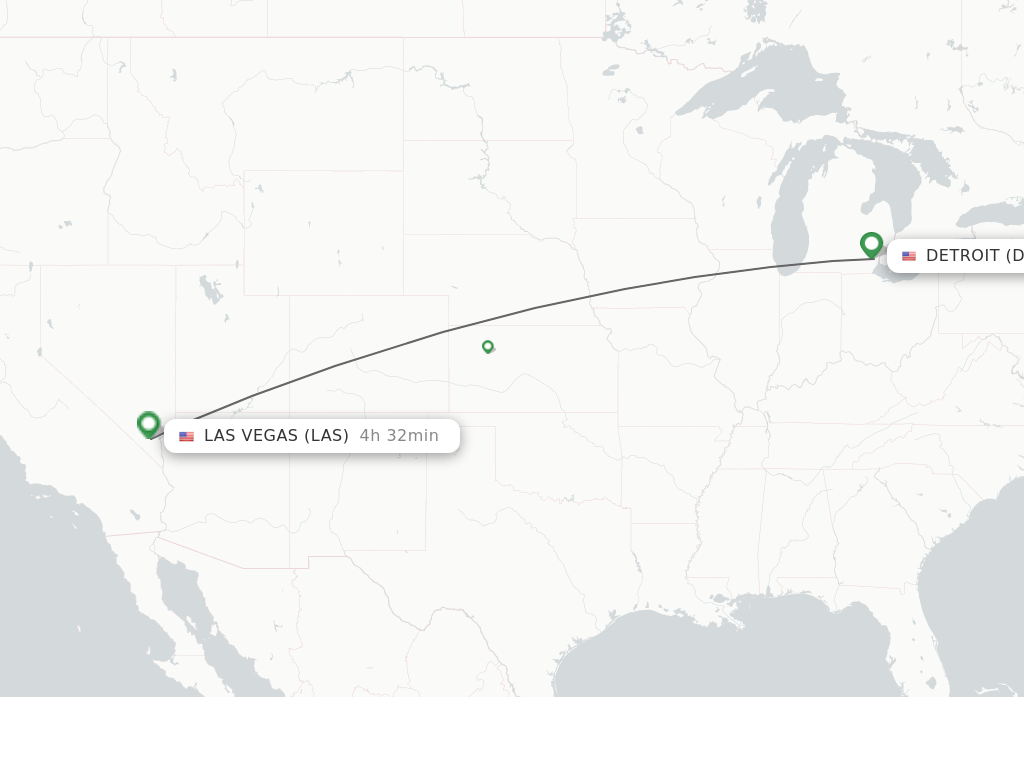
The journey from Detroit, Michigan, to Las Vegas, Nevada, is a significant domestic flight within the United States, bridging the Midwest with the West Coast. For travelers planning this popular route, understanding the duration and what influences it is crucial for effective trip planning. A direct flight, which is the most efficient way to travel between these two vibrant cities, typically takes between 4 hours and 15 minutes to 4 hours and 45 minutes in the air. However, the total travel experience extends beyond just the time spent airborne, encompassing everything from airport procedures to navigating time zone changes.
Understanding Flight Duration: The Detroit to Vegas Route
The direct flight path covers an aerial distance of approximately 1,750 to 1,800 miles, connecting Detroit Metropolitan Wayne County Airport (DTW) with Harry Reid International Airport (LAS). This distance, coupled with standard commercial aircraft cruising speeds, sets the baseline for the flight duration. Most major carriers offer non-stop service, recognizing the demand for swift travel to Las Vegas, a premier destination for leisure and business.
One of the most significant factors influencing the perceived length of the journey is the time zone difference. Detroit operates on Eastern Standard Time (EST), while Las Vegas observes Pacific Standard Time (PST). This means there’s a three-hour time difference between the two cities. When flying west, travelers gain three hours, which can make the journey feel shorter than its actual duration. For instance, a flight departing Detroit at 9:00 AM EST and landing four and a half hours later would arrive in Las Vegas at approximately 10:30 AM PST. While the clock shows a seemingly quick turnaround, the body still experiences the full duration of the flight, requiring adjustment to the new local time upon arrival. This phenomenon can be a blessing for those looking to maximize their first day in Vegas but also requires careful consideration for managing potential jet lag.
Factors Influencing Flight Times
While the average flight time provides a good estimate, several variables can cause the actual duration to fluctuate. These factors are often beyond the traveler’s control but are important to be aware of when planning.
The Impact of Wind Patterns
One of the most significant natural influences on flight duration is wind. Flights traveling west across the United States often contend with prevailing headwinds, which can slow down the aircraft and add time to the journey. Conversely, strong tailwinds can provide a significant boost, potentially shaving 15 to 30 minutes off the estimated flight time. The route from Detroit to Las Vegas typically involves flying over diverse geographical features, including the vast plains and sometimes the fringes of the Rocky Mountains, where wind conditions can vary considerably. Pilots and air traffic controllers account for these factors, but unexpected strong winds can still alter the actual flight path and speed.
Airspace Congestion and Route Optimizations
Air traffic control (ATC) plays a pivotal role in managing the flow of aircraft across the country. High traffic volumes, particularly around busy hubs like Detroit Metropolitan Wayne County Airport or Harry Reid International Airport, can necessitate holding patterns or slight deviations from the most direct flight path. Weather phenomena, such as thunderstorms or fog, at either the departure or arrival airport, or even along the flight route, can also lead to rerouting or delays. Airlines continually optimize their routes for fuel efficiency and speed, but safety and air traffic management always take precedence, which can sometimes extend the flight time. The type of aircraft used by the airline can also have a minor impact, with newer, more fuel-efficient jets sometimes being able to maintain higher cruising speeds or more direct routes, though for domestic flights of this length, the difference is often negligible for the passenger.
Choosing Your Flight: Direct vs. Connecting
When planning a trip from Detroit to Vegas, travelers typically have two primary options: a direct flight or a connecting flight. Each comes with its own set of advantages and considerations regarding total travel time and overall experience.
Balancing Cost and Convenience
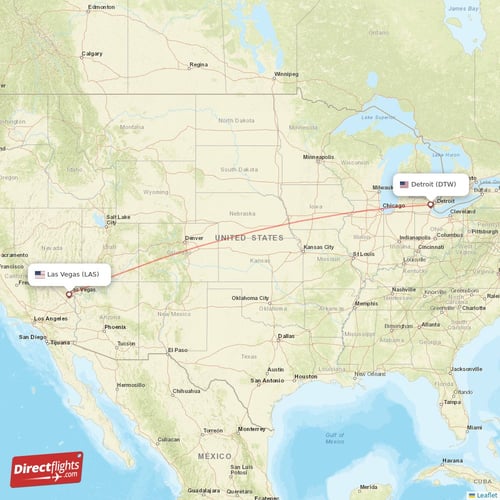
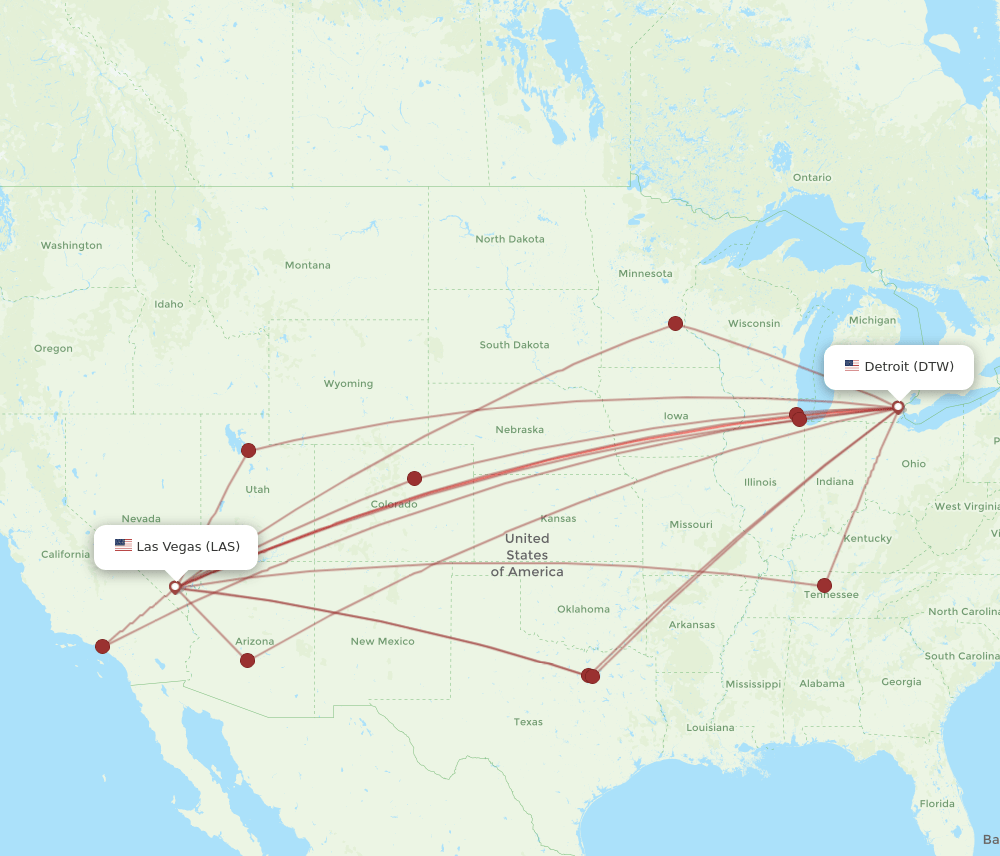
Direct Flights: As established, direct flights are the quickest option, putting you in Las Vegas in approximately 4 hours and 15 minutes to 4 hours and 45 minutes of air time. Airlines such as Southwest Airlines, Delta Air Lines, Spirit Airlines, Allegiant Air, and Frontier Airlines often operate direct services on this route. The main advantages include minimized travel time, reduced risk of delays due to connections, and less hassle with luggage. However, direct flights can sometimes be more expensive, especially during peak travel seasons, and might offer fewer schedule options compared to connecting routes. For travelers prioritizing speed and convenience, a direct flight is almost always the preferred choice.
Connecting Flights: While direct flights are generally preferred, connecting flights are a viable alternative that can sometimes offer cost savings or more flexible departure times. However, they significantly increase the total travel duration. A connecting flight involves one or more layovers at an intermediate airport, common hubs for flights between Detroit and Las Vegas include Chicago, Denver, Dallas, or Atlanta.
Navigating Layover Logistics
The total travel time for a connecting flight is the sum of the individual flight segments plus the duration of the layover(s). A typical layover can range from 1 to 3 hours, but some itineraries might have longer waits. This means a connecting flight could easily extend your total journey time to 8, 10, or even 12+ hours. While this adds considerable time, it can be a good option for budget-conscious travelers or those who prefer breaking up a longer journey. When opting for a connecting flight, it’s wise to consider the minimum connection time recommended by the airline and ensure there’s enough buffer to account for potential delays in the first segment, especially if changing terminals or airlines. A longer layover can also offer an opportunity to stretch your legs, grab a meal, or even explore a bit of the connecting city if the layover is substantial enough and located in an interesting airport or city, although this is more common for international travel than domestic.
Preparing for Your Journey: Airports and Logistics
The flight itself is just one component of the travel experience. Efficient preparation for airport procedures and understanding the logistics at both ends can significantly enhance your journey from Detroit to Vegas.
Streamlining Airport Procedures
Departure from Detroit Metropolitan Wayne County Airport: As a major hub in the Midwest, DTW can experience periods of high traffic. It’s generally recommended to arrive at the airport at least two hours before a domestic flight’s scheduled departure time. This allows ample time for checking in, dropping off luggage (if applicable), navigating security checkpoints, and reaching your gate without undue stress. Security wait times can vary widely based on the time of day, day of the week, and peak travel seasons. Utilizing services like TSA PreCheck or CLEAR can significantly expedite the security process. Boarding typically begins 30-45 minutes before departure, so being near your gate well in advance is advisable.
Arrival at Harry Reid International Airport: Las Vegas’s airport is renowned for its efficiency and proximity to the city’s main attractions. Upon deplaning, travelers will proceed to baggage claim, if necessary. Harry Reid International Airport offers numerous ground transportation options directly from the terminals, including taxis, rideshare services (Uber/Lyft), and various shuttle services that often provide direct routes to hotels on the Las Vegas Strip or downtown. Researching and pre-booking your ground transportation can save time and potential hassle upon arrival, allowing for a smoother transition from air travel to enjoying your destination.
The Time Zone Transition
The three-hour time difference between Eastern Standard Time and Pacific Standard Time is a critical consideration for travelers. Flying west, you effectively gain three hours, which can initially feel beneficial. For example, departing Detroit at noon EST and landing four and a half hours later means arriving in Las Vegas at 1:30 PM PST, leaving a substantial portion of the day free for activities. However, your internal clock, operating on EST, will perceive it as 4:30 PM, potentially leading to a feeling of early fatigue or an unusual dinner time. To mitigate jet lag, consider adjusting your sleep schedule slightly in the days leading up to your flight, staying hydrated during the journey, and exposing yourself to natural light upon arrival in Las Vegas to help reset your circadian rhythm.
Maximizing Your Las Vegas Experience After Landing
Once your flight from Detroit touches down in Las Vegas, the focus shifts from the journey to the destination. With the travel time behind you, efficient planning for your immediate post-flight activities will set a positive tone for your trip.
After collecting your baggage, choosing the right ground transportation is key to a smooth arrival. Rideshare services are readily available and provide a convenient door-to-door option for most Las Vegas Strip hotels. Taxis are also plentiful, and shuttle services can be a more economical choice, though they may make multiple stops. Depending on your accommodation, a quick check of your hotel’s specific shuttle availability can save you time and money.
Upon reaching your hotel, be prepared for potentially busy check-in lines, especially during peak hours or weekends, as many Las Vegas properties are exceptionally large. Having your booking confirmation and identification readily accessible will help expedite the process. Once settled, consider how the accumulated travel time and the three-hour time difference might affect your initial plans. While the thrill of Las Vegas might tempt you to immediately dive into the city’s vibrant offerings, a brief period to refresh, perhaps a light meal, or even a short nap, can make a significant difference in how you experience your first evening. By intelligently managing the transition from air travel to leisure, you ensure that the excitement of Las Vegas is met with your full energy and enthusiasm.
LifeOutOfTheBox is a participant in the Amazon Services LLC Associates Program, an affiliate advertising program designed to provide a means for sites to earn advertising fees by advertising and linking to Amazon.com. Amazon, the Amazon logo, AmazonSupply, and the AmazonSupply logo are trademarks of Amazon.com, Inc. or its affiliates. As an Amazon Associate we earn affiliate commissions from qualifying purchases.