
For travelers standing on the shores of Waikiki, the vast expanse of the Pacific Ocean serves as both a beautiful horizon and a bridge to the Far East. The journey from Hawaii to Japan is one of the most popular transpacific routes in the world, connecting the tropical allure of the United States to the rich cultural tapestry of Asia. Whether you are planning a pilgrimage to the temples of Kyoto or a high-tech adventure in Tokyo, understanding the nuances of this flight is the first step in a successful international expedition.

The Logistics of Crossing the Pacific: Flight Times and Distances
The geographical distance between Honolulu and Tokyo is approximately 3,800 miles. While this may sound daunting, it is significantly shorter than flights departing from the West Coast of North America. However, the duration of the flight is not a fixed number; it is influenced by atmospheric conditions, the specific destination city within the Japanese archipelago, and the direction of travel.
Westbound vs. Eastbound Durations
When traveling from Hawaii to Japan, you are flying “Westbound.” This leg of the journey typically takes longer because the aircraft must fly against the prevailing jet streams—high-altitude winds that blow from west to east. A direct flight from Daniel K. Inouye International Airport to Narita International Airport usually clocks in between 8 hours and 30 minutes to 9 hours and 45 minutes.
Conversely, the return trip “Eastbound” is notably faster. Carried by those same jet streams, the aircraft can often shave off significant time. A flight returning from Haneda Airport to Honolulu might take as little as 7 hours to 8 hours. Travelers should be mindful that these times are estimates; winter months often bring stronger winds, which can extend Westbound travel times while accelerating Eastbound returns.
The International Date Line Factor
One of the most unique aspects of this travel route is crossing the International Date Line. When you depart from Oahu on a Friday morning, you will land in Japan on Saturday afternoon. You essentially “lose” a day in transit. However, on the return leg, you “gain” that time back. It is not uncommon for travelers to depart Japan in the evening and land in Hawaii on the morning of the same day they left, sometimes arriving “before” their departure time according to the clock.
Major Airlines and Route Options for Travelers
The air corridor between these two destinations is highly competitive, which is a major win for travelers. Because Hawaii is a premier vacation spot for Japanese citizens and Japan is a top-tier destination for Hawaii residents, several world-class carriers operate multiple daily flights.
Premium Full-Service Carriers
Hawaiian Airlines is the flagship carrier of the islands and offers a distinct “Aloha Spirit” from the moment you board. Their routes connect Honolulu and Kona to several Japanese hubs. For those seeking the pinnacle of Japanese hospitality, Japan Airlines and All Nippon Airways (ANA) provide exceptional service. All Nippon Airways is particularly famous on this route for its “Flying Honu” Airbus A380s—massive aircraft painted to look like Hawaiian sea turtles, specifically designed for the Honolulu route.
Other major carriers include United Airlines and Delta Air Lines, which often cater to passengers connecting from the mainland United States. These airlines offer various cabin classes, from basic economy to luxurious lie-flat suites, making the 8-to-10-hour journey much more comfortable.
Emerging Low-Cost Options
In recent years, the market has expanded to include budget-friendly alternatives. Zipair, a subsidiary of Japan Airlines, has revolutionized the route by offering low-cost, long-haul service. While amenities like meals and checked bags come at an extra cost, the base fares allow more travelers to experience Japan without the premium price tag. Similarly, Air Japan has begun carving out its space, providing more flexibility for the budget-conscious traveler.
Essential Hubs: From Honolulu to the Heart of Japan
While Honolulu is the primary jumping-off point, the destination you choose in Japan will dictate your flight time and your initial experience of the country.
Tokyo: Narita vs. Haneda
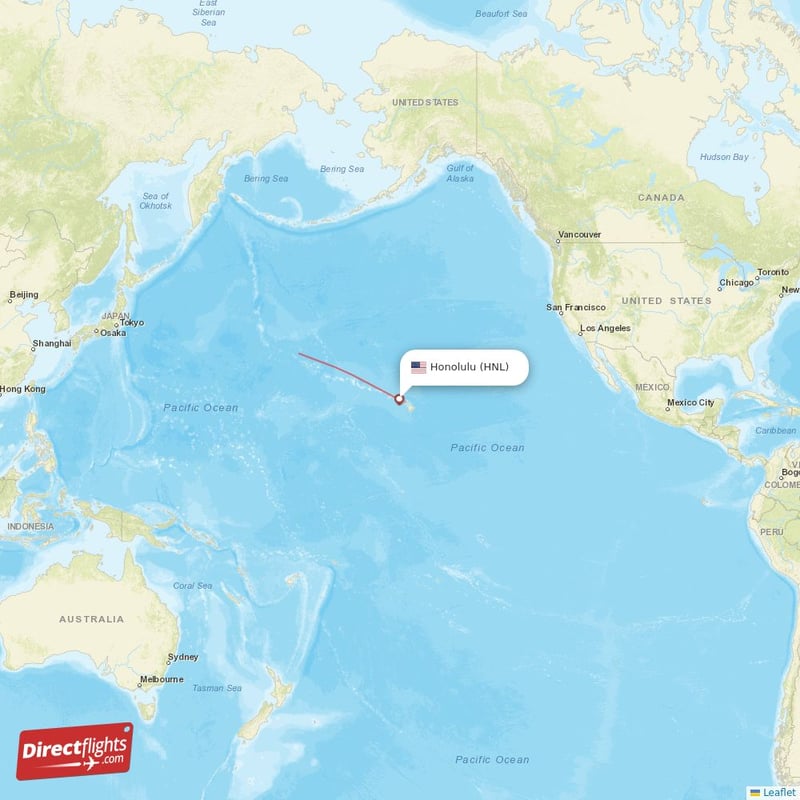
Most travelers will land in the capital city of Tokyo. Narita International Airport is located further from the city center but serves as the primary hub for many international arrivals. The flight time from Hawaii to Narita International Airport is the standard 8.5 to 9.5 hours.
Haneda Airport, on the other hand, is located much closer to downtown Tokyo, often saving travelers an hour of ground transport time. Flights to Haneda Airport are highly sought after and often command a slight premium.
Regional Gateways: Osaka, Fukuoka, and Beyond
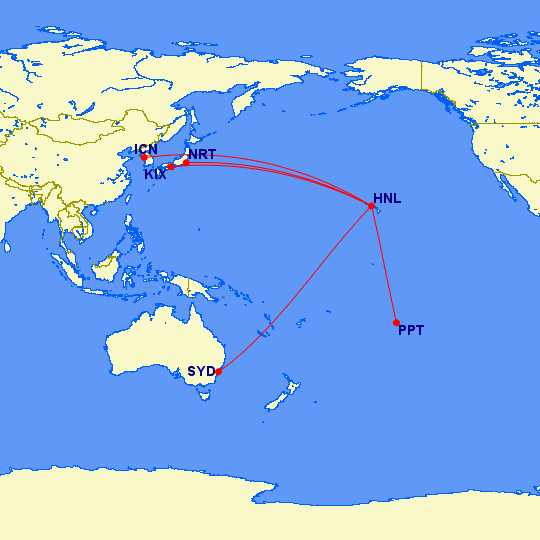
Travelers looking to explore western Japan may opt for a direct flight to Kansai International Airport, which serves Osaka, Kyoto, and Nara. This flight is slightly longer than the Tokyo route, often adding another 20 to 30 minutes of air time.
Seasonal or specialized routes sometimes exist for Fukuoka on Kyushu island or Nagoya via Chubu Centrair International Airport. For those chasing the winter snow, direct flights occasionally link Honolulu to New Chitose Airport in Sapporo, though many travelers choose to connect through Tokyo.
Practical Travel Advice for Your Transpacific Journey
A flight of this length requires preparation to ensure you arrive feeling refreshed and ready to explore landmarks like Mount Fuji or the bustling streets of Shibuya.
Managing Jet Lag
The time difference between Hawaii and Japan is 19 hours (effectively 5 hours “ahead” but on the following day). To combat jet lag, experts suggest adjusting your sleep schedule a few days before departure. Once onboard, set your watch to Japan time and try to sleep according to the destination’s night cycle. Staying hydrated is crucial, as cabin air is notoriously dry.
Packing for Two Climates
If you are departing from Maui or Kauai, you are likely dressed for tropical weather. However, Japan experiences four distinct seasons. If you are traveling to Hokkaido in the winter or Tokyo in the autumn, ensure you have layers accessible in your carry-on luggage. Even in the summer, Japan can be incredibly humid, requiring breathable fabrics similar to those worn in the islands.
Documentation and Entry
Before heading to the Daniel K. Inouye International Airport, ensure your passport has at least six months of validity. Most United States citizens do not require a visa for short-term tourism in Japan, but it is always wise to check the latest requirements from the Ministry of Foreign Affairs of Japan. Utilizing digital platforms like Visit Japan Web can also speed up your customs and immigration process upon arrival.
Cultural Synergy: Why This Route is a Traveler’s Favorite
The connection between Hawaii and Japan goes far deeper than just flight paths. There is a profound cultural synergy that makes this specific travel experience unique. Many Hawaii residents have ancestral roots in Japan, leading to a high volume of “VFR” (Visiting Friends and Relatives) travel.
Shared Heritage and Gastronomy
For travelers, this synergy is most visible in the food. The influence of Japanese cuisine on the Big Island and throughout Hawaii is immense. When you land in Japan, you will find a reciprocal appreciation for Hawaiian culture, with pancake houses and Hula studios dotted throughout Tokyo and Yokohama. This mutual respect makes the transition between the two locales feel surprisingly seamless.
The Perfect Multi-Destination Trip
For those traveling from the mainland United States or Europe, using Hawaii as a stopover on the way to Japan is a brilliant travel strategy. It breaks up the massive journey into two manageable segments. Spending a few days in Honolulu allows your body to adjust to a new time zone before taking the final leap across the Pacific Ocean to the Land of the Rising Sun.
Whether you are flying for business or leisure, the flight from Hawaii to Japan is a gateway to adventure. While the 8-to-10-hour duration is a significant commitment, the transition from the golden sands of the islands to the neon lights and ancient shrines of Japan is one of the most rewarding experiences a traveler can have. By choosing the right airline, understanding the winds, and preparing for the time jump, you can turn this transpacific crossing into a highlight of your travel life.
LifeOutOfTheBox is a participant in the Amazon Services LLC Associates Program, an affiliate advertising program designed to provide a means for sites to earn advertising fees by advertising and linking to Amazon.com. Amazon, the Amazon logo, AmazonSupply, and the AmazonSupply logo are trademarks of Amazon.com, Inc. or its affiliates. As an Amazon Associate we earn affiliate commissions from qualifying purchases.