
For individuals exploring long-term accommodation options, considering investment properties, or establishing a permanent residence in the Sunshine State, understanding the nuances of property ownership in Florida is paramount. While many focus on booking luxury Florida resorts or finding the perfect vacation rental, some go a step further, delving into property acquisition. Among the various legal instruments governing real estate transfers, the quit claim deed often surfaces, particularly in specific scenarios. It’s a document that, while seemingly straightforward, carries significant implications for property owners and those looking to secure their accommodation arrangements in Florida. Grasping its purpose, advantages, and limitations is crucial for navigating the Florida real estate landscape responsibly.
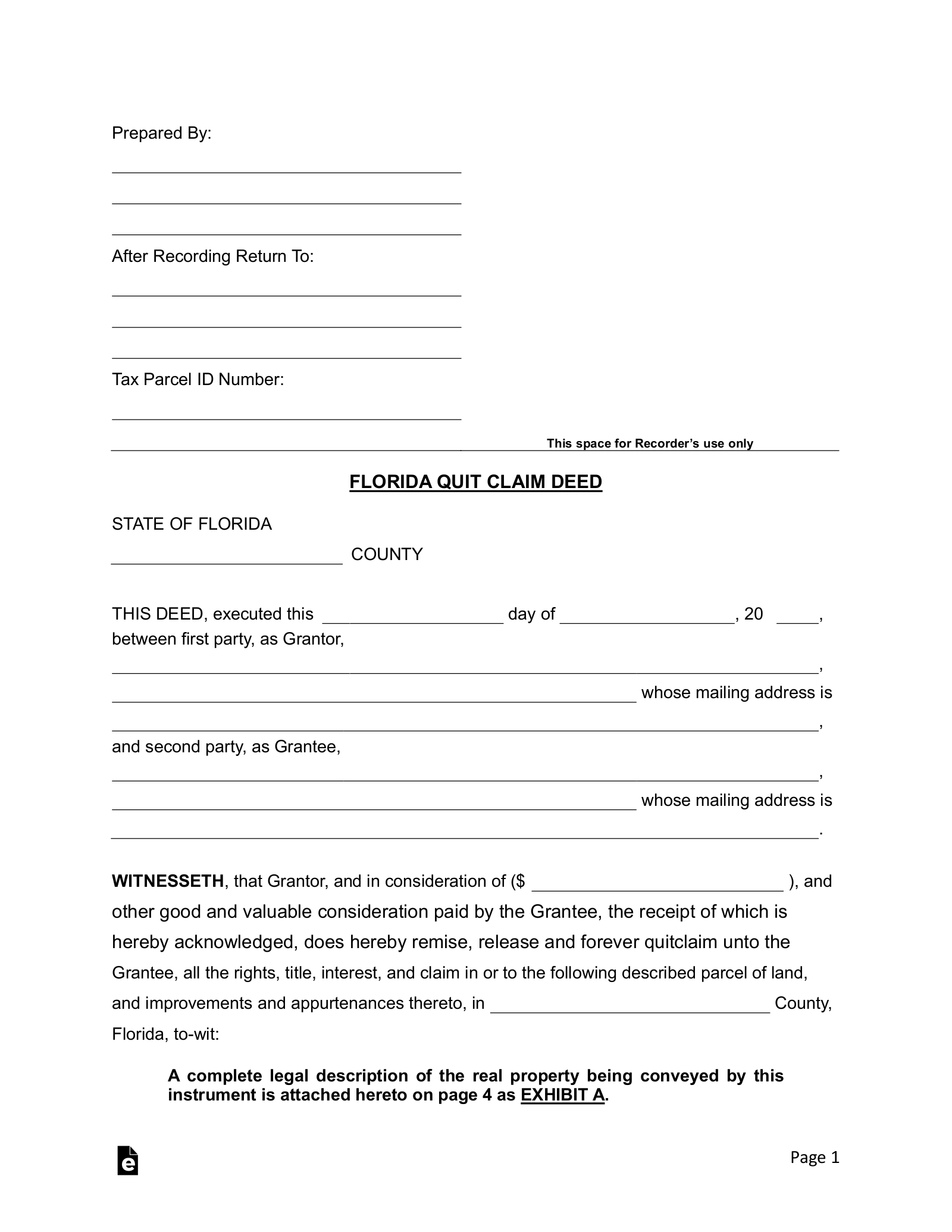
Understanding Property Transfers for Florida Accommodation
The allure of Florida for long-term stays, be it for retirement, a seasonal retreat, or a new family home, often leads individuals to explore property ownership. Unlike transient hotel stays or short-term vacation rentals, owning property offers a sense of permanence and potential investment return. However, property transfer isn’t always a simple sale-and-purchase agreement involving a warranty deed. Sometimes, a quit claim deed becomes the appropriate tool, particularly in situations where the title history is well-known to the parties involved, or when the transfer is not an arm’s length transaction.
The Role of Deeds in Property Ownership
A deed is a legal document that transfers ownership of real property from one party to another. It’s the tangible evidence of who holds the legal title to a piece of land and any structures on it, such as a family home, a rental villa, or a condo for a long-term stay. In Florida, as in most states, different types of deeds offer varying levels of protection to the grantee (the person receiving the property). The most common type for typical real estate sales is a warranty deed, which guarantees that the grantor (the person transferring the property) holds clear title and has the right to transfer it, free from encumbrances.
The quit claim deed, by contrast, offers no such guarantees. It merely conveys whatever interest the grantor has in the property at the time of the transfer. This distinction is critical for anyone considering property as a form of accommodation, whether it’s their primary residence, a vacation home in Miami, or an investment property in Orlando intended for rental income. Without understanding this difference, a seemingly beneficial property transfer could lead to significant future complications, potentially jeopardizing one’s long-term accommodation plans.
Why a Quit Claim Deed Might Appear in Florida Property Transactions
Given its lack of title guarantees, it might seem counterintuitive that a quit claim deed is used at all, especially in a bustling real estate market like Florida’s. However, its utility lies precisely in its simplicity and the specific circumstances it’s designed for. These often involve transfers between related parties or situations where the grantee is already aware of potential title issues and accepts the risk.
For example, a parent might use a quit claim deed to transfer a vacation home to a child, ensuring their long-term accommodation in a beloved family retreat. Spouses might use it to transfer property between themselves, perhaps during a divorce settlement, dividing shared accommodation assets. It’s also common for resolving minor title discrepancies or removing an heir from a property title to facilitate a clearer chain of ownership. In these cases, the parties typically have a pre-existing relationship and a mutual understanding of the property’s history, making the comprehensive guarantees of a warranty deed less necessary or desirable. Therefore, while not suitable for all accommodation-related property acquisitions, it holds a vital place in specific Florida property scenarios.
The Mechanics of a Florida Quit Claim Deed
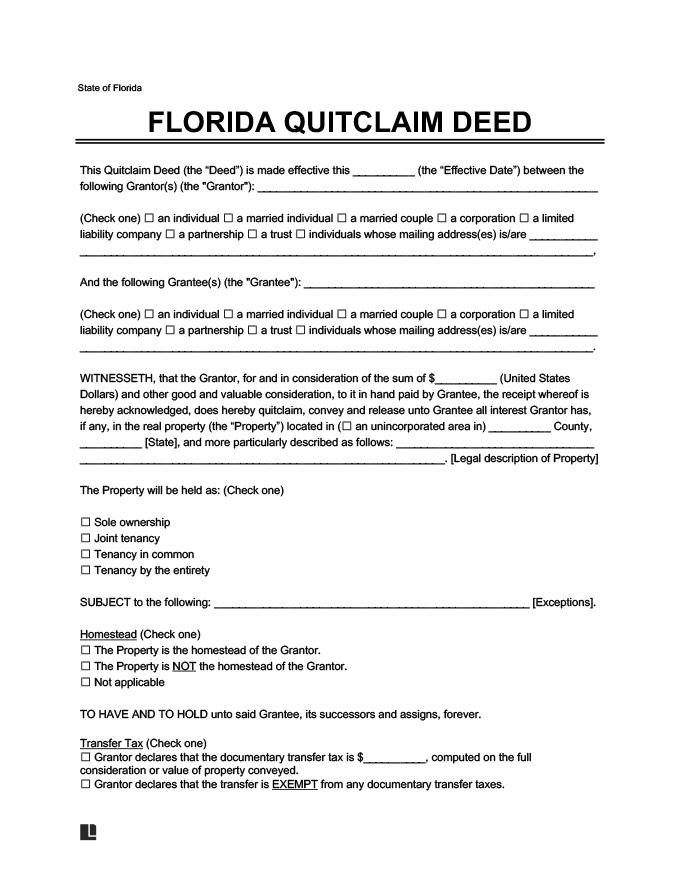
At its core, a quit claim deed is a legal instrument used to transfer an interest in real property. In Florida, it functions similarly to how it does in other states, adhering to specific legal requirements to be valid and enforceable. The fundamental characteristic that sets it apart from other deeds is its lack of warranties. The grantor simply “quits” any “claim” they may have to the property in favor of the grantee. This does not mean the grantor has a valid claim; it just means they are transferring whatever interest they might have.
Parties Involved: Grantor and Grantee
Every quit claim deed involves two principal parties:
- The Grantor: This is the individual or entity currently holding an interest in the property and who is transferring that interest. The grantor’s name, mailing address, and marital status (if applicable) must be clearly stated on the deed.
- The Grantee: This is the individual or entity receiving the interest in the property. Like the grantor, the grantee’s full name and mailing address are essential for the deed to be legally sound. For individuals acquiring property for accommodation, the grantee is the future occupant or owner, whether it’s a family home in Tampa or a rental unit in St. Petersburg.
It’s important to note that the grantor in a quit claim deed does not typically warrant that they even own the property, only that they are transferring whatever interest they do possess. This means if the grantor has no ownership interest, the grantee receives nothing. This is a crucial point for understanding the risks involved, particularly if the property is intended for significant long-term accommodation or investment.
Key Elements and Requirements for a Valid Florida Quit Claim Deed
For a quit claim deed to be legally effective in Florida, it must meet several stringent requirements:
- Written Form: All deeds must be in writing.
- Legal Description: The deed must contain an accurate and unambiguous legal description of the property being transferred. This typically includes lot and block numbers, subdivision names, or metes and bounds descriptions. An incorrect description can invalidate the transfer.
- Grantor’s Signature: The grantor must sign the deed. If there are multiple grantors (e.g., co-owners), all must sign.
- Witnesses: In Florida, the grantor’s signature must be attested by two subscribing witnesses.
- Notarization: The grantor’s signature must be acknowledged before a notary public.
- Acceptance by Grantee: While not always explicitly stated on the deed, the grantee must accept the transfer.
- Recording: To provide public notice of the transfer and protect the grantee’s interest against future claims, the quit claim deed must be recorded with the Clerk of the Circuit Court in the county where the property is located. Recording is not strictly necessary to transfer the property between the parties, but it is essential to establish the grantee’s claim against third parties. This step is particularly vital for anyone seeking clear title for their chosen accommodation, as it places the ownership change on the public record.
Failing to meet any of these requirements can render the deed invalid or create significant title issues that could plague future owners, impacting the security of one’s accommodation arrangements.
Common Scenarios for Using a Quit Claim Deed in Florida
Despite its lack of warranties, the quit claim deed is a valuable tool in specific Florida real estate contexts, often tied to family matters, divorce, or resolving minor title imperfections. Understanding these scenarios helps illustrate why this deed, rather than a warranty deed, might be the preferred choice for certain accommodation-related property transfers.
Transferring Property Between Family Members
One of the most frequent uses of a quit claim deed in Florida is for intra-family transfers. For instance, a parent might want to add a child to the deed of their family home or vacation property in Fort Lauderdale, making it easier to pass on the accommodation without going through probate. Similarly, a property owner might transfer a fractional interest in a long-term rental property to a relative. In these cases, the parties typically trust each other and have an intimate understanding of the property’s title history, making the guarantees of a warranty deed less critical. The goal is often to simplify estate planning, minimize taxes, or facilitate shared ownership of a family asset that provides accommodation.
Correcting Title Defects or Clearing a Cloud on Title
Occasionally, minor errors appear in a property’s chain of title. These “clouds on title” can prevent a clear sale or refinance, impacting the stability of one’s accommodation ownership. A quit claim deed can be used to resolve these issues. For example, if a previous owner’s name was misspelled on an old deed, or if an ex-spouse was never formally removed from a property deed following a divorce, a quit claim deed from the individual with the incorrect name or the ex-spouse can effectively “quit” their interest, thus clearing the title. This ensures that the current owners have undisputed rights to their accommodation.
Gifting Property
When property is given as a gift—for example, a grandparent gifting a beachfront condo in Sarasota to a grandchild for their future long-term stay—a quit claim deed is often used. Since no money is exchanging hands, the lack of warranties is less of a concern for the grantor, and the grantee is typically accepting the property “as is” with knowledge of its history. This is a simple and cost-effective way to transfer property ownership in a non-commercial context.
Divorce Settlements
In divorce proceedings in Florida, a quit claim deed is routinely used to transfer ownership of marital property. If one spouse is awarded the family home (the primary accommodation), the other spouse will often sign a quit claim deed to formally relinquish their interest in the property, transferring it entirely to the spouse who is retaining the home. This legalizes the property division outlined in the divorce decree, ensuring clear title for the remaining owner.
Not for Arm’s Length Sales
It is paramount to reiterate that a quit claim deed is generally not appropriate for an arm’s length transaction, where a buyer and seller are unrelated and acting independently. In such commercial sales, buyers expect and require the protections offered by a warranty deed, ensuring clear title and recourse if issues arise. Using a quit claim deed in a standard property sale for accommodation could expose the buyer to significant risks, including inheriting existing liens, encumbrances, or even discovering the grantor never truly owned the property. Always seek professional advice when purchasing property for accommodation in Florida.
Risks and Limitations for Florida Property Buyers/Owners
While quit claim deeds serve useful purposes in specific situations, their inherent limitations carry substantial risks, particularly for grantees who are not fully aware of what they are receiving. For anyone considering a Florida property as long-term accommodation or an investment, understanding these risks is crucial.
No Warranties of Title
The most significant limitation of a quit claim deed is the absence of any warranties regarding the property’s title. When you receive property via a quit claim deed, the grantor makes no promises that:
- They actually own the property.
- The property is free from liens, mortgages, or other encumbrances (such as unpaid taxes, judgments, or easements).
- They have the legal right to transfer the property.
Essentially, you are receiving whatever interest the grantor might have, without any guarantee that it is a valid or clear interest. This stark contrast with a warranty deed, which explicitly guarantees clear title, can leave a grantee exposed to significant legal and financial vulnerabilities. Imagine investing in a dream vacation home in Naples only to discover later, via a quit claim deed, that there’s a substantial lien from a previous owner, or worse, that the grantor didn’t legally own the property to begin with.
Potential for Future Legal Issues
The lack of title warranties means that any existing defects or “clouds” on the property title become the grantee’s problem. These issues can include:
- Unpaid Debts: Hidden liens for taxes, child support, or contractor services could surface, making the new owner responsible.
- Competing Claims: Another party might emerge with a legitimate claim to the property, potentially leading to lengthy and expensive legal battles.
- Improper Prior Transfers: If a previous transfer in the chain of title was flawed, the current grantee’s ownership could be challenged.
These legal entanglements can disrupt long-term accommodation plans, lead to foreclosure, or significantly diminish the property’s value, making it difficult to sell or refinance later.
Importance of Title Search and Insurance
Given the risks, it is highly advisable to conduct a thorough title search whenever dealing with property, even if a quit claim deed is involved. A title search investigates the public records to uncover any liens, encumbrances, or defects that might affect ownership. While a quit claim deed itself doesn’t offer protection, a comprehensive title search provides the grantee with critical information about the property’s history and potential liabilities.
Furthermore, acquiring title insurance is almost always recommended for any property transaction, regardless of the deed type. Title insurance protects the homeowner (and the lender, if applicable) against financial loss from defects in title, hidden or otherwise. While some family transfers might forgo title insurance for cost reasons, it’s a critical safeguard for significant accommodation investments.
Consulting Legal Professionals
Due to the complex nature of property law and the specific risks associated with quit claim deeds, it is imperative to consult with a qualified Florida real estate attorney before engaging in any transaction involving this type of deed. An attorney can:
- Explain the implications of the quit claim deed in your specific situation.
- Conduct a title search to identify potential issues.
- Advise on whether a quit claim deed is the appropriate instrument for your goals.
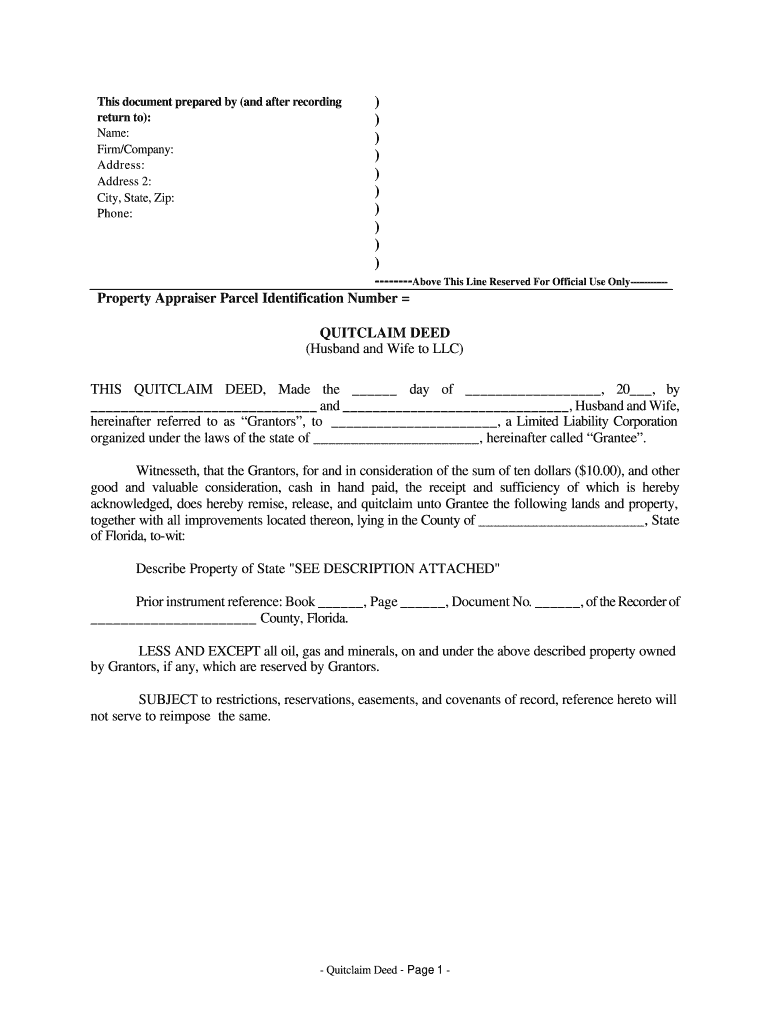
- Draft or review the deed to ensure it meets all Florida legal requirements.
Relying on generic online forms or advice for such a significant asset as your accommodation in Florida can lead to unforeseen complications and considerable financial loss. Professional legal counsel provides peace of mind and safeguards your long-term stake in Florida property ownership.
LifeOutOfTheBox is a participant in the Amazon Services LLC Associates Program, an affiliate advertising program designed to provide a means for sites to earn advertising fees by advertising and linking to Amazon.com. Amazon, the Amazon logo, AmazonSupply, and the AmazonSupply logo are trademarks of Amazon.com, Inc. or its affiliates. As an Amazon Associate we earn affiliate commissions from qualifying purchases.