
Understanding the population of the Island of Hawaii, more commonly known as the Big Island, is essential for any traveler looking to grasp the scale and cultural depth of this unique destination. While it is the largest island in the United States archipelago, its population density tells a much different story than the bustling streets of Oahu. As of recent data from the United States Census Bureau, the population of the Big Island is approximately 200,629 residents. This number represents a steady growth over the last decade, reflecting a global trend of people seeking the “Aloha Spirit” and a more profound connection with nature.
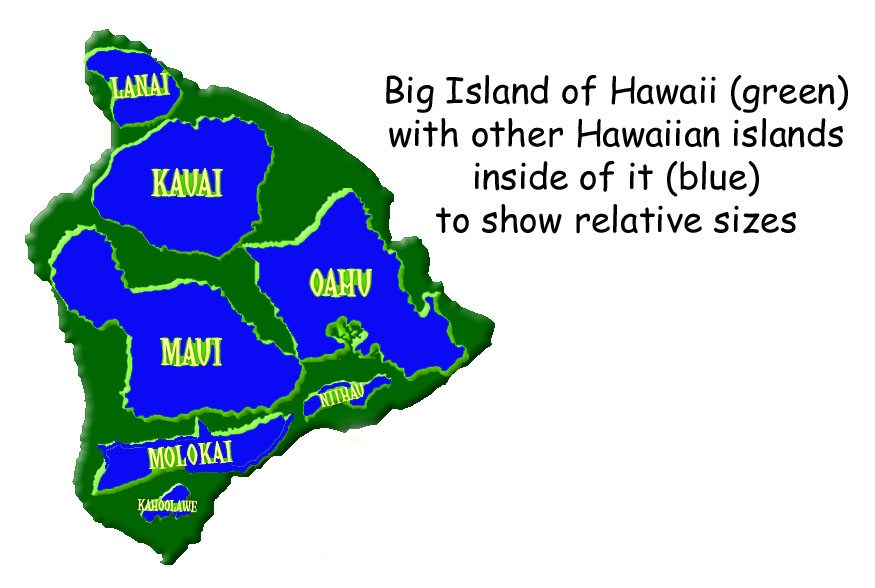
However, the raw number of residents only scratches the surface. To truly understand the Big Island, one must look at how these people are distributed across its 4,028 square miles. For visitors, this population distribution dictates everything from where the best local food is found to how much traffic one might encounter on the way to Hawaii Volcanoes National Park.
Understanding the Demographics and Growth of the Island of Hawaii
The Big Island is a land of vast contrasts, not just in its climate zones—which range from tropical rainforests to arid deserts and even sub-arctic tundra atop Mauna Kea—but also in its demographic makeup. The population is a vibrant tapestry of ethnicities, including Native Hawaiian, Asian, Caucasian, and Hispanic communities. this multicultural heritage is the backbone of the island’s tourism industry, influencing the local festivals, language, and the “plate lunch” culture that visitors adore.
Historical Context of Population Growth
Historically, the population of Hawaii was concentrated in areas with high agricultural yield. In the 19th and early 20th centuries, the sugar plantation era brought a massive influx of workers from Japan, China, the Philippines, and Portugal. This era fundamentally shaped the modern population. Today, while the plantations are gone, their descendants remain, maintaining a culture that prizes community and shared history. In recent years, the growth has been fueled by retirees from the mainland United States and remote workers who have moved to the Pacific Ocean to enjoy a slower pace of life.
The Impact of Geography on Settlement
Because the island is home to active volcanoes like Kilauea and Mauna Loa, the population is strategically settled away from high-risk rift zones. The geological reality of the island means that while it is massive, large swaths of land remain uninhabited lava fields. This creates a unique “rural” feeling even in populated districts. For the tourist, this means that while 200,000 people live here, you can drive for an hour through the Ka’u district and see more cattle than people.
Key Population Centers and Local Communities
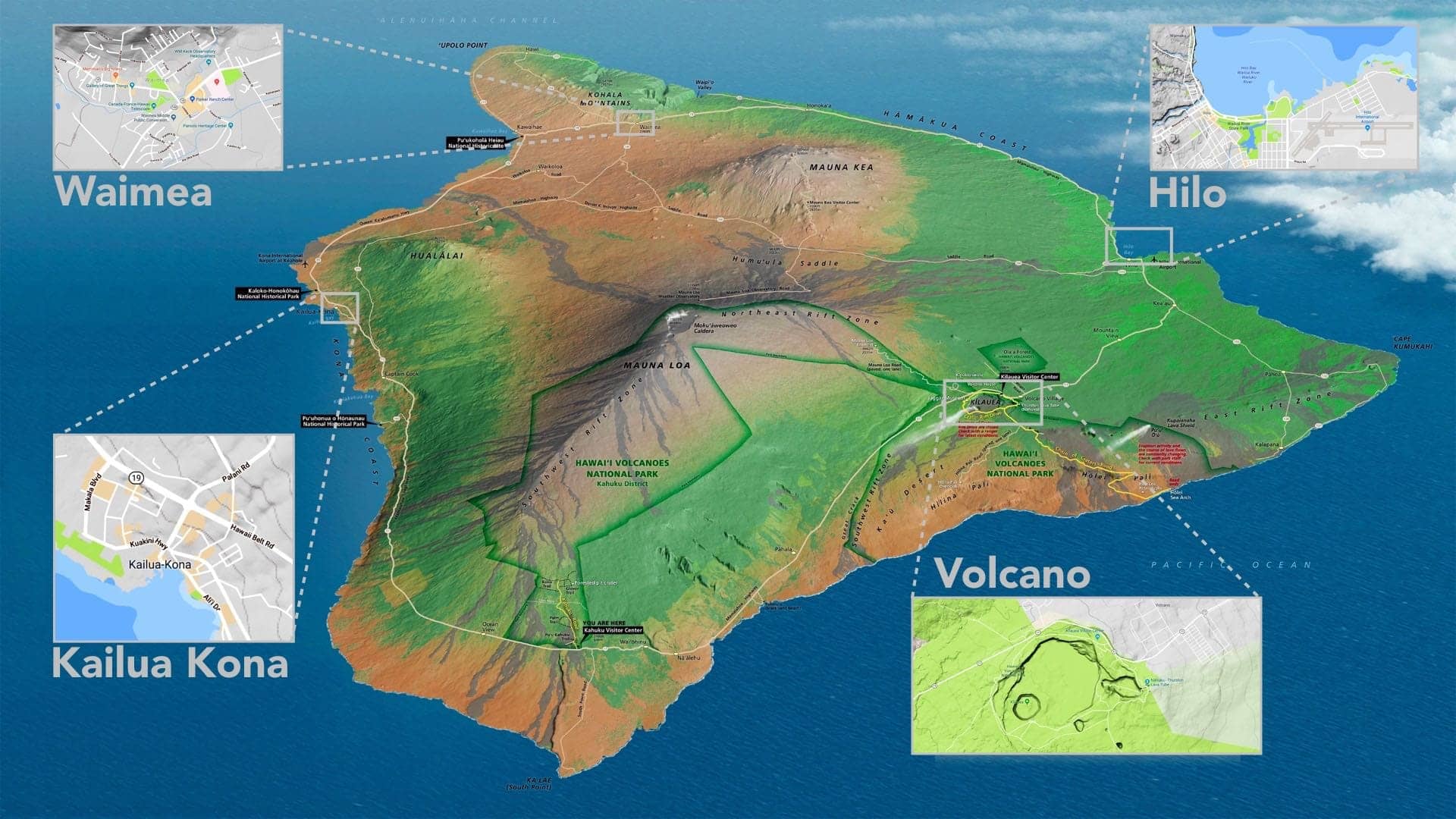
The population of the Big Island is primarily clustered around two main hubs: Hilo on the east side and Kailua-Kona on the west side. These two areas offer vastly different experiences for visitors, shaped largely by the people who live there.
Hilo: The Cultural and Rainfall Hub
Hilo is the largest city on the island and serves as the county seat. With a population of roughly 45,000 in the immediate area, it retains an “old Hawaii” feel. It is home to the University of Hawaii at Hilo, which brings a youthful, academic energy to the town. Residents of Hilo are known for their resilience and appreciation for the lush, green landscape provided by the frequent rain. For travelers, Hilo is the gateway to the Hamakua Coast and offers a more authentic, less commercialized look at island life.
Kailua-Kona: The Sunny Tourism Center
On the leeward side of the island lies Kailua-Kona. While the town itself has a smaller year-round population than Hilo, it often feels more crowded due to the high concentration of resorts and tourist activities. This is the sun-drenched side of the island, where the majority of visitors stay. The community here is a mix of hospitality professionals, entrepreneurs, and seasonal residents. Events like the Ironman World Championship bring thousands of temporary residents to the area, showcasing how the island’s infrastructure handles significant population spikes.
Smaller Enclaves: Waimea and Pahoa
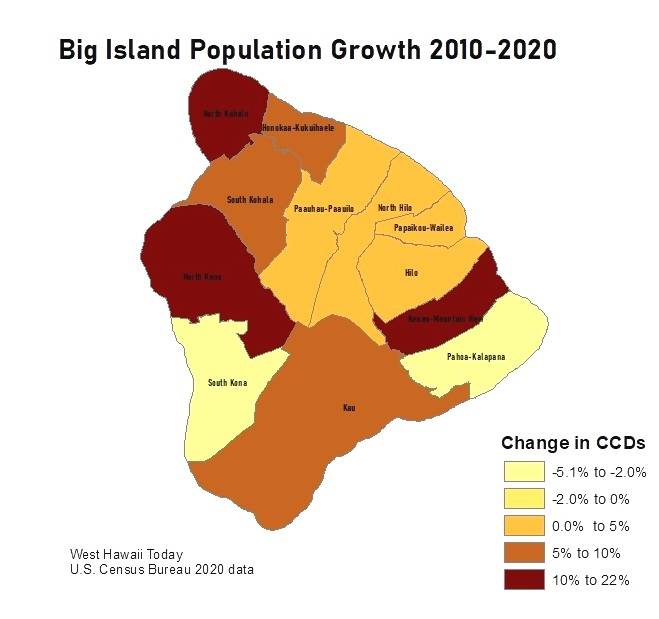
Beyond the two main hubs, several smaller communities hold significant cultural weight. Waimea, also known as Kamuela, is located in the interior highlands. It is the heart of Paniolo (Hawaiian cowboy) culture. The population here is centered around ranching and high-altitude farming. Conversely, Pahoa in the Puna district is known for its eclectic, bohemian community. These smaller towns are where visitors can find hidden gems like local farmers’ markets and independent art galleries.
The Influence of Population Density on Local Tourism and Culture
One of the most frequent comments from visitors arriving from Honolulu is how “empty” the Big Island feels. With only about 50 people per square mile—compared to over 1,500 on Oahu—the sense of space is palpable. This low population density is a major draw for tourism, offering a sense of privacy and adventure that is hard to find elsewhere in Polynesia.
Preserving Native Hawaiian Traditions
The relatively small population has allowed for a stronger preservation of Native Hawaiian traditions. In areas like Milolii or Waipio Valley, the community still practices traditional fishing and taro farming. For the respectful tourist, this provides an opportunity to learn about the “Malama Aina” (care for the land) philosophy directly from those who live it. The Merrie Monarch Festival held in Hilo is a prime example of how the local population celebrates Hula and Hawaiian culture on a world stage.
Culinary Diversity and the “Local” Experience
The demographics of the Big Island are best tasted through its food. Because the population is so diverse, the food scene is a fusion of flavors. You might find a traditional Japanese bento box at a local shop in Honokaa or a Filipino adobo in Keaau. The “locavore” movement is strong here, with residents prioritizing products from Big Island farms. Visitors benefit from this local pride by having access to some of the freshest coffee in the world from the Kona Coffee Belt.
Life on the Island: The Resident Experience for Visitors
To understand the population is to understand the logistics of living on an island in the middle of the Pacific Ocean. For residents, life involves a high cost of living, as most goods are shipped in via the Port of Hilo or Kawaihae Harbor. This reality fosters a culture of resourcefulness and community support.
The Dynamics of Island Traffic and Infrastructure
While the population is small, the infrastructure is limited. Most of the island is connected by a single main belt road. In areas like North Kona or the commute from Puna to Hilo, traffic can be surprisingly heavy during rush hours. Travelers should be mindful of these local patterns. Understanding that the person in the car next to you is likely a resident heading to work or school helps maintain the “Aloha” spirit on the road.
Sustainable Tourism and the Resident Perspective
With 200,000 residents hosting over 1.5 million visitors annually, there is a delicate balance to maintain. Residents of the Big Island are generally very welcoming, but they also prioritize the protection of their natural resources. Overcrowding at popular spots like Punaluu Black Sand Beach or Kealakekua Bay can strain local patience. Tourism tips for this island often emphasize “treading lightly”—staying on marked trails, using reef-safe sunscreen, and respecting “No Trespassing” signs on private or sacred lands.
The Impact of Modernity: Digital Nomads and Technology
In recent years, the Big Island has seen an increase in its “transient” population—people who live on the island for a few months at a time. This trend has been bolstered by the presence of world-class scientific facilities like the W. M. Keck Observatory and other telescopes on Mauna Kea. The scientific community adds a layer of intellectual diversity to the population, making the Big Island a unique hub where ancient culture meets cutting-edge space exploration.
Conclusion: Why the Population Size Matters for Travelers
Knowing that about 200,000 people live on the Big Island changes the perspective of a visitor. It isn’t just a vacation playground; it is a living, breathing community with a deep history and a complex future. The low population density offers the luxury of solitude, while the concentrated hubs of Hilo and Kailua-Kona provide the amenities and cultural richness that make a trip memorable.
When you visit South Kohala or explore the heights of Mauna Loa, you are stepping into a space where the residents are the stewards. Understanding the people of the Big Island allows for a more immersive and respectful travel experience. Whether you are chatting with a local vendor at the Hilo Farmers Market or learning about King Kamehameha I from a resident guide, the human element of the Island of Hawaii is its most valuable asset. The population may be small compared to its landmass, but the heart and culture of the people who call this island home are as expansive as the Pacific Ocean itself.
LifeOutOfTheBox is a participant in the Amazon Services LLC Associates Program, an affiliate advertising program designed to provide a means for sites to earn advertising fees by advertising and linking to Amazon.com. Amazon, the Amazon logo, AmazonSupply, and the AmazonSupply logo are trademarks of Amazon.com, Inc. or its affiliates. As an Amazon Associate we earn affiliate commissions from qualifying purchases.