
Arizona, often dubbed the “Grand Canyon State,” is synonymous with sun-drenched landscapes and a climate that varies dramatically across its vast expanse. Understanding the temperature in Arizona is not a monolithic question, as the state encompasses diverse geographical regions, from the scorching deserts of the south to the cooler, higher elevations of the north. This guide will delve into the climatic nuances of Arizona, helping prospective travelers and residents alike to anticipate and appreciate the state’s thermal tapestry.
Understanding Arizona’s Diverse Climates
Arizona’s climate is a study in contrasts, primarily dictated by elevation. The state can be broadly divided into two main climatic zones: the low desert and the mountain regions. Each experiences distinct temperature ranges, precipitation patterns, and seasonal shifts.

The Low Desert: A Realm of Extremes
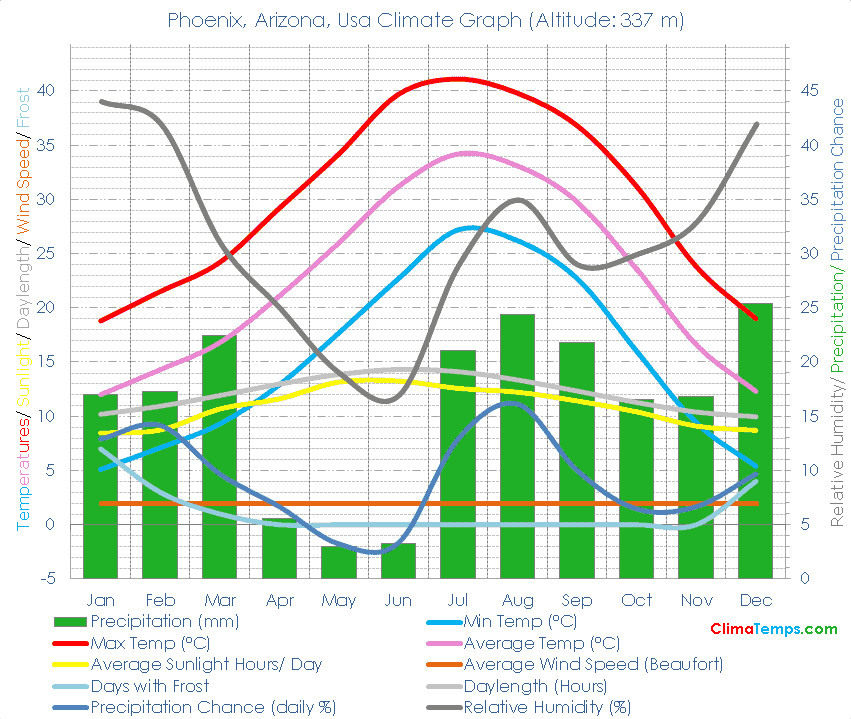
The low desert regions, encompassing cities like Phoenix and Tucson, are characterized by hot, dry summers and mild winters. These areas are situated at lower elevations, typically below 3,000 feet.
Summer in the Low Desert (June – August)
Summers in the low desert are notoriously hot, with temperatures frequently soaring well above 100°F (38°C). Daytime highs can average between 100°F and 115°F (38°C to 46°C), with overnight lows often remaining in the high 80s or low 90s (°F). The intense heat is exacerbated by the arid conditions, though monsoon thunderstorms, typically occurring in July and August, can provide temporary relief in the form of brief, heavy downpours and gusty winds. These storms, while bringing welcome moisture, can also lead to flash flooding in vulnerable areas.
- Average High Temperatures (Summer): 100-115°F (38-46°C)
- Average Low Temperatures (Summer): 80-95°F (27-35°C)
- Key Weather Events: Monsoon season, dust storms (haboobs).
Winter in the Low Desert (December – February)
In stark contrast to the summer, winters in the low desert are exceptionally pleasant. Daytime temperatures are typically in the 60s and 70s (°F), making it an ideal time for outdoor activities. Evenings can cool down, often dropping into the 40s and 50s (°F), but frost is rare. This mild climate is a major draw for “snowbirds” seeking to escape colder weather elsewhere.
- Average High Temperatures (Winter): 60-75°F (16-24°C)
- Average Low Temperatures (Winter): 40-55°F (4-13°C)
- Key Weather Events: Clear skies, occasional light rain.
Spring and Fall in the Low Desert
Spring and fall offer a transitional period of glorious weather in the low desert. Spring, from March to May, sees temperatures steadily rise from comfortable to warm, with highs often in the 70s and 80s (°F). Fall, from September to November, is equally inviting, with temperatures gradually cooling from the summer heat into the pleasant range of the 70s and 80s (°F) by day and cooler evenings.
- Spring (March-May): Gradually warming, ideal for outdoor exploration.
- Fall (September-November): Cooling from summer highs, very comfortable.
The Mountain Regions: A Cooler, Snow-Kissed Expanse
The northern and eastern parts of Arizona, including areas around Flagstaff and the White Mountains, are characterized by higher elevations, typically above 5,000 feet. These regions experience a more traditional four-season climate, with significant snowfall in winter.
Summer in the Mountain Regions
Summers in the mountain regions are a welcome respite from the desert heat. Daytime temperatures are generally in the comfortable 70s and 80s (°F), with cooler evenings that can dip into the 40s and 50s (°F). These conditions are perfect for hiking, camping, and exploring natural attractions like the Grand Canyon National Park. Afternoon thunderstorms are also common during the monsoon season, much like in the desert, but they are often less intense.
- Average High Temperatures (Summer): 75-85°F (24-29°C)
- Average Low Temperatures (Summer): 45-60°F (7-16°C)
- Key Weather Events: Afternoon thunderstorms, generally mild.
Winter in the Mountain Regions
Winter in the mountain regions is cold and snowy. Temperatures often hover around freezing or dip below, with daytime highs typically in the 30s and 40s (°F) and nighttime lows well below freezing, often reaching into the teens or single digits (°F). Snowfall is significant, transforming the landscape into a winter wonderland, making these areas popular for skiing and snowboarding at resorts like Arizona Snowbowl.
- Average High Temperatures (Winter): 30-45°F (-1-7°C)
- Average Low Temperatures (Winter): 10-25°F (-12-4°C)
- Key Weather Events: Snowfall, freezing temperatures, winter sports.
Spring and Fall in the Mountain Regions
Spring and fall in the mountain regions are characterized by dramatic changes. Spring can bring a mix of lingering snow and emerging wildflowers, with temperatures gradually warming throughout April and May. Fall is stunning, with vibrant autumn foliage painting the hillsides from late September through October, before the first snows typically arrive in November. Temperatures during these seasons are often crisp and cool, making them ideal for enjoying the changing scenery.
- Spring (March-May): Transition from snow to bloom, cool to mild temperatures.
- Fall (September-November): Brilliant fall colors, crisp air, first frosts and snow.
Regional Temperature Variations
Beyond the broad desert and mountain distinctions, Arizona’s temperature can vary even within these zones due to microclimates and specific geographical features.
The Sonoran Desert vs. The Mojave Desert
While both are desert regions, the Sonoran Desert, which covers much of southern and central Arizona, tends to be slightly cooler than the Mojave Desert (though the Mojave is primarily in California, its influence touches northwestern Arizona). The Sonoran Desert is known for its higher humidity during monsoon season and greater rainfall compared to the Mojave.
High-Elevation Plateaus
Areas like the Colorado Plateau in northern Arizona experience alpine-like conditions at their highest points, with temperatures significantly colder than even the mountain towns. This is where the most substantial snow accumulations occur.
Planning Your Visit: Temperature Considerations
When planning a trip to Arizona, understanding the temperature is paramount to ensuring a comfortable and enjoyable experience.
Timing Your Trip
- For Desert Exploration: The prime time to visit the low desert cities and national parks like Saguaro National Park is during the cooler months, from October to April. This period offers pleasant temperatures ideal for sightseeing and outdoor activities.
- For Mountain Adventures: If you’re seeking snow sports or cooler summer escapes, the mountain regions are best visited during winter for skiing or summer for hiking and a break from the heat. Spring and fall offer moderate temperatures and beautiful scenery.
- Avoiding the Extremes: If you are sensitive to extreme heat, avoid visiting the low desert in July and August. Conversely, if you dislike cold and snow, steer clear of the mountain regions from December to March.
Packing Essentials Based on Temperature
- Low Desert (Winter/Spring/Fall): Pack light layers, including t-shirts, long-sleeved shirts, and a light jacket or sweater for cooler evenings. Comfortable walking shoes are essential. Don’t forget sunscreen, a hat, and sunglasses, as the sun is strong year-round.
- Low Desert (Summer): Lightweight, breathable clothing is a must. Opt for loose-fitting garments made of natural fibers like cotton or linen. Hydration is critical, so carry plenty of water. A wide-brimmed hat and strong sunscreen are non-negotiable.
- Mountain Regions (Summer): Pack layers, including shorts, t-shirts, a fleece jacket or hoodie, and a light rain jacket. Evenings can get cool, so bring warmer attire.
- Mountain Regions (Winter): Prepare for cold weather with thermal base layers, warm sweaters, a heavy winter coat, waterproof pants, gloves, a warm hat, and waterproof boots.
Climate and Activities
The temperature in Arizona directly influences the types of activities available and the best times to enjoy them.
Outdoor Recreation
- Hiking: Best enjoyed in the low desert during cooler months (October-April) and in the mountain regions during spring, summer, and fall. Summer in the desert can be dangerously hot for strenuous hikes.
- Golf: Popular year-round in the low desert, though summer rounds may require early morning or late afternoon tee times.
- Skiing and Snowboarding: Only possible in the mountain regions during winter.
- Sightseeing: Enjoyable year-round, but the pleasant temperatures of spring and fall in the low desert are ideal for exploring attractions like the Sedona red rocks or the Taliesin West architectural marvel.

Cultural Experiences
Many indoor attractions, such as museums in Scottsdale or the Heard Museum in Phoenix, are accessible and enjoyable regardless of the external temperature. However, outdoor cultural events and festivals are often scheduled during the more temperate seasons.
By understanding the diverse climatic conditions and their impact on temperature across Arizona, visitors can make informed decisions to optimize their travel plans and fully appreciate the stunning beauty and unique experiences this remarkable state has to offer.
LifeOutOfTheBox is a participant in the Amazon Services LLC Associates Program, an affiliate advertising program designed to provide a means for sites to earn advertising fees by advertising and linking to Amazon.com. Amazon, the Amazon logo, AmazonSupply, and the AmazonSupply logo are trademarks of Amazon.com, Inc. or its affiliates. As an Amazon Associate we earn affiliate commissions from qualifying purchases.