
Relocating to the middle of the Pacific Ocean is a dream for many, but the logistical and financial reality of moving to Hawaii is a complex undertaking. Often referred to as “the price of paradise,” the cost of living in the 50th state is consistently ranked as the highest in the United States. Beyond the monthly rent or mortgage, the initial capital required to physically transport a life from the mainland to an island chain thousands of miles away demands meticulous budgeting and a deep understanding of the unique economic landscape of the islands.
The Logistics of Relocation: Shipping and Transportation
The most immediate hurdle for anyone moving to Hawaii is the physical transit of belongings. Unlike a cross-country move in the lower 48 states where one can simply rent a truck and drive, moving to Oahu, Maui, or the Big Island requires sea or air freight. This adds a significant layer of expense and complexity to the process.
Household Goods and Container Costs
Most residents choose to move their belongings via shipping containers. The cost of a container depends largely on its size—typically 20 feet or 40 feet—and the point of origin. Shipping from the West Coast, such as California, Washington, or Oregon, is considerably cheaper than shipping from the East Coast or the Midwest.
A 20-foot container, which generally fits the contents of a two-bedroom apartment, can cost anywhere from $4,000 to $7,000. For a larger 40-foot container, prices often exceed $10,000. Companies like Matson and Pasha Hawaii are the primary carriers for these routes. It is important to note that these prices usually only cover the port-to-port transit. Door-to-door service, which includes professional packing, loading, trucking to the port, and delivery to the final destination in a city like Honolulu or Hilo, can easily double these figures. Many seasoned “expats” suggest selling bulky furniture on the mainland and buying new or used items upon arrival to save on these massive shipping fees.
Shipping Your Vehicle Across the Pacific
For many, a vehicle is a necessity, particularly on islands with limited public transit like Kauai or the more rural parts of Maui. Shipping a standard passenger vehicle from a West Coast port to Hawaii generally costs between $1,500 and $2,200. If you are starting your journey from an inland state, you must also factor in the cost of trucking the vehicle to a port in Long Beach, Oakland, or Seattle.
While shipping a car is straightforward, there are strict requirements regarding cleanliness (to prevent the spread of invasive species) and fuel levels. Upon arrival, you will also face the costs of registering the vehicle in your specific county, which includes a weight-based tax and a safety inspection.
Moving Pets: The Quarantine Process
Hawaii is the only rabies-free state in the United States, and they protect this status fiercely. Moving a pet requires a process that begins months in advance. The “Direct Airport Release” program allows owners to take their pets home immediately upon arrival at Daniel K. Inouye International Airport, but only if all blood tests, vaccinations, and paperwork are completed perfectly. The fees for this process, including vet visits and state processing fees, typically range from $500 to $1,000 per pet, not including the airfare for the animal.
Real Estate and the Cost of Housing in the Islands
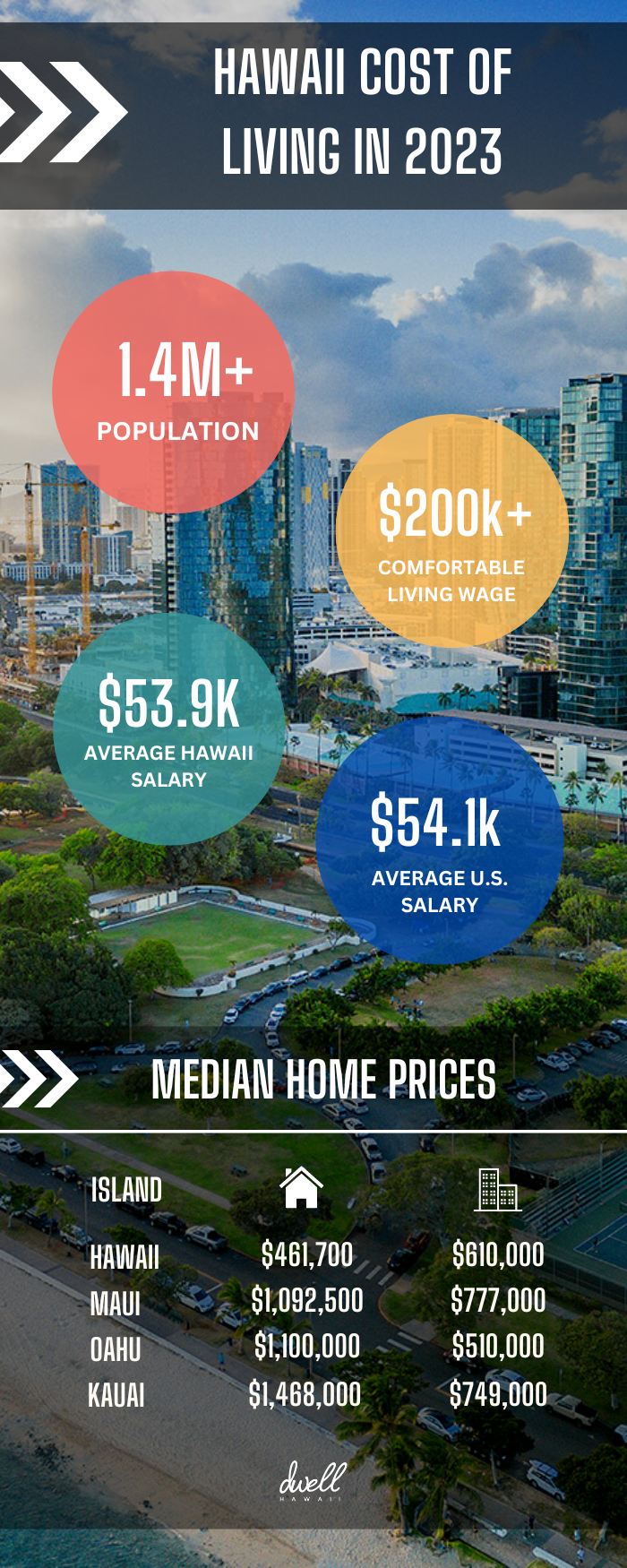
Housing is the single largest expense for residents of Hawaii. The limited land mass and high demand have created a real estate market that is exceptionally competitive and expensive. Whether you are looking at the urban sprawl of Honolulu or the quiet neighborhoods of Lihue, the entry price is high.
Renting vs. Buying in the Current Market
For those looking to rent, a one-bedroom apartment in a desirable area like Waikiki or Kakaako will likely start at $2,200 per month, often excluding utilities. In more residential areas like Kailua or Kapolei, single-family homes frequently rent for $4,000 to $6,000 per month. Landlords typically require the first month’s rent plus a security deposit equal to one month’s rent upfront. If you have a pet, expect to pay an additional “pet deposit.”
The purchase market is equally daunting. On Oahu, the median price for a single-family home has hovered around the $1 million mark for several years. Condominiums offer a slightly more affordable entry point, with medians around $500,000, but these often come with high monthly Homeowners Association (HOA) fees that can range from $500 to $1,500 to cover maintenance and amenities. The Big Island offers some of the most “affordable” real estate in the state, particularly in areas like Pahoa or Ocean View, though these areas may lack infrastructure and proximity to major job hubs like Kona.
Utility Expenses and the Price of Energy
Electricity costs in Hawaii are roughly triple the national average. Because the state has historically relied on imported oil for power generation, residents pay a premium for energy. A small two-bedroom home with moderate air conditioning usage can easily see a monthly electric bill of $300 to $500. Water and sewer rates are also high, particularly on Oahu, where infrastructure upgrades are ongoing. Many residents invest in solar panels and Tesla Powerwalls to mitigate these costs, but the initial installation is another significant upfront expense.
Cost of Living: Groceries, Healthcare, and Daily Expenses
Once the physical move is complete and housing is secured, the daily cost of living becomes the primary focus. Almost everything in Hawaii is imported, which means shipping costs are baked into the price of every gallon of milk and every box of cereal.
The Grocery Bill and Local Sourcing
It is estimated that grocery prices in Hawaii are 30% to 50% higher than on the mainland. A gallon of milk can cost $8, and a loaf of bread often exceeds $6. To save money, locals rely heavily on big-box retailers like Costco, Walmart, and Target. Costco, in particular, is a staple of island life, as buying in bulk is one of the few ways to bring food costs down to a manageable level.
Shopping at farmers’ markets for local produce like papaya, apple bananas, and bok choy can be more economical and supports the local economy. However, specialty items at stores like Whole Foods Market in Kahului or Honolulu remain a luxury for many.
Healthcare and Insurance
While Hawaii has a unique law (the Prepaid Health Care Act) that requires employers to provide health insurance to employees working more than 20 hours a week, the out-of-pocket costs for those who are self-employed or retired can be high. The state’s healthcare system is robust in Honolulu, home to major facilities like Queen’s Medical Center, but residents on neighbor islands like Molokai or Lanai often have to fly to Oahu for specialized medical care, adding travel costs to their medical bills.
Transportation and Fuel
Fuel prices in the islands are consistently among the highest in the country. While distances are generally shorter than on the mainland, traffic congestion in Honolulu is legendary, leading to higher fuel consumption. The TheBus system on Oahu is award-winning and affordable, but for those living in the North Shore or on the Big Island, a personal vehicle is almost mandatory.
Financial Requirements and the Safety Net
Financial experts often recommend that anyone moving to Hawaii should arrive with at least six months of living expenses in savings. This “cushion” is vital because the job market can be difficult to penetrate, and the “island fever” that leads many to leave within the first two years is often driven by financial stress.
The “Settling In” Fund
Beyond the shipping and housing deposits, there are numerous smaller costs that add up. These include:
- Temporary lodging (Airbnbs or hotels) while searching for a permanent home: $3,000–$5,000.
- New furniture and household essentials: $2,000–$5,000.
- Vehicle registration and licensing: $400–$700.
- Initial grocery and pantry stocking: $500.
In total, a single individual should ideally have a minimum of $15,000 to $20,000 in liquid savings before attempting the move. For a family of four, that number can easily climb to $40,000 or $50,000 to ensure a smooth transition without immediate debt.

Taxes and Income Considerations
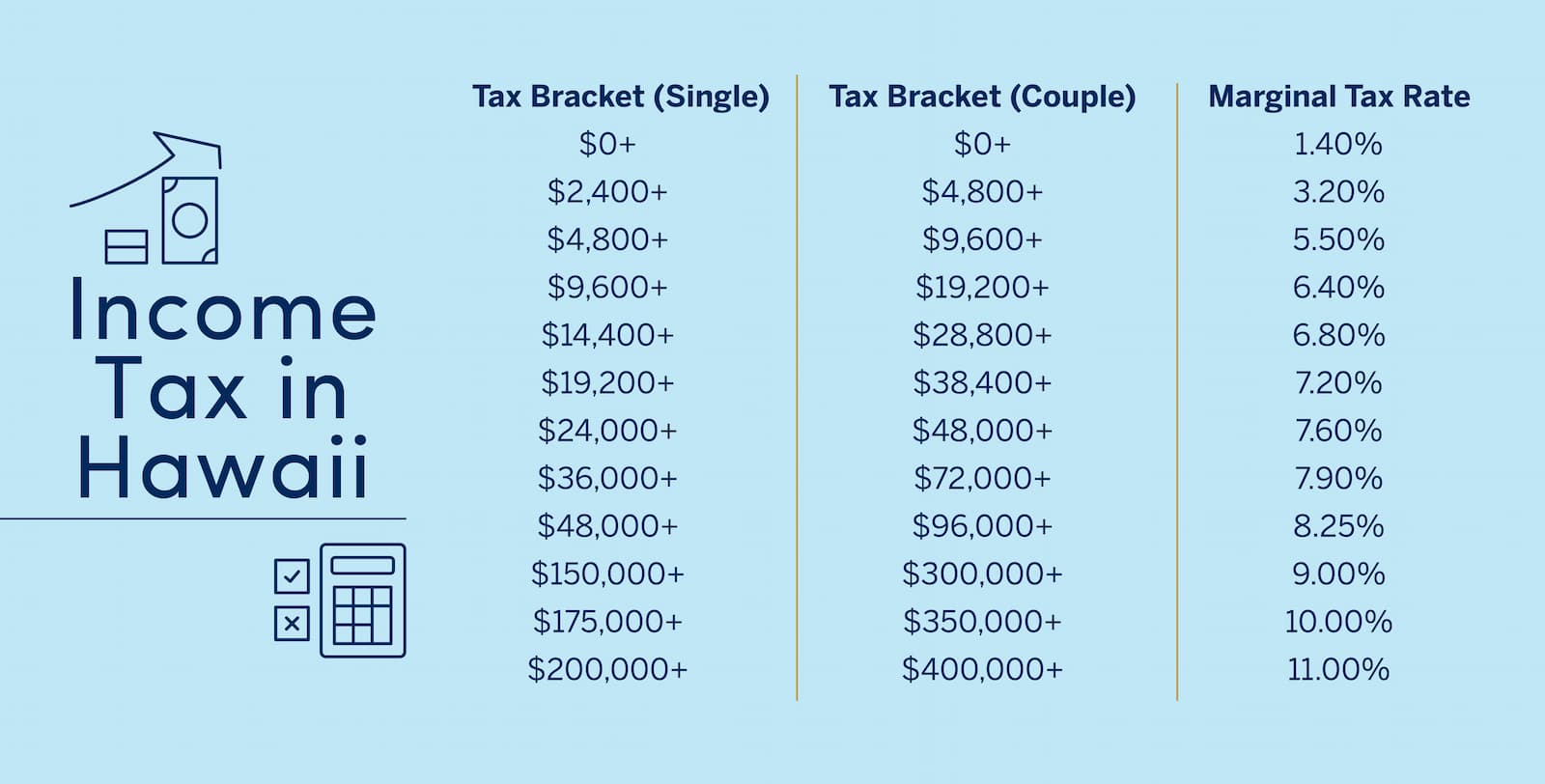
It is also important to factor in Hawaii state income tax, which is progressive and can reach up to 11% for high earners. While the property tax rates are some of the lowest in the nation (as a percentage of value), the high value of the properties means the total dollar amount is still significant. When calculating your budget, ensure that your “take-home” pay accounts for the state’s tax bite, which is much higher than in states like Florida or Texas.
Ultimately, moving to Hawaii is a lifestyle choice that requires a trade-off. You are paying for access to world-class beaches, a temperate climate, and a unique cultural heritage. While the costs are undeniably high, many find that the wealth of experiences and the slower pace of “island time” provide a value that cannot be measured solely in dollars and cents. Success in the islands depends on arriving with eyes wide open to the financial demands and a solid plan to navigate the economic hurdles of the Pacific.
LifeOutOfTheBox is a participant in the Amazon Services LLC Associates Program, an affiliate advertising program designed to provide a means for sites to earn advertising fees by advertising and linking to Amazon.com. Amazon, the Amazon logo, AmazonSupply, and the AmazonSupply logo are trademarks of Amazon.com, Inc. or its affiliates. As an Amazon Associate we earn affiliate commissions from qualifying purchases.