
Venturing through the sun-kissed landscapes and vibrant cities of California often involves extensive driving, from cruising down iconic coastal highways to navigating bustling metropolitan streets. For many visitors, the open road offers an unparalleled sense of freedom and exploration. Amidst planning routes and packing essentials, a curious question sometimes arises, particularly for those accustomed to a more relaxed approach to driving: “Is driving barefoot illegal in California?” Understanding local driving regulations is a crucial tip for any tourist, ensuring a smooth, safe, and lawful journey through the Golden State.
The Legal Landscape: Fact vs. Fiction
One of the most enduring myths in driving lore revolves around the legality of operating a vehicle without shoes. This particular query frequently surfaces in diverse locales, and California is no exception. For tourists planning a scenic drive from San Diego to Redwood National Park or navigating the urban sprawl of Los Angeles, clarity on this matter is essential.
Dispelling the Myth: What California Law Says
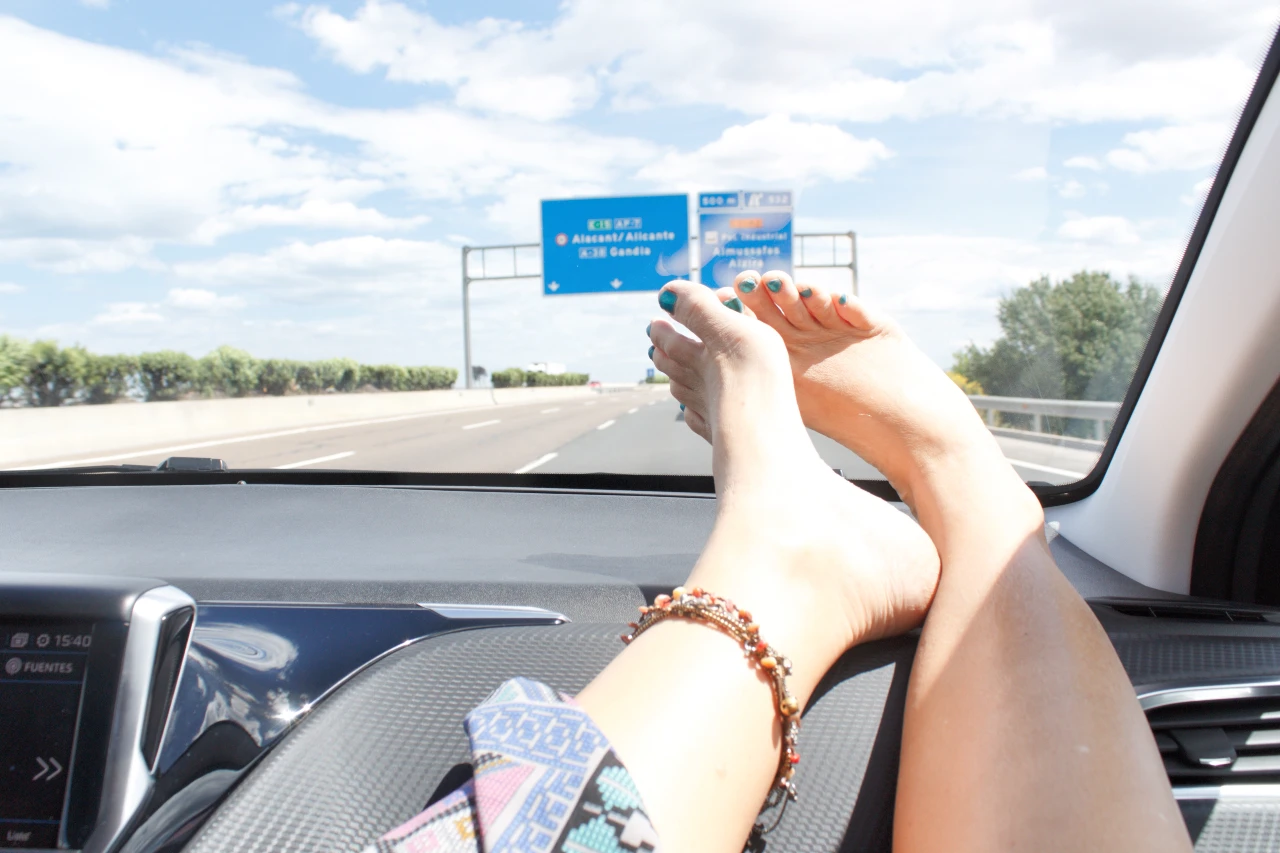
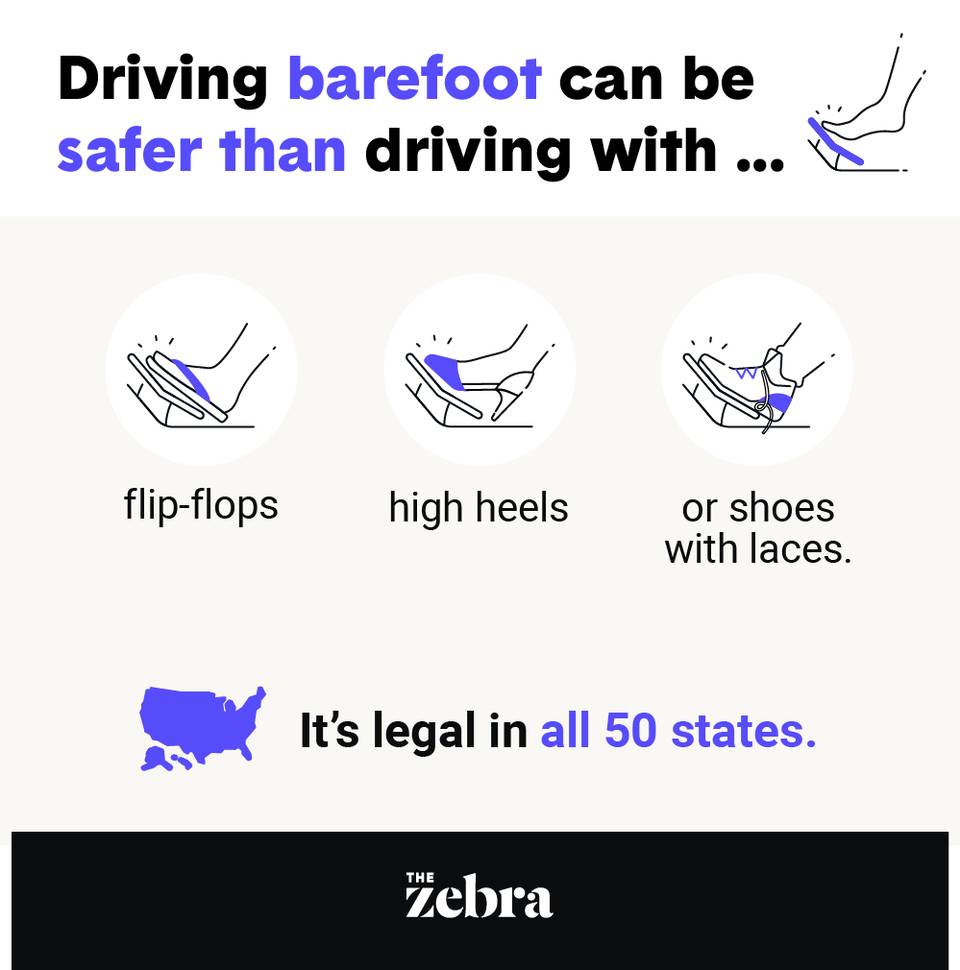
Contrary to popular belief and persistent urban legends, there is no specific law in the California Vehicle Code that prohibits driving a car while barefoot. This means that, from a strictly legal standpoint, motorists in California are permitted to drive without shoes. The law does not mandate footwear for operating a vehicle. This often surprises many, as the myth of its illegality is widespread across the United States.
The absence of a specific prohibition, however, does not equate to an endorsement or a recommendation. While you won’t be pulled over solely for driving barefoot, this legal permissibility comes with important caveats concerning safety and potential liabilities. For those touring California, prioritizing safety and understanding potential risks associated with any driving habit is paramount. A responsible tourist ensures their actions on the road do not endanger themselves or others, regardless of legal technicalities.
The Rationale Behind the Absence of a Specific Ban
The primary focus of California vehicle laws, like those in most jurisdictions, is on ensuring safe operation of a vehicle. Rather than dictating specific attire, the code emphasizes that a driver must be in control of their vehicle at all times. Laws typically target actions or conditions that impair a driver’s ability to maintain control, such as driving under the influence or reckless driving. Footwear, or the lack thereof, is generally considered a secondary factor that could potentially contribute to a loss of control, but it is not seen as an inherent violation in itself.
Legislators likely avoid specific footwear mandates due to the wide variety of shoes available and the difficulty in defining what constitutes “safe” driving footwear. Instead, the onus is placed on the driver to ensure they are capable of safely operating the pedals and maintaining full control. This legal philosophy underpins why a blanket ban on barefoot driving has not been implemented in California, focusing instead on the consequence (loss of control) rather than the contributing factor (lack of shoes).
Safety and Practical Considerations for Drivers in the Golden State
While legally permissible, driving barefoot in California introduces several practical and safety considerations that tourists should be aware of. The diverse driving conditions, from the steep inclines of San Francisco to the sprawling freeways of Los Angeles or the rugged terrain near Yosemite National Park, demand optimal control and responsiveness from the driver.
Why Footwear Matters for Control
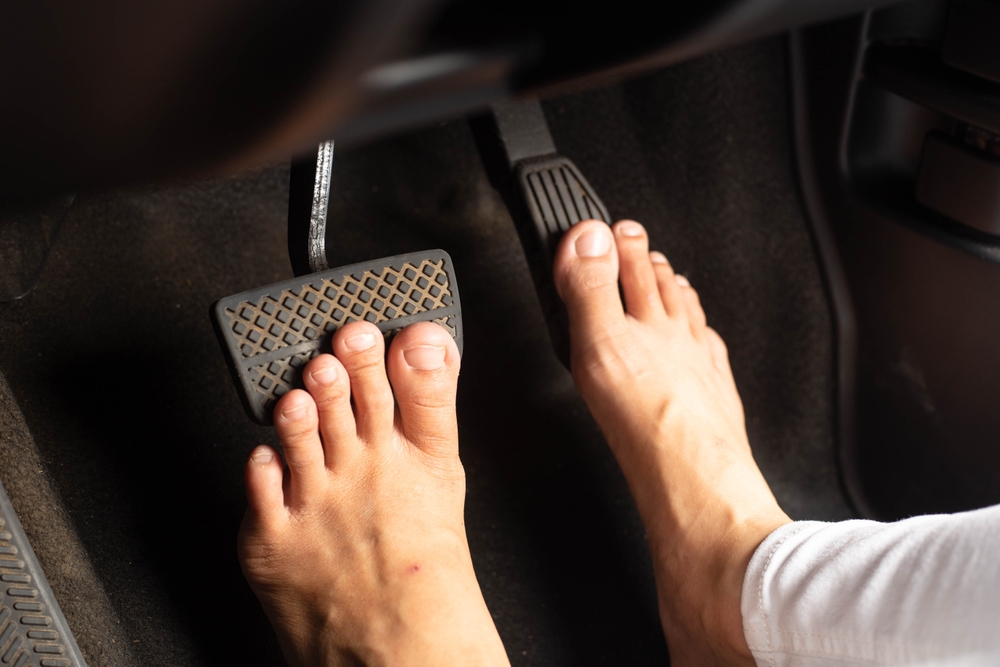
The primary concern with barefoot driving relates directly to vehicle control. Shoes, particularly those with good grip and a firm sole, provide several advantages:
- Enhanced Grip and Leverage: Footwear prevents the foot from slipping off pedals, especially in wet conditions or during sudden maneuvers. The sole of a shoe offers better traction against the pedal surface than bare skin.
- Protection from Heat and Debris: Car pedals, especially in older vehicles, can become hot from engine heat, making prolonged barefoot contact uncomfortable or even painful. Additionally, small debris on the floorboard could interfere with foot movement or cause discomfort.
- Consistent Pressure and Feel: Shoes provide a consistent surface for applying pressure to the accelerator, brake, and clutch (if applicable). This consistency allows for finer control over pedal modulation, which is crucial for smooth acceleration, braking, and emergency stops. A bare foot might experience pressure points or discomfort that distracts the driver or impairs consistent control.
- Reduced Risk of Foot Cramps or Numbness: On long drives across California’s vast distances, maintaining the same foot position on pedals can lead to discomfort or cramps. Shoes can provide a more ergonomic interface, distributing pressure more evenly.
For a tourist navigating unfamiliar roads, maintaining optimal control is paramount. Sudden braking in heavy Los Angeles traffic or precise throttle control on winding mountain roads near Lake Tahoe could be compromised by less-than-ideal pedal feel.
Potential Liabilities and Risks
Even though driving barefoot isn’t illegal, it could become a factor in an accident investigation. If a driver involved in a collision was driving barefoot and it’s determined that their footwear (or lack thereof) contributed to their inability to react appropriately or control the vehicle, they could face increased liability.
- Insurance Implications: While unlikely to void an insurance policy directly, an insurer might argue that driving barefoot constituted negligence if it demonstrably impaired the driver’s ability to operate the vehicle safely, potentially affecting claims or payouts.
- Reckless Driving Charges: In extreme cases, if an officer observes erratic driving attributed to a lack of control, and also notes the driver is barefoot, it could be cited as an exacerbating factor contributing to a reckless driving charge, depending on the circumstances and the officer’s discretion.
- Emergency Situations: In an emergency, every fraction of a second and every ounce of control matters. A foot slipping off a brake pedal could be the difference between avoiding a collision and causing one. Tourists should consider whether the slight comfort of driving barefoot is worth the potential increased risk in such critical moments.
Beyond Bare Feet: Essential Driving Tips for Visitors to California
For tourists embarking on a California road trip, understanding the nuances of driving extends far beyond footwear. The state offers an incredible diversity of driving environments, each with its own set of challenges and unspoken rules.
Navigating California’s Diverse Terrains
- Coastal Drives (Pacific Coast Highway/Highway 1): These iconic routes offer breathtaking views but also feature winding roads, steep cliffs, and sudden turns. Drivers should be prepared for slower speeds, watch for cyclists and pedestrians, and use turnouts safely. Fog can roll in quickly, reducing visibility dramatically.
- Mountain Roads (Sierra Nevada Mountains): Accessing destinations like Yosemite or Mammoth Lakes involves driving on roads with significant elevation changes, sharp curves, and potentially icy conditions in winter. Always check weather and road conditions before heading into mountainous areas.
- City Traffic (Los Angeles, San Francisco): Expect heavy traffic, especially during rush hour. Navigation can be challenging, requiring drivers to be assertive but courteous. Lane splitting by motorcycles is legal in California, so drivers should always be aware of motorcycles filtering through traffic. Parking can be expensive and difficult to find in major cities.
Understanding California Traffic Laws
- U-Turns: Legal at most intersections unless a sign prohibits them, or if it’s unsafe or blocks traffic. However, they are illegal in business districts except at intersections or marked openings, and generally illegal over double yellow lines.
- Right on Red: Permitted after a complete stop, unless a sign explicitly prohibits it. Always yield to pedestrians and oncoming traffic.
- Carpool (HOV) Lanes: Designated lanes for vehicles with two or more occupants (or specific single-occupant vehicles with a valid sticker). Fines for illegal use are substantial.
- Cell Phone Use: Strictly hands-free operation only. Holding and operating a cell phone while driving is illegal. This includes texting, talking, or using navigation functions manually.
- Pedestrian Crosswalks: Pedestrians always have the right-of-way in marked and unmarked crosswalks. Be prepared to stop.
Rental Car Considerations
Most tourists rent vehicles for their California adventures. Ensure you understand the rental agreement, insurance coverage, and vehicle features before departing. Familiarize yourself with the car’s controls, especially if it’s a model you’re not used to. Check that all necessary safety equipment is present and functional. Opting for GPS or a reliable navigation app is highly recommended, especially in complex urban areas.
Maximizing Your California Road Trip Experience
A road trip through California is an unforgettable experience, offering a tapestry of landscapes from deserts to redwood forests, and bustling cities to tranquil beaches. Strategic planning can significantly enhance the enjoyment and safety of your journey.
Preparing for Long Drives and Varied Weather
California’s size means long driving distances are common. Ensure your vehicle is in good condition (if it’s your own) or that your rental car is reliable. Plan for frequent stops to stretch, refuel, and sightsee. Pack essentials like water, snacks, a first-aid kit, and an emergency roadside kit.
Weather can change dramatically across the state. While Southern California might be sunny, northern regions or mountain passes could experience rain, snow, or fog. Check forecasts for all parts of your route. Layered clothing is always a good idea.
Iconic Scenic Routes and Their Driving Demands
- Pacific Coast Highway (PCH) / Highway 1: Known for its dramatic coastal views, especially between Monterey and San Luis Obispo. Driving here requires patience, as speeds are often low, and there are many curves. Be mindful of falling rocks and sections that may be closed due to landslides (always check Caltrans for current conditions).
- Highway 395 (Eastern Sierras): Offers stunning desert and mountain vistas, serving as the gateway to Death Valley National Park and Mammoth Lakes. Be prepared for extreme temperatures in summer and potential snow in winter.
- Napa Valley & Sonoma Wine Roads: Picturesque and generally easy to drive, but awareness of wine-tasting tour buses and potential for impaired drivers (though illegal) is crucial. Always have a designated driver.
A Holistic View of Driving Safety for Tourists
Ultimately, safe driving in California, whether barefoot or in appropriate footwear, boils down to common sense, preparedness, and adherence to local laws. For tourists, an awareness of these elements contributes significantly to a hassle-free and enjoyable visit.
Driver Comfort and Awareness
While there’s no law against driving barefoot, considering the broader context of driver comfort and safety is crucial. Comfortable, supportive footwear generally contributes to a more relaxed and focused driving experience, especially during long hours behind the wheel. Distractions caused by discomfort, heat, or the awkwardness of operating pedals barefoot can detract from a driver’s attention to the road. Ensuring you are physically and mentally alert, well-rested, and free from distractions is far more important than the specific footwear choice.
Planning Your Journey Through California
Before setting out, plan your routes, consider potential traffic, and allow ample time for travel. Integrate breaks into your schedule, especially for long drives. Stay hydrated and well-fed. Familiarize yourself with major highways and alternate routes, particularly around metropolitan areas. Utilizing reliable navigation tools and staying informed about real-time traffic conditions will empower you to make informed decisions and adapt to unexpected challenges. Enjoy the freedom of the open road in California, always prioritizing safety and responsible driving practices to create lasting memories.
LifeOutOfTheBox is a participant in the Amazon Services LLC Associates Program, an affiliate advertising program designed to provide a means for sites to earn advertising fees by advertising and linking to Amazon.com. Amazon, the Amazon logo, AmazonSupply, and the AmazonSupply logo are trademarks of Amazon.com, Inc. or its affiliates. As an Amazon Associate we earn affiliate commissions from qualifying purchases.