
Moving to the Hawaii islands is a dream for many, whether it is for a career opportunity in Honolulu or a lifestyle change to the sun-drenched shores of Maui. However, the logistics of island living involve more than just finding the perfect beachfront condo or a quiet apartment in Hilo. One of the most critical yet often overlooked components of a long-term stay in the United States is securing comprehensive renters insurance. In the middle of the Pacific Ocean, where the environment presents unique risks from volcanic activity to tropical storms, understanding the costs and nuances of property protection is essential for any resident.
Renters insurance provides a financial safety net for your personal belongings and offers liability protection that can save you from significant out-of-pocket expenses. While many people focus on the high cost of rent in Oahu, the cost of protecting those living spaces is surprisingly manageable. In this guide, we will explore the average premiums, the factors that drive prices up or down, and what specific coverages you need when residing in the Aloha State.
Average Cost of Renters Insurance in Hawaii
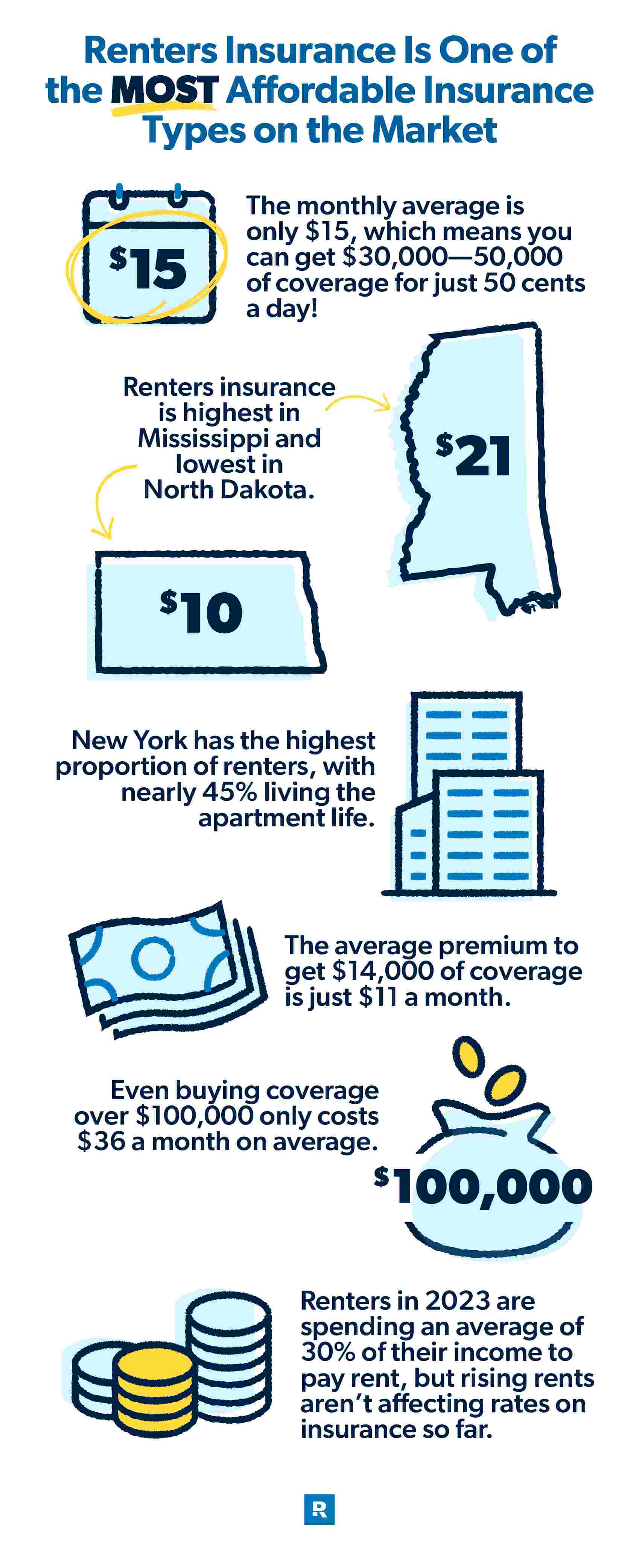
For those coming from the mainland USA, the cost of renters insurance in Hawaii is often a pleasant surprise. Despite the high cost of living generally associated with the islands, renters insurance premiums tend to be lower than the national average. On average, residents can expect to pay between $150 and $250 per year for a standard policy. This breaks down to approximately $12 to $21 per month, making it one of the most affordable aspects of island life.
Monthly Premium Variations
The monthly cost can fluctuate based on the level of coverage you choose. A basic policy with a $20,000 limit for personal property and $100,000 in liability might sit at the lower end of the spectrum, around $14 in Kona. However, if you are renting a luxury villa in Kapalua or an upscale apartment near Ala Moana, your belongings may exceed standard limits. Increasing personal property coverage to $50,000 or $100,000 can push monthly premiums toward the $25 to $35 range.
Comparison by Island and City
Location is a primary driver of insurance rates. Because Honolulu is the most densely populated area, it often sees competitive pricing due to the volume of providers like State Farm and Allstate operating in the region. Conversely, areas on the Big Island that are closer to active volcanic zones like Kilauea or Mauna Loa might see slightly higher rates or specific exclusions due to the increased risk of natural disasters.
On Kauai, specifically in lush areas like Princeville or Hanalei Bay, premiums might be influenced by the higher risk of flood or heavy rain damage. Meanwhile, in the drier regions of South Maui, such as Kihei, fire risk can be a factor that insurers weigh when calculating annual premiums.
Key Factors Influencing Your Premium
Several variables determine the final quote you receive from an insurance company. Understanding these factors can help you adjust your policy to find the right balance between cost and protection.
Geographic Risks and Natural Disasters
In Hawaii, geography is everything. If your rental is located in a designated flood zone or a high-risk lava zone on the Big Island, your base premium may be higher. Additionally, hurricane season is a reality for the entire chain of islands. While standard renters insurance covers many perils, specific windstorm or flood endorsements may be necessary depending on the property’s proximity to the coast, such as homes along the North Shore of Oahu.
Property Construction and Security
The age and material of your building matter. A modern concrete high-rise in Waikiki often yields lower premiums than an older wooden plantation-style home in Lahaina or Kailua. Newer buildings are typically equipped with better fire suppression systems and meet modern building codes for wind resistance. Furthermore, if your apartment complex has 24-hour security, gated access, or monitored fire alarms, you may qualify for discounts from providers like Liberty Mutual or Geico.
Credit History and Claims History
In most parts of the United States, including Hawaii, insurers use insurance-based credit scores to help determine risk. A tenant with a history of frequent claims or a poor credit score may be seen as a higher risk, resulting in higher premiums. Conversely, being a first-time renter or having a “clean” history can keep costs at the minimum.
Deductible Amounts
The deductible is the amount you pay out of pocket before your insurance coverage kicks in. Choosing a higher deductible, such as $1,000 instead of $500, can significantly lower your monthly premium. However, in a state where the cost of replacing goods can be high due to shipping fees to the islands, you must ensure you have enough savings to cover that deductible in the event of a loss.
What Does Renters Insurance Actually Cover?
When you pay for a policy in Hawaii, you are generally purchasing three main types of protection. Understanding these “buckets” of coverage is vital for anyone engaged in long-term accommodation.
Personal Property Coverage
This covers the cost to repair or replace your belongings—electronics, furniture, clothing, and surfboards—if they are damaged by a covered peril. Covered perils typically include fire, smoke, theft, and certain types of water damage. For residents living near landmarks like Diamond Head or Pearl Harbor, knowing that your assets are protected against theft is a major relief. It is important to note that most policies cover your items even when they are not in your home; for example, if your laptop is stolen while you are visiting Haleakala, your renters insurance may still apply.
Liability Protection
Liability is perhaps the most underrated part of renters insurance. If someone is injured in your rental home in Poipu or if you accidentally cause damage to someone else’s property, liability coverage pays for legal fees and medical bills. In a litigious society, having $100,000 to $300,000 in liability protection is a standard recommendation for any resident of Hawaii.
Additional Living Expenses (ALE)
If a disaster, such as a fire, makes your rental uninhabitable, ALE covers the “extra” costs you incur while living elsewhere. This includes hotel stays at places like a Hilton or Marriott property, as well as increased food expenses. Given the high price of temporary accommodation in tourist hubs like Kailua-Kona, ALE is a crucial component that prevents a disaster from becoming a total financial catastrophe.
Choosing the Best Provider in Hawaii
Selecting an insurance provider requires a look at both national giants and local specialists. Many residents find that bundling their renters insurance with an existing auto insurance policy is the most effective way to save money.
National Carriers
Companies like Progressive and Lemonade have made significant inroads in the Hawaii market by offering streamlined digital experiences. State Farm remains a popular choice for those who prefer working with local agents located in communities from Lihue to Waimea Canyon. These national carriers often offer the most competitive rates for those with high credit scores and modern apartments.
Local Expertise
Because the islands have unique needs, some renters prefer carriers with deep roots in the local community. These providers understand the specific risks associated with island-specific issues, such as salt-air corrosion or the logistical difficulties of shipping replacement furniture to Lanai or Molokai.
Steps to Secure the Best Rate
To find the most affordable renters insurance in Hawaii, follow these steps:
- Inventory Your Goods: Before calling an agent, walk through your home and estimate the value of your items. Don’t forget the gear used for exploring Mauna Kea or snorkeling in Hanauma Bay.
- Get Multiple Quotes: Rates can vary by 20% or more between carriers for the exact same coverage.
- Ask for Discounts: Inquire about discounts for non-smokers, retired individuals, or those who have installed smart home security systems.
- Review the Fine Print: Ensure you understand the difference between “Actual Cash Value” (which pays what your items are worth today) and “Replacement Cost” (which pays for brand-new versions of your items).

Renters Insurance and Long-Term Island Living
As the rental market in Hawaii continues to evolve, many landlords are now making renters insurance a mandatory requirement of the lease agreement. This is particularly common in professional property management circles in Honolulu and for luxury rentals in Princeville.
Beyond the legal requirement, the peace of mind offered by a policy is invaluable. Whether you are a digital nomad spending a year on Oahu or a professional relocating to the islands permanently, the relatively low cost of renters insurance is a small price to pay for the security of your lifestyle. In a place where the beauty of nature is matched only by its unpredictability, being prepared is the best way to enjoy everything the islands have to offer, from the heights of Haleakala to the depths of the Pacific Ocean.
LifeOutOfTheBox is a participant in the Amazon Services LLC Associates Program, an affiliate advertising program designed to provide a means for sites to earn advertising fees by advertising and linking to Amazon.com. Amazon, the Amazon logo, AmazonSupply, and the AmazonSupply logo are trademarks of Amazon.com, Inc. or its affiliates. As an Amazon Associate we earn affiliate commissions from qualifying purchases.