
Embarking on the journey of earning one’s first paycheck is a significant milestone, often marking a young individual’s initial steps towards financial independence and a deeper understanding of the professional world. In the vibrant and diverse landscape of California, a state known for its innovation and opportunity, many 14-year-olds and their families ponder the possibilities and practicalities of early employment. Working at such a young age can profoundly shape a person’s lifestyle, influencing their financial literacy, work ethic, time management skills, and even future career aspirations. It’s not merely about the job itself but the broader developmental impact it has on a teenager’s life. Understanding the regulations, opportunities, and implications is crucial for navigating this formative experience successfully.

Understanding Youth Employment in California
The decision for a 14-year-old to enter the workforce in California is met with a robust legal framework designed to protect minors while enabling them to gain valuable experience. This balance ensures that employment complements, rather than detracts from, their primary roles as students and developing individuals. The state’s regulations are stricter than federal guidelines in many aspects, reflecting a commitment to safeguarding the welfare of its young population. Navigating these rules is the first step towards a productive and legal work experience.
The Legal Framework for Minors
California labor laws regarding minors are comprehensive, ensuring that educational attainment remains a priority and that young workers are protected from exploitative or dangerous conditions. These laws are primarily enforced by the Department of Industrial Relations (DIR), specifically through its Division of Labor Standards Enforcement (DLSE). At the federal level, the Fair Labor Standards Act (FLSA) sets the baseline for youth employment, but states like California often implement more stringent requirements. For a 14-year-old, the law generally permits employment, but with significant restrictions on the types of jobs, hours worked, and necessary documentation. The overarching goal is to foster a safe, educational, and age-appropriate work environment that contributes positively to a young person’s lifestyle, without compromising their health, safety, or academic future.
Required Permits and Documentation
Before a 14-year-old can legally begin working in California, they must obtain a “Permit to Employ and Work.” This isn’t just a bureaucratic hurdle; it’s a vital component of the system designed to ensure all parties are aware of their rights and responsibilities. The process typically involves the minor, their parents or guardians, and the prospective employer. The minor usually applies for the permit through their school, which plays a critical role in verifying academic standing and ensuring the work schedule won’t interfere with education. The employer also signs the permit application, agreeing to adhere to all child labor laws regarding hours, wages, and working conditions. This permit is a testament to the state’s emphasis on balancing work opportunities with educational imperatives, providing a structured entry point into the workforce that reflects a responsible lifestyle choice. Without this permit, employers risk significant penalties, and minors are working outside the protective umbrella of state law.
General Age Restrictions and Exceptions
While 14 is generally the minimum age for most types of employment in California, there are nuances and specific exceptions. For instance, minors younger than 14 can work in the entertainment industry, often seen in film sets in Los Angeles or Hollywood productions, but these roles come with even stricter regulations regarding tutoring, on-set supervision, and trust accounts for earnings. Agricultural work also has specific rules, often allowing younger children to work on farms owned by their parents, but with very limited scope for general employment. Additionally, newspaper delivery can sometimes be an option for those slightly younger than 14. These exceptions highlight the state’s pragmatic approach to youth employment, acknowledging diverse lifestyle paths and industry needs while maintaining core protective principles. For the average 14-year-old, however, the focus remains on traditional employment sectors that align with the general permit requirements.
Common Job Opportunities for 14-Year-Olds
For a 14-year-old in California looking to earn money and gain experience, the types of jobs available are typically limited to non-hazardous occupations that do not interfere with schooling. These entry-level positions are often invaluable for developing a work ethic, understanding customer service, and managing personal finances – all crucial elements of a burgeoning independent lifestyle. From bustling city centers like San Francisco to smaller communities, opportunities exist that are tailored to the capabilities and legal restrictions surrounding young workers.
Retail and Food Service
The retail and food service sectors are among the most accessible entry points for 14-year-olds. These roles are typically non-hazardous and allow for flexible scheduling, often after school or on weekends. Common positions include bagging groceries, stocking shelves, assisting customers, or busing tables in restaurants. In retail, a young worker might learn inventory management, sales techniques, and the importance of a clean and organized workspace. In food service, they gain insights into hygiene, efficiency, and direct customer interaction. These experiences teach valuable soft skills, such as communication, problem-solving, and teamwork, which are transferable to many aspects of adult life and contribute significantly to a well-rounded lifestyle. While the work might seem simple, the lessons learned in managing responsibilities and interacting professionally are profound.
Entertainment Industry Roles
California’s vibrant entertainment industry, particularly centered around Hollywood and Los Angeles, offers unique, albeit highly regulated, opportunities for young actors, models, and performers. While these roles are often available to children younger than 14, 14-year-olds can certainly find work as extras, background actors, or in minor speaking roles. The regulations for minors in entertainment are exceptionally strict, involving dedicated teachers (studio teachers), restricted work hours, breaks, and mandatory trust accounts for earnings. This highly specialized pathway offers a vastly different lifestyle experience, often exposing young individuals to professional creative environments and significant travel, while still prioritizing their education and well-being. The financial literacy aspect here is particularly strong, as earnings can be substantial, requiring careful management and planning for the future.
Agricultural Work and Special Cases
Agricultural work presents another avenue for young workers in certain parts of California, though it comes with its own set of rules and limitations. For 14-year-olds, general employment in agriculture is restricted to specific non-hazardous tasks and outside of school hours, mirroring the broader state regulations. However, an exception exists for children working on farms owned by their parents or guardians, where some of the general age and hour restrictions may be relaxed, provided the work is not hazardous and does not interfere with schooling. This often involves tasks like harvesting certain crops, tending to animals, or assisting with packaging. This type of work can instill a strong connection to nature and a robust work ethic, integral to the lifestyle in many rural California communities, offering practical skills and an appreciation for food production.
Entrepreneurial Ventures and Informal Jobs
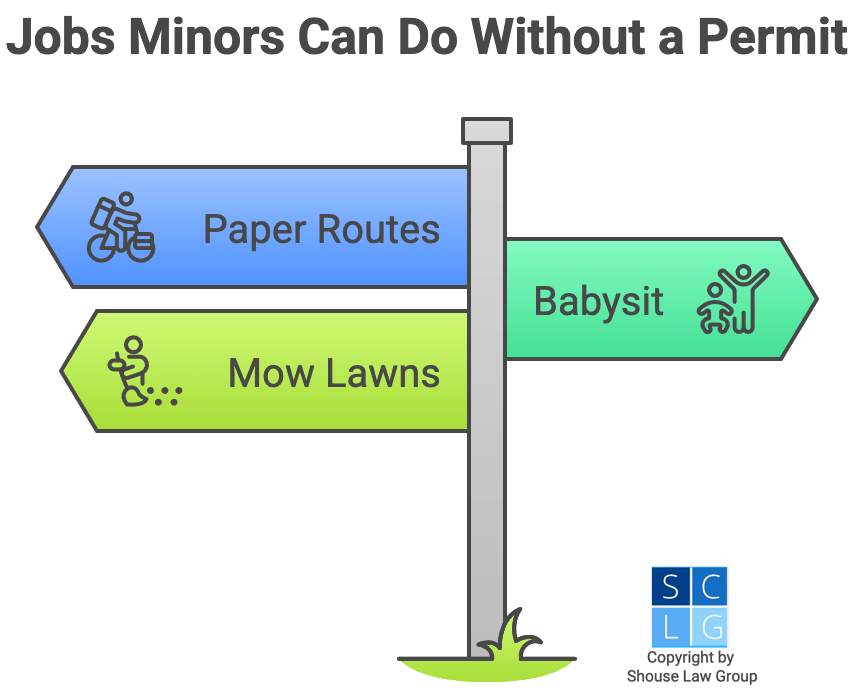
Beyond formal employment, many 14-year-olds explore entrepreneurial ventures or informal jobs, which can be highly influential in shaping their lifestyle and financial independence. Babysitting, pet sitting, lawn care, tutoring younger children, or creating and selling crafts online are common examples. While these informal jobs don’t typically fall under the strict permit requirements of traditional employment, they still teach invaluable lessons in responsibility, customer service, pricing, and self-management. Such initiatives foster creativity, problem-solving skills, and a sense of ownership, empowering young individuals to take charge of their earning potential. These informal opportunities can be particularly beneficial in developing an early understanding of business principles and the value of hard work, laying a foundation for future personal and professional endeavors.
Navigating Work Hours and School Performance
A critical aspect of a 14-year-old working in California is managing the delicate balance between work, school, and personal life. State regulations are meticulously crafted to ensure that employment does not compromise academic success or the overall well-being of the minor. This focus on balance is central to promoting a healthy and productive lifestyle during adolescence. The rules around work hours are designed to protect young people from overwork, allowing ample time for education, rest, and leisure.
Daily and Weekly Hour Limitations
For 14-year-olds, California imposes specific limitations on working hours. During school days, a 14-year-old may work no more than 3 hours per day. On non-school days (weekends, holidays), they can work up to 8 hours per day. The weekly maximum during school weeks is 18 hours, extending to 40 hours during school breaks (summer vacation, winter break). Furthermore, minors cannot work before 7:00 AM or after 7:00 PM, except from June 1st through Labor Day, when evening hours may be extended to 9:00 PM. These strict limitations are critical for maintaining a balanced lifestyle, ensuring that teenagers have sufficient time for homework, extracurricular activities, family time, and adequate sleep. Adhering to these rules is not just a legal requirement but a fundamental aspect of fostering healthy development and preventing burnout.
Impact on Academic Success
The primary concern of state labor laws for minors is to ensure that work does not negatively impact a child’s education. Schools play an active role in this by requiring work permits and sometimes monitoring academic performance. For a 14-year-old, managing coursework alongside a job can be challenging, but it also teaches vital time management and organizational skills. Studies show that a moderate amount of work can positively impact a teenager’s sense of responsibility and independence without harming grades. However, exceeding recommended hours or taking on too demanding a job can lead to stress, fatigue, and declining academic performance. The experience of balancing these demands helps shape a resilient and disciplined lifestyle, teaching young individuals to prioritize and manage their commitments effectively, which is a critical skill for adulthood.
Balancing Work, School, and Personal Life
Successfully integrating work into a 14-year-old’s life requires thoughtful planning and open communication between the minor, parents, and employer. The experience can be immensely beneficial, instilling a strong work ethic, financial responsibility, and a sense of accomplishment. However, it is paramount to ensure there is still ample time for personal interests, hobbies, social interaction, and simply being a teenager. This balance contributes to a holistic lifestyle, preventing early employment from becoming a source of undue pressure. Parents and guardians often play a crucial role in helping their children navigate these commitments, encouraging effective time management and ensuring that the work experience remains a positive and enriching part of their development, rather than an overwhelming burden.
Rights and Protections for Young Workers
Working at 14 in California introduces young people to the world of labor laws and workplace rights, a fundamental aspect of professional life. Understanding these protections is essential not just for compliance, but for fostering a safe, fair, and respectful work environment. The state of California is particularly vigilant about safeguarding its minor workers, ensuring that their introduction to the workforce is positive and empowering.
Minimum Wage and Fair Labor Standards
All employees in California, including 14-year-olds, are entitled to the state’s minimum wage. This wage can vary depending on the size of the employer, and California’s minimum wage is often higher than the federal minimum wage set by the Fair Labor Standards Act (FLSA). In some cities, like San Francisco or Los Angeles, local ordinances may establish an even higher minimum wage. Employers are legally bound to pay at least this amount, ensuring that young workers are compensated fairly for their efforts. Furthermore, minors are protected by federal and state laws regarding overtime pay, breaks, and other fair labor standards. Learning about these rights early on helps shape a young person’s understanding of workplace equity and contributes to a financially literate and empowered lifestyle.
Safety Regulations and Prohibited Occupations
One of the most critical aspects of minor employment law in California involves safety regulations and prohibited occupations. Fourteen-year-olds are generally prohibited from working in hazardous occupations, such as those involving power-driven machinery, exposure to dangerous chemicals, or operating motor vehicles. The intent is to protect young, inexperienced workers from injuries and ensure their well-being. Prohibited jobs also extend to any work deemed detrimental to the minor’s health, safety, or moral welfare. This includes, but is not limited to, mining, manufacturing, and most construction jobs. These stringent safety rules are fundamental to ensuring that early work experiences are not only constructive but also safe, fostering a responsible and healthy approach to work as a component of one’s lifestyle.
Reporting Concerns and Seeking Assistance
Minors, like all employees, have the right to a safe and fair workplace. If a 14-year-old believes their employer is violating labor laws, such as working them too many hours, failing to provide breaks, or paying less than minimum wage, they have avenues for recourse. The Division of Labor Standards Enforcement (DLSE) in California is the primary agency for investigating wage claims, discrimination, and other labor law violations. Students can also often seek guidance from their school’s work permit administrator. Knowing how to report concerns and understanding that protections exist is a vital life skill, empowering young individuals to advocate for themselves and contribute to a just and ethical working lifestyle.
The Broader Lifestyle Impact of Early Employment
Beyond the immediate paycheck, working at 14 in California offers a multitude of lifestyle benefits that extend far into adulthood. It’s an opportunity for profound personal growth, skill development, and the cultivation of an independent spirit. These early experiences lay foundational bricks for a well-rounded and successful future.
Developing Financial Literacy and Responsibility
Perhaps one of the most tangible lifestyle benefits of early employment is the development of financial literacy and responsibility. Earning one’s own money, even a small amount, provides a practical education in budgeting, saving, and understanding the value of work. A 14-year-old might save for a significant purchase, contribute to household expenses, or begin an investment fund. This hands-on experience is often more impactful than theoretical lessons, teaching crucial lessons about delayed gratification, goal setting, and the tangible results of hard work. This early exposure to managing personal finances is a cornerstone of an independent and secure lifestyle, fostering habits that can prevent future financial stress.
Gaining Valuable Life Skills and Experience
Beyond financial aspects, a first job provides invaluable life skills that transcend the workplace. Teenagers learn communication skills through interacting with customers and colleagues, problem-solving skills when faced with unexpected challenges, and the importance of punctuality and reliability. They also gain exposure to different professional environments, helping them understand various career paths and industries. These experiences build self-confidence, foster independence, and provide a sense of accomplishment. The ability to articulate one’s work experience, even from an entry-level job, can be a significant advantage in future academic and professional pursuits, shaping a capable and adaptable lifestyle. From a retail store in Sacramento to a café in San Francisco, the lessons learned are universally applicable.

Contributing to Family and Personal Goals
For some 14-year-olds, working is not just about personal spending money but also about contributing to family goals or saving for significant personal milestones, such as college tuition, a first car, or a special trip. This sense of contributing can foster a deep sense of responsibility and pride, strengthening family bonds and providing a tangible pathway toward achieving long-term aspirations. Early employment can also be a significant step in defining personal goals and understanding the effort required to achieve them. It shapes a proactive and goal-oriented lifestyle, encouraging young individuals to actively participate in planning their own futures and understanding the value of perseverance. The experience of earning and contributing is a powerful catalyst for growth, setting the stage for a fulfilling and self-directed adult life.
LifeOutOfTheBox is a participant in the Amazon Services LLC Associates Program, an affiliate advertising program designed to provide a means for sites to earn advertising fees by advertising and linking to Amazon.com. Amazon, the Amazon logo, AmazonSupply, and the AmazonSupply logo are trademarks of Amazon.com, Inc. or its affiliates. As an Amazon Associate we earn affiliate commissions from qualifying purchases.