
The dream of waking up to the sound of crashing waves, the scent of blooming plumeria, and the sight of lush green mountains is a powerful motivator for thousands who consider moving to Hawaii. Situated in the heart of the Pacific Ocean, this archipelago represents more than just a vacation destination; it is a complex, vibrant, and culturally rich environment that offers a lifestyle unlike anywhere else in the United States. However, transitioning from a visitor to a resident requires a deep understanding of the island’s unique socioeconomic landscape and the daily realities that lie beneath the postcard-perfect surface.
Understanding the Allure of the Island Lifestyle
To live in Hawaii is to embrace a shift in perspective. The lifestyle here is heavily influenced by the concept of “Aloha,” which is far more than a simple greeting. It is a legal and social framework that emphasizes kindness, harmony, and mutual respect. For those coming from high-pressure environments in North America or Asia, the slower pace of life, often referred to as “Island Time,” can be both a welcome relief and a significant adjustment.
The Aloha Spirit and Community Integration
In Hawaii, community is paramount. The concept of “Ohana” (family) extends beyond blood relatives to include neighbors, colleagues, and the wider community. This sense of belonging is a cornerstone of the lifestyle, providing a social safety net and a feeling of security. New residents often find that building relationships requires patience and humility. Respecting local traditions and understanding the historical context of the Native Hawaiian culture is essential for anyone looking to make these islands their permanent home.
The Pace of Life and Work-Life Balance
The professional environment in Hawaii tends to prioritize life outside of the office. While cities like Honolulu maintain a bustling business district, the general consensus is that work should not consume one’s entire existence. It is common for residents to hit the surf at Waikiki before their morning meeting or take a sunset hike up Diamond Head after the workday ends. This balance is a major draw for families and professionals seeking a more holistic approach to daily life.
The Practicalities of Tropical Living: Economic Realities
While the lifestyle benefits are immense, the practical side of living in Hawaii presents significant challenges. The “Paradise Tax” is a very real phenomenon, manifesting in some of the highest living costs in the country. Before packing your bags, it is crucial to analyze the financial landscape of the islands.
The High Cost of Living and Logistics
Because Hawaii is the most isolated island chain in the world, almost everything—from fuel to food—must be shipped in. This results in grocery prices that can be double what one might pay in California or Texas. Many residents rely on bulk shopping at retailers like Costco to manage expenses. Utility costs, particularly electricity, are also significantly higher due to the reliance on imported oil and the emerging transition to renewable energy sources.
Real Estate and the Housing Market
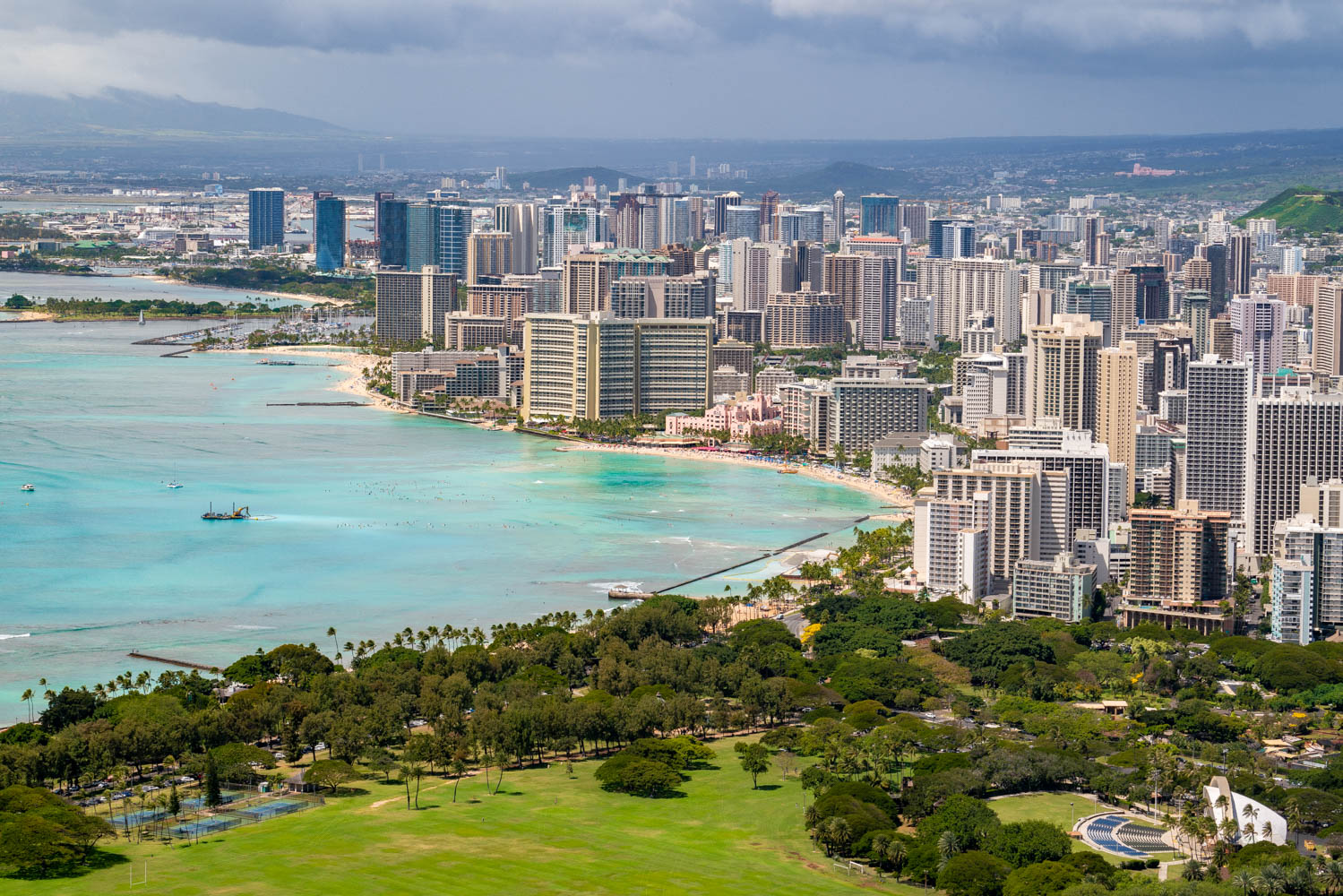
The housing market in Hawaii is notoriously competitive and expensive. In Honolulu, the capital city on the island of Oahu, space is at a premium. High-rise condominiums offer stunning views of the city and the ocean, but they come with high price tags and monthly association fees. In more suburban or rural areas like Kailua or the North Shore, single-family homes are highly sought after, often leading to bidding wars. For many, renting is a long-term necessity rather than a temporary stage, and multi-generational housing is a common way for local families to manage the high cost of property.
Regional Diversity: Choosing Your Ideal Island
Each island in the chain offers a distinct lifestyle, and choosing the right one depends heavily on your professional needs and personal preferences.

Oahu: The Gathering Place
Oahu is the heartbeat of the state. It is home to the majority of the population and offers the most robust job market. If you require urban amenities, world-class shopping at the Ala Moana Center, and a diverse culinary scene influenced by Japan and the Philippines, Oahu is the place to be. However, this comes with the drawback of heavy traffic and a more crowded environment. It is the only island with a true metropolitan feel, centered around the skyscraper-lined skyline of Honolulu.
Maui: The Balanced Retreat
Maui offers a middle ground between the urban density of Oahu and the rural quiet of the other islands. Areas like Kihei and Lahaina have historically been popular for their blend of tourism-driven economy and local charm. The island is famous for its luxury resorts in Kapalua and the breathtaking heights of Haleakala National Park. Living on Maui typically appeals to those who want a slower pace but still enjoy access to high-end dining and well-maintained infrastructure.
Kauai and the Big Island: Nature and Space
For those seeking a more rugged, nature-focused lifestyle, Kauai and the Big Island (the island of Hawaii) are the primary choices. Kauai, known as the “Garden Isle,” is characterized by its small-town feel and dramatic landscapes like the Na Pali Coast and Waimea Canyon. Life here is quiet, and the nightlife is virtually non-existent, making it ideal for retirees or those working remotely.
The Big Island offers the most land for the lowest price per square foot. It is a land of extremes, featuring the volcanic activity of Hawaii Volcanoes National Park and the snow-capped peaks of Mauna Kea. Cities like Hilo offer a rainy, tropical, and more traditional feel, while Kona is known for its sunny weather and world-famous coffee farms.
Health, Wellness, and the Great Outdoors
One of the most significant advantages of living in Hawaii is the impact on physical and mental health. The environment encourages an active, outdoor lifestyle that is accessible year-round.
Environmental Quality and Outdoor Recreation
The air quality in Hawaii is among the best in the United States, thanks to the consistent trade winds that sweep across the islands. For those who enjoy hiking, the islands offer endless trails, from the lush rainforests of Manoa Falls to the coastal paths of Kaiwi State Scenic Shoreline. Water sports are, naturally, a central part of life. Residents often spend their weekends snorkeling at Hanauma Bay, paddleboarding, or learning the nuances of the ocean’s currents.
Longevity and Well-being
Statistically, Hawaii consistently ranks at the top for life expectancy and general happiness. The combination of a vitamin-D-rich environment, a diet that often includes fresh local produce and fish, and a culture that values social connection contributes to this. While the healthcare system on Oahu is excellent, featuring top-tier facilities like Queens Medical Center, those living on the more rural islands may find they need to travel to Honolulu for specialized medical care.
Navigating the Challenges of Isolation
Despite the many benefits, living in the middle of the ocean requires a certain mental fortitude. The geographical isolation of Hawaii can lead to a phenomenon known as “Rock Fever,” where residents begin to feel trapped by the physical boundaries of the island.
Travel and Connectivity
Traveling to the mainland or international destinations is expensive and time-consuming. A flight from Honolulu to Los Angeles takes about five to six hours. This isolation means that seeing family on the mainland can be a major logistical and financial undertaking. Furthermore, for those working in industries that require frequent physical presence in other states, the time zone difference (HST) can be a significant hurdle, as Hawaii does not observe Daylight Saving Time.

Professional and Educational Considerations
While the remote work revolution has made living in Hawaii more feasible for many, the local job market can be limited in certain sectors. The economy is heavily reliant on tourism and the military, with significant presence from Pearl Harbor. In terms of education, the University of Hawaii system provides excellent higher education opportunities, but the public school system in the islands faces challenges that often lead families to opt for private education, further adding to the cost of living.
Ultimately, whether Hawaii is a “nice” place to live depends on your priorities. If you value nature, community, and a slower pace of life over material accumulation and urban convenience, the islands offer a quality of life that is difficult to match. It is a place that requires you to give as much as you take, respecting the land and the people who have called it home for generations. For those who can navigate the economic hurdles, the reward is a life lived in one of the most beautiful and culturally unique places on Earth.
LifeOutOfTheBox is a participant in the Amazon Services LLC Associates Program, an affiliate advertising program designed to provide a means for sites to earn advertising fees by advertising and linking to Amazon.com. Amazon, the Amazon logo, AmazonSupply, and the AmazonSupply logo are trademarks of Amazon.com, Inc. or its affiliates. As an Amazon Associate we earn affiliate commissions from qualifying purchases.