
For many culinary enthusiasts and home cooks alike, the distinction between various potato varieties can be a source of mild confusion. One question that frequently arises is whether “Russet potatoes” and “Idaho potatoes” refer to the same thing. The answer, while seemingly straightforward, involves a nuanced understanding of geography, branding, and botanical classification. This exploration delves into the heart of this common query, uncovering the relationship between these two familiar terms within the realm of food and its cultural significance.
The Nuances of Potato Terminology
To accurately address the question, it’s essential to first understand the classifications we’re working with.
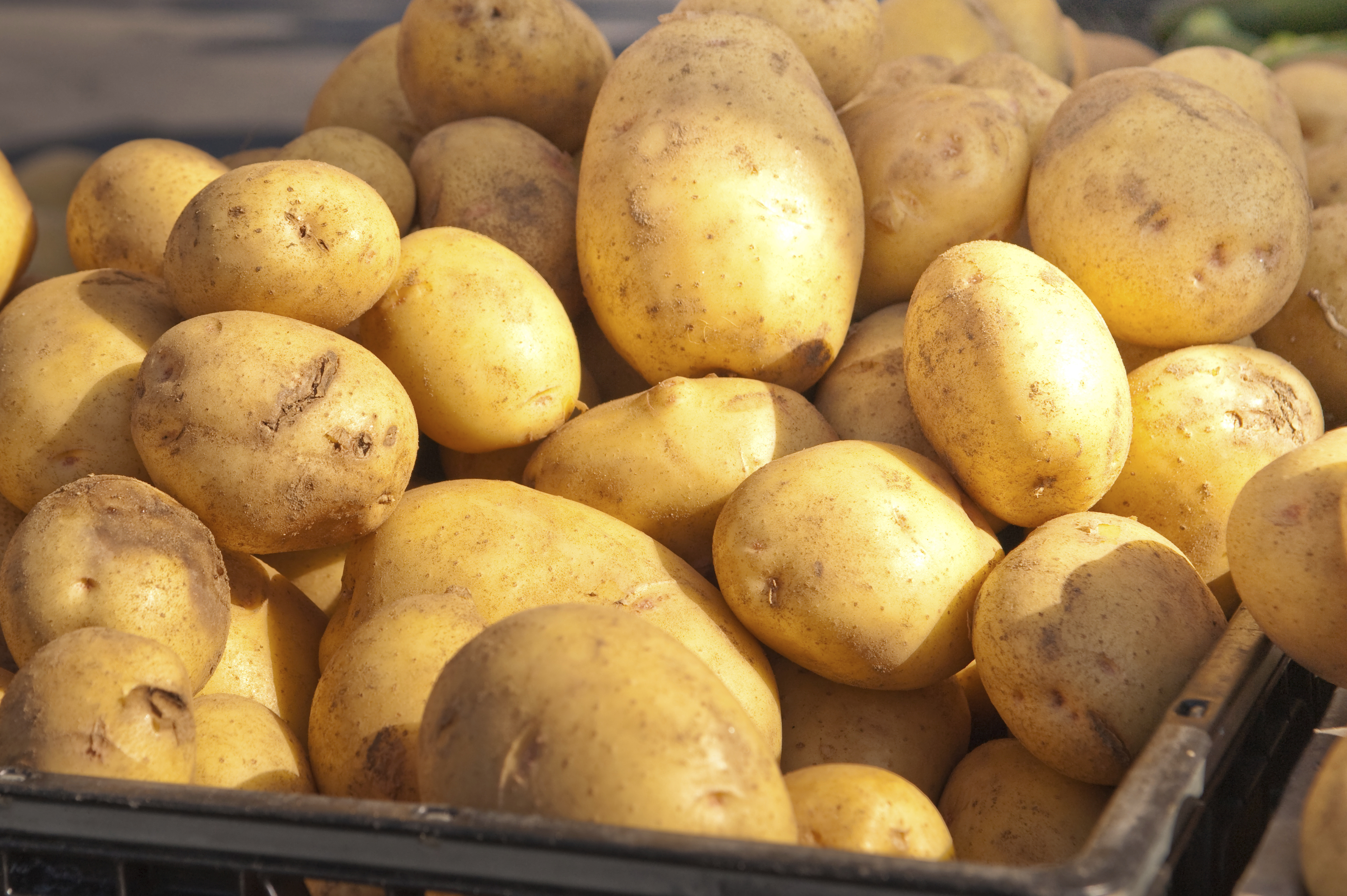
Botanical Classification: The Russet
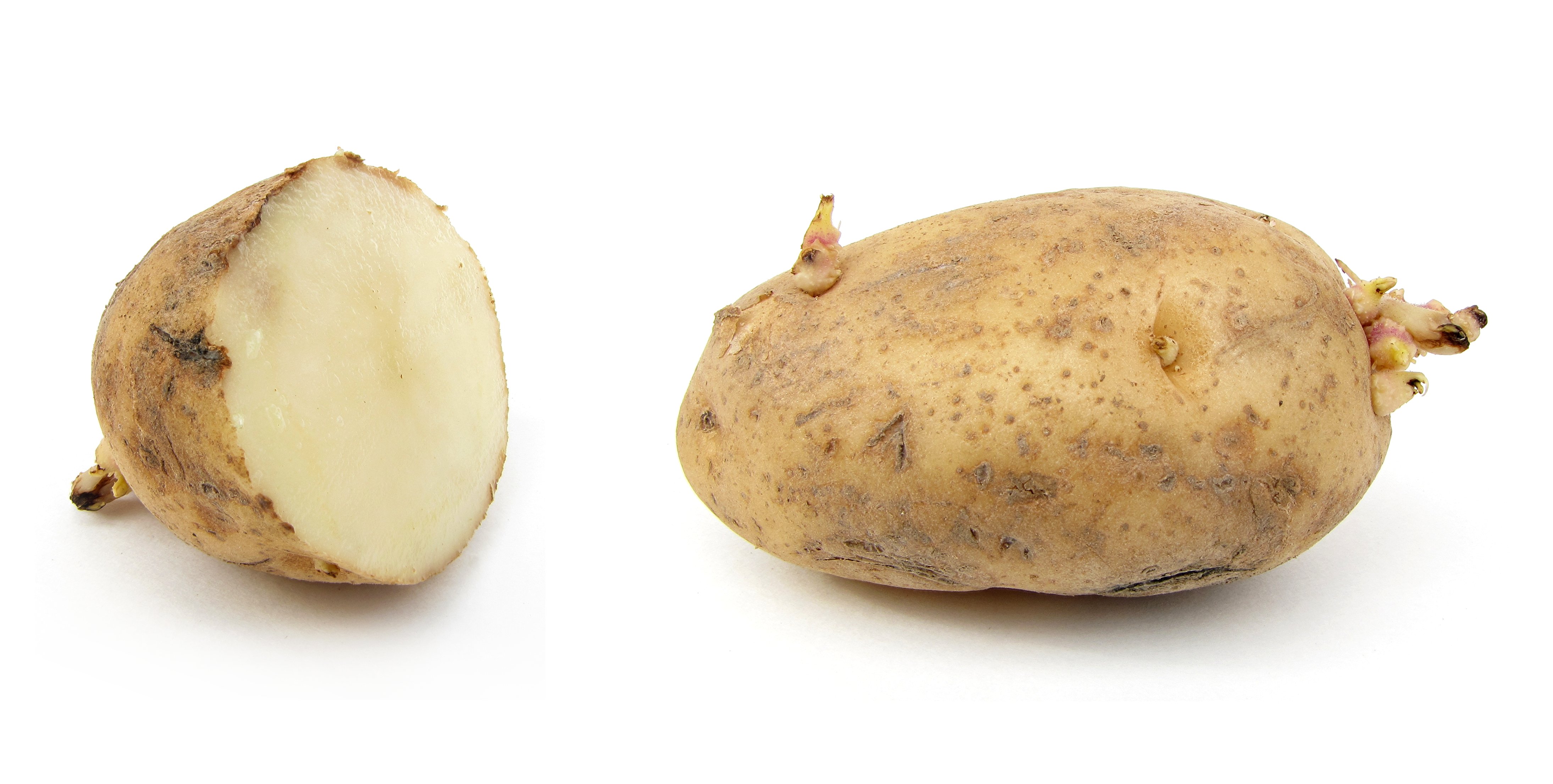
Botanically speaking, “Russet” refers to a type or group of potato varieties. These are characterized by their distinctive russeted skin – a rough, earthy-brown exterior that often develops a pebbly texture. Underneath this skin lies a starchy, white to yellowish flesh. Russets are renowned for their high starch content and low moisture, which makes them exceptionally well-suited for applications requiring a fluffy texture when cooked.
Common characteristics of russet-type potatoes include:
- Skin: Russeted, brown, often rough.
- Flesh: Starchy, typically white or pale yellow.
- Shape: Generally oblong or elongated, though variations exist.
- Culinary Uses: Ideal for baking, mashing, and frying due to their absorbent nature and tendency to become light and fluffy.
Examples of varieties that fall under the russet umbrella include the ‘Russet Burbank’, ‘Norkotah Russet’, and ‘Russet Supreme’. These varieties share the core russet traits but can have subtle differences in flavor, texture, and growth habits.
Geographical Branding: The Idaho Potato
“Idaho potato,” on the other hand, is primarily a geographical identifier and a powerful brand. It signifies potatoes that are grown in the state of Idaho. The state of Idaho is world-famous for its potato production, benefiting from a unique combination of fertile volcanic soil, abundant irrigation from pristine mountain rivers, and an ideal climate characterized by warm days and cool nights. These conditions contribute to the superior quality, flavor, and texture of potatoes grown there.
The Idaho Potato Commission rigorously regulates the use of the “Idaho Potato” label. To be officially designated as an “Idaho Potato,” the tubers must be grown in Idaho and meet strict quality standards. This branding is more than just a geographical tag; it represents a promise of quality and a heritage of excellence in potato cultivation.
The Intersection: Russets from Idaho
Herein lies the key to understanding the relationship: many, and arguably the most famous, potatoes grown in Idaho are russet varieties. The ‘Russet Burbank’, in particular, has become synonymous with the “Idaho Potato” brand. This specific variety, developed in the late 19th century, thrives in the Idaho environment and has become the quintessential baking potato for many consumers worldwide.
Therefore, when people refer to “Idaho potatoes,” they are often, though not exclusively, thinking of russet-type potatoes that have been cultivated and certified in Idaho. The combination of the russet variety’s inherent qualities and the superior growing conditions of Idaho creates a potato that has achieved iconic status.
However, it’s crucial to recognize that:
- Not all Russet potatoes are Idaho potatoes. Russet varieties can be grown successfully in other regions with suitable climates and soil. A russet potato grown in, say, Maine or California, would still be a russet but would not carry the official “Idaho Potato” designation.
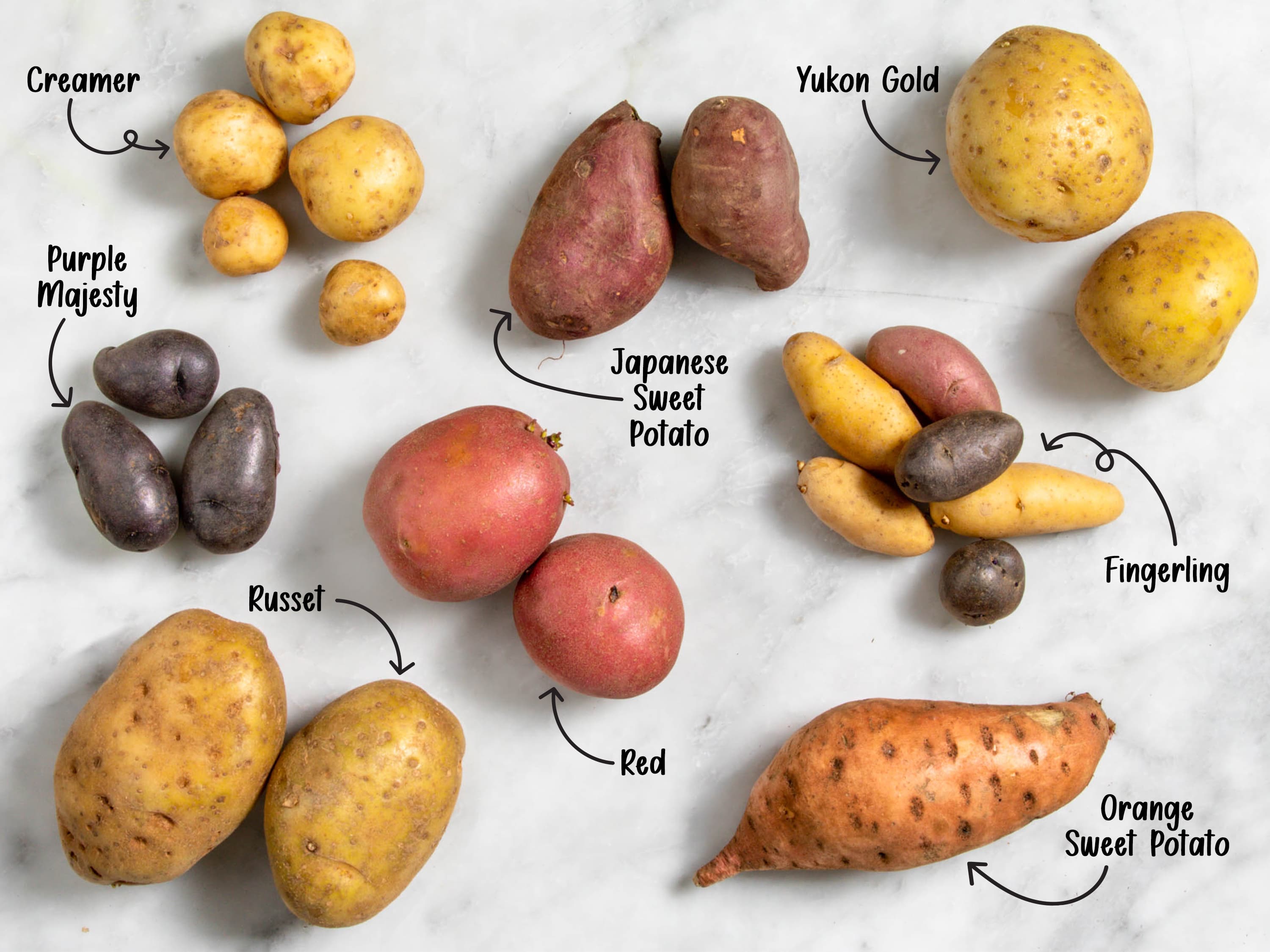
- Not all Idaho potatoes are Russets. While russets are dominant, the state of Idaho also cultivates other potato varieties, such as yellow potatoes (like the ‘Yukon Gold’ or proprietary Idaho yellow varieties) and red potatoes. These might also be grown to high standards within Idaho, but they are not russets.
The “Grown in Idaho” seal, or the “Grown by Idaho Farmers” label, specifically denotes origin, while the term “Russet” denotes a type.
The Power of “Idaho” as a Mark of Distinction
The reputation of potatoes from Idaho has been meticulously built over decades. The Idaho Potato Commission has invested heavily in marketing and quality control, establishing the “perfectly oblong,” “fluffy inside,” and “great tasting” image of the Idaho potato. This marketing prowess has led to “Idaho Potato” becoming a household name, often associated with the ideal potato for baking and mashing.
When a consumer selects a bag of potatoes bearing the “Idaho Potato” label, they are often making a choice based on this established reputation for quality. This brand recognition ensures a consistent experience, as the potatoes have met specific criteria related to appearance, texture, and taste.
Culinary Applications: Why the Distinction Matters
Understanding the difference is not merely an academic exercise; it has practical implications for cooking.
The Baking and Mashing Champion: The Russet
The high starch and low moisture content of russet potatoes make them the undisputed champions for certain culinary techniques.
- Baking: When baked whole, the starchy interior of a russet breaks down into a light, fluffy texture that is perfect for holding toppings like butter, sour cream, chives, and cheese. The skin also crisps up beautifully, offering a delightful contrast.
- Mashing: Russets absorb butter and milk readily without becoming gluey. The starch granules separate easily, leading to a light, airy mashed potato rather than a dense, gummy one.
- Frying: The starchy nature of russets contributes to their ability to crisp up well when fried, making them ideal for French fries. They absorb less oil than waxy potatoes, resulting in a crispier exterior and a softer interior.
Other Potato Varieties and Their Strengths
While russets excel in these areas, other potato types have their own strengths:
- Waxy Potatoes: These potatoes have a lower starch and higher moisture content. Their flesh holds its shape well when cooked, making them perfect for potato salads, gratins, and boiling. Examples include Fingerling, Red, and new potatoes.
- All-Purpose Potatoes: These fall in between waxy and starchy and can be used for a variety of cooking methods. Yukon Golds are a popular example.
When a recipe specifically calls for a “baking potato” or a “potato for mashing,” a russet is generally the best choice, and an “Idaho Potato” is often the preferred russet due to its exceptional quality. If a recipe requires a potato that holds its shape, such as for a Parisian potato salad, then a waxy potato would be more appropriate, and one would not seek out an “Idaho Potato” for this purpose.
Conclusion: A Harmonious Relationship
In summation, the question of whether Russet potatoes are the same as Idaho potatoes can be answered with a qualified “yes, but not always.”
“Russet” describes a botanical type of potato, characterized by its skin and starchy flesh. “Idaho Potato” refers to a geographical origin and a brand of excellence, indicating potatoes grown in the state of Idaho and meeting stringent quality standards.
A significant portion of the potatoes grown in Idaho are indeed russet varieties, with the ‘Russet Burbank’ being the most iconic. These Idaho-grown russets have earned their esteemed reputation due to the state’s ideal growing conditions. Thus, many “Idaho Potatoes” are Russets, and arguably the finest Russets. However, not all Russets hail from Idaho, and not all potatoes grown in Idaho are Russets.
For the home cook, this understanding allows for more informed ingredient choices, ensuring the best possible outcome for any dish, from a perfectly fluffy baked potato to a vibrant potato salad. The legacy of the Idaho Potato is a testament to the power of quality ingredients, dedicated cultivation, and effective branding, all contributing to a beloved staple in cuisines around the world.
LifeOutOfTheBox is a participant in the Amazon Services LLC Associates Program, an affiliate advertising program designed to provide a means for sites to earn advertising fees by advertising and linking to Amazon.com. Amazon, the Amazon logo, AmazonSupply, and the AmazonSupply logo are trademarks of Amazon.com, Inc. or its affiliates. As an Amazon Associate we earn affiliate commissions from qualifying purchases.