
For many residents and visitors to the Sunshine State, understanding the regulations surrounding firearm ownership and, more specifically, obtaining a permit for concealed carry, is a topic of considerable interest. Florida is known for its pro-gun rights stance, often seen as a welcoming environment for responsible firearm owners. However, navigating the legal landscape to acquire a gun license, particularly the Concealed Weapon or Firearm License (CWFL), requires careful attention to specific requirements and procedures set forth by state law. This guide aims to demystify the process, offering a comprehensive overview of how to obtain and maintain your CWFL in Florida. Whether you’re a long-time resident, a new transplant, or simply curious about the state’s gun laws, understanding these steps is crucial for lawful and responsible firearm ownership.
The right to keep and bear arms is a deeply ingrained principle in the United States, enshrined in the Second Amendment of the Constitution. While this right is recognized federally, the specifics of how it is exercised, particularly regarding concealed carry, are largely determined at the state level. Florida, like many states, offers a licensing system that allows eligible citizens to carry firearms concealed for self-defense purposes. This license is not merely a piece of paper; it represents a significant responsibility and commitment to safety and adherence to the law. The process, while structured, can seem daunting to those unfamiliar with legal jargon and bureaucratic procedures. This article will break down each phase, from understanding the core requirements to successfully submitting an application and maintaining your license for years to come. By the end, you should have a clear roadmap to obtaining your CWFL and exercising your rights responsibly within the beautiful and diverse landscapes of Florida.

Understanding Florida’s Concealed Weapon or Firearm License (CWFL)
Before embarking on the application journey, it’s essential to grasp what the Florida Concealed Weapon or Firearm License (CWFL) entails and why so many individuals choose to obtain one. This license is a critical component of personal safety for many within the state and provides certain legal protections and permissions that would otherwise not be available.
What is the CWFL and Why Obtain One?
The Florida Concealed Weapon or Firearm License, often colloquially referred to as a “gun license” or “concealed carry permit,” authorizes eligible individuals to carry certain weapons and firearms in a concealed manner. This means the weapon or firearm must not be openly displayed and must be kept from the ordinary sight of others. While Florida did transition to constitutional carry in July 2023, allowing eligible individuals to carry concealed firearms without a permit, the CWFL still offers distinct advantages. These benefits include reciprocity agreements with many other states, allowing licensed Florida residents to carry concealed firearms in those jurisdictions. It also provides a clear legal standing, often simplifying interactions with law enforcement and demonstrating a proactive commitment to responsible firearm ownership.
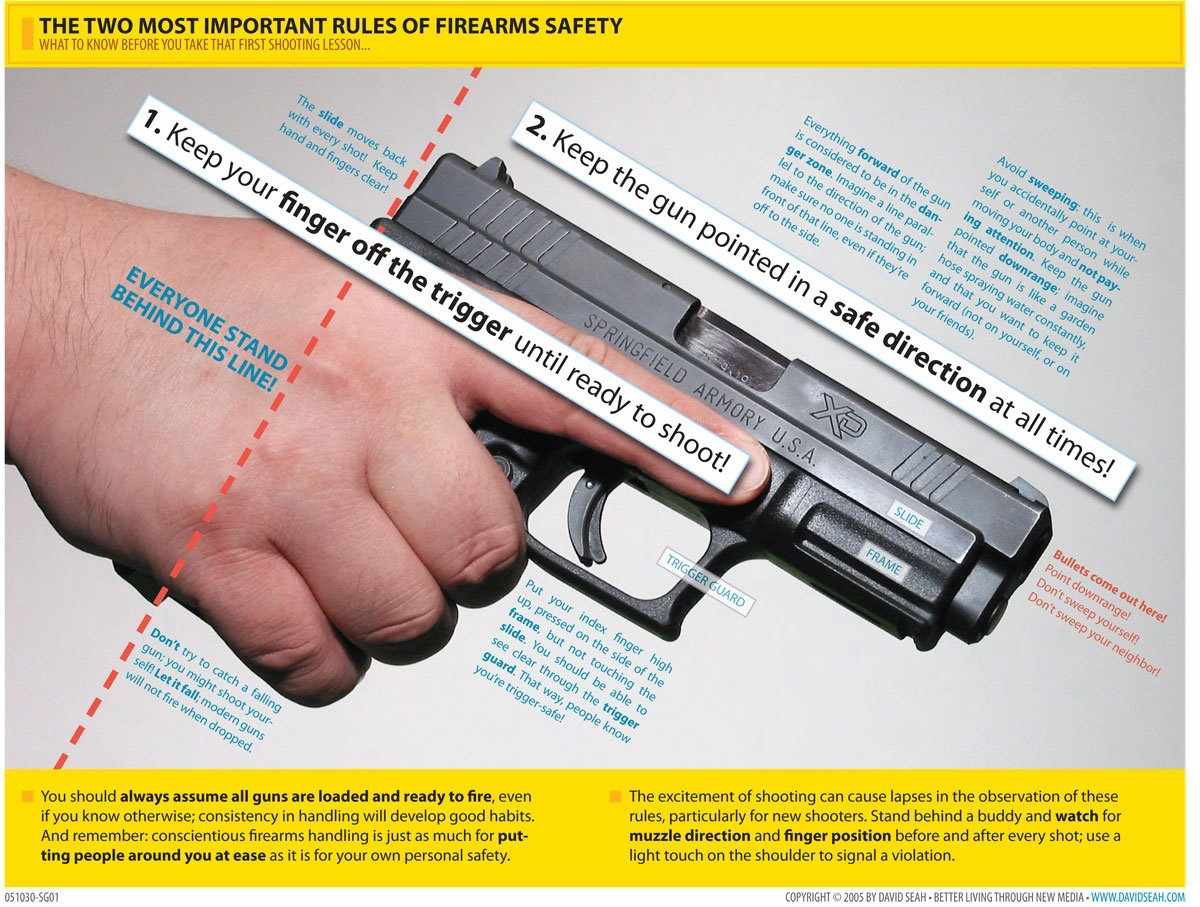
Obtaining a CWFL signifies a commitment to understanding and abiding by the state’s intricate firearm laws, which extend beyond mere possession. License holders are typically seen as individuals who have undergone specific training, passed a background check, and are recognized by the state as responsible enough to carry a concealed weapon. For many, the primary motivation is personal safety and the ability to defend themselves and their loved ones in a world where unforeseen dangers can arise. Whether navigating the bustling streets of Miami, exploring the natural beauty of the Everglades, or simply going about daily life in their hometown, the CWFL offers peace of mind through preparedness.
Furthermore, carrying a CWFL can sometimes expedite the purchase of a firearm from a licensed dealer, as the background check performed for the CWFL often satisfies the requirements for purchasing a new weapon, bypassing the need for an additional background check at the point of sale. This can be a significant convenience for firearm enthusiasts and those looking to expand their collection responsibly. The license also covers a broader range of weapons beyond handguns, including tear gas guns, knives, billies, and electric weapons, provided they are carried in a concealed manner. Understanding these nuances is crucial for any potential applicant.
Key Eligibility Requirements for Applicants
Before even considering the application process, prospective CWFL holders must meet a stringent set of eligibility criteria established by Florida Statute § 790.06. These requirements are designed to ensure that only responsible and law-abiding citizens are granted the privilege of concealed carry. Failing to meet even one of these conditions will result in the denial of an application.
First and foremost, applicants must be at least 21 years of age. There are limited exceptions for active duty military personnel and veterans, who may apply at 18 years old. This age requirement underscores the seriousness with which Florida approaches concealed carry, entrusting this responsibility to adults presumed to possess a higher degree of maturity and judgment.

Secondly, applicants must be permanent residents of the United States. While non-residents can apply if they meet certain criteria, the most common scenario involves Florida residents. Proof of residency, such as a Florida driver’s license or state ID, will be required. This ensures that the state can maintain oversight and accountability for its licensees.
A critical component of eligibility is the applicant’s criminal history. Individuals are disqualified if they have been convicted of a felony offense unless their civil rights have been restored. This is a fundamental barrier, reinforcing the principle that concealed carry is for law-abiding citizens. Beyond felonies, certain misdemeanor convictions can also lead to disqualification. These include:
- Misdemeanor convictions for crimes of violence or drug-related offenses within a specific timeframe (typically three years).
- Convictions for domestic violence, regardless of whether it was a felony or misdemeanor.
- Having a restraining order or injunction against you for domestic violence.
Mental health status is another significant factor. Applicants are disqualified if they have been adjudicated delinquent or been committed to a mental institution, unless they can provide a physician’s certification that they are no longer suffering from the mental illness. This requirement highlights the state’s concern for public safety and the responsible handling of firearms.
Other disqualifying factors include:
- Being a fugitive from justice.
- Being dishonorably discharged from the armed forces.
- Renouncing United States citizenship.
- Having two or more DUI convictions within the preceding three years, where one of the convictions involved impairment by alcohol or controlled substances.
- A history of alcohol or substance abuse that indicates a lack of control.
Meeting these prerequisites is not merely a formality but a foundational step towards demonstrating the responsibility required to carry a concealed weapon. Applicants are encouraged to honestly assess their own history against these criteria before proceeding, as providing false information can lead to severe legal consequences.
Navigating the Application Process: Step-by-Step
Once an applicant has verified their eligibility, the next phase involves navigating the specific steps of the application process. This requires careful attention to detail, adherence to deadlines, and interaction with various state agencies. The Florida Department of Agriculture and Consumer Services (FDACS) is the primary authority responsible for processing CWFL applications.
Fulfilling the Training Requirement
One of the most crucial prerequisites for a CWFL is demonstrating competency with a firearm through certified training. Florida law mandates that applicants must provide proof of completion of a firearm training course, or other qualifying experience, that demonstrates proficiency with a handgun. This training requirement is not merely a bureaucratic hurdle; it is designed to ensure that individuals carrying concealed weapons possess the fundamental knowledge and skills necessary for safe handling, storage, and responsible use of a firearm.
Acceptable forms of training include:
- Completion of any hunter education or safety course approved by the Florida Fish and Wildlife Conservation Commission or a similar agency from another state.
- Completion of any National Rifle Association (NRA) firearms safety or training course. Many local gun ranges and instructors in cities like Orlando and Tampa offer these popular courses.
- Completion of a firearms safety or training course offered by a law enforcement agency, junior college, college, or private institution licensed to teach firearms safety.
- Completion of a firearms training course conducted by a state-certified or NRA-certified firearms instructor.
- Proof of current or prior service in the armed forces of the United States, with an honorable discharge. This is often fulfilled by presenting a DD-214 or a valid military identification card.
- Evidence of having been licensed to carry a firearm in Florida, or a similar license from another state, unless such license has been revoked for a disqualifying reason.
The most common method for satisfying this requirement is through a certified firearms safety course. These courses typically cover essential topics such as firearm safety rules, basic shooting fundamentals, ammunition knowledge, proper cleaning and maintenance, and legal aspects of self-defense. Most importantly, the course must include actual live-fire training, where the applicant demonstrates proficiency with a firearm. A certificate of completion from an approved course or instructor is mandatory evidence. It’s advisable to choose a reputable instructor or facility, as the quality of training directly impacts an applicant’s preparedness and safety.
Gathering Necessary Documentation
Once the training requirement is met, the next step involves meticulously gathering all the necessary documents for the application. Any missing or incorrect documentation can significantly delay the processing of the CWFL application.
Applicants will generally need:
- Proof of Training: The original certificate of completion from an approved firearms training course, or other qualifying documentation (e.g., DD-214 for military personnel). This certificate must clearly state that it involved live-fire training.
- Proof of Identity: A valid form of identification, such as a Florida driver’s license or state-issued identification card. This confirms age and residency.
- Passport-Sized Color Photograph: A recent photograph that meets passport specifications. This photo will be used on the actual CWFL card.
- Completed Application Form: The official application form provided by the FDACS. This form requires detailed personal information, criminal history disclosures, and other relevant data. It is crucial to answer all questions truthfully and accurately.
- Fingerprints: Electronic fingerprints are a mandatory component for the comprehensive background check. These must be taken by a law enforcement agency or an approved live-scan vendor. The FDACS website provides a list of approved service providers across the state, from Jacksonville to Fort Lauderdale.
- Payment for Fees: There are several fees associated with the CWFL application, including the application fee, fingerprint processing fee, and potentially a convenience fee if applying online or through a tax collector’s office. These fees are non-refundable, regardless of whether the application is approved or denied. It’s essential to check the current fee schedule on the FDACS website, as they can change periodically.
Organizing these documents systematically before submission will ensure a smoother application process and minimize potential delays. Double-checking every detail against the requirements listed on the FDACS website is highly recommended.
Submitting Your Application to the Florida Department of Agriculture and Consumer Services (FDACS)
With all the necessary documentation in hand, applicants can proceed to submit their CWFL application. The FDACS offers a few convenient methods for submission.
- Online Application: This is often the most efficient method. Applicants can create an account on the FDACS website, fill out the application form electronically, upload scanned copies of their supporting documents (training certificate, photo), and pay the fees online. This method can potentially shorten processing times due to its digital nature.
- Mail-in Application: For those who prefer a traditional approach, the completed application form, along with physical copies of all supporting documents and a check or money order for the fees, can be mailed to the FDACS licensing division in Tallahassee. It’s advisable to send such sensitive documents via certified mail to ensure delivery and have a tracking record.
- In-Person at a Florida Tax Collector’s Office: Many county tax collector’s offices across Florida are authorized to accept CWFL applications. These offices often provide convenient services, including fingerprinting (live-scan) and photo capture on-site, streamlining the process considerably. This “one-stop shop” approach can be very appealing, especially for first-time applicants. However, it’s wise to check with your local tax collector’s office beforehand to confirm they offer this service and to understand any specific requirements or appointment policies.
Regardless of the submission method, accuracy and completeness are paramount. Any discrepancies or omissions can lead to the application being returned, requiring re-submission and further delays. It’s a good practice to make copies of all submitted documents for your own records.
The Background Check and Waiting Period
Once the application is submitted and all fees are paid, the process moves into the background check and waiting period phase. This is arguably the most critical part, as it determines whether an applicant meets the legal and safety standards for concealed carry.
The FDACS will initiate a comprehensive background investigation. This involves:
- Federal Background Check: Through the National Instant Criminal Background Check System (NICS), overseen by the FBI, to check for any federal disqualifiers.
- State Background Check: Accessing state criminal records and other databases maintained by the Florida Department of Law Enforcement (FDLE) to uncover any state-specific disqualifications, including misdemeanor convictions, domestic violence injunctions, and mental health adjudications.
- Local Checks: In some cases, local law enforcement agencies may be consulted.
The law dictates that the FDACS has 90 days from the date a complete application is received to either issue or deny the license. This 90-day period allows ample time for the thorough background investigation to be conducted. During this waiting period, applicants can often check the status of their application online through the FDACS website, using a tracking number or their personal information. While the wait can be challenging, it is a necessary step to ensure public safety and the integrity of the licensing system.
If the background check reveals any disqualifying information, the application will be denied. Applicants have the right to appeal a denial, and the denial letter will typically outline the reasons for the decision and the procedures for appeal. It’s important to understand that if denied, the fees are generally not refunded, which underscores the importance of verifying eligibility before applying.
Upon successful completion of the background check and approval, the FDACS will issue the Concealed Weapon or Firearm License, which is typically a durable plastic card similar to a driver’s license. This card will be mailed to the applicant’s address and must be carried at all times when exercising concealed carry privileges.
Beyond the Initial License: Maintaining Your CWFL
Obtaining the CWFL is a significant achievement, but it’s not a one-time event. Responsible firearm ownership involves understanding the ongoing responsibilities that come with the license, including knowledge of where you can carry, how to renew it, and its validity in other states.
Reciprocity with Other States
One of the most valuable aspects of the Florida CWFL, particularly for those who travel, is its extensive reciprocity with other states. Reciprocity means that other states recognize Florida’s CWFL, allowing Florida license holders to carry concealed weapons within their borders under their specific laws. Conversely, Florida recognizes concealed carry permits from many other states.
The list of states that have reciprocity agreements with Florida is substantial and can be found on the FDACS website. It is critically important for CWFL holders to:
- Verify Reciprocity: Always check the current reciprocity agreements before traveling to another state, as these agreements can change. What is valid today might not be valid tomorrow.
- Understand Other State Laws: Even when reciprocity exists, the laws of the state you are visiting apply. This means understanding their specific restrictions on where you can carry (e.g., schools, government buildings, restaurants that serve alcohol), reporting requirements, and any other nuances that may differ from Florida law. Ignorance of the law is not a defense and can lead to serious legal trouble.
- Constitutional Carry Considerations: While Florida now allows constitutional carry within its borders, the CWFL remains essential for exercising concealed carry privileges in reciprocity states that do not have constitutional carry or only recognize permits from other states.
For residents of Florida who frequently travel, especially to neighboring states like Georgia or Alabama, the CWFL provides a crucial legal framework for carrying concealed firearms without constantly navigating a patchwork of individual state laws from scratch. This makes it a highly sought-after license, even with the advent of permitless carry within Florida.
The Renewal Process
The Florida CWFL is typically valid for seven years from the date of issue. To maintain the privilege of concealed carry, license holders must renew their license before it expires. The FDACS generally sends out a renewal notice several months prior to expiration, providing ample time to complete the process.
The renewal process is typically less involved than the initial application but still requires attention:
- No New Training Required: Unlike the initial application, a new firearms training course is usually not required for renewal, assuming the initial training was properly documented.
- Background Check: A new background check will be conducted during the renewal process to ensure the licensee still meets all eligibility requirements and has not incurred any disqualifying criminal convictions or mental health adjudications since the last issuance.
- Application Form and Fees: A renewal application form must be completed and submitted, along with the appropriate renewal fees. These can often be processed online, by mail, or in person at a tax collector’s office.
- Updated Photo: A new passport-sized photo may be required.
- Address Changes: It is the responsibility of the license holder to notify the FDACS of any change of address within 30 days. Failure to do so can result in not receiving renewal notices and potentially an expired license.
It is critical to submit renewal applications well in advance of the expiration date. Carrying a concealed weapon with an expired license is illegal and can lead to serious legal consequences. The FDACS generally provides a grace period, but it’s best not to rely on it. Staying informed about the expiration date and promptly initiating the renewal process ensures continuous, lawful concealed carry.
Conclusion: Responsible Firearm Ownership in Florida
Obtaining a Concealed Weapon or Firearm License in Florida is a clear path for individuals who wish to exercise their Second Amendment rights responsibly and proactively ensure their personal safety and the safety of their loved ones. While Florida’s transition to constitutional carry has altered some aspects of carrying a concealed firearm, the CWFL remains a valuable asset for many, particularly due to its extensive reciprocity with other states and the legal clarity it provides.
The process, though detailed, is designed to vet applicants thoroughly, ensuring that only those who meet stringent eligibility criteria and have demonstrated a foundational understanding of firearm safety are granted the privilege of concealed carry. From completing certified training and meticulously gathering documentation to navigating the application submission and undergoing a comprehensive background check, each step is crucial.
Beyond the initial issuance, responsible gun ownership in Florida is an ongoing commitment. It entails understanding and adhering to all state and federal firearm laws, being aware of where concealed carry is prohibited, and conscientiously managing the renewal process to maintain license validity. For those who choose to carry, continuous training, safe storage practices, and a deep respect for the power of a firearm are not just recommendations but moral obligations.
By following the steps outlined in this guide, aspiring CWFL holders can navigate the application process efficiently and confidently. The ability to legally carry a concealed weapon in Florida offers a significant layer of personal security, but with that freedom comes profound responsibility. Embracing this responsibility is key to being a lawful and respected firearm owner in the beautiful and vibrant state of Florida.
LifeOutOfTheBox is a participant in the Amazon Services LLC Associates Program, an affiliate advertising program designed to provide a means for sites to earn advertising fees by advertising and linking to Amazon.com. Amazon, the Amazon logo, AmazonSupply, and the AmazonSupply logo are trademarks of Amazon.com, Inc. or its affiliates. As an Amazon Associate we earn affiliate commissions from qualifying purchases.