
The allure of California is undeniable – from its sun-drenched beaches and iconic landmarks to its vibrant cities and diverse natural landscapes. Millions flock to the Golden State each year, drawn by opportunities for adventure, relaxation, and a taste of its unique lifestyle. Yet, beneath this glossy exterior, California grapples with a persistent and increasingly devastating challenge: wildfires. These blazes, which have scarred vast tracts of land, claimed lives, and destroyed communities, are not merely random acts of nature. Instead, they are the product of an intricate web of environmental conditions, human actions, and a rapidly changing climate. Understanding what truly causes the California fires requires delving into this complex interplay, uncovering both the ancient rhythms of the land and the modern pressures placed upon it. For residents and visitors alike, recognizing these underlying factors is crucial for appreciating the state’s resilience and the ongoing efforts to protect its cherished beauty and vibrant tourism economy.
The Tangled Web of Causes: Natural Vulnerabilities Meet Human Activity
California’s stunning topography and Mediterranean climate, which make it such a desirable destination, also inherently predispose it to wildfires. However, these natural conditions alone do not explain the scale and intensity of recent blazes. Human activity plays an equally, if not more, significant role, acting as both the spark and the accelerant for many of the state’s most destructive fires.
California’s Natural Predisposition: Drought, Wind, and Topography
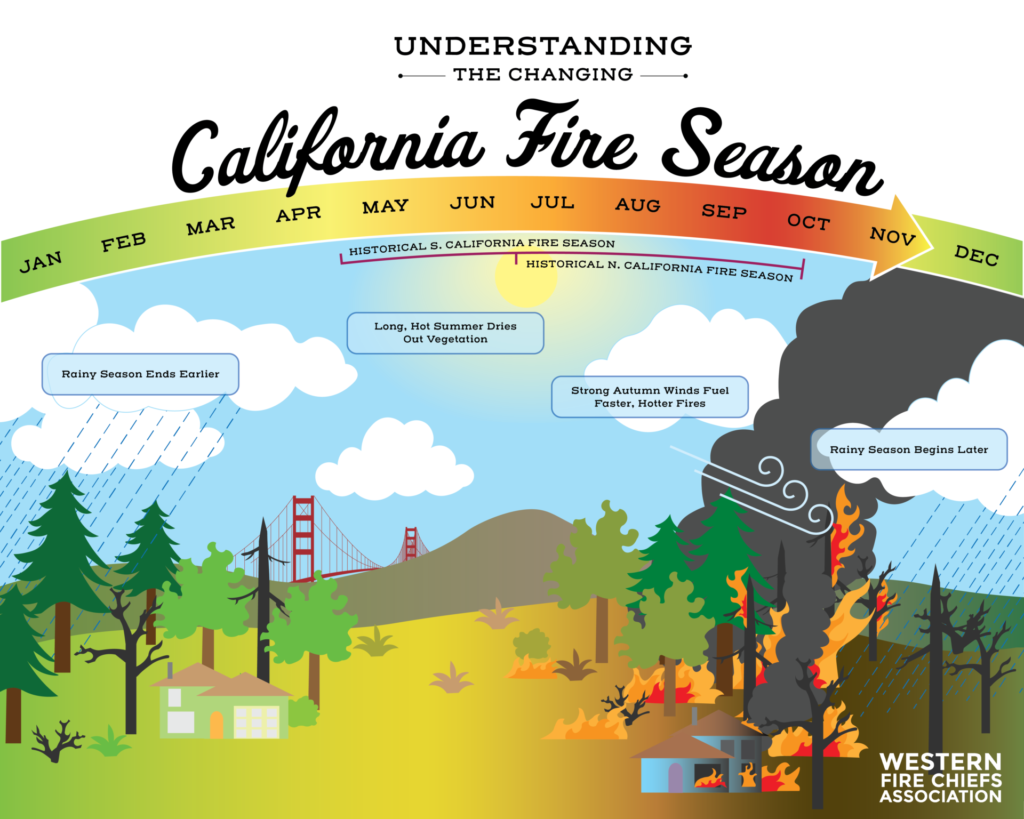
At the heart of California’s natural vulnerability is its distinct dry season, which typically stretches from late spring through autumn, leaving vegetation parched and highly flammable. This dryness is often exacerbated by prolonged periods of drought, turning vast forests and chaparral into tinderboxes. The state’s rugged and diverse topography, characterized by steep canyons and mountainous terrain, further complicates matters, creating natural chimneys that allow fires to spread rapidly and making containment incredibly challenging.
Perhaps the most infamous natural accelerants are California’s powerful, dry winds. The Santa Ana winds in Southern California and the Diablo winds in Northern California are particularly notorious. These winds, driven by high-pressure systems, sweep down from inland deserts and mountains, funneling through valleys and canyons at high speeds. They strip vegetation of any remaining moisture, carry embers miles ahead of the main fire front, and can transform small blazes into uncontrollable infernos within minutes, making them a primary reason for the rapid expansion and destruction of many wildfires. The state’s native vegetation, including dense chaparral and coniferous forests in areas like the Sierra Nevada, is also naturally adapted to fire, with some species even requiring fire for regeneration. However, decades of fire suppression have led to an accumulation of fuel, making subsequent fires far more intense when they do occur.
The Human Element: Sparking Disaster
While nature sets the stage, human activities are overwhelmingly responsible for igniting the vast majority of California wildfires. Research indicates that nearly 95% of all wildfires in California are human-caused, stemming from a wide array of activities, both accidental and intentional.
One of the most significant culprits involves power lines and electrical equipment. Aging infrastructure, especially in rural and wildland-urban interface (WUI) areas, can spark fires when lines are downed by wind, trees, or equipment failure. Major utilities like Pacific Gas & Electric (PG&E) and Southern California Edison have faced immense scrutiny and billions of dollars in liabilities due to their equipment being implicated in some of the most destructive fires, including the devastating Camp Fire.
Arson is another disturbing cause, with individuals intentionally setting fires for various motives, from revenge to pyromania. Though less frequent than accidental ignitions, these deliberate acts can be exceptionally destructive, often occurring in remote areas and quickly escalating. Other common human causes include unattended campfires, discarded cigarettes, sparks from vehicles and their catalytic converters, agricultural equipment, grinding and welding operations, target shooting, and even fireworks. The expansion of human development into the WUI, where homes and communities are built adjacent to or within wildland vegetation, puts more people and structures at risk, increasing both the likelihood of ignition and the potential for catastrophic loss. This encroachment also fragments natural habitats and alters ecological fire regimes.
A Climate in Flux: Exacerbating the Wildfire Crisis
Beyond the immediate sparks, a broader, more ominous factor has been consistently contributing to the severity and frequency of California wildfires: climate change. The warming planet is not just making existing problems worse; it is fundamentally altering the conditions under which fires ignite and spread, transforming fire seasons into year-round threats.
The Intensifying Cycle of Drought and Heat
Climate change manifests in California primarily through higher average temperatures and more extreme heatwaves. These elevated temperatures increase evaporation from soil and vegetation, intensifying drought conditions and creating drier, more flammable fuel. The state has experienced some of its hottest years on record in recent decades, directly correlating with record-breaking fire seasons. Warmer temperatures also extend the length of the dry season, pushing the start of fire season earlier in the spring and prolonging it deeper into the fall and even winter months. This extended window for fire activity places immense strain on firefighting resources and keeps communities in a constant state of alert.
The feedback loop is stark: prolonged drought leads to more vulnerable vegetation, which, combined with higher temperatures, creates an environment ripe for large, intense fires. When these fires burn, they release vast amounts of carbon into the atmosphere, further contributing to global warming and perpetuating the cycle.
Shifting Precipitation Patterns and Forest Health
Climate change is also altering California’s precipitation patterns. While the state still experiences wet winters, a greater proportion of precipitation is falling as rain rather than snow, especially at lower elevations. This reduction in snowpack, which historically acts as a natural reservoir, means less meltwater available to moisten soils and vegetation through the dry season. The snowpack that does form is melting earlier in the spring, shortening the green season and leaving vegetation susceptible to drying out sooner.
Compounding this is the impact on forest health. Decades of drought stress, coupled with warmer temperatures, have made millions of trees vulnerable to insect infestations, particularly bark beetles. These beetles thrive in weakened trees, leading to widespread tree mortality across vast swaths of the Sierra Nevada and other forested regions. Dead and dying trees provide an enormous fuel load, creating conditions for megafires that burn hotter and are far more difficult to control, devastating ecosystems and posing extreme risks to nearby communities.
Devastating Blazes: A Look at Notable Incidents and Their Aftermath
The abstract statistics of causes and conditions come to life through the tragic stories of individual fires, each leaving an indelible mark on California’s landscape and its people. From infernos that wiped towns off the map to blazes that threatened major metropolitan areas, these events underscore the dire consequences of the state’s wildfire crisis.
A Chronicle of Destruction: From Camp Fire to Thomas Fire
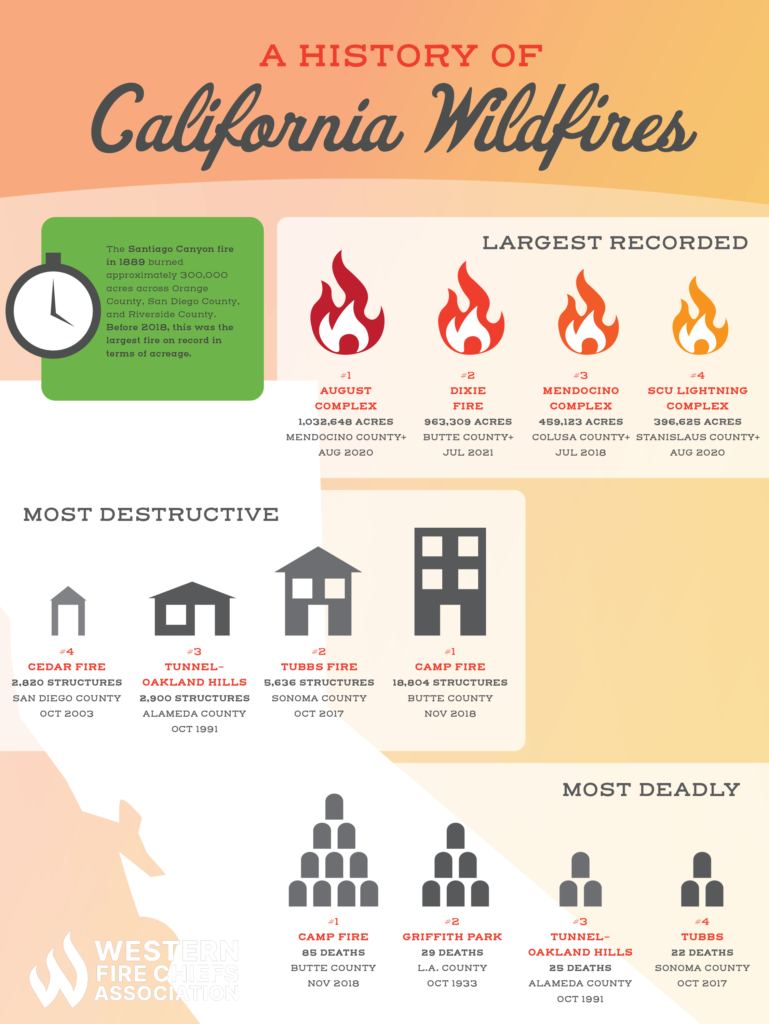
The sheer number of destructive fires in recent years is staggering, with each fire season seemingly surpassing the last in terms of acres burned, structures lost, and lives tragically ended. The Camp Fire in November 2018 stands as California’s deadliest and most destructive wildfire in history. Ignited by faulty PG&E equipment, it swept through the town of Paradise in Butte County, obliterating nearly 19,000 structures and killing 85 people. The speed and intensity of the fire, driven by fierce Diablo winds, left residents with little time to escape.
Before the Camp Fire, the Thomas Fire in December 2017 became California’s largest wildfire at the time, burning over 281,000 acres across Ventura County and Santa Barbara County. Fueled by strong Santa Ana winds, it caused widespread evacuations and property damage, demonstrating that destructive fires were no longer confined to the typical fire season. The 2017 fire season also saw the Tubbs Fire decimate parts of Santa Rosa in Sonoma County, destroying thousands of homes and contributing to what was then the most economically damaging fire season in the state’s history.
More recently, the 2020 fire season brought unprecedented scale and complexity. The August Complex Fire, primarily in the Mendocino National Forest, became California’s largest recorded wildfire, surpassing one million acres. This megafire was part of a broader phenomenon where lightning strikes sparked numerous blazes simultaneously, overwhelming firefighting resources. The CZU Lightning Complex Fire ravaged parts of San Mateo County and Santa Cruz County, impacting beloved redwood forests and coastal communities, while the Glass Fire swept through Napa County and Sonoma County, devastating wineries and luxury resorts vital to California’s tourism economy.
The Woolsey Fire in 2018, which burned through Los Angeles County and Ventura County, devastated affluent communities like Malibu and parts of the Santa Monica Mountains National Recreation Area, highlighting the vulnerability of even highly developed areas. Each of these events, and countless others, represents immense human suffering, the loss of livelihoods, and profound ecological disruption.
The Ripple Effect: Beyond Direct Damage
The consequences of these wildfires extend far beyond the immediate flames and ash. Smoke pollution can travel hundreds of miles, impacting air quality for millions, causing respiratory issues, and disrupting daily life in major metropolitan areas like San Francisco and Los Angeles. The psychological toll on survivors, first responders, and even those distant from the fires is immense, leading to trauma, anxiety, and long-term mental health challenges.
Economically, the fires incur billions of dollars in damage annually, from property loss and infrastructure repair to lost tourism revenue and agricultural impacts. Insurance costs skyrocket, and some areas become uninsurable, deterring rebuilding efforts and exacerbating housing crises. Ecologically, intense fires can sterilize soils, destroy critical habitats, and alter forest composition for decades. The loss of vegetation on steep slopes also dramatically increases the risk of destructive mudslides and debris flows during subsequent rain events, as seen in Montecito after the Thomas Fire. These secondary disasters further compound the devastation, prolonging the recovery process and adding layers of complexity to the state’s challenges.

Protecting California’s Appeal: Tourism, Lifestyle, and Resilience
California’s unique blend of natural beauty, cultural attractions, and a relaxed yet adventurous lifestyle is a magnet for travelers and residents alike. The increasing threat of wildfires, however, directly impacts this appeal, compelling the state to adopt comprehensive strategies that protect its communities, preserve its iconic landmarks, and ensure a sustainable future for its vital tourism and lifestyle sectors.
The Impact on Travel and Local Economies
Wildfires pose a significant threat to California’s tourism industry, a cornerstone of its economy. When fires rage, popular destinations, national parks like Yosemite National Park, and scenic routes like Highway 1 through Big Sur can be closed, impacting travel plans for countless visitors. Hotels, resorts, and local businesses in affected areas face cancellations, reduced bookings, and sometimes direct destruction, as seen in the Napa and Sonoma wine country during the Glass Fire. The persistent threat of smoke and poor air quality can deter travelers even from areas not directly impacted by flames, leading to a broader economic ripple effect.
Beyond the immediate crisis, the perception of California as a destination can be affected. Travelers seeking pristine nature and outdoor adventures may reconsider if concerns about fire risk, air quality, or accessibility become too pronounced. This makes proactive communication, clear safety guidelines, and visible resilience efforts vital for maintaining California’s reputation as a world-class travel destination.
Strategies for a Sustainable Future: Prevention and Adaptation
In response to the escalating wildfire crisis, California has significantly ramped up its efforts in prevention, mitigation, and adaptation. These strategies are multifaceted, involving both technological innovation and a return to traditional land management practices.
One key focus is vegetation management. This includes increasing the pace and scale of prescribed burns (controlled fires that clear out undergrowth), mechanical thinning of forests, and creating defensible space around homes and communities. Restoring forest health by removing dead and diseased trees, as well as reducing overall fuel loads, is seen as critical to preventing megafires.
Grid hardening is another major initiative, with utilities like PG&E investing billions in undergrounding power lines, reinforcing poles, and implementing advanced sensor technology to quickly detect faults. Public Safety Power Shutoffs (PSPS), while inconvenient, are a controversial but often necessary measure to de-energize lines during high wind events, preventing sparks.
Early warning systems and sophisticated satellite monitoring help firefighters detect and respond to new ignitions faster. Investing in more robust firefighting resources, including aircraft and personnel, is also paramount. On the community level, building codes are being updated to require fire-resistant materials, and homeowners are encouraged to create “defensible space” around their properties.
Ultimately, resilience in California is a shared responsibility. It requires ongoing investment from state and federal governments, responsible land management by private landowners, continued vigilance from utility companies, and active participation from communities and residents. By integrating these strategies, California aims to reduce the devastating impact of wildfires, safeguard its diverse landscapes and vibrant communities, and ensure that its appeal as a global hub for travel, lifestyle, and innovation endures for generations to come.
In conclusion, the question of “What Caused The California Fire?” has no single answer. It is a complex narrative woven from the state’s natural beauty and inherent vulnerabilities, exacerbated by human activities and the undeniable force of a changing climate. While the challenges are immense, California’s ongoing commitment to understanding, preventing, and adapting to wildfires demonstrates its unwavering spirit of resilience, ensuring its unique charm and a sustainable future for its cherished lands and people.
LifeOutOfTheBox is a participant in the Amazon Services LLC Associates Program, an affiliate advertising program designed to provide a means for sites to earn advertising fees by advertising and linking to Amazon.com. Amazon, the Amazon logo, AmazonSupply, and the AmazonSupply logo are trademarks of Amazon.com, Inc. or its affiliates. As an Amazon Associate we earn affiliate commissions from qualifying purchases.