
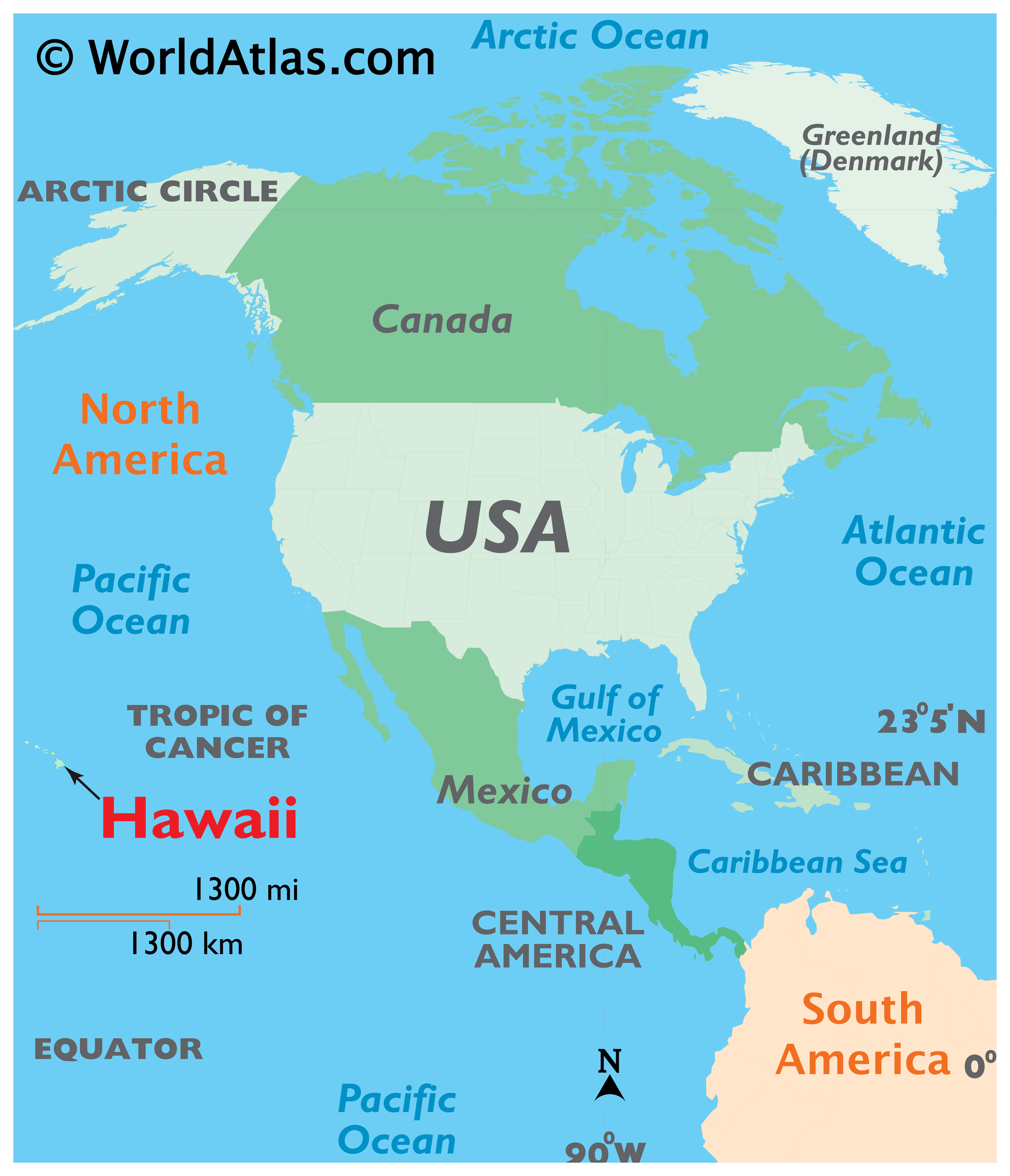
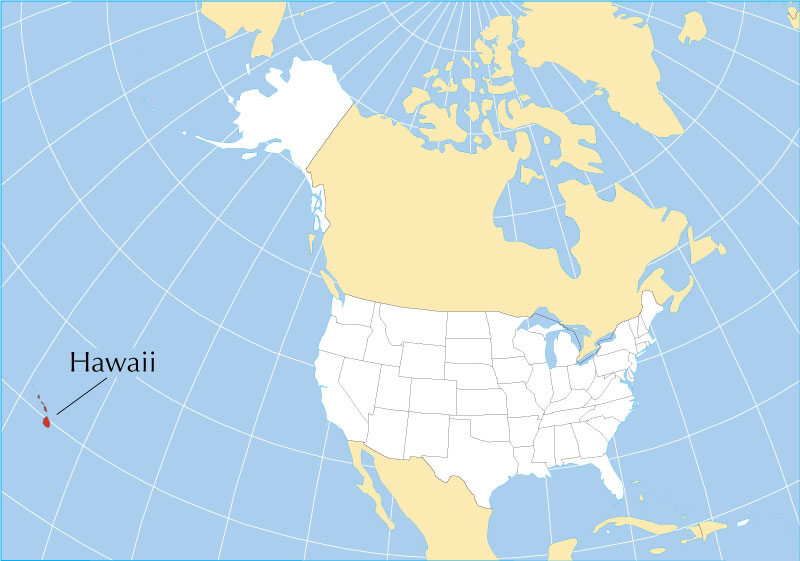
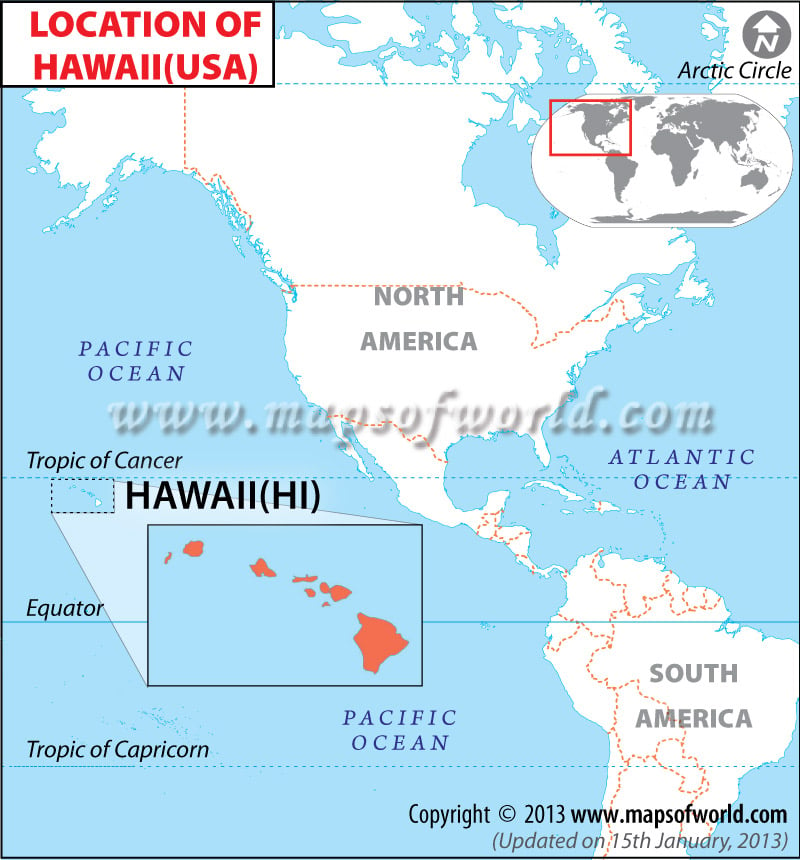
Yes, Hawaii is the 50th state of the United States of America. While it is geographically isolated from the mainland in the central Pacific Ocean, it remains an integral part of the nation. It is the only state located outside of North America, the only state composed entirely of islands, and the only state located in the tropics. This unique position gives Hawaii a dual identity: it is a modern American state governed by the same federal laws as California or New York, yet it possesses a profound cultural and historical legacy that dates back centuries before its admission to the Union in 1959. To understand Hawaii is to explore its landmarks—those physical spaces that tell the story of a sovereign kingdom, a strategic military outpost, and a volcanic marvel.
The Historical Journey to Statehood and Its Architectural Symbols
The question of Hawaii’s status is often rooted in its complex history. Long before it became a state, it was a unified kingdom. The transition from a monarchy to a territory and eventually to the 50th state is best understood through its most significant architectural landmarks.
Iolani Palace: The Only Royal Residence in the Union
Located in downtown Honolulu on the island of Oahu, Iolani Palace stands as a testament to the sophistication and international reach of the Hawaiian Kingdom. Completed in 1882 by King Kalakaua, the palace was a marvel of its time, featuring electricity and telephone lines before the White House in Washington DC.
As a landmark, it serves as a poignant reminder of the kingdom’s overthrow in 1893. It was here that Queen Liliuokalani, the last reigning monarch, was held under house arrest. Today, the palace is a National Historic Landmark, meticulously restored to show the opulence of the Hawaiian monarchy. For visitors and residents alike, it provides the essential context of how Hawaii entered the American fold, bridging the gap between its indigenous sovereign roots and its current status within the United States of America.
The Statue of King Kamehameha I
Standing proudly across from Iolani Palace is the bronze statue of King Kamehameha I. Known as Kamehameha the Great, he was the leader who unified the islands into one kingdom in 1810. The landmark is draped in long lei during Kamehameha Day celebrations, symbolizing the enduring respect for the man who first brought the various islands under a single rule. This landmark represents the foundational identity of Hawaii as a distinct cultural entity that existed long before the stars and stripes were raised over the islands.
Volcanic Landscapes: Nature’s Living Monuments
If history defines the state’s political status, geology defines its physical existence. Hawaii is essentially a chain of volcanic peaks rising from the sea floor. These natural landmarks are not just tourist attractions; they are the literal foundations of the 50th state.
Hawaii Volcanoes National Park and the Power of Kilauea
On the Big Island (also known as the island of Hawaii), Hawaii Volcanoes National Park protects some of the most unique geological features in the United States of America. The park is home to Kilauea, one of the world’s most active volcanoes, and Mauna Loa, the largest subaerial volcano on Earth.
These landmarks provide a front-row seat to the process of island building. Unlike the dormant peaks found in much of the mainland United States of America, the volcanoes of Hawaii are alive. The park features vast lava tubes, smoking craters, and blackened plains where new earth is constantly being formed. This dynamic landscape reinforces Hawaii’s reputation as a place of constant transformation, where the forces of nature are visible and visceral.
Haleakala: The House of the Sun
On the island of Maui, Haleakala National Park centers around the massive Haleakala crater. This shield volcano forms more than 75% of the island. According to Hawaiian legend, the demigod Maui lassoed the sun from the summit of this mountain to slow its journey across the sky, giving his people more daylight.
The summit, rising 10,023 feet above sea level, is a premier landmark for astronomical research and a world-renowned spot for watching the sunrise. The stark, lunar-like landscape within the crater is home to rare species like the Ahinahina (Silversword plant) and the Nene (Hawaiian goose). These endemic species underscore the biological isolation and uniqueness of this American state.
Coastal and Military Landmarks of Oahu
The island of Oahu serves as the economic and political heart of the state. Its landmarks reflect both the natural beauty of the Pacific Ocean and the pivotal role Hawaii has played in global history.
Pearl Harbor and the USS Arizona Memorial
Perhaps the most famous landmark in Hawaii regarding its relationship with the rest of the United States of America is Pearl Harbor. On December 7, 1941, the surprise attack on this naval base propelled the country into World War II.
The USS Arizona Memorial is a solemn structure built directly over the sunken remains of the battleship. It serves as a place of pilgrimage for millions, honoring the sailors and marines who lost their lives. This site is a powerful reminder of Hawaii’s strategic importance to the United States of America and its role as a sentinel in the Pacific. Nearby, the USS Missouri stands as a landmark of the war’s conclusion, as it was the site of the Japanese surrender.
Diamond Head: An Iconic Tuff Cone
Recognizable in nearly every postcard of Honolulu, Diamond Head State Monument (known in Hawaiian as Leahi) is an iconic volcanic tuff cone. Its silhouette defines the eastern edge of the Waikiki Beach skyline.
Designated a National Natural Landmark in 1968, the trail to the summit offers panoramic views of the coast. Originally used by the military as a lookout point due to its commanding view of the ocean, it now stands as a recreational landmark. Its presence is a constant reminder of the volcanic origin of Oahu, even as modern skyscrapers and luxury resorts rise at its feet.
The Garden Isle and the Valley Isle’s Geographic Wonders
While Oahu and the Big Island offer grand historical and volcanic sites, the islands of Kauai and Maui host landmarks that showcase the sheer power of erosion and time.
Waimea Canyon: The Grand Canyon of the Pacific
On the island of Kauai, Waimea Canyon State Park reveals a side of Hawaii that many do not expect. Stretching ten miles long and dropping 3,000 feet deep, the canyon features red soil, lush greenery, and cascading waterfalls. This landmark was famously dubbed the “Grand Canyon of the Pacific” by Mark Twain.
The canyon was formed by the catastrophic collapse of the volcano that created Kauai, followed by millions of years of rainfall from Mount Waialeale, one of the wettest spots on the planet. As a landmark, it highlights the diversity of the American landscape, proving that the United States of America contains some of the most varied terrain on the globe.
Na Pali Coast: Hawaii’s Untouched Cathedral
Also on Kauai, the Na Pali Coast State Park is perhaps the most photographed natural landmark in the world. Its razor-sharp emerald ridges rise 4,000 feet directly from the Pacific Ocean. Accessible only by boat, helicopter, or the strenuous Kalalau Trail, this coastline is a testament to the raw, untamed beauty of the islands. It remains largely untouched by modern development, serving as a sanctuary for native plants and ancient Hawaiian cultural sites, including stone-walled terraces where ancestors once lived and farmed.
Preserving the Cultural Identity of the 50th State
The landmarks of Hawaii are not just mountains and buildings; they are also institutions dedicated to preserving the story of the people who first settled these islands.
The Bishop Museum and Polynesian Heritage
In Honolulu, the Bernice Pauahi Bishop Museum is the premier landmark for the study of Hawaiian and Polynesian culture. Founded in 1889, it holds the world’s largest collection of Polynesian artifacts. For those asking if Hawaii is in the United States of America, this museum provides the answer through the lens of cultural fusion. It documents the voyaging traditions that brought Polynesians to Hawaii over a millennium ago, long before European explorers arrived. As a landmark, it bridges the gap between the ancient Pacific world and the modern American era.
Cultural Centers as Living Landmarks
Beyond the museums, sites like the Polynesian Cultural Center on the north shore of Oahu act as living landmarks. Here, the traditions of Hawaii, Samoa, Tahiti, Fiji, and Tonga are kept alive through performance and education. These centers ensure that the “Aloha Spirit”—a legal requirement and cultural cornerstone in Hawaii—is passed on to the millions of visitors who come to the islands each year.
In conclusion, Hawaii is firmly and proudly part of the United States of America. From the halls of Iolani Palace to the active vents of Kilauea, and from the somber waters of Pearl Harbor to the soaring heights of the Na Pali Coast, the landmarks of these islands tell a story of a state that is as diverse, complex, and beautiful as any in the Union. Understanding Hawaii through its landmarks reveals a place where American identity and Pacific heritage meet, creating a unique and indispensable part of the American fabric.
LifeOutOfTheBox is a participant in the Amazon Services LLC Associates Program, an affiliate advertising program designed to provide a means for sites to earn advertising fees by advertising and linking to Amazon.com. Amazon, the Amazon logo, AmazonSupply, and the AmazonSupply logo are trademarks of Amazon.com, Inc. or its affiliates. As an Amazon Associate we earn affiliate commissions from qualifying purchases.