
Understanding the earning potential for MRI Techs in California is a crucial aspect of career planning and lifestyle considerations for healthcare professionals. The Golden State, renowned for its dynamic economy, innovative industries, and diverse landscapes, also presents a unique professional environment, characterized by both high demand for skilled labor and a famously high cost of living. For those considering a career or relocation within Magnetic Resonance Imaging, delving into the financial aspects of this profession in California offers vital insights into building a sustainable and rewarding life.
The Financial Landscape for MRI Techs in California
California consistently ranks among the states with the highest average salaries for MRI Techs. This elevated compensation reflects the state’s robust healthcare infrastructure, advanced medical technology, and the competitive demand for specialized technical skills. However, these figures must always be contextualized by the equally high cost of living prevalent across much of the state.

Average Salary Benchmarks
On average, an MRI Tech in California can expect to earn significantly more than the national average. Entry-level positions for those just starting their careers, typically with 0-2 years of experience, might see salaries ranging from approximately $70,000 to $90,000 annually. As professionals gain more experience, especially 5-10 years, their salaries can climb substantially, often reaching between $95,000 and $120,000 per year. Highly experienced MRI Techs with a decade or more under their belt, particularly those in leadership roles or with advanced specializations, can command salaries upwards of $130,000 to $150,000 or even higher in prime metropolitan areas. These figures represent base salaries and do not always include potential overtime pay, on-call compensation, or benefits packages, which can further enhance total compensation.
Regional Salary Variations Across California
The vast geographical and economic diversity of California means that salary expectations for MRI Techs can vary significantly from one region to another. Major metropolitan areas, particularly those with dense populations and numerous medical facilities, typically offer the highest pay scales.
- San Francisco Bay Area: Home to San Francisco, Oakland, and the tech-heavy Silicon Valley, this region often boasts the highest salaries in the state, reflecting its extremely high cost of living. Salaries here can push the upper limits of the statewide averages.
- Southern California: Cities like Los Angeles, San Diego, and the Orange County area also offer highly competitive wages, slightly trailing the Bay Area but still well above national averages. These regions feature extensive healthcare networks and a large patient base.
- Central Valley and Inland Empire: Areas such as Sacramento, Fresno, Bakersfield, and Riverside generally offer lower salaries compared to coastal metropolitan hubs. However, these regions also typically present a more manageable cost of living, which can lead to a comparable, or sometimes even better, quality of life when purchasing power is considered.
Understanding these regional differences is crucial for any MRI Tech planning their career trajectory within California, as the balance between salary and local expenses dictates true financial comfort.
Factors Influencing MRI Tech Compensation
Several key factors beyond geographical location play a significant role in determining an MRI Tech’s earning potential in California. These elements often interconnect, creating a complex compensation landscape that rewards specialization, experience, and strategic career development.
Experience and Seniority
As with most professions, experience is a primary driver of higher salaries for MRI Techs. Entry-level technicians often start with foundational salaries, but with each passing year, their skills deepen, their efficiency improves, and their ability to handle complex cases grows. This progression naturally leads to increased compensation. Senior technicians may also take on mentoring roles, lead shifts, or specialize in advanced imaging protocols, all of which justify a higher pay grade. The accumulated knowledge and problem-solving abilities developed over years in the field are highly valued by employers.
Education, Certifications, and Specializations
While an associate’s degree is typically the minimum educational requirement for MRI Techs, those who pursue a bachelor’s degree or additional certifications often see a positive impact on their earning potential. The most critical credential for an MRI Tech is typically certification by the American Registry of Radiologic Technologists (ARRT) in Magnetic Resonance Imaging (MR). Holding this credential is often a prerequisite for employment and signifies a high standard of competence. Beyond the basic MR certification, specializations in areas such as cardiovascular MRI, neuroimaging, or pediatric MRI can further enhance a tech’s marketability and command a higher salary. These advanced skills allow technicians to work with more complex equipment and patient populations, making them invaluable assets to specialized medical centers.
Type of Healthcare Facility
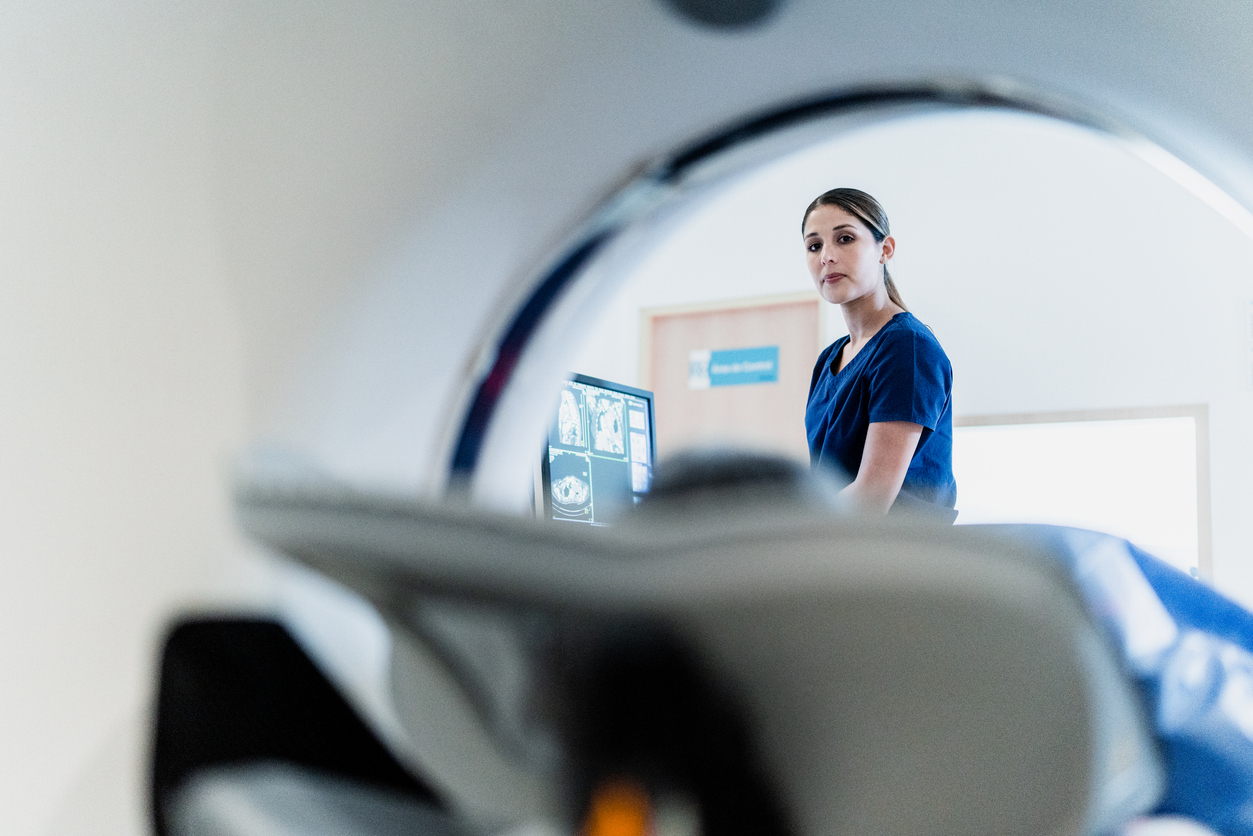
The nature of the employing facility also significantly influences an MRI Tech’s salary.
- Hospitals: Large hospital systems, particularly academic medical centers or trauma centers, often offer comprehensive benefits packages and competitive salaries, especially for technicians willing to work varied shifts or on-call. Their complexity and 24/7 operations require a robust and skilled imaging staff.
- Outpatient Imaging Centers: While these facilities may offer a more predictable schedule, their salaries can sometimes be slightly lower than those in large hospitals, though they often compensate with better work-life balance.
- Specialty Clinics: Facilities focused on specific areas like orthopedics or neurology may offer specialized roles and compensation that align with their niche services.
- Mobile Imaging Services: Some MRI Techs work for mobile imaging units that travel to various sites. These roles can sometimes come with unique compensation structures, including travel allowances, but also demand flexibility.
The Impact of Demand and Shortages
The law of supply and demand plays a significant role in MRI Tech salaries. In areas experiencing a shortage of qualified professionals, employers may offer higher salaries, sign-on bonuses, or more attractive benefits packages to attract and retain talent. California, with its large and aging population, consistently sees high demand for diagnostic imaging services, often leading to a competitive job market for skilled MRI Techs. This underlying demand contributes to the generally high wage environment found throughout the state.
Cost of Living in California: A Crucial Context
While MRI Techs in California enjoy some of the highest salaries in the nation, the state’s notoriously high cost of living profoundly impacts their actual purchasing power and quality of life. Understanding this balance is fundamental to evaluating the true value of their compensation.
High-Cost Metropolitan Areas
Major metropolitan areas like the San Francisco Bay Area, Los Angeles, and San Diego are celebrated for their vibrant cultures and economic opportunities, but they also represent some of the most expensive places to live in the United States. Housing, in particular, consumes a substantial portion of an individual’s income. Rent for a modest one-bedroom apartment in these cities can easily range from $2,500 to over $4,000 per month. Homeownership is even more challenging, with median home prices in certain Bay Area and Southern California markets frequently exceeding $1 million. Beyond housing, daily expenses such as groceries, transportation, utilities, and entertainment are also significantly higher than the national average. This means that a high salary, while impressive on paper, needs to be critically assessed against the reality of local expenses.
Balancing Salary with Expenses
For an MRI Tech considering a move to or within California, a comprehensive budget analysis is imperative. A tech earning $100,000 in Fresno (where the cost of living is lower) might have more disposable income and a higher quality of life than one earning $120,000 in San Francisco. Factors such as commuting costs, childcare expenses, and personal spending habits all weigh heavily on financial well-being. Many professionals choose to live in more affordable outlying communities and commute, trading travel time for greater financial solvency. Furthermore, understanding the total compensation package, including health insurance, retirement contributions, and paid time off, is crucial, as these benefits can significantly reduce out-of-pocket expenses and enhance overall financial security.
Career Outlook and Maximizing Earning Potential
The career outlook for MRI Techs in California remains robust, driven by an aging population, advancements in medical technology, and the increasing reliance on diagnostic imaging for accurate diagnoses and treatment planning. This positive trend offers excellent opportunities for both entry-level professionals and experienced practitioners.
Demand and Job Growth Projections
The demand for MRI Techs is projected to grow steadily over the next decade, a trend consistent nationally and often amplified in a state like California with its large and diverse population. As the population ages, the incidence of conditions requiring diagnostic imaging, such as cancer, heart disease, and musculoskeletal disorders, increases. Furthermore, ongoing innovations in Magnetic Resonance Imaging technology require a continuously skilled workforce capable of operating and adapting to new equipment and techniques. This consistent demand ensures job security and provides leverage for negotiating competitive salaries and benefits.

Strategies for Salary Advancement
For MRI Techs looking to maximize their earning potential in California, several proactive strategies can be employed:
- Continuing Education and Advanced Certifications: Investing in specialized certifications (e.g., advanced imaging modalities, specific body regions) or pursuing a bachelor’s degree can open doors to higher-paying positions and leadership roles.
- Gaining Experience in High-Demand Settings: Working in trauma centers, large university hospitals, or facilities that operate 24/7 can often lead to higher base pay, overtime opportunities, and exposure to a wider range of cases, accelerating skill development.
- Geographic Mobility: Being open to relocating to areas within California that offer a better balance of salary versus cost of living, or where demand is particularly high, can significantly impact financial well-being.
- Networking and Professional Affiliations: Building a professional network and joining organizations like the American Registry of Radiologic Technologists can provide insights into job market trends, facilitate job opportunities, and offer avenues for professional development.
- Negotiation Skills: Regularly researching salary benchmarks and confidently negotiating compensation during job offers or annual reviews is crucial. Highlighting specialized skills, experience, and value brought to the employer can result in substantial salary increases.
- Per Diem and Travel Assignments: For ultimate flexibility and often higher hourly rates, some MRI Techs opt for per diem shifts or travel contracts, which can significantly boost short-term earnings, although often with fewer benefits.
In conclusion, a career as an MRI Tech in California offers competitive salaries that rank among the highest nationally. However, success and financial satisfaction hinge on a nuanced understanding of how these earnings interact with the state’s high cost of living. By strategically managing their career development, pursuing advanced skills, and making informed decisions about where to work, MRI Techs can forge a prosperous and fulfilling lifestyle in the Golden State.
LifeOutOfTheBox is a participant in the Amazon Services LLC Associates Program, an affiliate advertising program designed to provide a means for sites to earn advertising fees by advertising and linking to Amazon.com. Amazon, the Amazon logo, AmazonSupply, and the AmazonSupply logo are trademarks of Amazon.com, Inc. or its affiliates. As an Amazon Associate we earn affiliate commissions from qualifying purchases.