
For travelers planning a getaway to the United States and specifically looking at the central Pacific Ocean, understanding the average temperature in Hawaii is the first step in crafting the perfect itinerary. Known for its “perpetual spring,” the archipelago offers some of the most consistent and inviting weather on the planet. However, beneath the surface of this tropical paradise lies a complex system of microclimates, seasonal shifts, and dramatic altitude changes that can take a traveler from a sun-drenched beach to a snow-capped volcano in a single afternoon.
Understanding the Two-Season Climate of the Islands
Unlike the four distinct seasons found in many continental regions, the Hawaiian Islands essentially experience only two seasons: summer (known in Hawaiian as Kau) and winter (Hooilo). This simplicity is one of the biggest draws for global tourism, as the temperature fluctuations between the hottest month and the coolest month rarely exceed 10 degrees Fahrenheit at sea level.

The Warm Season (Summer)
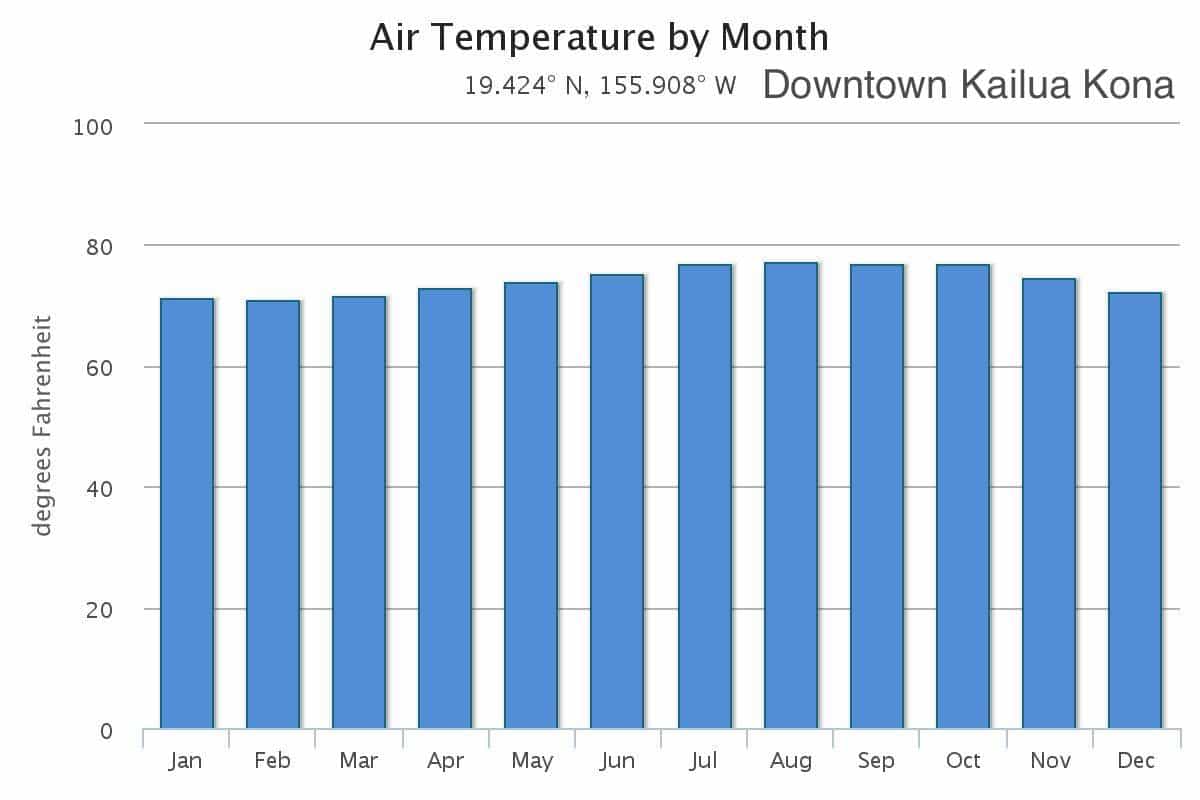
From May through October, the average daytime temperature at sea level hovers around 85°F (29°C). During this period, the sun is nearly overhead, and the heat is tempered by the reliable Northeast trade winds. These winds are the secret to Hawaii’s legendary comfort; they act as a natural air conditioning system, wicking away humidity and making even the warmest afternoons feel refreshing. For travelers visiting during the summer, the evenings remain balmy, with temperatures rarely dipping below 75°F (24°C). This is the prime season for water activities, as the ocean temperatures also peak during these months.
The Cooler Season (Winter)
The “winter” months, spanning from November to April, see average daytime highs of approximately 78°F (25°C). While this might qualify as a peak summer day in other parts of the world, for residents of Honolulu, it marks a subtle shift toward cooler, breezier days. Overnight lows during the winter can drop to 65°F (18°C) at coastal levels. This season also brings a higher probability of rain, particularly on the windward sides of the islands, but the showers are often brief and followed by the famous Hawaiian rainbows.
The Role of the Trade Winds
The Northeast trade winds are the most significant factor influencing how the temperature “feels” to a visitor. When these winds are blowing, the air feels crisp and dry. However, there are times when the trade winds fail, leading to “Kona weather.” During these spells, the winds shift to come from the south or west, bringing higher humidity and occasionally volcanic haze (known as vog) from the Big Island. In these conditions, the average temperature can feel much warmer than the thermometer indicates.
Temperature and Atmosphere Across the Major Islands
While the state-wide average is remarkably stable, each island possesses a unique personality and temperature profile based on its geography and topography. A traveler’s experience of the weather can vary significantly depending on whether they are standing on the shores of Oahu or the cliffs of Kauai.
Oahu: The Gathering Place
On the island of Oahu, the climate is the epitome of tropical balance. In Honolulu and specifically along the shores of Waikiki Beach, temperatures are incredibly consistent. Daytime highs in August average 88°F, while January averages 80°F. For those visiting attractions like Pearl Harbor or hiking the Diamond Head trail, the heat is often more intense due to the lack of shade and the urban heat island effect of the city. Conversely, a drive to the North Shore during the winter months reveals a slightly cooler, windier environment, famous for its massive surf swells.
Maui: The Valley Isle
Maui offers a more diverse temperature range due to its dramatic landscape. The coastal resorts in Wailea and Lahaina are typically some of the driest and warmest spots in the state, often reaching the high 80s in the summer. However, as you travel the Road to Hana, the temperature drops slightly as the humidity increases in the lush rainforests of Hana. The “valley” between the island’s two volcanoes can also funnel winds, creating localized cooling effects that make the Kapalua area feel significantly breezier than the southern coast.
Kauai: The Garden Isle
As the oldest of the main islands, Kauai is rugged and exceptionally green. This lushness is a result of higher rainfall, particularly in the interior around Mount Waialeale. The average temperature in Lihue is often a degree or two lower than in Honolulu. Travelers exploring the Na Pali Coast or the depths of Waimea Canyon should expect cooler, mistier conditions. Waimea Canyon, often called the “Grand Canyon of the Pacific,” can be significantly cooler than the nearby coast due to its elevation and shaded valleys.
The Big Island: A Land of Extremes
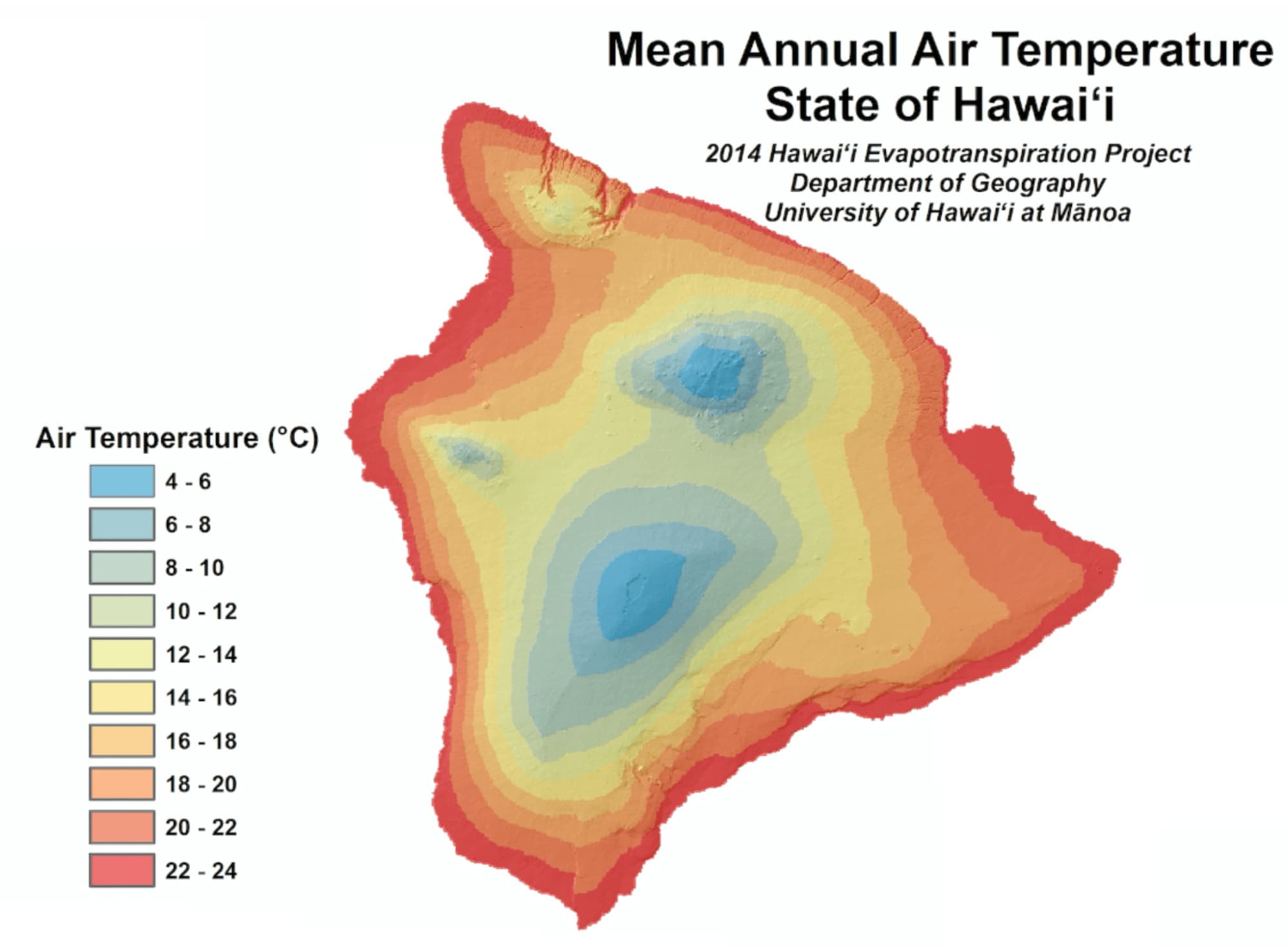
The Island of Hawaii is unique because it contains 4 out of the 5 major climate zones. The temperature differences here are the most dramatic in the state. On the west side, Kailua-Kona is typically hot, dry, and sunny, with average highs in the upper 80s. On the east side, Hilo is much wetter and slightly cooler, with lush tropical gardens thriving in the frequent rain. Meanwhile, the region surrounding Hawaii Volcanoes National Park sits at an elevation of 4,000 feet, where the average temperature is often 15 degrees cooler than at the beach.
Coastal Comfort vs. Mountain Altitudes
The single most important rule for travelers to remember regarding Hawaii’s temperature is that for every 1,000 feet of elevation gain, the temperature drops by approximately 3.5 degrees Fahrenheit. This makes the high-altitude landmarks of the islands entirely different worlds from the palm-fringed beaches below.
The Chills of Haleakala and Mauna Kea
One of the most popular activities in Maui is watching the sunrise from the summit of Haleakala. At over 10,000 feet, the temperature at the summit of Haleakala National Park can be 30 to 40 degrees lower than at sea level. It is not uncommon for temperatures to be near freezing before dawn, even in the middle of summer.
Similarly, on the Island of Hawaii, the peaks of Mauna Kea and Mauna Loa reach over 13,000 feet. These are the only places in the state where snow is a regular occurrence. Travelers heading to the Mauna Kea observatory must prepare for sub-freezing temperatures and high winds, a stark contrast to the tropical heat of the Kona coast just 90 minutes away.
Water Temperatures in the Pacific Ocean
For many visitors, the “average temperature” that matters most is that of the water. The Pacific Ocean surrounding the islands is remarkably welcoming year-round. In the winter, surface water temperatures average about 74°F (23°C). By late summer and early autumn, the water warms up to an average of 80°F (27°C). This consistency makes Hawaii a premier destination for snorkeling, surfing, and swimming regardless of the month on the calendar.
Practical Travel Advice for Hawaii’s Microclimates
Planning a trip based on the average temperature requires more than just checking a weather app. It involves understanding the geography of where you are staying and what activities you plan to undertake.
Best Time to Visit for Ideal Weather
If your goal is maximum sunshine and the highest temperatures, the months of June, July, August, and September are ideal. During this window, the leeward (west and south) sides of the islands like Maui and Oahu are almost guaranteed to be dry and hot. For those who prefer milder heat and don’t mind a tropical afternoon shower, the shoulder seasons of April-May and October-November offer the perfect compromise, with fewer crowds and very pleasant mid-range temperatures.
What to Pack for Varied Temperatures
The biggest mistake travelers make is packing only for 80-degree weather. While shorts, sundresses, and swimwear are the staples of any Hawaiian vacation, the island’s microclimates require a layered approach.
- Lightweight Rain Gear: Essential for exploring the windward coasts or hiking in Kauai.
- Warm Layers: If you plan to visit Haleakala or the Hawaii Volcanoes National Park, a heavy fleece or a windbreaker is mandatory.
- Breathable Fabrics: Cotton and linen are best for managing the humidity in places like Hilo.
- Sturdy Footwear: If you are visiting Molokai or Lanai for rugged trail hiking, remember that mountain temperatures and damp ground can make for a cooler experience than a casual stroll in Waikiki.
In conclusion, the average temperature in Hawaii is a reliable 75°F to 85°F at sea level, but the true beauty of the islands lies in their climatic diversity. By understanding how the trade winds, elevations, and seasonal shifts interact, travelers can ensure they are perfectly prepared for every experience the islands have to offer, from the sun-drenched sands to the misty, volcanic heights.
LifeOutOfTheBox is a participant in the Amazon Services LLC Associates Program, an affiliate advertising program designed to provide a means for sites to earn advertising fees by advertising and linking to Amazon.com. Amazon, the Amazon logo, AmazonSupply, and the AmazonSupply logo are trademarks of Amazon.com, Inc. or its affiliates. As an Amazon Associate we earn affiliate commissions from qualifying purchases.