
Becoming a social worker in Texas is a rewarding career path for those dedicated to helping individuals, families, and communities navigate challenges and improve their well-being. The Lone Star State offers a diverse landscape of social service needs, from the bustling metropolises of Houston and Dallas to the more rural areas, each presenting unique opportunities for social work practice. This guide outlines the essential steps and considerations for aspiring social workers in Texas, focusing on the educational, licensing, and professional development pathways.
Educational Requirements for Social Work in Texas
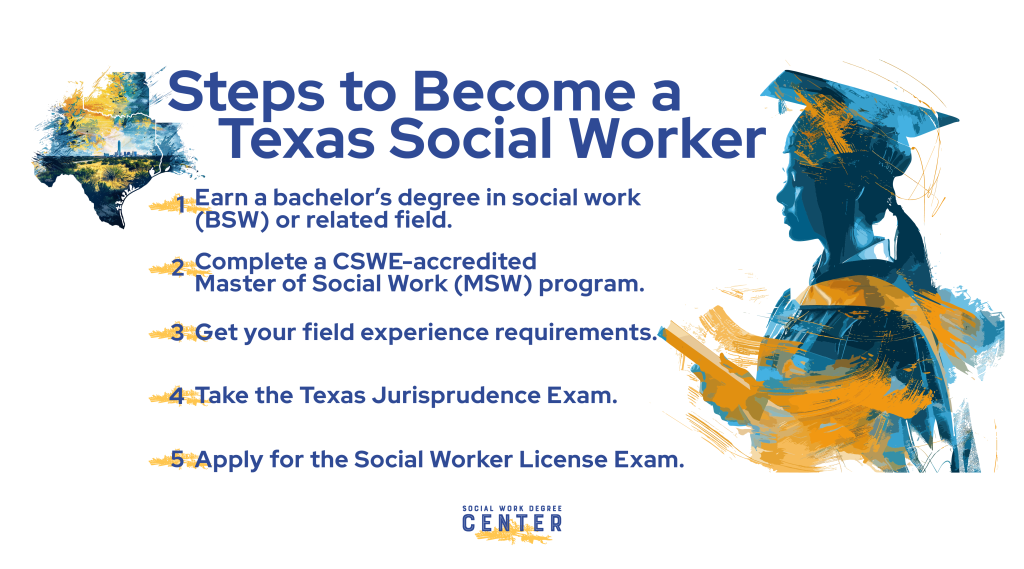
The foundational step to becoming a licensed social worker in Texas is obtaining the appropriate education. The Texas State Board of Social Worker Examiners (TSBSWE) governs the licensing process and mandates specific educational qualifications based on the level of licensure desired.
Bachelor of Social Work (BSW)
A Bachelor of Social Work (BSW) degree is the entry-level qualification for practice as a social worker in Texas. This undergraduate degree program is designed to provide students with a comprehensive understanding of social work principles, ethics, human behavior, and social welfare policy.
- Accreditation: It is crucial to ensure that any BSW program you consider is accredited by the Council on Social Work Education (CSWE). CSWE accreditation signifies that the program meets rigorous educational standards and prepares graduates for professional social work practice. Many universities across Texas offer CSWE-accredited BSW programs, including The University of Texas at Austin, Texas A&M University, and Baylor University.
- Curriculum: BSW programs typically include coursework in areas such as:
- Human behavior and the social environment
- Social welfare policy and services
- Social work practice methods (e.g., individuals, families, groups, communities)
- Research methods
- Ethics and professional values
- Field education (internship)
- Field Education: A significant component of any BSW program is the field education experience, commonly referred to as an internship. This supervised practical experience allows students to apply their classroom learning in real-world settings under the guidance of experienced social workers. The internship is invaluable for developing practical skills and exploring areas of interest within the profession.
Master of Social Work (MSW)
For those seeking to advance their career prospects, specialize in a particular area of practice, or pursue clinical licensure, a Master of Social Work (MSW) degree is often necessary. An MSW program builds upon the foundation of a BSW (or provides a comprehensive foundation for those entering without a BSW) with advanced coursework and specialized training.
- Advanced Standing Programs: Students who have completed a CSWE-accredited BSW program may be eligible for advanced standing MSW programs. These programs typically allow students to complete their MSW in one year instead of the usual two years, as they receive credit for undergraduate coursework.
- Standard MSW Programs: For individuals holding a bachelor’s degree in a field other than social work, a standard two-year MSW program is available. These programs offer a more in-depth exploration of social work theory, research, and practice methods.
- Specializations: MSW programs often allow students to specialize in areas such as:
- Clinical Social Work
- Child and Family Welfare
- Mental Health
- Gerontology
- Community and Administrative Practice
- Health/Medical Social Work
- Accreditation: Similar to BSW programs, ensure that any MSW program you consider is accredited by CSWE.
Licensing in Texas
Texas offers several levels of licensure for social workers, each with its own educational and examination requirements. These licenses ensure that social workers meet professional standards and are qualified to practice. The TSBSWE oversees the licensing process.
Licensed Baccalaureate Social Worker (LBSW)
This is the entry-level license for individuals who have earned a BSW degree from a CSWE-accredited program.
- Requirements:
- Hold a BSW degree from a CSWE-accredited program.
- Pass the ASWB Bachelor’s level examination.
- Submit a complete application with required documentation and fees to the TSBSWE.
- Scope of Practice: LBSWs can provide generalist social work services, including case management, advocacy, and resource connection, typically under the supervision of a licensed master social worker or a licensed clinical social worker, depending on the setting.
Licensed Master Social Worker (LMSW)
This license is for individuals who hold an MSW degree from a CSWE-accredited program.
- Requirements:
- Hold an MSW degree from a CSWE-accredited program.
- Pass the ASWB Master’s level examination.
- Submit a complete application with required documentation and fees to the TSBSWE.
- Scope of Practice: LMSWs can provide a broader range of social work services, including assessment, intervention, and program development, and may offer supervision to LBSWs. They can practice independently in non-clinical settings.

Licensed Clinical Social Worker (LCSW)
This is the highest level of licensure in Texas, permitting individuals to practice clinical social work independently, including diagnosis and psychotherapy.
- Requirements:
- Hold an MSW degree from a CSWE-accredited program.
- Complete a minimum of 3,000 hours of supervised clinical social work experience. This experience must be gained under the supervision of an LCSW or another qualified mental health professional as approved by the TSBSWE.
- Pass the ASWB Clinical level examination.
- Submit a complete application with required documentation and fees to the TSBSWE.
- Scope of Practice: LCSWs are qualified to provide mental health assessments, diagnoses, and treatment planning, including individual, group, and family therapy. They can work in a variety of settings, including private practice, hospitals, community mental health centers, and schools.
Temporary Licensure
Texas also offers temporary licenses to allow individuals to gain supervised experience required for higher levels of licensure. These temporary licenses have specific requirements and limitations and are designed to facilitate the pathway to full licensure.
The ASWB Examination
A crucial component of the licensing process in Texas is passing the Association of Social Work Boards (ASWB) examinations. These standardized exams assess a candidate’s knowledge and skills in social work practice at different levels.
- Exam Levels: There are four ASWB exam levels: Bachelor’s, Master’s, Advanced Generalist, and Clinical. The level of exam required depends on the license you are seeking (LBSW, LMSW, or LCSW).
- Preparation: Adequate preparation is essential for success on the ASWB exams. Resources available include study guides, practice exams, and review courses. Understanding the exam structure, content areas, and test-taking strategies can significantly improve your chances of passing.
Finding Employment and Gaining Experience
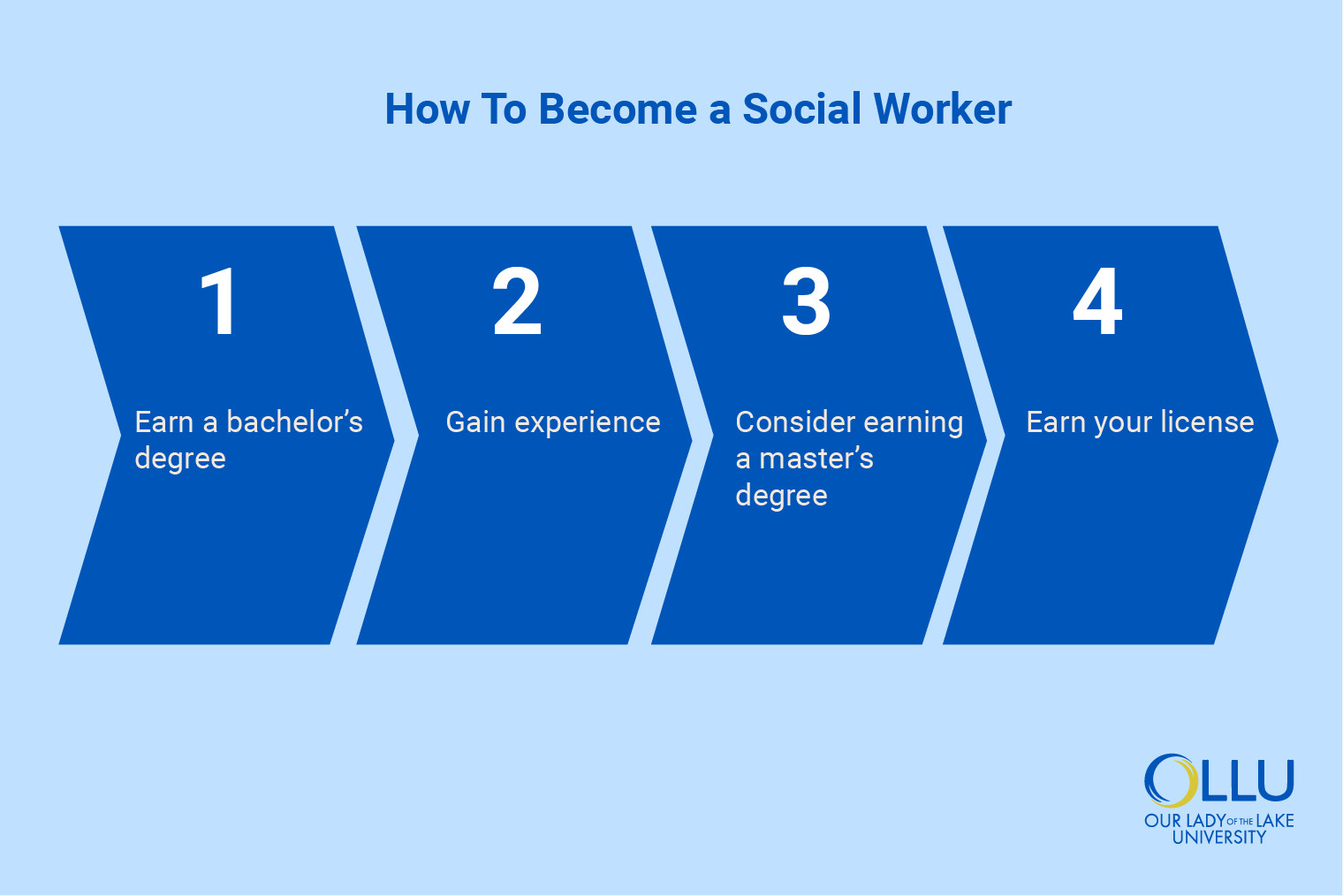
Once you have met the educational requirements, the next step is to gain practical experience, which can lead to employment opportunities across Texas. The demand for social workers is high in various sectors.
Types of Social Work Settings
- Child Welfare: Agencies like the Texas Department of Family and Protective Services employ social workers to protect children from abuse and neglect, facilitate adoptions, and provide support to families.
- Healthcare: Hospitals, clinics, and hospice facilities employ medical social workers to assist patients and families with medical crises, navigate healthcare systems, and access support services. Major healthcare systems in Texas include Texas Health Resources and MD Anderson Cancer Center.
- Mental Health: Community mental health centers, psychiatric hospitals, and private practices hire social workers to provide counseling, therapy, and case management for individuals with mental health conditions.
- Schools: School social workers address the social, emotional, and behavioral needs of students, working with them, their families, and school staff to promote academic success and well-being. Districts like the Houston Independent School District and Dallas Independent School District employ school social workers.
- Correctional Facilities: Social workers in correctional settings assist incarcerated individuals with rehabilitation, reintegration into society, and family support.
- Non-profit Organizations: A vast network of non-profit organizations across Texas focuses on diverse issues, including poverty, homelessness, domestic violence, substance abuse, and community development. These organizations offer numerous employment opportunities for social workers.
The Importance of Supervision
For those pursuing LMSW or LCSW licensure, obtaining supervised experience is paramount. Seeking out positions that offer qualified supervision is essential. Many agencies that hire social workers provide structured supervision programs as part of their employee development and to support licensure candidates.
Continuing Education and Professional Development
Licensure in Texas requires social workers to engage in ongoing professional development to maintain their credentials.
- Continuing Education Units (CEUs): Licensed social workers must complete a specified number of CEUs every two years to renew their licenses. These CEUs can be obtained through workshops, conferences, online courses, and other approved training programs. The TSBSWE provides guidelines on acceptable CEU activities.
- Professional Organizations: Joining professional organizations such as the National Association of Social Workers (NASW) – Texas Chapter can offer valuable resources, networking opportunities, advocacy efforts, and access to continuing education.
- Specialization and Advanced Training: As you gain experience, you may wish to pursue further specialization through advanced training or certifications in areas like trauma-informed care, substance abuse counseling, or specific therapeutic modalities. This not only enhances your skills but can also open up new career avenues within the field of social work in Texas.
Becoming a social worker in Texas is a structured yet deeply impactful journey. By understanding and fulfilling the educational and licensing requirements, gaining valuable experience, and committing to lifelong learning, you can embark on a fulfilling career dedicated to serving the diverse needs of communities across the state.
LifeOutOfTheBox is a participant in the Amazon Services LLC Associates Program, an affiliate advertising program designed to provide a means for sites to earn advertising fees by advertising and linking to Amazon.com. Amazon, the Amazon logo, AmazonSupply, and the AmazonSupply logo are trademarks of Amazon.com, Inc. or its affiliates. As an Amazon Associate we earn affiliate commissions from qualifying purchases.