
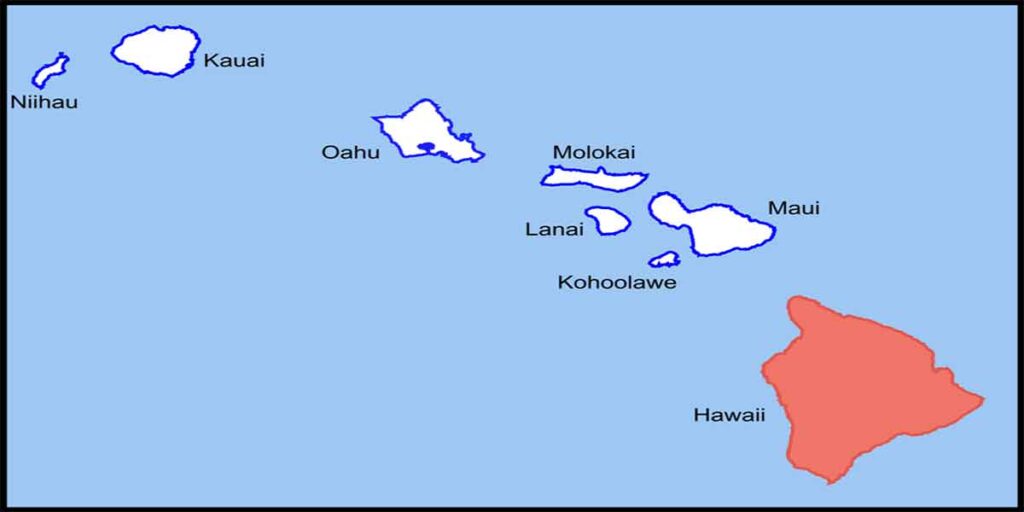
The geographic and cultural identity of the largest landmass in the Hawaiian Islands is often a point of fascinating clarification for visitors and students of geography alike. While it is universally known by its descriptive nickname, the official name of the island is simply Hawaii. Because the island shares its name with the state of Hawaii, the moniker Big Island was adopted to distinguish the specific island from the broader archipelago and the political entity of the United States to which it belongs. As a premier destination for those studying volcanic activity, ancient Polynesian history, and diverse ecosystems, the island serves as a monumental landmark in the middle of the Pacific Ocean.
The Geological Identity of the Island of Hawaii
The Big Island is a geological marvel, formed by the activity of five distinct shield volcanoes. Its sheer size is its most defining characteristic; it is larger than all the other major islands in the chain combined. This massive landmass is not merely a destination but a collection of some of the most significant natural landmarks in the world.
Hawaii Volcanoes National Park
At the heart of the island’s physical identity is Hawaii Volcanoes National Park. Established in 1916 and later designated as a UNESCO World Heritage Site, this park protects some of the most unique geological, biological, and cultural landscapes on earth. It is home to Kilauea, one of the world’s most active volcanoes, and Mauna Loa, the largest subaerial volcano in terms of mass and volume.
The park features landmarks such as the Halemaumau Crater, which has undergone dramatic transformations during recent eruptions, and the Thurston Lava Tube, known locally as Nahuku. This subterranean landmark offers a glimpse into the volcanic plumbing system that builds the island, showing how molten rock once flowed like a river through the earth. The Chain of Craters Road serves as a viewing platform for the devastation and rebirth of the land, showcasing where ancient lava flows have met the sea.
Mauna Kea: The Celestial Landmark
Rising 13,803 feet above sea level, Mauna Kea is the highest point in the state. However, when measured from its base on the ocean floor, it stands over 33,000 feet tall, making it the tallest mountain on Earth. For the native people of Hawaii, the summit of Mauna Kea is a sacred realm, considered the “piko” (navel) of the island.
In modern times, it has become a landmark of scientific achievement. The Onizuka Center for International Astronomy and the world-class observatories perched on its peak utilize the island’s clear, high-altitude air to peer into the furthest reaches of the universe. The mountain’s landscape transitions from lush tropical slopes to a stark, alpine desert, often capped with snow during the winter months, providing a stark contrast to the tropical beaches below.
Historical and Architectural Landmarks
The history of Hawaii is etched into the stone and soil of the Big Island. As the birthplace of King Kamehameha I, also known as Kamehameha the Great, the island holds deep significance in the unification of the Hawaiian Islands.
Puukohola Heiau National Historic Site
Located on the Kohala coast, the Puukohola Heiau National Historic Site is one of the most imposing architectural landmarks in the Pacific. This massive stone temple was built by King Kamehameha I in the late 18th century as a dedicated shrine to the war god Kukailimoku. The temple was constructed without the use of mortar, using water-worn lava rocks that were allegedly passed hand-to-hand in a human chain stretching miles from the Pololu Valley. It stands today as a symbol of the power and spiritual conviction of the Hawaiian people.
Puuhonua o Honaunau National Historical Park

On the western shore, Puuhonua o Honaunau National Historical Park offers a look into the ancient Hawaiian system of law and order. Known as the “Place of Refuge,” this landmark was a sanctuary for those who had broken a “kapu” (sacred law) or for defeated warriors during times of battle. The site is characterized by the Great Wall, a massive L-shaped structure made of basalt, and various “kii” (wooden carved images) that guard the sacred grounds. It remains one of the best-preserved examples of traditional Hawaiian architecture and social structure.
Royal Architecture in Kailua-Kona
The town of Kailua-Kona serves as a gateway to the island’s royal history. Hulihee Palace, originally built in 1838, was the summer home for the Hawaiian monarchy. This landmark exhibits a fusion of Victorian and traditional Hawaiian styles, housing artifacts from the reigns of King Kalakaua and Queen Kapiolani. Across the street stands Mokuikaua Church, the oldest Christian church in Hawaii, built with coral and lava rock, representing the arrival of missionaries and the subsequent shift in the island’s cultural landscape.
Natural Wonders and Coastal Landmarks
Beyond its volcanic peaks and ancient temples, the Big Island is home to coastal landmarks and valleys that are unmatched in their rugged beauty.
Waipio Valley and the Hamakua Coast
The Hamakua Coast is defined by its deep, verdant valleys and dramatic cliffs. The most famous of these is Waipio Valley, often referred to as the “Valley of the Kings.” This landmark was once a major center for Hawaiian agriculture and the home to several early monarchs. The valley floor, surrounded by cliffs reaching 2,000 feet, is accessible only by a steep road or by sea. It remains a place of profound natural beauty and spiritual importance, housing Hiilawe Falls, one of the tallest waterfalls on the island.
The Shores of Punaluu and Papakolea
The Big Island features beaches that are themselves natural landmarks due to their rare geological composition. Punaluu Black Sand Beach is a striking example of the intersection of fire and water; its sands were formed by lava exploding as it entered the cool ocean. It is a frequent resting place for the Hawaiian Green Sea Turtle.
Even more rare is Papakolea Green Sand Beach, located near South Point, or Ka Lae. This is one of only four green sand beaches in the world. The green hue comes from olivine crystals, often called “Hawaiian diamonds,” which are eroded out of an ancient cinder cone. Ka Lae itself is a significant landmark, as it is the southernmost point of the United States and is believed to be the location where the first Polynesian voyagers landed in Hawaii.
Waterfalls of the Hilo Region
The windward side of the island, particularly near Hilo, is characterized by lush rainforests and spectacular waterfalls. Akaka Falls State Park features the Akaka Falls, which plunges 442 feet into a stream-eroded gorge. Nearby, Rainbow Falls (Waiānuenue) is famous for the rainbows that form in its mist on sunny mornings. Further up the Wailuku River are the Boiling Pots and Pepee Falls, which showcase the erosive power of water on basaltic lava flows.
The Cultural Significance of the “Big Island” Name
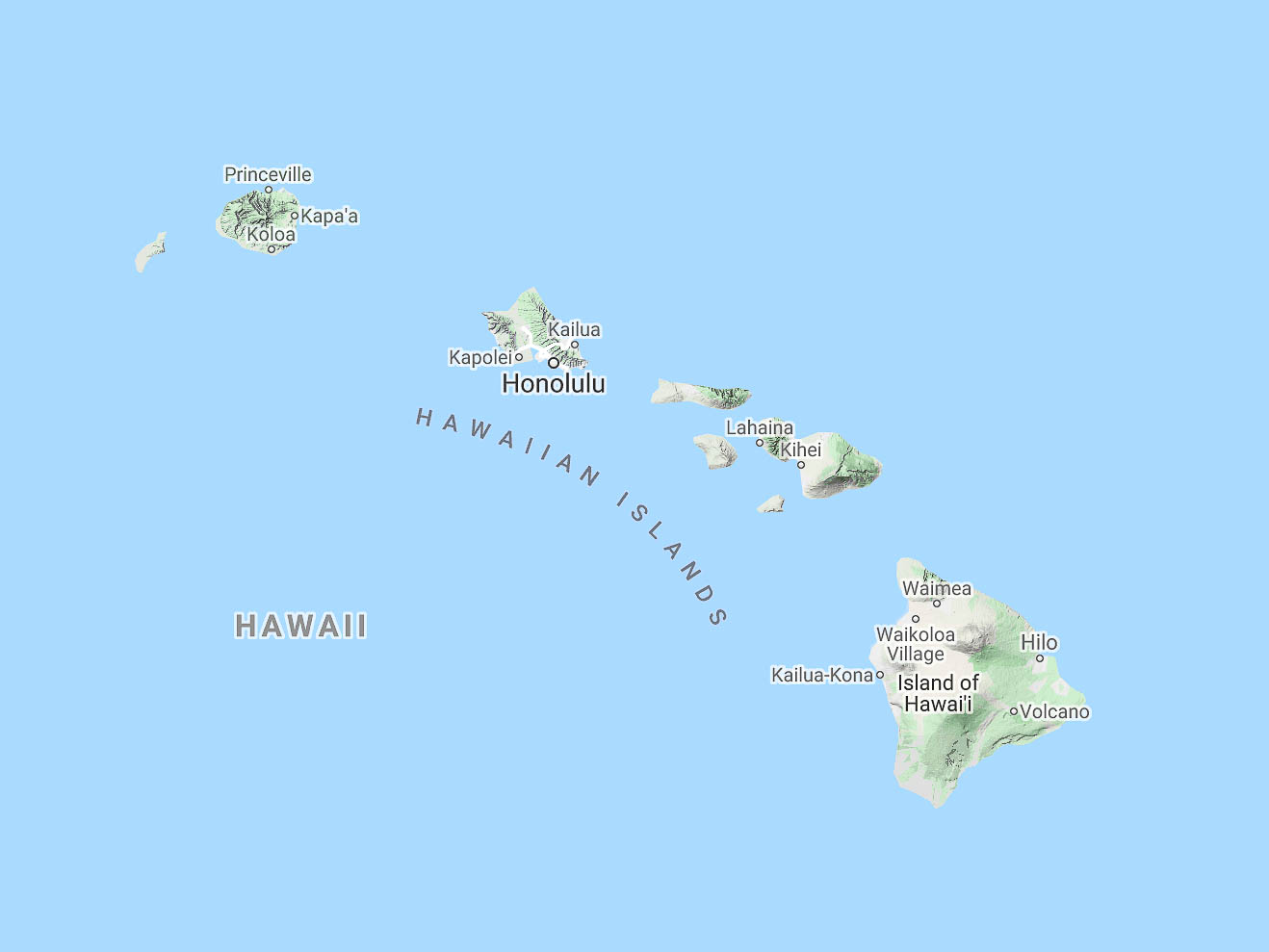
The name Big Island is more than just a logistical convenience; it is a reflection of the island’s vastness and the diversity of its environment. Within its borders, one can find 4 out of the 5 major climate zones, ranging from tropical humid to polar tundra. This diversity makes the island a microcosm of the planet’s ecosystems.
Historically, the island of Hawaii was the seat of power during the rise of the Hawaiian Kingdom. Landmarks like Kealakekua Bay represent the first extensive contact between Hawaiians and Europeans, specifically the arrival and death of Captain James Cook in 1779. The Captain Cook Monument stands as a white obelisk on the bay’s edge, accessible primarily by water, marking a pivotal moment in the history of the Pacific Ocean.
The Big Island continues to be a land of creation. Unlike the older islands in the chain, such as Kauai or Oahu, the Island of Hawaii is still growing. Every eruption from Kilauea adds new land to the coast, ensuring that its identity as the “Big” island remains a living, breathing reality. The landmarks of this island, from the sacred heights of Mauna Kea to the deep valleys of Waipio, tell a story of geological power, cultural resilience, and the enduring spirit of the Polynesian Triangle.
LifeOutOfTheBox is a participant in the Amazon Services LLC Associates Program, an affiliate advertising program designed to provide a means for sites to earn advertising fees by advertising and linking to Amazon.com. Amazon, the Amazon logo, AmazonSupply, and the AmazonSupply logo are trademarks of Amazon.com, Inc. or its affiliates. As an Amazon Associate we earn affiliate commissions from qualifying purchases.