
The vast and varied landscape of Nevada presents a compelling study in contrasts. From the dazzling lights of the south to the rugged beauty of the north, the state offers a diverse range of experiences. A common question for those planning a journey through this unique state is the distance between its two most prominent cities: Las Vegas and Reno. Understanding this distance is the first step in planning an efficient and enjoyable road trip, whether you’re seeking the thrill of the casino floor or the serenity of the Sierra Nevada mountains.
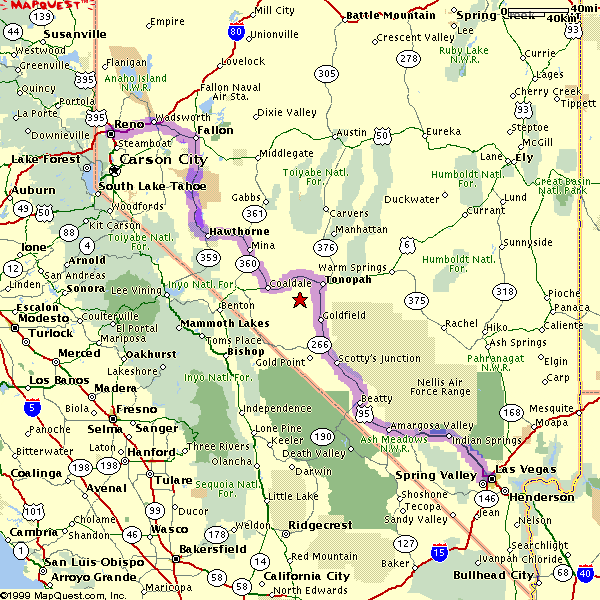
The Direct Route: Distance and Driving Time
The most straightforward answer to “How far is Las Vegas, Nevada to Reno, Nevada?” lies in the primary highway connecting these two metropolises. The most common and direct driving route utilizes U.S. Route 95 (US-95) for a significant portion of the journey, eventually merging with Interstate 80 (I-80) as you approach Reno.
Mileage and Estimated Travel Time
The total distance typically spans approximately 450 to 470 miles, depending on your exact starting and ending points within each city. This translates to an estimated driving time of around 7 to 8 hours. It’s crucial to remember that this is a pure driving estimate and does not account for any stops for fuel, food, or rest. Given the length of the drive, factoring in at least one substantial break is highly recommended for safety and comfort.
Factors Influencing Travel Time
Several variables can influence the actual time it takes to travel between Las Vegas and Reno:
- Traffic Conditions: While much of the route is through sparsely populated areas, you may encounter traffic delays in and around Las Vegas and, to a lesser extent, Reno. Morning and evening rush hours are particularly prone to congestion.
- Road Construction: As with any major highway system, construction projects can cause temporary lane closures and detours, significantly increasing travel time. Checking local traffic advisories before you depart is always a wise precaution.
- Weather: While Nevada is known for its arid climate, winter months can bring snow and ice, especially at higher elevations along the route. This can lead to reduced speeds and potentially hazardous driving conditions, particularly in the mountain passes approaching Reno. Summer heat can also affect vehicle performance, so ensuring your car is in good condition is paramount.
- Vehicle Type and Speed: The type of vehicle you are driving and your average speed will naturally impact the duration of your journey. Adhering to posted speed limits is essential for safety and to avoid potential fines.
Alternative Routes and Scenic Detours
While the direct route via US-95 and I-80 is the most efficient, exploring alternative paths can offer unique insights into the diverse landscapes of Nevada. These detours often add significant mileage and travel time but can be incredibly rewarding for those seeking a more immersive travel experience.
The Loneliest Road in America: US-50
For the truly adventurous, a portion of U.S. Route 50, famously dubbed “The Loneliest Road in America,” offers a dramatically different perspective. To incorporate this into your journey, you would likely head north from Las Vegas towards central Nevada, connecting with US-50, and then proceed west towards Reno.
Considerations for US-50
- Distance and Time: This route is considerably longer, adding many miles and potentially doubling your travel time, depending on how much of US-50 you choose to traverse. It requires significant planning due to limited services.
- Services: Along US-50, services such as gas stations, restaurants, and lodging can be few and far between. It is imperative to plan your fuel stops and carry provisions.
- Scenery: This route offers stark, untouched desert landscapes, ghost towns, and a profound sense of solitude. It’s an experience for those who appreciate the raw beauty of the American West. Key stops might include Austin and Eureka, towns with rich mining histories.
Connecting through Northern Nevada: US-95 North
Another variation involves taking US-95 North for a more extended period, potentially exploring areas like Ely before connecting to I-80 further north. This route can offer access to different geological formations and historical sites.
Exploring Northern Nevada
- Basque Culture in Elko: Traveling further north on US-95 can lead you to Elko, a city known for its strong Basque heritage, offering unique culinary and cultural experiences.
- Great Basin National Park: While not directly on the most efficient routes, venturing further east from US-95 can provide access to Great Basin National Park, home to ancient bristlecone pines and Lehman Caves. This would represent a significant detour.
Preparing for Your Road Trip
A successful road trip between Las Vegas and Reno requires careful preparation. Whether you are a seasoned traveler or embarking on your first long-distance drive, paying attention to the details can make the difference between a smooth journey and one fraught with inconvenience.
Vehicle Maintenance
Before you set off, ensure your vehicle is in optimal condition.
- Tire Check: Inspect tire pressure and tread depth. A flat tire in a remote area can be a significant problem.
- Fluid Levels: Check and top up all essential fluids, including oil, coolant, brake fluid, and windshield washer fluid.
- Brakes: Have your brakes inspected to ensure they are functioning correctly, especially if you plan to drive through mountainous terrain.
- Emergency Kit: Pack a basic emergency kit including jumper cables, a first-aid kit, a flashlight, blankets, and non-perishable food and water.
Navigation and Connectivity
In Nevada, particularly on the longer stretches between cities, cellular service can be spotty.
- GPS and Maps: Rely on a reliable GPS device or smartphone navigation app, but also carry a physical map or download offline maps for areas with no reception.
- Communication: Inform someone of your travel plans, including your intended route and estimated arrival time.
Fuel and Supplies
Planning your fuel stops is critical, especially if you opt for less-traveled routes.
- Fuel Strategy: Refuel your vehicle whenever you have the opportunity, particularly when you see a gas station in a larger town. Don’t wait until the last minute.
- Snacks and Water: Pack plenty of water and non-perishable snacks. This is not only for sustenance but also for comfort during long stretches without services.
The Journey’s Significance: Beyond Just Miles
The drive between Las Vegas and Reno is more than just a commute; it’s an immersion into the diverse geography and spirit of Nevada. Each city represents a distinct facet of the state’s identity, making the journey between them a fascinating exploration.
Las Vegas: The Entertainment Capital
Las Vegas, a city synonymous with glitz, glamour, and non-stop entertainment, sits in the southern Mojave Desert. Famous for its opulent resorts like the Bellagio and Caesars Palace, world-class dining, and electrifying nightlife, it draws millions of visitors annually. The drive north signifies a transition from this desert oasis to a different kind of allure.
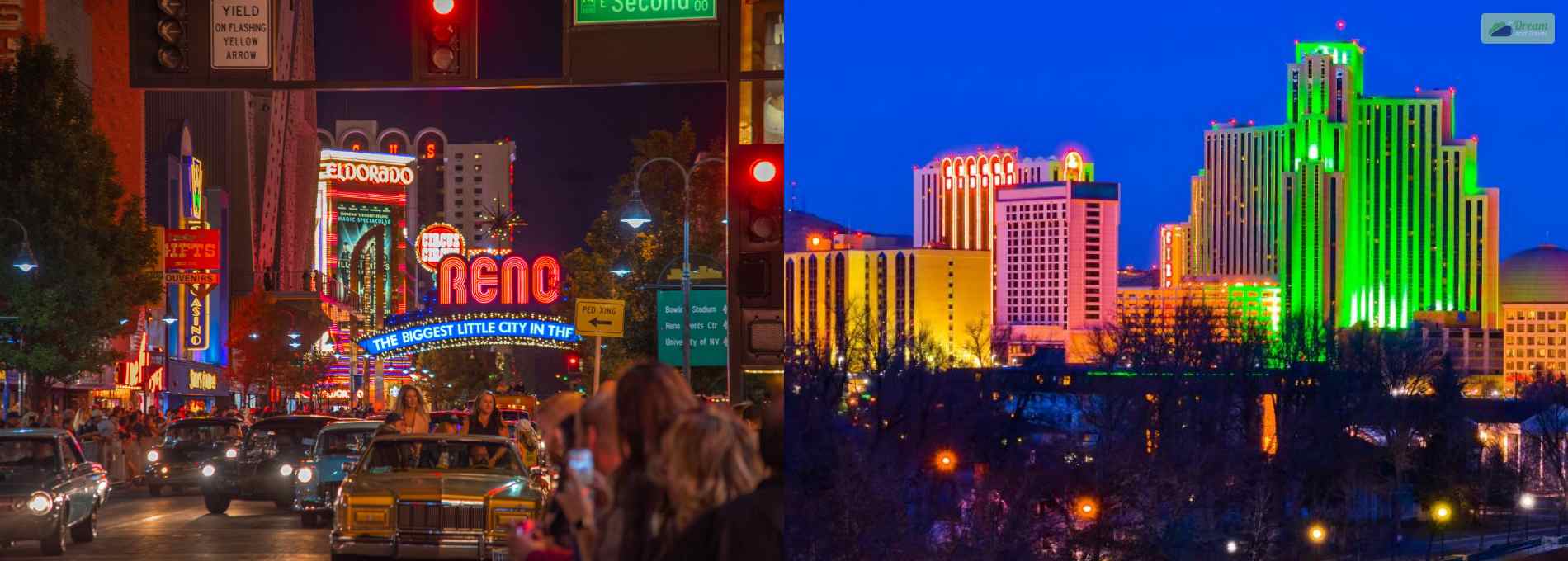
Reno: The Biggest Little City in the World
Further north, nestled in the Truckee River valley at the eastern foothills of the Sierra Nevada mountains, lies Reno. Known as “The Biggest Little City in the World,” Reno offers a more laid-back, yet still vibrant, atmosphere. It boasts a burgeoning food scene, a lively downtown area along the Truckee River, and serves as a gateway to the natural wonders of Lake Tahoe and the surrounding mountains. The contrast between the two cities highlights the multifaceted appeal of Nevada.
The journey from the pulsating energy of Las Vegas to the mountain-tinged charm of Reno is an essential Nevada experience, offering a true sense of the state’s vastness and varied character.
LifeOutOfTheBox is a participant in the Amazon Services LLC Associates Program, an affiliate advertising program designed to provide a means for sites to earn advertising fees by advertising and linking to Amazon.com. Amazon, the Amazon logo, AmazonSupply, and the AmazonSupply logo are trademarks of Amazon.com, Inc. or its affiliates. As an Amazon Associate we earn affiliate commissions from qualifying purchases.