
The Lone Star State, a vast expanse of diverse landscapes and rich cultural heritage, holds a special place in the American consciousness. At its heart, serving as the seat of its government and a vibrant hub of culture, innovation, and history, lies its capital city. The question, “What is the capital of Texas?” leads us to the dynamic and multifaceted city of Austin. Far more than just an administrative center, Austin is a destination that captivates with its unique spirit, buzzing music scene, and commitment to green spaces. This exploration delves into why Austin proudly wears the crown as the capital of Texas, examining its historical significance, its present-day allure, and its enduring appeal to travelers and residents alike.
The Historical Roots of a Capital City
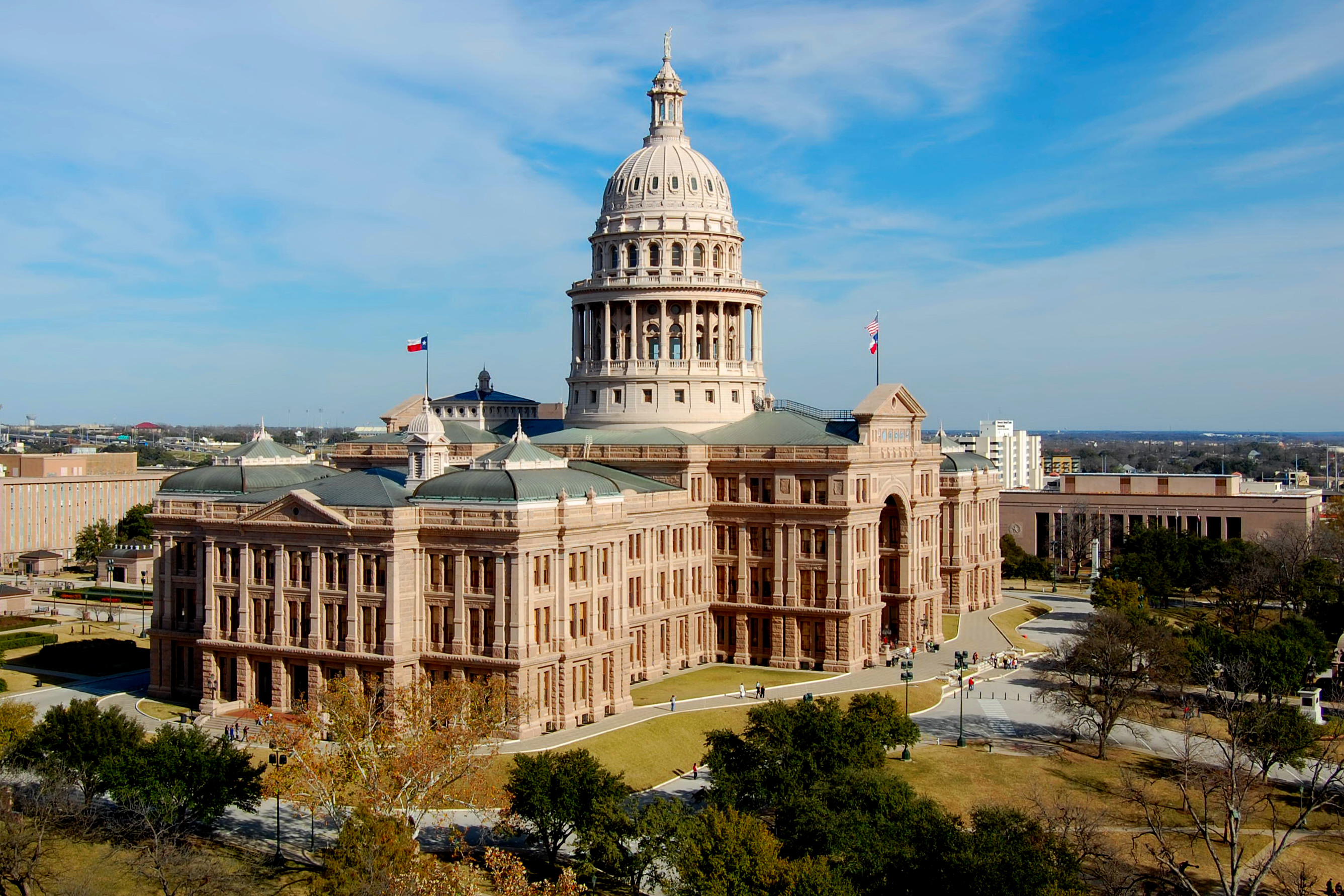
The journey to Austin’s status as the capital is a narrative woven through the very fabric of Texas history. Originally named Waterloo, the settlement was chosen as the permanent seat of government for the Republic of Texas in 1839 by President Mirabeau B. Lamar. His vision was for a grand capital city situated on the Colorado River, a strategic and scenic location. Renamed Austin in honor of Stephen F. Austin, the “Father of Texas,” the city began to take shape with the construction of the Texas State Capitol in the late 19th century, a monumental edifice that remains a symbol of the state’s enduring legacy.
Early Development and Growth
The early years of Austin were marked by ambitious planning and steady growth, despite facing challenges such as floods and periods of economic fluctuation. The city’s location was pivotal, offering a central point within the republic and later the state. The establishment of governmental institutions and the influx of citizens seeking opportunities fostered a burgeoning community. As Texas evolved, so did its capital, transforming from a frontier town into a sophisticated urban center.
The Texas State Capitol and Government Influence
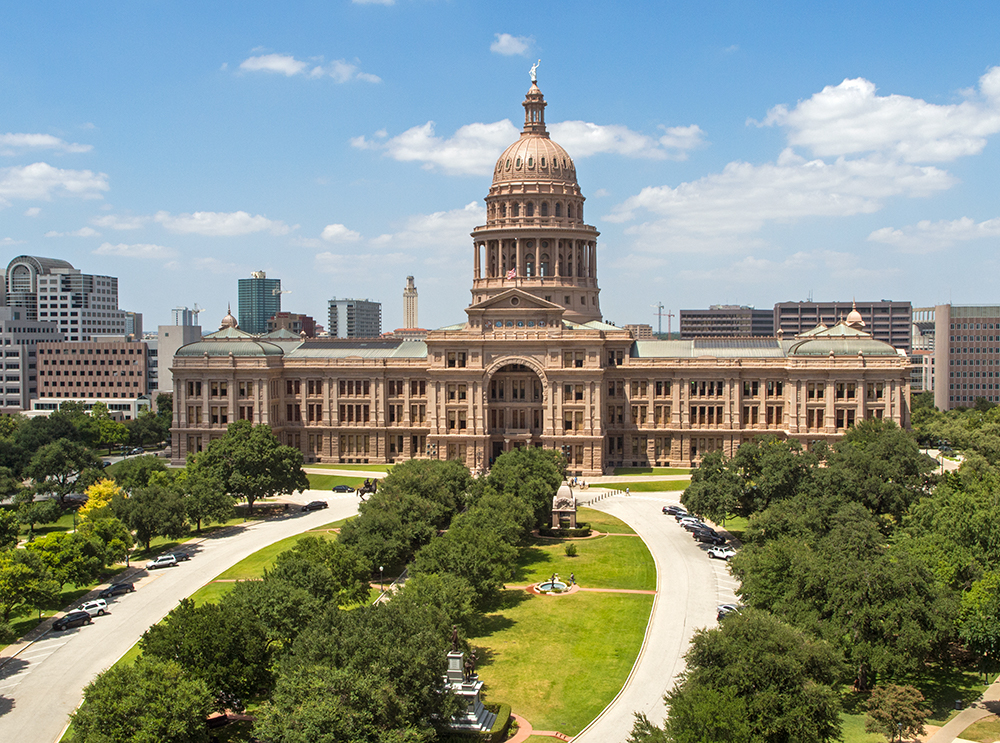
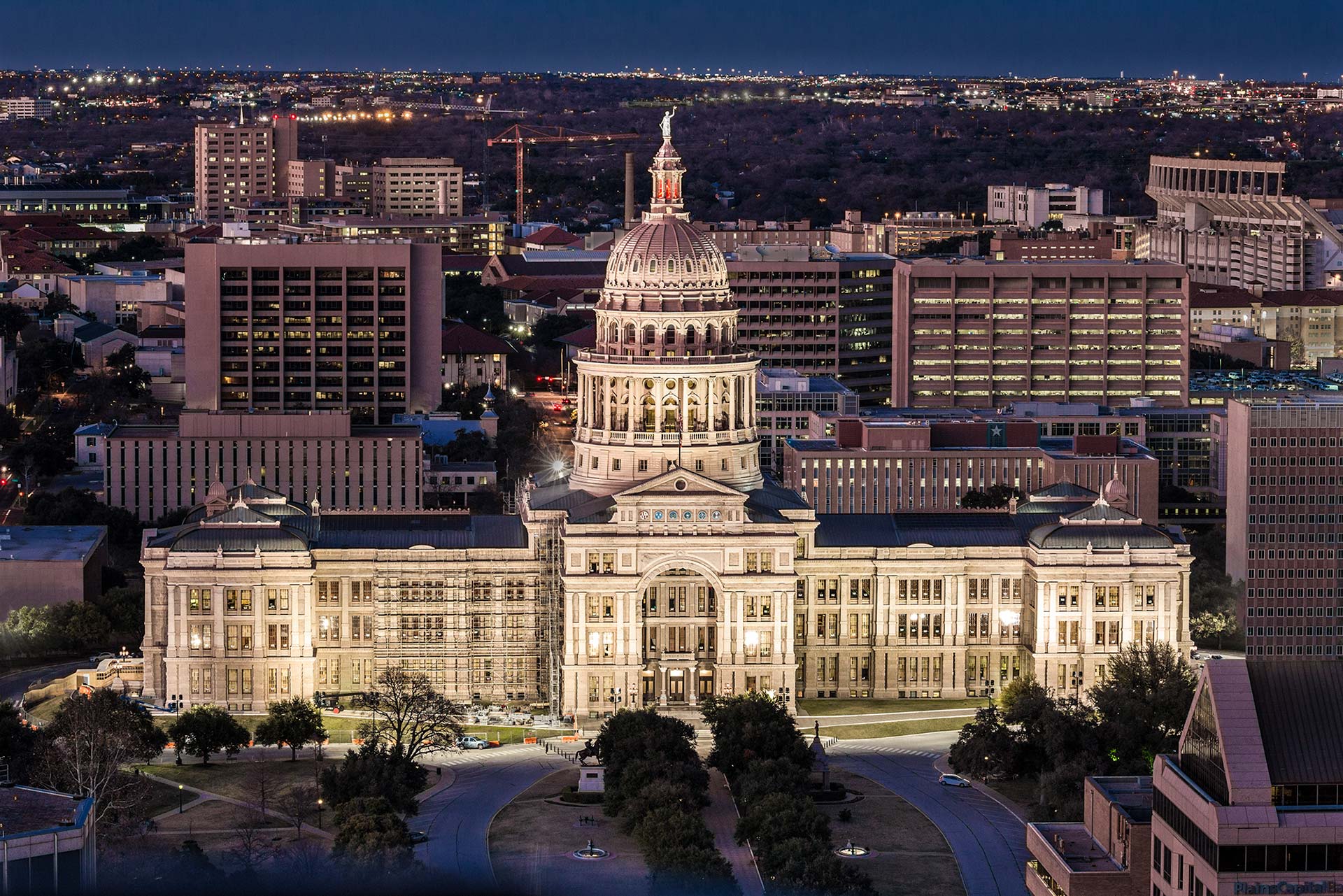
The construction of the Texas State Capitol in the 1880s was a defining moment in Austin’s history and its role as the capital. This magnificent building, larger than the United States Capitol in Washington, D.C., stands as a testament to Texas’s pride and ambition. It houses the legislative chambers, the governor’s office, and various state agencies, making it the undisputed center of state governance. The presence of these institutions has shaped Austin’s identity, fostering a professional and politically engaged populace. Beyond the administrative functions, the Capitol grounds themselves are a significant historical and architectural landmark, inviting exploration and appreciation.
Austin: A Modern Capital of Culture and Innovation
While its historical significance is undeniable, the capital of Texas today is defined by its vibrant contemporary culture, technological advancement, and an almost palpable sense of individuality. Austin has cultivated a unique identity that sets it apart from other state capitals, earning it the unofficial moniker “Live Music Capital of the World.” This designation is not merely a catchy slogan but a reflection of the city’s deep-seated connection to music and the arts.
The “Live Music Capital of the World”
From iconic venues like the Continental Club and the Moody Theater to countless smaller clubs and outdoor stages, live music permeates every corner of Austin. Genres ranging from blues and country to rock and indie can be heard seven nights a week, attracting world-class musicians and enthusiastic audiences. Festivals such as South by Southwest (SXSW) and Austin City Limits Music Festival further solidify its reputation, drawing hundreds of thousands of visitors annually for unparalleled music and interactive experiences. The city’s commitment to supporting artists and fostering a thriving music ecosystem is a cornerstone of its cultural landscape.
Technological Innovation and Economic Growth
In recent decades, Austin has emerged as a major hub for technology and innovation, often referred to as “Silicon Hills.” Major tech companies, including Dell Technologies, Apple, Google, and Facebook, have established significant presences in the city, attracting a skilled workforce and fostering a dynamic entrepreneurial spirit. This economic diversification has contributed to the city’s rapid growth and its reputation as a forward-thinking metropolis. The presence of universities like the University of Texas at Austin also fuels research and development, further cementing its role as a center of innovation.
A Haven for Outdoor Enthusiasts
Beyond its cultural and economic offerings, Austin boasts an impressive array of natural beauty and recreational opportunities. The city’s commitment to preserving green spaces is evident in its numerous parks, trails, and natural areas. Zilker Metropolitan Park];, a sprawling urban oasis, offers amenities like the Barton Springs Pool, a natural spring-fed pool renowned for its refreshing, year-round temperature. The Lady Bird Lake Hike-and-Bike Trail provides a scenic route for runners, cyclists, and walkers, offering picturesque views of the city skyline and the lake. Exploring the Barton Creek Greenbelt offers opportunities for hiking, swimming in natural pools, and rock climbing, showcasing the raw natural beauty that thrives within the urban environment.
Exploring the Attractions of Austin
As the capital of Texas, Austin offers a diverse range of attractions that cater to every interest. Whether one is drawn to history, culture, outdoor adventure, or culinary delights, the city provides an enriching experience.
Iconic Landmarks and Historical Sites
The Texas State Capitol building itself is a paramount attraction, offering guided tours that illuminate the history and architecture of this significant structure. Visitors can explore the legislative chambers, admire the Rotunda, and learn about the pivotal moments that shaped Texas. Nearby, the Texas State Cemetery serves as the final resting place for many prominent figures in Texas history, including presidents of the Republic and governors. The Lyndon B. Johnson Presidential Library and Museum offers a deep dive into the life and presidency of Lyndon B. Johnson, providing valuable historical context.
Culinary Delights and Local Flavors
Austin’s culinary scene is as eclectic and vibrant as its music scene. The city is a mecca for food lovers, particularly renowned for its exceptional barbecue and Tex-Mex cuisine. Food trucks are a ubiquitous and celebrated part of the dining landscape, offering everything from gourmet tacos to innovative fusion dishes. Exploring the various food truck parks, such as the Food Truck Park on Burnet Road, provides a delicious and affordable way to sample the city’s diverse offerings. From classic brisket and ribs at legendary establishments like Franklin Barbecue to vibrant enchiladas and margaritas in the South Congress district, the gastronomic adventures in Austin are endless.
Unique Neighborhoods and Experiences
Austin is a city of distinct neighborhoods, each with its own unique character and charm. South Congress Avenue (SoCo) is famous for its eclectic boutiques, vintage shops, art galleries, and vibrant street art, making it a popular spot for browsing and people-watching. The East Austin neighborhood has evolved into a trendy area with a burgeoning culinary scene, artisanal breweries, and a lively arts community. For a taste of the city’s iconic bats, a visit to the Congress Avenue Bridge at dusk during the warmer months offers a breathtaking natural spectacle as millions of Mexican free-tailed bats emerge for their nightly flight.
In conclusion, the capital of Texas is Austin, a city that masterfully blends its rich historical legacy with a progressive and energetic present. Its role as the seat of government is complemented by a world-renowned cultural scene, a booming tech industry, and an unparalleled appreciation for the outdoors. Austin is not just a place on a map; it is an experience, a vibrant tapestry of music, innovation, and natural beauty that continues to draw people from across the globe.
LifeOutOfTheBox is a participant in the Amazon Services LLC Associates Program, an affiliate advertising program designed to provide a means for sites to earn advertising fees by advertising and linking to Amazon.com. Amazon, the Amazon logo, AmazonSupply, and the AmazonSupply logo are trademarks of Amazon.com, Inc. or its affiliates. As an Amazon Associate we earn affiliate commissions from qualifying purchases.