
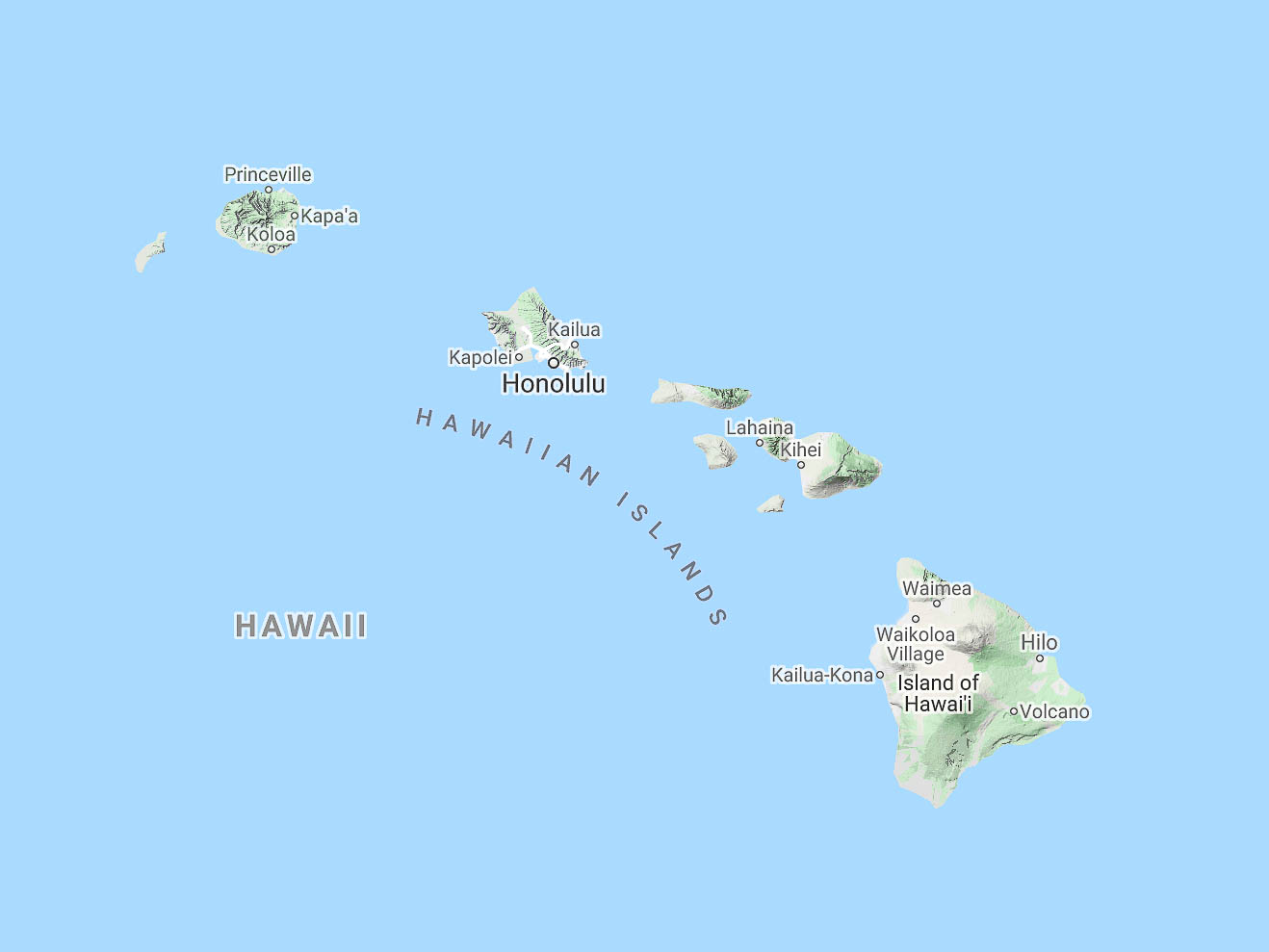
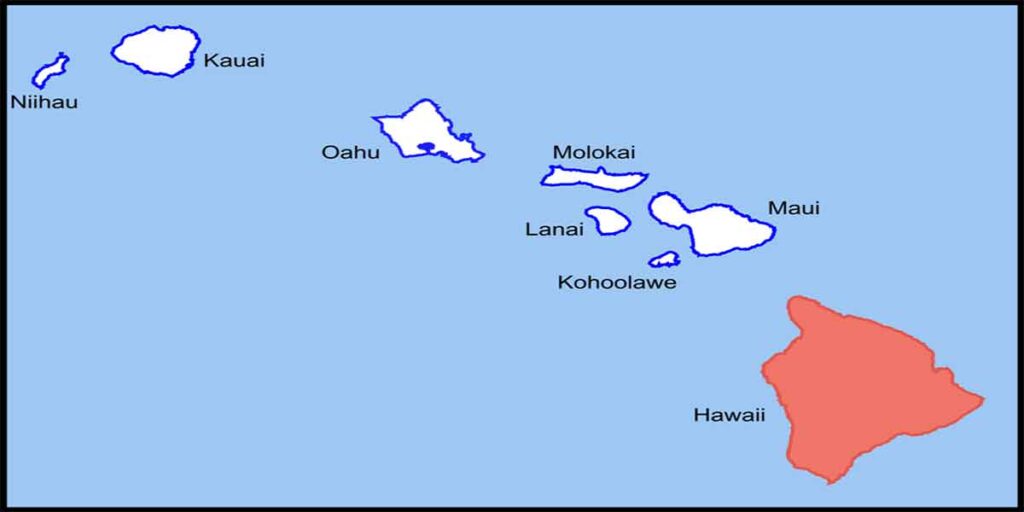
The Island of Hawai’i is the formal and official name of the largest landmass in the Hawaiian archipelago. However, to most travelers and residents alike, it is affectionately and practically known as the Big Island. This dual nomenclature often sparks confusion for first-time visitors who are navigating the geography of the United States and its only island state. The name Hawaii refers to both the entire state and this specific island, which is why the “Big Island” nickname is so essential for distinguishing the destination from the political entity.
The Island of Hawai’i is a place of staggering scale and diversity. It is larger than all the other islands in the chain combined, including Oahu, Maui, Kauai, Molokai, Lanai, Niihau, and Kahoolawe. Because of its size, the island offers an incredible array of travel experiences, ranging from snow-capped mountain peaks to sun-drenched tropical beaches and active volcanic craters. Understanding the name of the island is just the first step in uncovering the rich tapestry of history, geology, and adventure that awaits in the middle of the Pacific Ocean.

The Geographical Identity of the Island of Hawai’i
To understand why the Island of Hawai’i is so distinct, one must look at its physical presence. The island is roughly 4,028 square miles and continues to grow due to the ongoing volcanic activity of Kilauea, one of the most active volcanoes in the world. The sheer volume of the landmass creates a microclimate system unlike anywhere else on earth.
Distinguishing the Island from the State
The primary reason for the nickname Big Island is clarity. When someone says they are going to “Hawaii,” they could mean they are flying into Honolulu on Oahu or heading to the resorts of Maui. By specifying the Big Island, travelers and locals immediately identify the southern-most and largest island in the chain. This distinction is vital for logistical planning, as the travel experience on the Island of Hawai’i requires significantly more driving time and specialized itineraries compared to the smaller, more compact islands.
The Volcanic Foundations
The Island of Hawai’i was formed by five distinct shield volcanoes: Kohala, Mauna Kea, Hualalai, Mauna Loa, and Kilauea. Mauna Kea is technically the tallest mountain in the world when measured from its base on the ocean floor, while Mauna Loa is the largest volcano by mass on the planet. This volcanic legacy is the defining characteristic of the island’s landscape, creating fertile soil for coffee plantations and dramatic cliffs that drop into the deep blue of the Pacific Ocean.
Iconic Travel Destinations Across the Big Island
Traveling across the Big Island is often described as a journey through different worlds. The island is divided into several main regions, each offering a unique atmosphere and set of attractions.
Hawaii Volcanoes National Park
The most famous landmark on the Island of Hawai’i is undoubtedly Hawaii Volcanoes National Park. Established in 1916, this UNESCO World Heritage Site allows visitors to witness the raw power of creation and destruction. The park encompasses the summits of two active volcanoes: Kilauea and Mauna Loa. Travelers can drive along Crater Rim Drive, hike through the Thurston Lava Tube, or view the glowing lava from the Halema’uma’u Crater during periods of activity. The landscape here is otherworldly, featuring vast fields of solidified lava, steaming vents, and ancient petroglyphs carved into the rock by early Hawaiians.
Kona and the West Coast
On the leeward side of the island lies the Kona district. The primary hub for tourism in this area is Kailua-Kona, a historic seaside village that serves as the gateway to the sunniest parts of the island. Kona is world-renowned for its coffee, grown on the slopes of Hualalai. Visitors often spend their days snorkeling in the crystal-clear waters of Kealakekua Bay or exploring the luxury resorts along the Kohala Coast. Further north, the Mauna Kea Beach Hotel and Four Seasons Resort Hualalai offer world-class amenities nestled against some of the island’s best white sand beaches.
Hilo and the Lush East Coast
In stark contrast to the dry, volcanic plains of Kona, the windward side of the island is home to Hilo. This city is one of the wettest in the United States, resulting in a lush, tropical paradise filled with botanical gardens and massive waterfalls. Rainbow Falls, located just outside the downtown area, is a must-see for any traveler. North of Hilo, the Hamakua Coast drive offers stunning vistas of the ocean and deep valleys. A stop at Akaka Falls State Park provides a chance to see a 442-foot waterfall plunging through a verdant rainforest.
Exploring the Diverse Climates and Landscapes
One of the most fascinating aspects of the Island of Hawai’i is its climatic diversity. According to the Köppen climate classification, the island contains nearly all of the world’s climate zones, from tropical monsoon to polar tundra. This makes a trip to the Big Island feel like a trip around the globe.
Black Sand Beaches and Marine Life
The volcanic nature of the island has created some of the most unique coastal features in the world. Punalu’u Black Sand Beach is a famous destination where jet-black basalt sand meets the crashing waves. It is also one of the best places to see the Hawaiian Green Sea Turtle basking in the sun. For those seeking more traditional beach experiences, Hapuna Beach State Recreation Area offers a massive stretch of white sand and excellent conditions for bodyboarding and swimming.
The Sacred Valleys of the North
The Waipio Valley, often called the “Valley of the Kings,” is a place of deep spiritual and historical significance. Surrounded by 2,000-foot cliffs, the valley floor was once the home of Hawaiian royalty and a major center for taro cultivation. While access to the valley floor is currently restricted for many visitors, the Waipio Valley Lookout provides a breathtaking view of the coastline and the Hiilawe Falls, one of the tallest waterfalls in Hawaii.
Stargazing on Mauna Kea
Rising to 13,803 feet above sea level, Mauna Kea is a premier location for astronomy. The summit is home to the world’s largest collection of astronomical observatories. For travelers, the Mauna Kea Visitor Information Station offers stargazing programs that provide an unparalleled view of the night sky. The air is thin and cold, often requiring winter gear even if you were swimming in Kona earlier that day. This transition from sea level to the high-altitude alpine tundra is one of the most exhilarating experiences the Big Island has to offer.
The Historical and Cultural Significance of the Name
The name “Hawai’i” is deeply rooted in Polynesian history. It is believed to be named after Hawai’iloa, the legendary Polynesian navigator who is credited with discovering the islands. Others suggest the name is derived from Hawaiki, the traditional homeland of the Polynesian people. Regardless of its origin, the island has always been a center of power in the archipelago.
King Kamehameha I and Unification
The Island of Hawai’i is the birthplace of Kamehameha I, the great king who unified all the Hawaiian Islands under one rule. Travelers can visit the Pu’ukohola Heiau National Historic Site, a massive stone temple built by the king to ensure his victory in battle. In the town of Kapa’au, a statue of Kamehameha I stands as a tribute to his legacy. Exploring these sites gives travelers a sense of the “Mana” or spiritual power that is said to inhabit the island.
Ancient Sanctuaries
Another vital cultural landmark is Pu’uhonua o Honaunau National Historical Park. Historically, this was a place of refuge where those who had broken the “Kapu” (sacred laws) could seek sanctuary and be absolved of their crimes. The park features restored temples, thatched houses, and traditional wooden carvings called “Ki’i.” It remains one of the most sacred sites on the island, offering a quiet space for reflection and learning about the ancient Hawaiian way of life.
Planning Your Trip to the Island of Hawai’i
Because of the island’s size, planning a trip requires more than just picking a hotel. Travelers must decide whether they want the dry, resort-filled experience of the west or the lush, adventurous spirit of the east.
Arrival and Transportation
The island is served by two main airports: Kona International Airport on the west side and Hilo International Airport on the east. Most visitors land in Kona to take advantage of the sunny weather. A rental car is almost a necessity on the Big Island, as public transportation is limited and the distances between major attractions like Hawaii Volcanoes National Park and Kailua-Kona can take several hours to drive.
The Best Time to Visit
While Hawaii is a year-round destination, the Big Island has peak seasons. Winter months attract many travelers looking to escape the cold of the mainland, and it is also the best time for whale watching, as Humpback Whales migrate to the warm Hawaiian waters. However, those looking for fewer crowds and lower prices might consider the shoulder seasons of spring and fall. No matter when you visit, the Island of Hawai’i promises a journey that is as big as its name suggests, filled with the spirit of “Aloha” and the majesty of nature.
LifeOutOfTheBox is a participant in the Amazon Services LLC Associates Program, an affiliate advertising program designed to provide a means for sites to earn advertising fees by advertising and linking to Amazon.com. Amazon, the Amazon logo, AmazonSupply, and the AmazonSupply logo are trademarks of Amazon.com, Inc. or its affiliates. As an Amazon Associate we earn affiliate commissions from qualifying purchases.