
The vast and striking landscape of Arizona holds many wonders, from the monumental Grand Canyon to the captivating red rock formations of Sedona. However, nestled within this captivating scenery is a celestial scar of immense historical and scientific significance: the Meteor Crater. Often referred to as Barringer Crater, this impact site is one of the best-preserved meteorite craters on Earth and a testament to the dynamic forces that have shaped our planet. For travelers and enthusiasts of natural wonders, understanding its location is the first step in experiencing this extraordinary landmark.
Discovering the Location of Meteor Crater
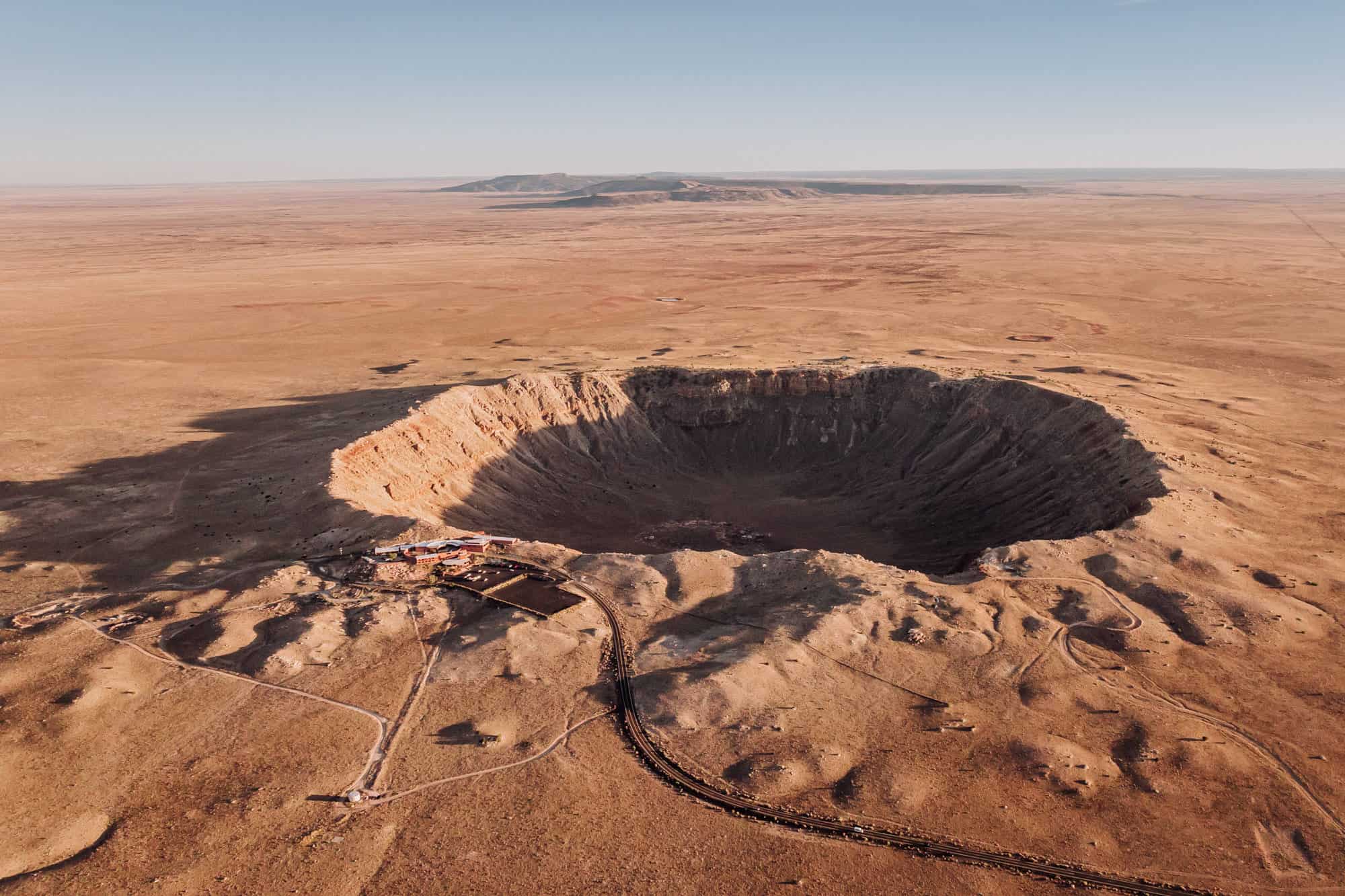
Meteor Crater is strategically situated in the high desert plains of northern Arizona, approximately 35 miles east of Flagstaff and 20 miles west of Winslow. This specific locale places it within the geological tapestry of the Colorado Plateau, an ancient and uplifted region known for its arid climate and dramatic geological features. The I-40 interstate highway serves as the primary artery for reaching the crater, making it relatively accessible for those exploring the region.
Navigating to the Crater
For most visitors, the journey to Meteor Crater begins by taking I-40.
- From Flagstaff: Head east on I-40 for about 35 miles. The exit for Meteor Crater is clearly marked. Look for the signs directing you to the Meteor Crater National Natural Landmark. The off-ramp leads to a short, paved road directly to the visitor center and parking area.
- From Winslow: Travel west on I-40 for approximately 20 miles. The same marked exit will bring you to the crater site.
The accessibility via a major interstate highway is a key factor in its popularity among tourists. This ease of access, combined with its unique nature, solidifies its place as a must-see attraction for anyone traversing this part of the American Southwest.
The Significance of Meteor Crater: A Geological Marvel
The sheer scale and preservation of Meteor Crater are what make it a truly remarkable natural phenomenon. This isn’t just a hole in the ground; it’s a precisely preserved record of a violent cosmic encounter that occurred approximately 50,000 years ago.
The Impact Event
The crater was formed when a massive iron meteorite, estimated to be about 165 feet (50 meters) in diameter and weighing over 100 million pounds, slammed into the Arizona desert at an estimated speed of 45,000 miles per hour. The impact was catastrophic, excavating an enormous amount of rock and creating a bowl-shaped depression nearly a mile (1.6 kilometers) in diameter and more than 500 feet (150 meters) deep. The sheer force of the impact vaporized much of the meteorite, with only fragments found scattered around the site.
Preservation and Scientific Study
What distinguishes Meteor Crater from many other impact sites is its exceptional state of preservation. The arid climate of Arizona has prevented significant erosion, allowing scientists to study the crater’s structure and the surrounding impact ejecta with remarkable clarity. This preservation has made it a vital site for geological research, providing invaluable insights into impact mechanics, planetary geology, and the history of the solar system. The nearly perfect rim, the central uplift, and the distinct ejecta blanket are all features that have been meticulously studied by geologists and astronomers.
The Barringer Legacy
The crater is named after Daniel Barringer, an American businessman and mining engineer who first recognized its extraterrestrial origin in the early 20th century. Unlike many who believed it to be volcanic, Barringer was convinced it was a meteorite impact site and spent a considerable fortune attempting to mine the presumed iron meteorite buried beneath. While he never found the main mass, his persistent research and the establishment of the Standard Iron Company laid the groundwork for understanding the crater’s true nature. His legacy is honored by the crater’s alternative name, Barringer Crater, and the ongoing scientific endeavors at the site.
Visiting Meteor Crater: An Experiential Guide
A visit to Meteor Crater is more than just seeing a hole in the ground; it’s an immersive experience that connects visitors to the power of the cosmos and the deep history of our planet. The site is managed by the Barringer Crater Company and offers a range of amenities and educational opportunities designed to enhance the visitor experience.
Visitor Center and Exhibits
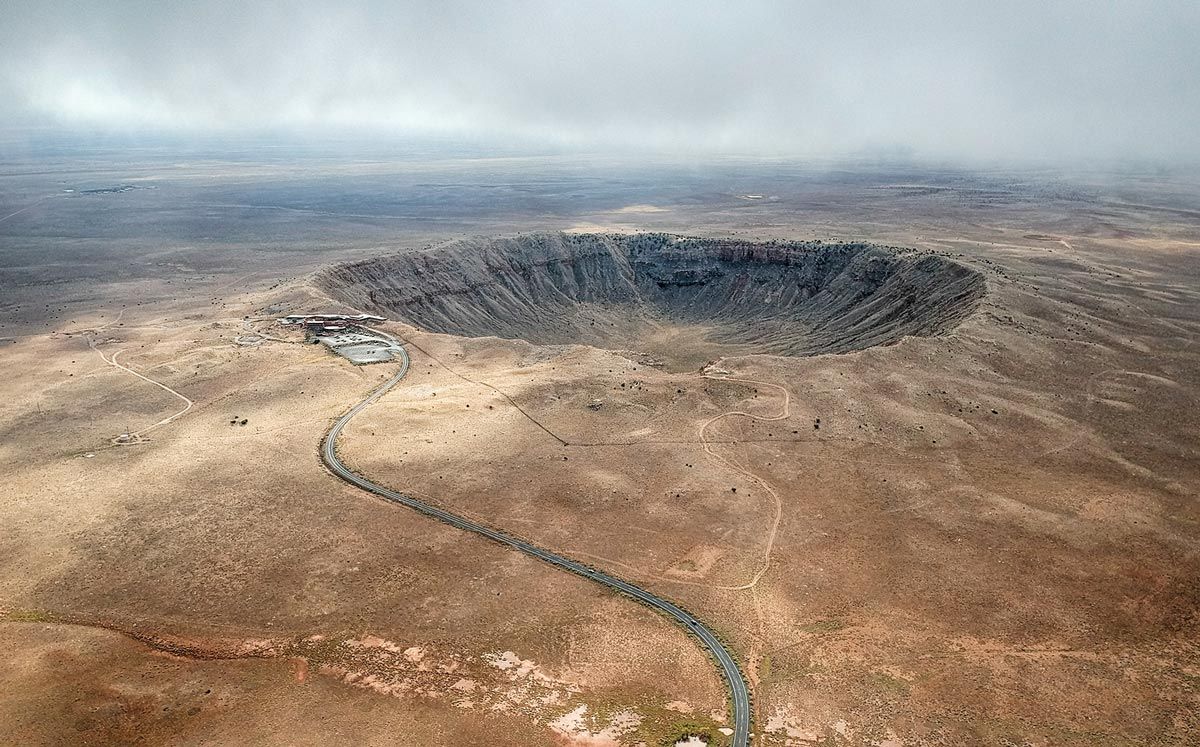
The modern visitor center at Meteor Crater is an essential starting point for any exploration. It features a wealth of information, including:
- Interactive Exhibits: These exhibits explain the science behind meteorite impacts, the formation of the crater, and the geology of the Colorado Plateau.
- Artifact Displays: View actual meteorite fragments found at the site, allowing visitors to touch a piece of the cosmos.
- Informative Films: Educational films provide a comprehensive overview of the impact event and the ongoing scientific research.
- Observation Decks: Several observation decks offer panoramic views of the crater from different vantage points. These are strategically placed to provide the best perspectives of the crater’s vastness and distinct geological features.
Guided Tours and Trails
For a more in-depth understanding and closer viewing, several guided tours and self-guided trails are available:
- Rim Trail: A paved, accessible trail that follows the edge of the crater, offering stunning vistas. This trail is approximately 0.5 miles long and provides opportunities to see the scale of the impact.
- Guided Tours: Knowledgeable guides lead tours along the rim, sharing detailed information about the geology, history, and scientific significance of the crater. These tours often provide access to areas not reachable on the self-guided paths.
- Discovery Center: This area sometimes offers more in-depth exhibits and hands-on activities, especially for younger visitors.
Practical Information for Visitors
Planning your visit to Meteor Crater can enhance your experience. Consider the following:
- Operating Hours: Meteor Crater typically operates daily, but hours can vary seasonally. It’s advisable to check the official website or call ahead for the most current information.
- Admission Fees: There is an admission fee for entry to the Meteor Crater National Natural Landmark.
- Weather: Arizona‘s high desert climate means significant temperature fluctuations. Summers can be very hot, while winters can be cold with occasional snow. Layers of clothing are recommended year-round. Sunscreen, hats, and plenty of water are essential, especially during warmer months.
- Proximity to Other Attractions: Meteor Crater is often visited in conjunction with other iconic Arizona destinations. It is a convenient stop for travelers on Route 66, near Winslow (famous for the Eagles’ song “Take It Easy”), and within driving distance of the Grand Canyon National Park and Petrified Forest National Park. This makes it an excellent addition to a broader Southwest road trip itinerary.
Beyond the Crater: Exploring the Surrounding Area
While Meteor Crater is the undeniable star of this region, the surrounding Arizona landscape offers further points of interest for the adventurous traveler. The stark beauty of the high desert and the historical echoes of the Old West are never far away.
Route 66 and Winslow
The historic Route 66 passes near Meteor Crater, offering a nostalgic journey through classic American Americana. The town of Winslow, just a short drive away, is famously known for the song “Take It Easy” by the Eagles, featuring the “standin’ on a corner in Winslow, Arizona” lyric. Visitors can visit the Standin’ on the Corner Park, a popular photo opportunity and a tribute to the iconic song. Winslow also boasts a rich railroad history and several charming historic buildings.
Petrified Forest National Park
Located about an hour’s drive east of Meteor Crater, Petrified Forest National Park is another geological marvel worth exploring. This park preserves one of the world’s largest and most colorful concentrations of petrified wood, along with an extensive badlands landscape known as the Painted Desert. The juxtaposition of ancient fossilized wood and the vibrant hues of the desert creates a visually stunning experience.
Flagstaff: Gateway to Northern Arizona
The city of Flagstaff serves as a major hub for northern Arizona, offering a wide range of accommodations, dining options, and cultural attractions. Known as the “Gateway to the Grand Canyon,” Flagstaff is also home to Lowell Observatory, where Pluto was discovered, and a charming downtown area with breweries and shops. Its proximity to Meteor Crater makes it a convenient base for exploring the region.

Understanding the Earth and Beyond
Visiting Meteor Crater provides a profound perspective on our place in the universe. It’s a tangible reminder of the dynamic nature of our solar system and the immense forces that have shaped, and continue to shape, our planet. The accessibility of this extraordinary landmark allows anyone with a curiosity for science and nature to witness firsthand the power of an event that occurred millions of years ago, leaving an indelible mark on the Arizona landscape.
LifeOutOfTheBox is a participant in the Amazon Services LLC Associates Program, an affiliate advertising program designed to provide a means for sites to earn advertising fees by advertising and linking to Amazon.com. Amazon, the Amazon logo, AmazonSupply, and the AmazonSupply logo are trademarks of Amazon.com, Inc. or its affiliates. As an Amazon Associate we earn affiliate commissions from qualifying purchases.