
When planning a journey to the middle of the Pacific Ocean, understanding the rhythm of the sun is essential for maximizing every moment of your itinerary. For many travelers coming from the northern reaches of the United States, Canada, or Europe, the way the day ends in Hawaii can be a bit of a surprise. Unlike higher latitudes where summer days stretch until 9:00 PM or 10:00 PM, the tropical location of the Hawaiian Islands ensures a much more consistent day-night cycle throughout the year.
Whether you are hiking the rugged trails of Kauai or enjoying a sunset dinner in Waikiki, knowing exactly when the light fades is the key to safety, photography, and logistical planning. In this guide, we will explore the nuances of Hawaiian daylight, the impact of the islands’ unique geography, and how to schedule your activities to make the most of the “Golden Hour.”
Understanding Hawaii’s Day-Night Cycle
The most significant factor influencing when it gets dark in Hawaii is its proximity to the equator. Situated at approximately 21 degrees north latitude, the archipelago does not experience the extreme fluctuations in daylight hours seen in places like Seattle or London.
The Tropical Latitude Advantage
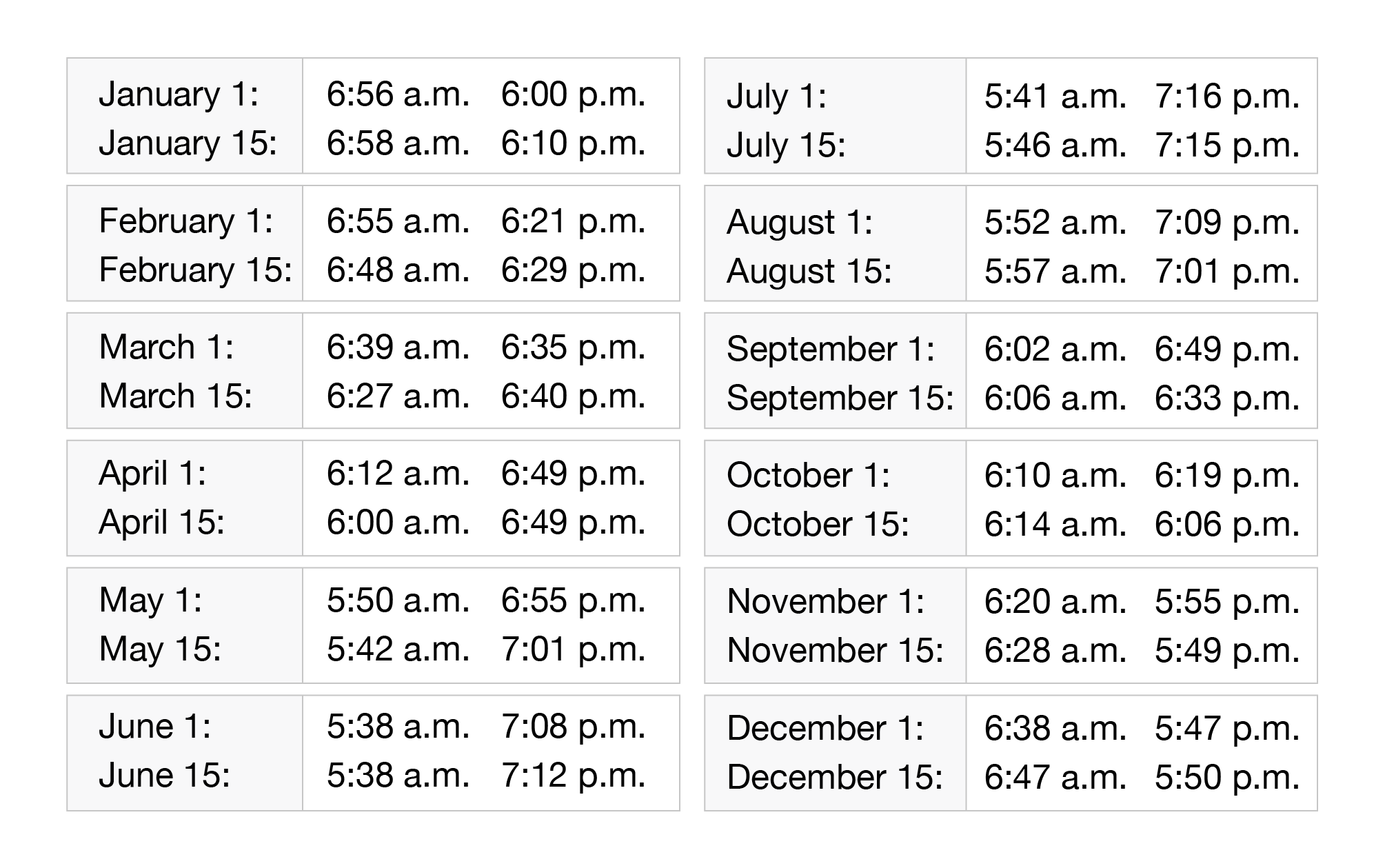
In the tropics, the sun rises and sets at relatively similar times year-round. While residents in the northern USA might experience a 15-hour day in June and an 8-hour day in December, Hawaii stays within a much tighter range. On the longest day of the year (the Summer Solstice), the sun sets around 7:15 PM. On the shortest day (the Winter Solstice), it sets around 5:50 PM.
This consistency is a boon for travelers because it allows for predictable scheduling. You rarely have to worry about “losing” the entire afternoon to darkness in the winter, but you also won’t find yourself with endless twilight during the summer.
The Absence of Daylight Saving Time
One of the most important things for visitors to remember is that Hawaii does not observe Daylight Saving Time. This means that the time difference between Honolulu and the mainland changes twice a year. When California or New York “springs forward,” the clock in Hawaii remains the same, effectively changing the relative time of sunset for those keeping track of home-base schedules. This lack of clock-shifting reinforces the islands’ natural, steady pace of life.
The Speed of Tropical Twilight
Another unique aspect of the Hawaiian sunset is its speed. Because the sun descends at a steeper angle toward the horizon in tropical regions, the period of “civil twilight”—the time after sunset when there is still enough light to see—is much shorter than in the north. Once the sun dips below the horizon of the Pacific Ocean, you typically have about 20 to 30 minutes of usable light before it becomes truly dark. For hikers on the Kalalau Trail or explorers in Hawaii Volcanoes National Park, this rapid transition is a critical safety consideration.
Seasonal Variations in Daylight Hours
While the variation is less extreme than in other parts of the world, there is still a noticeable shift in light patterns between the summer and winter seasons in Hawaii.
Summer Sunsets and Long Afternoons
From late May through August, the sun lingers just a bit longer. Sunset typically occurs between 7:00 PM and 7:17 PM. These are the peak months for evening activities. If you are staying at a resort in Maui or Oahu, this is the ideal time for late-afternoon catamaran sails or extended snorkeling sessions at Hanauma Bay. The extra hour of light in the evening provides a relaxed atmosphere for “pau hana” (happy hour) at beachfront bars in Lahaina or Kona.
Winter Evenings and the “Golden Hour”
During the winter months, specifically December and January, the sun sets as early as 5:48 PM. While this might seem early, it creates a spectacular environment for photography. The “Golden Hour”—that period of soft, warm light just before sunset—happens during the mid-to-late afternoon. Travelers visiting Pearl Harbor or touring the Polynesian Cultural Center will notice the shadows lengthening much earlier in the day.
Winter also brings the whale-watching season. Since the sun sets earlier, many sunset whale watch cruises depart around 4:30 PM, allowing guests to witness the breach of a Humpback whale against the backdrop of a fiery orange sky before returning to the docks of Maalaea Harbor by 6:00 PM.
Sunset Times Across the Major Islands
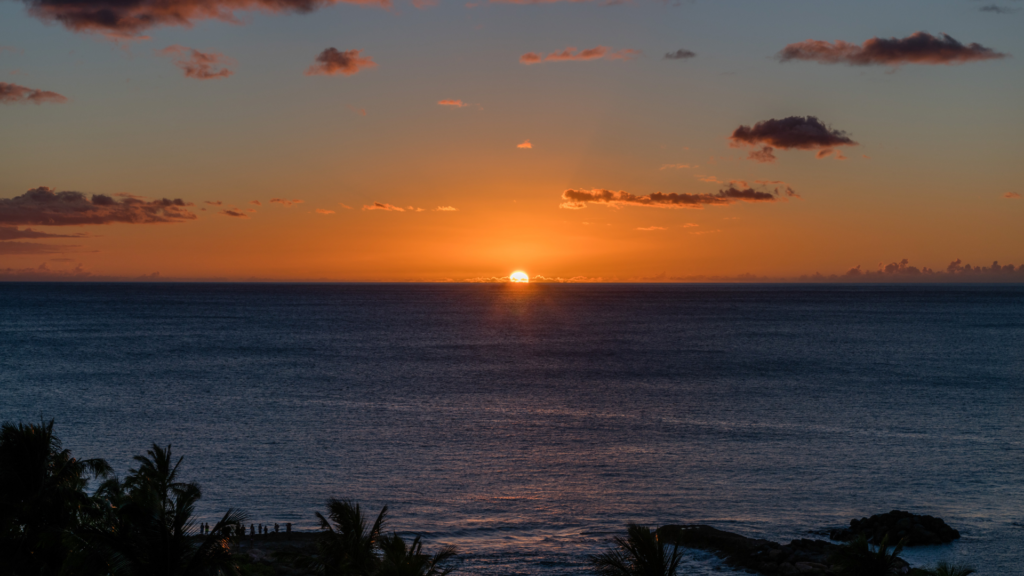
While the sunset times across the Hawaiian Islands are generally similar, there are slight variations based on the longitudinal position of each island and its specific topography.
Oahu: The City Glow and Coastal Views
On the island of Oahu, the sunset is a daily event that stops traffic—literally. In Honolulu, crowds gather at Ala Moana Beach Park to watch the sun sink behind the horizon. Because Oahu is central to the island chain, its sunset times serve as a good average for the state. If you are hiking Diamond Head in the afternoon, ensure you are descending by 5:30 PM in the winter to avoid the trails after dark.
Maui: Volcanic Vistas and Valley Isles
Maui offers some of the most dramatic sunset experiences in the world. At the summit of Haleakala National Park, the sun sets above the cloud line, creating an ethereal landscape. Because of the high elevation (over 10,000 feet), the light lingers slightly longer than at sea level. Conversely, in the deep valleys of the West Maui Mountains, the shadows may fall much earlier, making it feel “dark” in the rainforest long before the official sunset time.
Kauai: The Garden Isle’s Shadows
As the westernmost of the primary inhabited islands, Kauai technically sees the sunset a few minutes later than Oahu or the Big Island. However, Kauai is home to massive geological features like Waimea Canyon and the Napali Coast. If you are inside the canyon or on a shaded beach in Princeville, the sun may disappear behind a cliff face by 4:30 PM, even if the sky remains bright for another two hours.
The Big Island: Vast Horizons and Astronomical Nights
The Big Island (formally known as Hawaii Island) is unique due to its sheer size. The sunset in Hilo on the east side occurs “earlier” in a practical sense because the massive peaks of Mauna Kea and Mauna Loa block the evening sun. Meanwhile, on the Kona coast, you get a clear, unobstructed view of the sun meeting the ocean. For those heading to the summit of Mauna Kea for stargazing, sunset is the signal for the world-class observatories to begin their work.
Planning Your Travel Itinerary Around the Sunset
To make the most of your Hawaii vacation, you should treat the sunset as a focal point of your daily schedule.
Best Spots for Sunset Viewing
Every island has its “holy grail” of sunset locations.
- Oahu: Sunset Beach on the North Shore is legendary, especially during the winter when massive swells roll in.
- Maui: Kapalua Bay offers a calm, scenic vista with views of Lanai and Molokai in the distance.
- Kauai: Polihale State Park provides miles of white sand and an uninterrupted view of the western sky.
- Big Island: The Kailua-Kona waterfront is lined with restaurants designed specifically for sunset viewing.
Safety Considerations for Nightfall
While the sunset is beautiful, the darkness that follows requires caution. If you are driving the Road to Hana on Maui, it is highly recommended to start your return journey well before sunset. The Hana Highway consists of hundreds of hairpin turns and one-lane bridges that are difficult to navigate in the pitch black.
Similarly, many of Hawaii’s most popular hiking trails, such as the Manoa Falls trail or the Stairway to Heaven (where permitted), become treacherous once the light fades. Tropical forests become dark very quickly, and the uneven terrain can lead to injuries for those without headlamps.
Ocean Safety and Visibility
Snorkeling and swimming should generally be concluded as the sun begins to set. Not only does visibility drop significantly, making it harder to spot coral or sea urchins, but the transition from day to night is also the time when many marine predators, such as sharks, become more active near the shore. For a safer evening ocean experience, consider booking a guided manta ray night snorkel in Kona, where high-powered lights are used to illuminate the water.
The Cultural Significance of Twilight in Hawaii
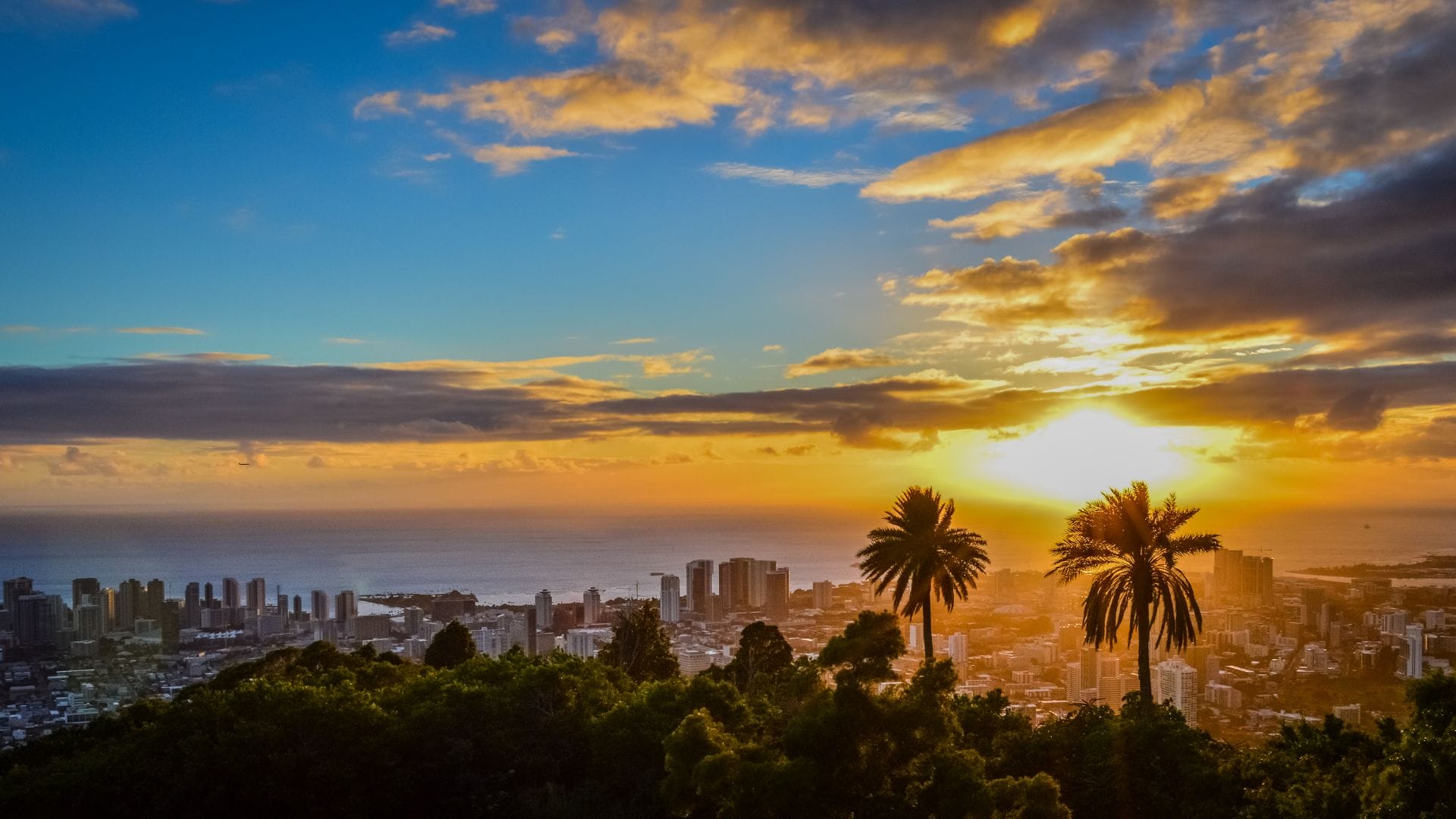
In Hawaiian culture, the transition from day to night is a sacred time. The evening is often a time for storytelling, hula, and reflection. Many traditional luaus, such as the Old Lahaina Luau or the Paradise Cove Luau, are timed specifically to begin as the sun goes down.
The blowing of the “pu” (conch shell) often signals the start of evening festivities, acknowledging the sun’s departure and welcoming the night. For travelers, participating in these ceremonies offers a deeper connection to the land and the local traditions of Hawaii.
Whether you are capturing a time-lapse of the sun dipping behind the Na Pali Coast or simply sitting on the sand in Poipu, the arrival of darkness in Hawaii is not the end of the day—it is the beginning of a different, equally enchanting experience. By knowing the timing and preparing for the quick tropical transition, you can ensure that your Pacific getaway is both safe and spectacular.
LifeOutOfTheBox is a participant in the Amazon Services LLC Associates Program, an affiliate advertising program designed to provide a means for sites to earn advertising fees by advertising and linking to Amazon.com. Amazon, the Amazon logo, AmazonSupply, and the AmazonSupply logo are trademarks of Amazon.com, Inc. or its affiliates. As an Amazon Associate we earn affiliate commissions from qualifying purchases.