
The latitude of Chicago stands at approximately 41.8781° N. More than just a number on a map, this specific geographical coordinate fundamentally shapes the city’s character, influencing its climate, natural environment, and the very architecture and historical development that have forged its iconic landmarks. Situated in the Northern Hemisphere, at a mid-temperate zone, Chicago’s latitude is a silent force dictating everything from seasonal experiences to the engineering marvels that define its skyline. Understanding this geographical underpinning is key to appreciating the rich tapestry of Chicago’s most famous places, its enduring architecture, its profound history, and its unique natural elements.
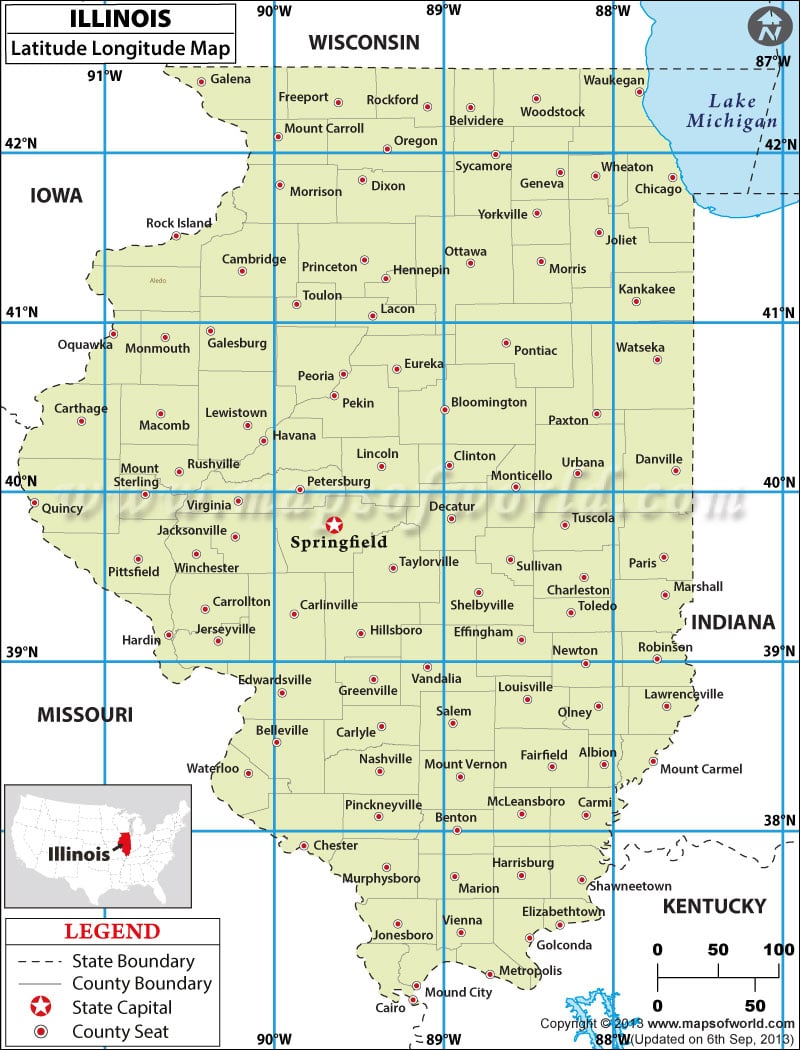
Chicago’s Geographical Footprint: Climate and Environment
The 41.8781° N latitude places Chicago firmly within a humid continental climate zone, characterized by four distinct seasons. This means visitors and residents alike experience significant variations throughout the year, from bitterly cold, snowy winters to hot, humid summers. The city’s proximity to Lake Michigan, one of the Great Lakes, significantly moderates these extremes, particularly in certain seasons, creating a unique microclimate known as the “lake effect.”
This latitudinal position also dictates the length of daylight hours, with long summer days offering ample time to explore outdoor landmarks and short winter days often calling for indoor pursuits. These climatic realities are not mere background details; they are central to how Chicago’s landmarks are designed, used, and experienced throughout the year. The natural environment, from the types of trees that thrive in its parks to the migratory patterns of birds along the lakefront, is a direct consequence of this specific latitude.
Architectural Marvels Shaped by Northern Latitudes
Chicago’s latitude has played a pivotal role in shaping its world-renowned architecture and the innovative spirit of its urban landscape. The challenges and opportunities presented by its climate have spurred design solutions that are as functional as they are aesthetically groundbreaking.
Designing for the Great Lakes Climate
The severe winter temperatures and strong winds, coupled with the humid summer heat, necessitated robust and ingenious architectural responses. Early Chicago architects, particularly after the devastating Chicago Fire of 1871, pioneered steel-frame construction. This innovation not only allowed for taller buildings but also enabled designers to incorporate larger windows and more efficient insulation, crucial for battling the elements. Structures like the Willis Tower (formerly Sears Tower), an enduring symbol of Chicago’s’s architectural prowess, exemplify how immense scale can be achieved while contending with powerful winds and temperature fluctuations common at this latitude.
Modern marvels such as the Aqua Tower showcase how contemporary architects continue to blend form and function, with its distinctive undulating balconies providing both aesthetic flair and practical shading from the intense summer sun, while also offering some protection from winter winds. The need for comprehensive heating and cooling systems is paramount in every building, from historic landmarks to new developments, reflecting the broad temperature swings dictated by the latitude. This climatic context has fostered a tradition of architectural pragmatism intertwined with bold experimentation, making Chicago a living museum of architectural innovation.
The Urban Landscape and Public Spaces
Chicago’s latitude also profoundly influences the design and utilization of its cherished public spaces and infrastructure. Parks, plazas, and riverfront developments are meticulously planned to maximize seasonal enjoyment while mitigating climatic challenges.
Millennium Park, a vibrant landmark in the heart of downtown, is a testament to this thoughtful design. Features like the Jay Pritzker Pavilion, designed to host concerts and events, account for both sun angles and wind patterns, providing comfort for audiences across different seasons. The interactive Crown Fountain is a refreshing escape in summer but is drained and sometimes lit creatively in winter, adapting to the seasonal shifts. Similarly, the Chicago Riverwalk, a multi-use pathway along the Chicago River, is designed to be accessible and engaging year-round, even as its usage patterns change dramatically with the weather. Its sheltered areas offer respite from summer heat or winter winds, demonstrating an acute awareness of the latitudinal climate. These public spaces are not just static features; they are dynamic environments that ebb and flow with the city’s seasonal rhythms.
Historical Context: Latitude’s Role in Chicago’s Development
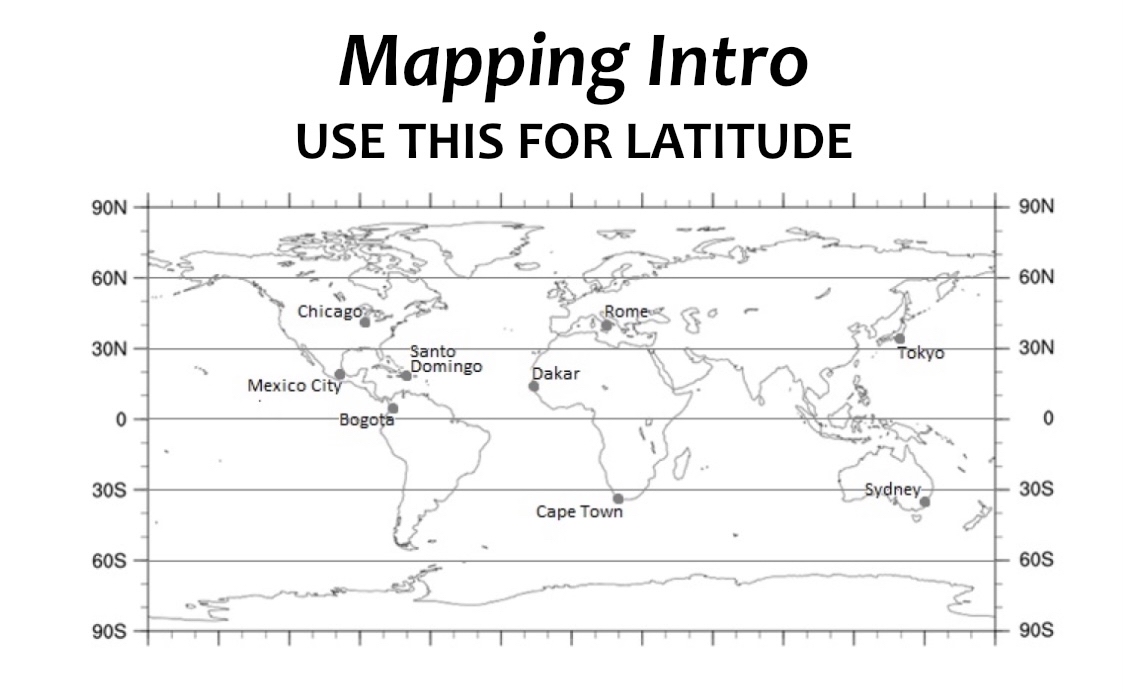
Chicago’s ascent from a swampy outpost to a global metropolis is inextricably linked to its geographical position, which is defined by its latitude and its relationship to the surrounding landscape.
Early Settlement and Resource Utilization
The city’s strategic latitude facilitated its emergence as a critical transportation and trade hub. Positioned at the western edge of Lake Michigan, it provided a natural link between the Great Lakes water system and the Mississippi River basin via portage and later canals. This allowed for the efficient movement of goods and people across the continent, directly leveraging the navigability of water bodies at this specific latitude. The temperate climate, while challenging, supported fertile agricultural lands in the surrounding Midwest, making Chicago a vital processing and distribution center for agricultural products and lumber. The availability of ice, a natural resource in winter at this latitude, was historically significant for preservation before refrigeration. These factors created the foundational conditions for Chicago’s rapid growth and its establishment as a national powerhouse.
The Great Fire and Urban Renewal
While the Great Chicago Fire of 1871 was a devastating event, it inadvertently paved the way for Chicago’s architectural renaissance. The need to rebuild rapidly and safely in a climate prone to extremes led to the adoption of fire-resistant materials and innovative construction techniques. The city rose from its ashes with a renewed commitment to forward-thinking urban planning and architectural excellence. This period saw the birth of the Chicago School of Architecture, whose principles of functionalism and modern design would influence cities worldwide. Landmark buildings from this era, still standing today, are testaments to human ingenuity in adapting to and overcoming environmental challenges inherent to Chicago’s latitude.
Natural Landmarks and Seasonal Dynamics
Beyond its iconic skyline, Chicago’s latitude deeply influences its natural landmarks and the seasonal experiences they offer. The city’s relationship with Lake Michigan is particularly profound.
Lake Michigan and its Climatic Influence
Lake Michigan is arguably Chicago’s most significant natural landmark. Its vast presence directly impacts the city’s weather, creating the “lake effect” that can bring heavy snowfalls in winter to specific areas, and temper extreme heat in summer, offering a cooler breeze along the extensive lakefront. The miles of sandy beaches, such as North Avenue Beach and Oak Street Beach, are vibrant summer landmarks where residents and visitors flock for recreation. In colder months, the lake transforms into a stark, majestic landscape, sometimes freezing along the shorelines, providing a dramatic backdrop for the urban environment. The entire Museum Campus, home to the Field Museum, Shedd Aquarium, and Adler Planetarium, is situated along the lakefront, offering breathtaking views and emphasizing this intrinsic connection.
Urban Green Spaces and Biodiversity
Chicago’s latitude supports a diverse array of flora and fauna adapted to its distinct seasons. Urban green spaces like Lincoln Park and Jackson Park serve as crucial urban ecosystems. Lincoln Park Zoo, one of the oldest free zoos in the country, cleverly integrates its animal habitats with the natural features of the park, taking into account seasonal changes for both animals and visitors. Further afield, but easily accessible, the Morton Arboretum showcases a vast collection of trees and plants that thrive at this latitude, demonstrating the region’s natural biodiversity. The seasonal spectacle of blooming flowers in spring, lush greenery in summer, vibrant foliage in autumn, and snow-covered landscapes in winter provides a constantly changing experience of these natural landmarks, all governed by Chicago’s northerly position.
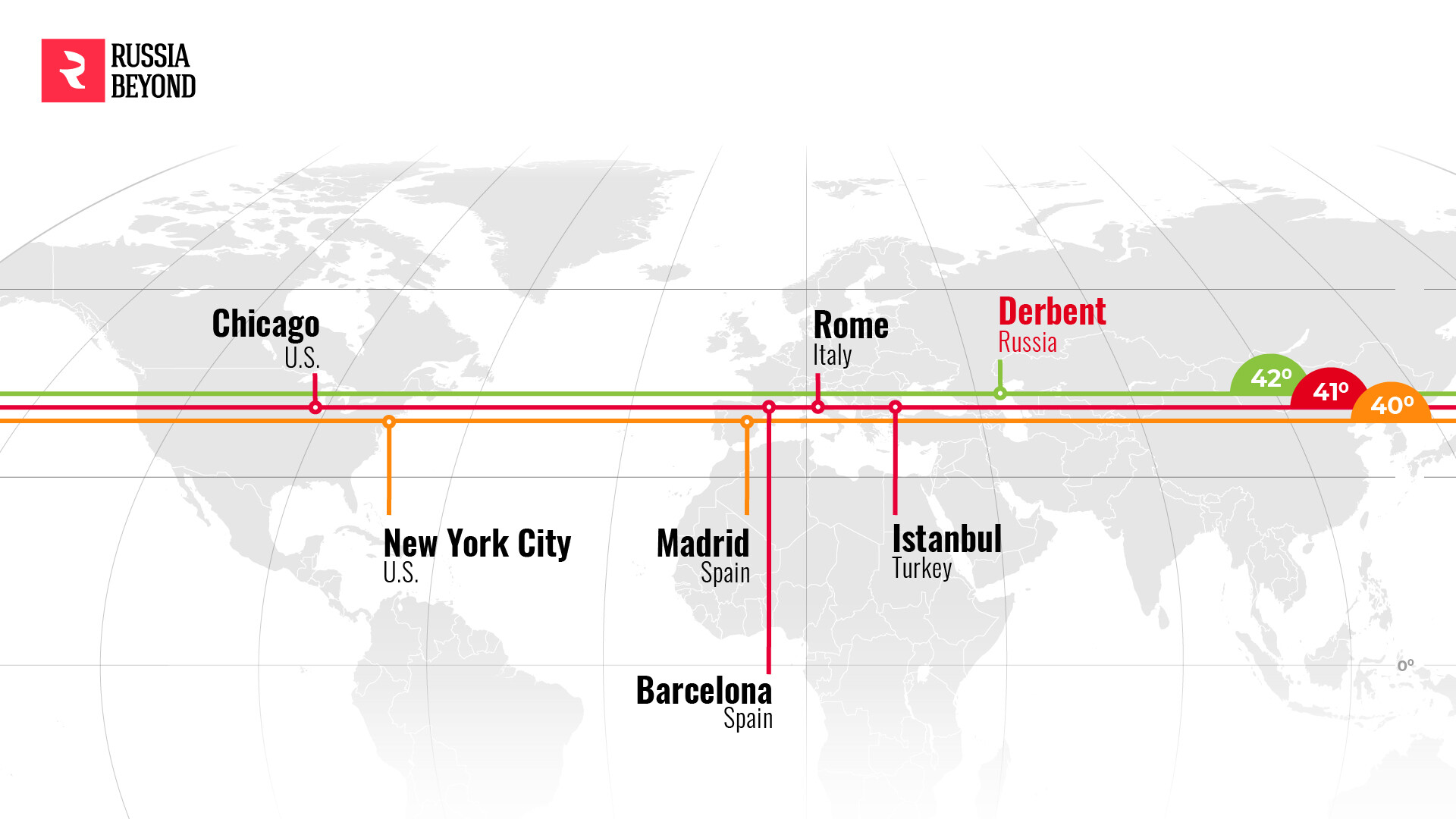
Experiencing Chicago Through Its Latitude
Ultimately, Chicago’s latitude is more than a geographical data point; it’s an invisible thread woven through the very fabric of its existence. It dictates the rhythm of life in the city, the type of clothing worn on State Street or the Magnificent Mile, the hours of operation for outdoor attractions, and the array of activities available.
From the engineering brilliance of its skyscrapers designed to withstand extreme temperatures to the strategic placement of its parks and the seasonal beauty of its lakefront, every major landmark and historical development in Chicago carries the imprint of its 41.8781° N coordinate. Whether admiring the public art in Millennium Park under a summer sky or marveling at the frozen spectacle of Lake Michigan in winter, the unique latitude of Chicago defines the experience, making it a dynamic city of enduring architectural, historical, and natural significance. It invites an understanding that the city’s grandeur is not just in its visible structures, but in the profound geographical forces that shaped them.
LifeOutOfTheBox is a participant in the Amazon Services LLC Associates Program, an affiliate advertising program designed to provide a means for sites to earn advertising fees by advertising and linking to Amazon.com. Amazon, the Amazon logo, AmazonSupply, and the AmazonSupply logo are trademarks of Amazon.com, Inc. or its affiliates. As an Amazon Associate we earn affiliate commissions from qualifying purchases.