
When planning a journey to the oldest and most northern island in the Hawaiian Archipelago, the question of time is more than a logistical query; it is the first step in adjusting to a completely different pace of life. Kauai, often referred to as the Garden Isle, operates on a schedule dictated by the sun, the tides, and the gentle rhythms of the Pacific Ocean. Understanding the technicalities of the clock is essential for travelers arriving from the United States mainland or international destinations, but mastering the cultural concept of time is what truly defines a successful visit to this lush paradise.

Decoding Hawaii-Aleutian Standard Time (HST)
Hawaii operates within the Hawaii-Aleutian Standard Time zone (HST). This time zone is unique because it does not observe Daylight Saving Time. While many parts of the world shift their clocks forward in the spring and back in the autumn, the islands remain steadfast. This consistency is a reflection of the tropical latitude; near the equator, the length of daylight does not vary drastically enough throughout the year to warrant a seasonal shift.
The Absence of Daylight Saving Time
Because Hawaii stays on standard time year-round, the time difference between Lihue and the rest of the world changes depending on the season. For visitors coming from the Pacific Time Zone, such as California, Kauai is two hours behind during the winter months. However, when the mainland moves to Daylight Saving Time in the summer, the gap increases to three hours.
For those traveling from the Eastern Time Zone, the shift is even more dramatic. In the winter, New York is five hours ahead of Kauai, but in the summer, that difference expands to six hours. This lack of seasonal clock-changing means that the sunrise and sunset times on the island remain relatively predictable, typically occurring between 6:00 AM and 7:30 PM, providing a reliable window for outdoor activities.
Calculating the Time Difference from the Mainland
Navigating the time difference requires a bit of mental math for the North America traveler. Hawaii is 10 hours behind Greenwich Mean Time (GMT-10). When it is noon in Honolulu or on the shores of Poipu, it is already the evening in London and early the next morning in Sydney. This significant offset is why many travelers experience “jet lag” in reverse, often waking up at 4:00 AM during their first few days on the island—a perfect opportunity to catch a sunrise at Mount Waialeale.
The Cultural Significance of “Island Time” on Kauai
While the digital clocks in your rental car or smartphone will show a precise number, Kauai culture embraces a more fluid concept known as “Island Time.” This is not merely a lack of punctuality; it is a cultural philosophy rooted in the Polynesian heritage of the islands. It prioritizes the present moment, personal connections, and the natural environment over the rigid constraints of a corporate schedule.
Slowing Down in the Garden Isle
In the Garden Isle, rushing is often seen as a sign of being “out of sync” with the land. Whether you are driving through Kapaa or waiting for a table in Hanalei Bay, you will notice that the local pace is deliberate. Honking your horn is considered extremely rude, as it disrupts the “Aloha” spirit. Instead, residents allow others to merge into traffic, and conversations often linger long after the initial greeting.
Embracing this slower pace allows visitors to notice the smaller details that make Kauai special—the scent of plumeria in the air, the sound of roosters in Princeville, and the changing colors of the Waimea Canyon as the sun moves across the sky. When you stop worrying about being exactly on time, you begin to experience the island as it was meant to be seen.
Respecting Local Rhythms and Business Hours
Understanding the local rhythm is vital for a smooth vacation. Many local businesses, especially those in smaller towns like Old Koloa Town or Kilauea, may close earlier than visitors from metropolitan areas expect. Food trucks might shut down once they sell out of their daily catch, and some boutiques on the North Shore might have “soft” opening hours. It is always wise to check the specific operating hours for attractions like the Kilauea Lighthouse or local botanical gardens, as they often require reservations and strictly adhere to their closing times to protect the local ecosystem.
Maximizing Your Daylight: A Tourism Guide to Kauai’s Schedule
Since Kauai is the westernmost of the main Hawaiian islands, it is the last place in the United States to see the sunset. Maximizing these daylight hours is the key to exploring the diverse landscapes, from the arid cliffs of the west to the emerald valleys of the north.

Early Mornings at Waimea Canyon and Kokee State Park
For those who find themselves awake early due to the time zone shift, there is no better destination than Waimea Canyon State Park. Arriving at the overlooks by 7:00 AM allows you to see the “Grand Canyon of the Pacific” before the clouds roll in, which often happens by midday. The early morning light emphasizes the deep reds and greens of the canyon walls.
Further up the road, Kokee State Park offers hiking trails that provide breathtaking views of the Kalalau Valley. Starting your hike early ensures you avoid the peak heat and the crowds that typically arrive via tour buses later in the morning.
Midday Adventures in Hanalei and the North Shore
As the sun reaches its zenith, the North Shore becomes the focal point for many tourists. Hanalei Bay is perfect for a midday swim or a paddleboarding session on the Wailua River (located on the east side, but often part of a day-trip itinerary). If you have secured a permit for Haena State Park, midday is an excellent time to explore Tunnels Beach for world-class snorkeling.
Travelers should be aware that the drive from Poipu Beach in the south to the north can take over 90 minutes, especially with the single-lane bridges that characterize the northern route. Planning your time to avoid the “afternoon rush” through Lihue is essential for a stress-free experience.
Sunset Magic on the Napali Coast
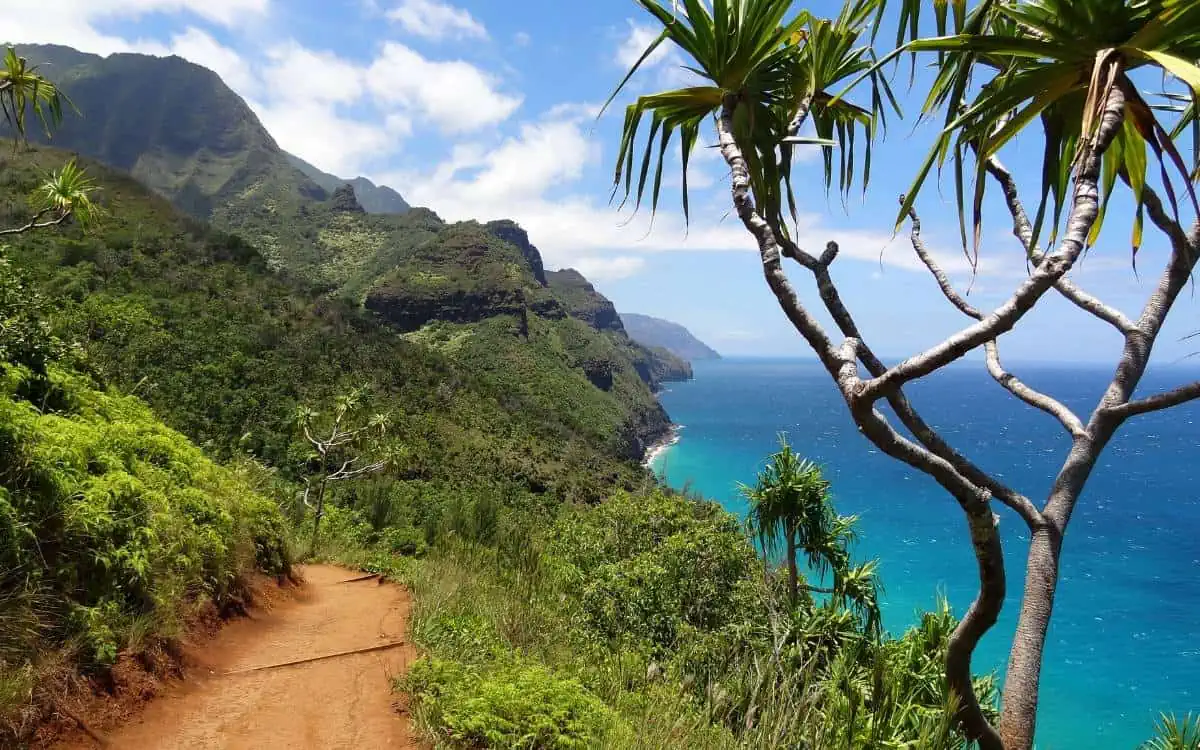
The late afternoon and evening are reserved for the Napali Coast. While you can hike the first two miles of the Kalalau Trail during the day, the most spectacular way to see the 3,000-foot sea cliffs is by boat. Most sunset dinner cruises depart from Port Allen or Eleele in the late afternoon. As the sun dips toward the horizon, the cliffs glow in shades of orange and gold—a phenomenon that only occurs during this specific time of day. Alternatively, visiting Spouting Horn at sunset offers a dramatic display of water and light as the tide crashes into the lava tubes.
Logistical Tips for Managing Your Schedule in Hawaii
While the goal is to relax, a few logistical realities regarding time must be managed. Kauai is a popular destination, and the island’s infrastructure is limited, meaning that timing your movements can save you hours of frustration.
Navigating Peak Traffic in Lihue and Kapaa
It may come as a surprise that a rural island like Kauai has a “rush hour,” but the main highway connecting the south and north shores passes through Lihue and Kapaa. Between 3:30 PM and 5:30 PM, traffic can slow to a crawl as residents head home from work. If you are trying to make a dinner reservation in Princeville while staying in the south, leave at least two hours of lead time during these peak periods.
Booking Tours and Reservations in Advance
The concept of time also extends to how far in advance you plan. Popular activities, such as helicopter tours over the Manawaiopuna Falls or luaus in Anahola, often book out weeks or months ahead. Similarly, entry to Haena State Park requires a parking or shuttle reservation that must be secured exactly 30 days in advance at midnight (HST). Being “on time” with these digital deadlines is just as important as being on time for your flight.
Beating Jet Lag and Synchronizing with the Island
To make the most of your time on Kauai, you must synchronize your internal clock with the island as quickly as possible. For those coming from the east, the temptation to nap in the afternoon is strong. Resist this by spending your first day outdoors in the bright sunlight of Kekaha or Barking Sands. The natural light helps reset your circadian rhythm.
Early nights are common on Kauai. With the exception of a few spots in Lihue or Poipu, the island goes quiet after 9:00 PM. Embracing this early-to-bed, early-to-rise lifestyle allows you to experience the island at its most peaceful. There is a profound sense of tranquility in watching the stars over the Pacific Ocean before the rest of the world wakes up.
Ultimately, knowing what time it is in Kauai right now is about more than checking a watch. It is about understanding that you are in a place where the passage of time is measured by the growth of the forest, the erosion of the cliffs, and the hospitality of the people. By aligning yourself with both the Hawaii-Aleutian Standard Time and the local “Island Time,” you ensure that every moment spent on the Garden Isle is meaningful and restorative.
LifeOutOfTheBox is a participant in the Amazon Services LLC Associates Program, an affiliate advertising program designed to provide a means for sites to earn advertising fees by advertising and linking to Amazon.com. Amazon, the Amazon logo, AmazonSupply, and the AmazonSupply logo are trademarks of Amazon.com, Inc. or its affiliates. As an Amazon Associate we earn affiliate commissions from qualifying purchases.