
Reclaiming Your Peace: The Lifestyle Imperative
In an increasingly connected world, the pursuit of a peaceful and undisturbed lifestyle has become a paramount goal for many. Amidst the flurry of digital notifications, social media pings, and constant communication, one of the most persistent and intrusive disruptions comes in the form of unsolicited phone calls. These interruptions, often from telemarketers, political campaigns, or scammers, not only waste valuable time but also erode personal privacy and mental tranquility. For residents and visitors alike in the picturesque state of Colorado, understanding and utilizing the “Do Not Call List” is not merely about consumer protection; it is a fundamental aspect of curating a serene and uninterrupted lifestyle. It empowers individuals to take back control of their communication channels, ensuring that their moments of leisure, work, or travel planning remain genuinely their own.
The Silent Intrusion: Why Unwanted Calls Disrupt Life
Imagine planning a weekend getaway to the Rocky Mountains, researching the best hiking trails near Boulder, or simply enjoying a quiet evening in Denver with family. Suddenly, the phone rings, displaying an unfamiliar number. It’s not an emergency, not a friend, but yet another automated pitch for a product or service you neither need nor want. These seemingly innocuous calls accumulate, chipping away at precious moments, breaking concentration, and fostering a sense of invasion. For those who prioritize mental clarity and stress reduction in their lifestyle, this constant barrage is antithetical to their goals. It affects productivity during work hours, intrudes upon family time, and can even sow seeds of distrust, making people wary of answering legitimate calls. The disruption isn’t just about the immediate interruption; it’s about the cumulative impact on one’s quality of life and sense of personal space.
A Proactive Step for Digital Well-being
In the realm of personal wellness, proactive steps are often emphasized – from healthy eating to regular exercise. Similarly, managing one’s digital and communication environment is a crucial, often overlooked, component of overall well-being. Registering on the Do Not Call List is one such proactive measure. It’s a statement that you value your time and privacy, and that you choose who gets to demand your attention. This act of setting boundaries contributes significantly to a lifestyle free from constant external pressures, allowing for greater focus on personal pursuits, relaxation, and genuine connections. For residents of Colorado, a state celebrated for its outdoor adventures and laid-back ethos, embracing such a tool aligns perfectly with the desire for an unencumbered existence, whether exploring the vibrant streets of Colorado Springs or unwinding by a mountain lake.
Navigating the Colorado Do Not Call Registry
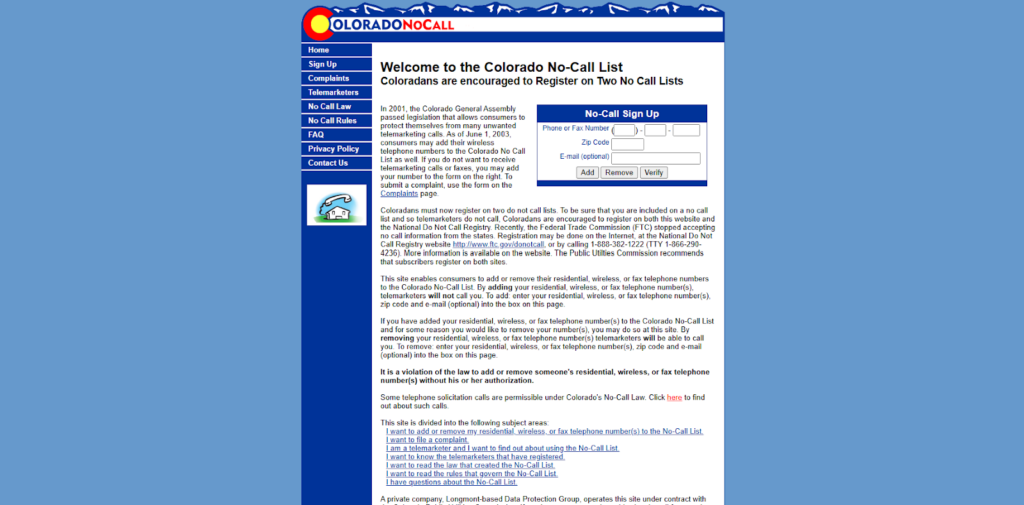
While there is a national Do Not Call Registry, Colorado has its own specific provisions and emphasis, reflecting the state’s commitment to consumer protection and individual privacy. Understanding the nuances of both the federal and state mechanisms ensures comprehensive coverage and peace of mind for those seeking a quieter phone life.
How to Register: A Simple Guide
Enrolling in the Do Not Call Registry, both federally and for Colorado, is a straightforward process designed to be accessible to everyone. The primary federal registry is managed by the Federal Trade Commission (FTC). Individuals can register their phone numbers, both landline and wireless, online at DoNotCall.gov or by calling 1-888-382-1222 (TTY 1-866-290-4236) from the phone number they wish to register. Once registered, your number will generally remain on the list indefinitely, though it’s always wise to re-verify if you suspect issues.
For Colorado-specific protections, the state’s statutes often mirror or complement federal guidelines. While Colorado does not maintain a separate public-facing state-specific registry in the same way the FTC does, its Unfair Practices Act (CRS 6-1-105) and other consumer protection laws prohibit deceptive and unwanted solicitations. Consumers in Colorado primarily rely on the federal registry, and state authorities enforce against violations that occur within Colorado. This dual layer of oversight ensures that telemarketers operating within or targeting Colorado residents are held accountable. Registering with the FTC’s national list is the most effective first step for anyone in Colorado aiming to reduce unsolicited calls.
Understanding the Scope: What the List Covers
It’s important to have realistic expectations about what the Do Not Call List accomplishes. Primarily, it targets telemarketing calls from legitimate businesses. Once your number has been on the registry for 31 days, most telemarketing calls should cease. However, there are notable exceptions:
- Political Organizations: Calls from political campaigns, parties, or committees are generally exempt.
- Charities: Non-profit organizations soliciting donations are typically not covered by the list.
- Companies with Existing Business Relationships: If you have an ongoing business relationship with a company (e.g., they are your phone provider, bank, or a company you’ve recently purchased from), they may still call you for a period of up to 18 months after your last transaction or inquiry.
- Surveys: Calls conducting surveys are often exempt.
- Calls Not Commercial in Nature: This can include informational calls or debt collection calls.
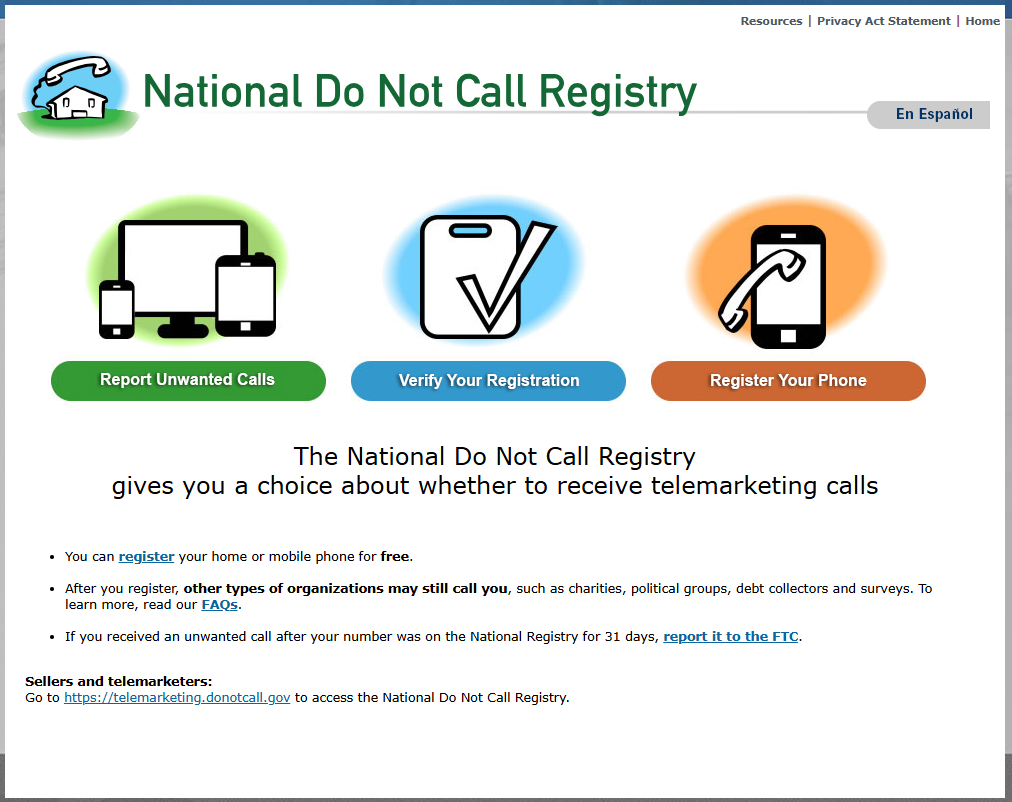
While these exceptions exist, the vast majority of nuisance sales calls are covered. For those pursuing a lifestyle free from commercial interruptions, the list provides significant relief, dramatically reducing the volume of unwanted solicitations.
Beyond the Registry: Complementary Strategies for a Serene Lifestyle
While the Do Not Call List is an incredibly powerful tool, adopting a few additional strategies can further fortify your defenses against unwanted calls and contribute to an even more serene lifestyle in Colorado.
Smart Devices and Call Blocking Apps
Modern smartphones and landline devices often come equipped with built-in call blocking features. Utilizing these can be an effective way to stop specific unwanted numbers, especially those that slip through the Do Not Call List exceptions or are from scam operations that disregard the list. Additionally, numerous third-party call blocking applications (many free) are available for smartphones, such as Nomorobo, Truecaller, and Hiya. These apps often maintain databases of known spam numbers and can automatically block or flag them, providing an extra layer of protection. For landlines, some telecommunication providers offer services like “Anonymous Call Rejection” or dedicated call blocking devices. Integrating these technological solutions with your Do Not Call registration creates a robust defense, allowing you to maintain better control over your personal communication.
Vigilance Against Scams and Exceptions
Despite the best protections, scammers often operate outside the law and will disregard Do Not Call lists. Vigilance remains a critical component of a secure lifestyle. Be wary of calls from unknown numbers, especially those asking for personal information, financial details, or immediate action. Remember that government agencies, banks, and reputable companies rarely ask for sensitive information over the phone. If a call seems suspicious, hang up and independently verify the caller’s legitimacy using official contact information. Report persistent violations to the FTC at DoNotCall.gov or to the Colorado Attorney General’s Office, as these reports help authorities identify patterns and take action against illicit callers. This proactive approach to identifying and reporting ensures not only your personal safety but also contributes to the broader effort to protect the community.
The Broader Impact on Leisure and Travel
For those who cherish their leisure time and the freedom of travel, the Do Not Call List offers particular benefits, helping to shield these cherished aspects of life from unnecessary intrusions.
Protecting Your Vacation Planning
Planning a trip, whether it’s a ski adventure in Aspen, a cultural exploration in Denver, or a national park visit, should be an enjoyable and stress-free experience. However, engaging with travel websites, requesting brochures, or even just searching for destinations online can sometimes lead to an influx of unsolicited calls from travel agencies, timeshare developers, or hospitality promoters. By being on the Do Not Call List, you significantly reduce the likelihood of these interruptions, allowing you to research, compare options, and book your ideal Colorado escape without constant commercial pressure. This protection ensures that your focus remains on crafting the perfect itinerary, rather than deflecting unwanted sales pitches, making the journey from planning to experience truly seamless.
Post-Travel Privacy: Avoiding Follow-Up Spam
The joy of a memorable trip shouldn’t be overshadowed by a barrage of post-travel marketing calls. After returning from a relaxing stay at a resort in Vail or an exciting excursion, you might find yourself on new marketing lists. Companies you’ve interacted with during your travels, even for a single booking, might attempt to follow up with promotional offers. While some of these might fall under the “existing business relationship” exception, having your number on the Do Not Call List reduces the overall volume of such calls. It sends a clear message that while you appreciated their service, your personal phone line is not an open channel for unsolicited marketing, allowing you to fully integrate back into your routine without commercial interruptions. This extended privacy helps maintain the tranquility and positive memories of your travel experiences.

Embracing a Call-Free Colorado Lifestyle
The “Do Not Call List Colorado” represents more than just a regulatory measure; it is a fundamental tool for anyone seeking to enhance their quality of life. In a state renowned for its natural beauty and emphasis on outdoor living and personal well-being, the ability to protect one’s peace and privacy from the incessant demands of telemarketing aligns perfectly with the Colorado ethos. By proactively registering your phone numbers, understanding the list’s scope, and supplementing it with smart technology and vigilance, you take a powerful step towards a lifestyle characterized by fewer interruptions and greater personal control. Embrace the tranquility that comes with managing your communication, allowing you to fully immerse yourself in the natural wonders, vibrant communities, and cherished moments that Colorado has to offer, undisturbed by the ring of an unwanted call.
LifeOutOfTheBox is a participant in the Amazon Services LLC Associates Program, an affiliate advertising program designed to provide a means for sites to earn advertising fees by advertising and linking to Amazon.com. Amazon, the Amazon logo, AmazonSupply, and the AmazonSupply logo are trademarks of Amazon.com, Inc. or its affiliates. As an Amazon Associate we earn affiliate commissions from qualifying purchases.