
Packing for a trip to Hawaii requires a strategic approach that balances tropical relaxation with rugged adventure. While many travelers envision a suitcase filled solely with swimwear and flip-flops, the diverse microclimates of the Hawaiian Islands demand a more nuanced selection of gear. Whether you are planning to lounge on the white sands of Waikiki Beach, hike the lush valleys of Kauai, or witness the sunrise atop a volcanic crater, your packing list should reflect the specific experiences offered by this United States archipelago. This guide provides a comprehensive breakdown of the travel essentials needed to navigate the Pacific Ocean paradise with comfort and style.
Essential Clothing and Footwear for the Islands
The primary climate in Hawaii is maritime tropical, characterized by warm temperatures and high humidity. However, the terrain varies significantly between islands like Oahu and the Big Island. Understanding the “Aloha spirit” also means understanding the local dress code, which is famously casual yet functional.
Daytime Versatility and Sun Protection
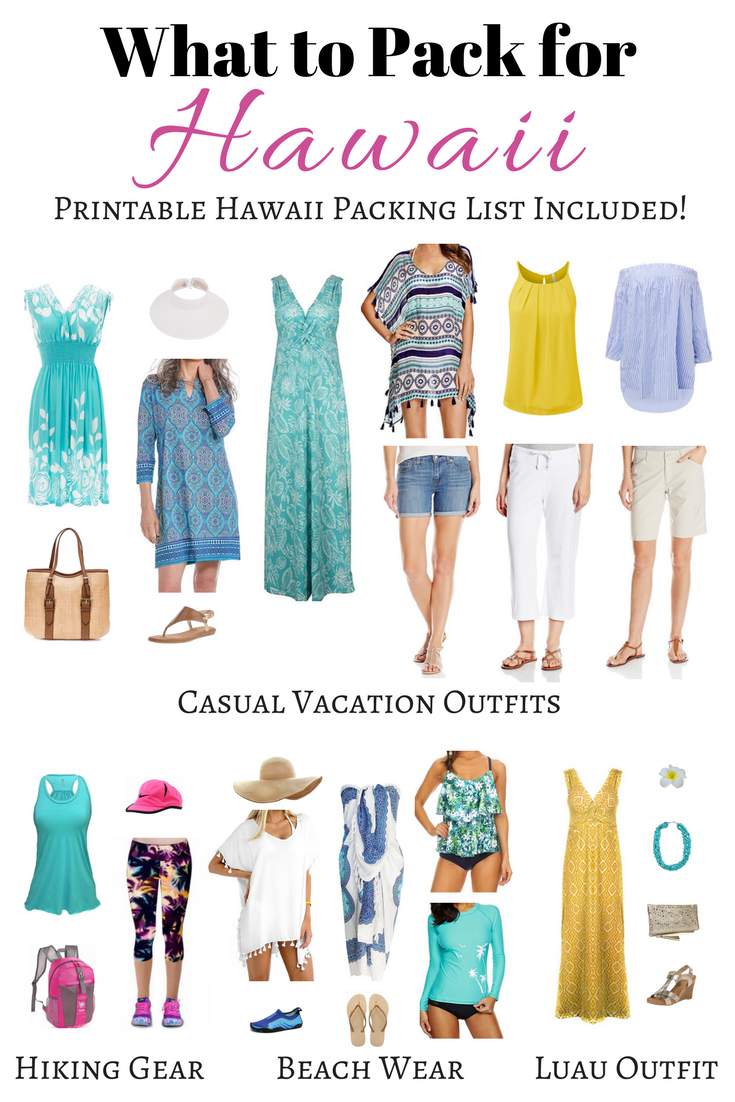
For daily excursions in Honolulu or strolling through Lahaina, lightweight, breathable fabrics are mandatory. Linen shirts, cotton t-shirts, and moisture-wicking athletic wear are ideal for staying cool. Women will find sundresses and rompers highly versatile for transitioning from a morning coffee in Kailua-Kona to an afternoon browsing the Ala Moana Center.
Sun protection is a critical travel consideration. Beyond high-SPF sunscreen, consider packing a wide-brimmed hat and polarized sunglasses to protect against the intense glare of the tropical sun. If you plan on spending significant time in the water at Hanauma Bay or Shark’s Cove, a long-sleeved rash guard is a wise addition. This not only protects your skin from UV rays but also minimizes the amount of sunscreen released into the sensitive coral reef ecosystems.
Footwear for Every Occasion
In Hawaii, footwear is often dictated by the activity. For beach days and casual walks, a high-quality pair of “slippers” (the local term for flip-flops) is essential. Brands like Olukai are popular for their arch support and durability.
However, if your itinerary includes exploring the Kalalau Trail on the Na Pali Coast or trekking through Waimea Canyon, you must pack sturdy hiking shoes or trail runners with excellent traction. The volcanic soil can become incredibly slippery when wet, particularly in rainier areas like the North Shore of Kauai. For those visiting Hawaii Volcanoes National Park, closed-toe shoes are a safety requirement for walking over jagged basaltic lava flows.
Evening Attire and Luau Elegance
Evenings in Hawaii remain warm, but many upscale resorts and restaurants have a “resort casual” dress code. For men, an “Aloha shirt”—the iconic patterned button-down—is considered appropriate for almost any formal occasion, including weddings or a high-end dinner at the Halekulani Hotel. For women, a maxi dress or elegant skirt paired with dressy sandals is perfect for a sunset luau at the Polynesian Cultural Center.
Adventure Gear and Outdoor Necessities
Hawaii is a playground for outdoor enthusiasts, and having the right gear can significantly enhance your experience. Travel guides often overlook the technical requirements of island adventures, which range from snorkeling to high-altitude exploration.
Snorkeling and Water Sports Gear
While many tour operators at Molokini Crater provide equipment, serious snorkelers often prefer to pack their own mask and snorkel for a better fit and hygiene. A dry bag is another indispensable item for any boat excursion or kayaking trip in Kaneohe Bay. It protects your camera, phone, and dry clothes from salt spray and unexpected rain showers.
If you are planning to surf at Banzai Pipeline or try stand-up paddleboarding in Kapalua Bay, ensure you have swimwear that stays securely in place. Water shoes are also recommended for beaches with rocky entries or coral bottoms, such as those found around Poipu.
Navigating the Microclimates
One of the most surprising aspects of Hawaii travel is the extreme temperature variation found at higher elevations. If you intend to watch the sunrise at Haleakala National Park on Maui or visit the observatories on Mauna Kea, you will need winter-grade clothing. Temperatures at these summits can drop below freezing, and the wind chill is significant. Pack a lightweight puffer jacket, gloves, and a warm hat specifically for these excursions.
Conversely, the “wet side” of the islands, such as Hilo or the Hanalei Valley, receives frequent rainfall. A compact, breathable rain shell is essential for staying dry while exploring Akaka Falls State Park or driving the Road to Hana.
Essential Toiletries and Health Items
Hawaii has strict regulations regarding sunscreen to protect its coral reefs. Only “reef-safe” sunscreens—those without oxybenzone and octinoxate—are allowed. It is often easier to purchase these locally at stores in Kihei or Lihue, but if you bring your own, double-check the ingredients.
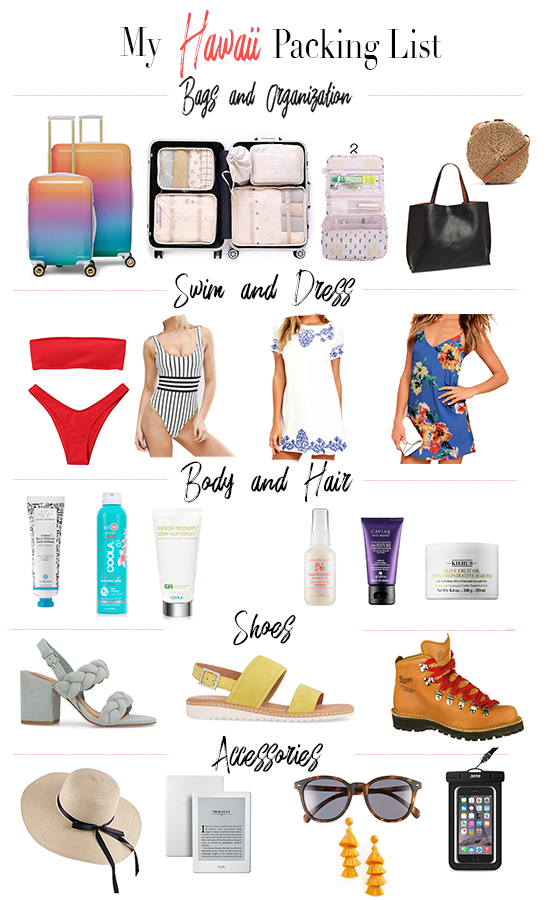
Insect repellent is another must-have, especially if you plan on hiking to Manoa Falls or visiting the botanical gardens on Lanai. Mosquitoes can be prevalent in the rainforest regions. Additionally, a basic first-aid kit with antiseptic wipes and bandages is helpful for treating minor scrapes that can occur when hiking over volcanic rock or through dense jungle foliage.
Tech, Documents, and Smart Travel Essentials
In the modern travel era, your digital toolkit is just as important as your physical one. Ensuring you have the right electronics and documentation will streamline your movement between islands, whether you are flying with Hawaiian Airlines or taking a ferry to Molokai.
Electronics and Connectivity
Photography is a major part of the Hawaii experience. An underwater camera or a GoPro is highly recommended for capturing the sea turtles at Laniakea Beach or the colorful fish at Kealakekua Bay. Ensure you bring extra memory cards and a portable power bank, as using GPS for navigation on long drives like the one to Waipio Valley can drain phone batteries quickly.
If you plan on remote working or staying connected, most resorts like the Grand Hyatt Kauai Resort and Spa offer excellent Wi-Fi. However, in more remote areas of Maui or the Big Island, cellular signals can be spotty. Downloading offline maps of the islands is a practical step before leaving your hotel.
Documentation and Logistics
While Hawaii is a United States state, international travelers must ensure they have the appropriate visas or ESTA approvals. For domestic travelers, a valid driver’s license is essential for renting a vehicle to explore the Kona Coast.
Keep digital and physical copies of your reservations for popular attractions. Sites like Pearl Harbor National Memorial and the USS Arizona Memorial often require advance bookings that sell out weeks in advance. Having your confirmation QR codes ready on your phone will save time at the entrance.
Packing for Specific Hawaiian Destinations
Each island has its own personality and requires slightly different packing considerations. Tailoring your suitcase to your specific destination ensures you are prepared for the local environment.
Oahu: The Gathering Place
As the most populated island, Oahu offers a mix of urban sophistication and natural beauty. If you are staying at the Hilton Hawaiian Village, you will want a mix of trendy city clothes for dining in Kakaako and athletic gear for hiking Diamond Head. Don’t forget a reusable tote bag for the Kapiolani Community College Farmers Market.
Maui: The Valley Isle
Maui is synonymous with luxury resorts and scenic drives. If your home base is Wailea, pack high-end swimwear and elegant evening attire for the Four Seasons Resort Maui at Wailea. If you are heading to the east side to see Oheo Gulch (the Seven Sacred Pools), bring a light rain jacket and sturdy water shoes for the muddy trails and slippery rocks.
Kauai: The Garden Isle
Packing for Kauai should prioritize adventure. This is the island where you are most likely to get dirty. “Red dirt” is a staple of the island’s landscape, and it can permanently stain light-colored clothing. Pack older workout clothes or dark-colored gear for activities like ATV tours in Kipu Ranch or hiking near Princeville.
The Big Island: Hawaii
The Big Island is vast and geographically diverse. You might find yourself on a black sand beach at Punaluu Beach in the morning and near a snow-capped mountain in the afternoon. Layering is the key to success here. If you are visiting the Lyman Museum in Hilo, expect rain; if you are staying at the Mauna Lani on the Kohala Coast, expect dry, sunny conditions.

Cultural Sensitivity and Respectful Packing
Travel to Hawaii is more than just a vacation; it is an entry into a land with deep cultural roots and sacred traditions. When visiting historical sites like Puuhonua o Honaunau National Historical Park or the Iolani Palace, it is respectful to dress modestly. Avoid wearing revealing swimwear in these locations.
Furthermore, consider packing a reusable water bottle and shopping bags to minimize your environmental footprint. The islands are increasingly focused on sustainability, and reducing plastic waste is a vital part of protecting the local ecosystem. By packing thoughtfully, you not only ensure your own comfort but also contribute to the preservation of the Hawaiian Islands for future generations of travelers.
In summary, packing for Hawaii is an exercise in preparation for both the expected and the unexpected. From the bustling streets of Waikiki to the silent heights of Mauna Loa, having the right mix of breathable clothing, specialized adventure gear, and cultural awareness will make your trip seamless. With your suitcase properly curated, you are ready to immerse yourself in the natural wonders and vibrant culture of the Aloha State.
LifeOutOfTheBox is a participant in the Amazon Services LLC Associates Program, an affiliate advertising program designed to provide a means for sites to earn advertising fees by advertising and linking to Amazon.com. Amazon, the Amazon logo, AmazonSupply, and the AmazonSupply logo are trademarks of Amazon.com, Inc. or its affiliates. As an Amazon Associate we earn affiliate commissions from qualifying purchases.