
Navigating the distances between major Florida cities is a common consideration for travelers, residents, and anyone planning a road trip. The journey from Orlando to Jacksonville, Florida, is a popular route, connecting two significant hubs in the Sunshine State. Understanding the specifics of this trip, including mileage, driving time, and the various factors that influence it, is crucial for efficient travel planning. This guide delves into the distance and offers insights into making the most of your travel experience between these two vibrant Florida metropolises.
The Direct Driving Distance and Estimated Time
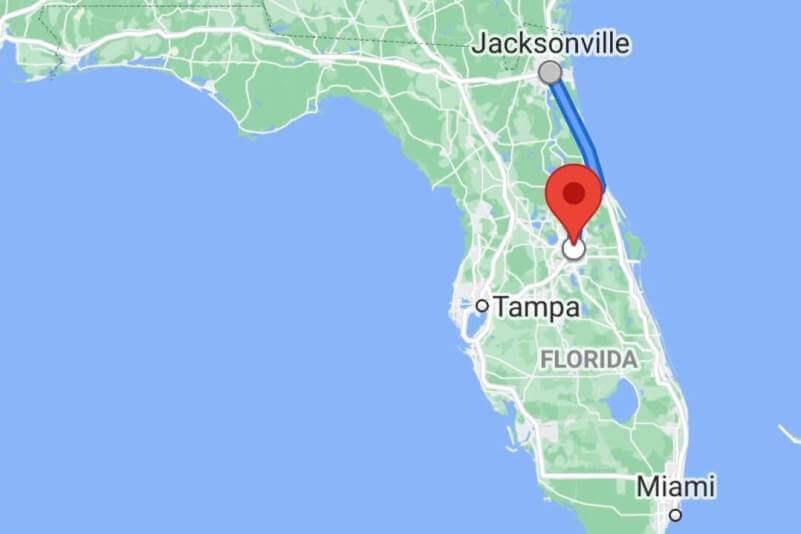
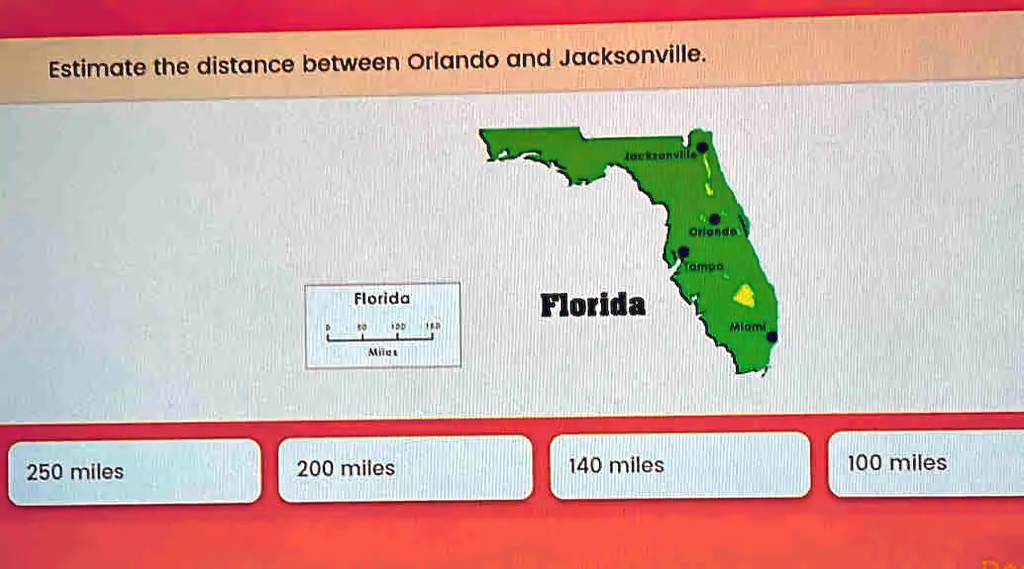
The most straightforward way to travel from Orlando to Jacksonville is by car. The direct driving distance is approximately 140 to 145 miles, depending on the specific starting and ending points within each city and the chosen route. This mileage translates into an estimated driving time of roughly 2 to 2.5 hours under ideal conditions.
Key Factors Influencing Travel Time
While the distance remains constant, the actual time it takes to complete the journey can fluctuate significantly. Several factors play a role:
- Traffic Conditions: Orlando and Jacksonville are major metropolitan areas, and traffic can be a considerable factor, especially during peak commuting hours. Leaving Orlando early in the morning or later in the evening, or traveling on weekends, can often result in smoother transit. The stretches of Interstate 4 (I-4) and Interstate 95 (I-95), which are commonly used for this route, can experience congestion.
- Road Construction and Detours: Road work is a perpetual reality on major highways. Delays due to construction projects or unexpected detours can add substantial time to your trip. It is always advisable to check real-time traffic updates before and during your journey.
- Weather: Florida’s weather can be unpredictable. Heavy rain, thunderstorms, or even fog can reduce visibility and slow down traffic considerably. During hurricane season, adverse weather conditions can lead to significant travel disruptions.
- Stops and Breaks: The estimated driving time typically does not account for stops for fuel, food, or rest. A comfortable journey often involves at least one or two brief stops. Incorporating these into your plan will extend the overall travel duration.
- Time of Day and Day of Week: As mentioned, traveling during rush hour (typically 6-9 AM and 4-7 PM on weekdays) will almost certainly lead to longer travel times. Weekend travel can also be heavier, particularly on Fridays and Sundays, as people head to or from leisure destinations.
Navigating the Route: Major Highways and Alternatives
The primary route connecting Orlando and Jacksonville primarily utilizes Florida’s highway system.
The Most Common Path: I-4 East to I-95 North
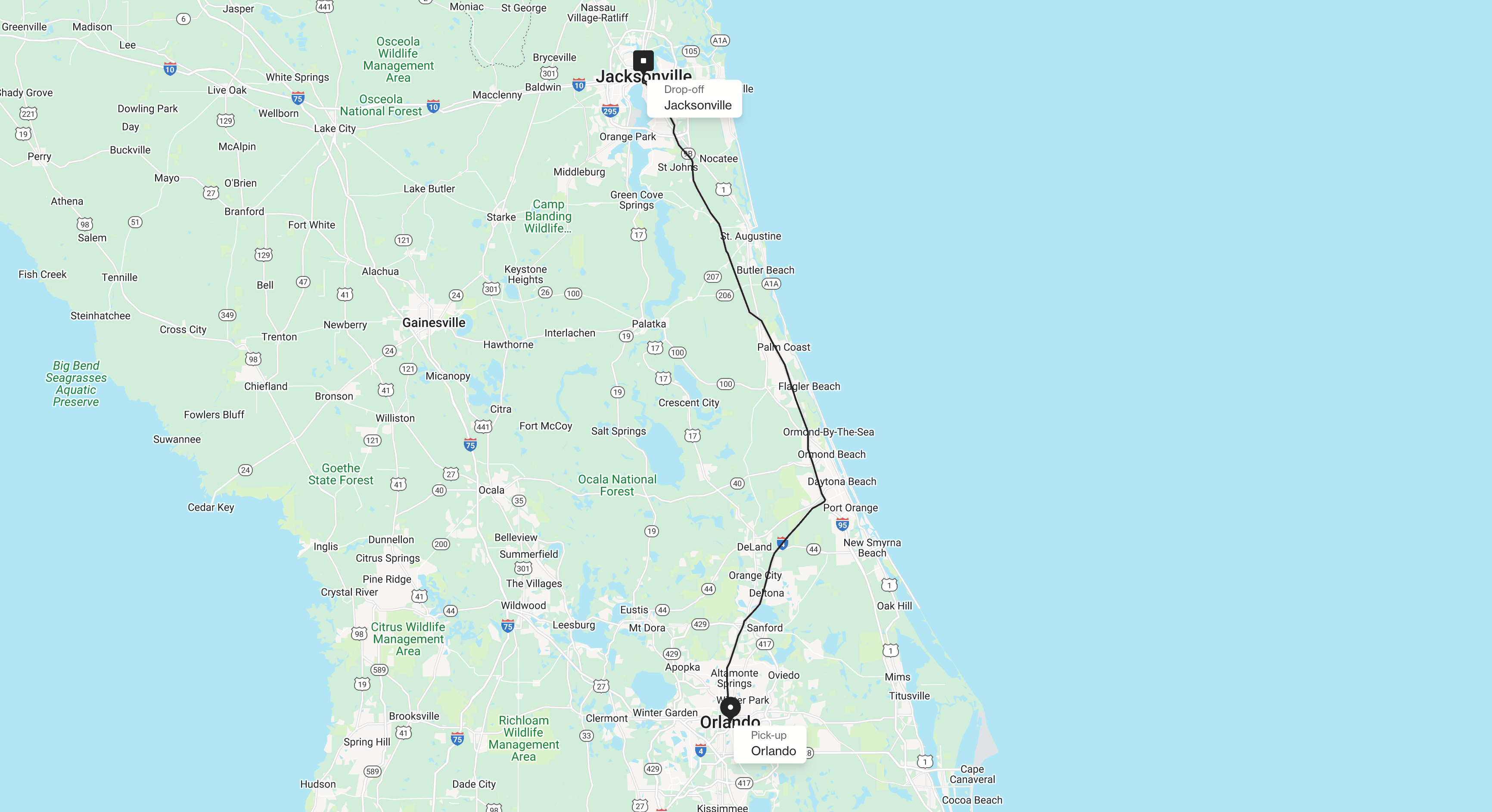
The most direct and commonly used route involves taking Interstate 4 (I-4) East from Orlando for a short distance before merging onto State Road 417 (SR 417) North. This toll road offers a less congested alternative for bypassing some of the urban sprawl around Orlando. SR 417 then connects with Interstate 95 (I-95) North, which is the main artery leading directly into Jacksonville.
Alternatively, one can stay on I-4 East for a longer stretch before transitioning to State Road 528 (SR 528), also known as the Beachline Expressway. SR 528 East will lead you to I-95 North, continuing the journey to Jacksonville. This option can be beneficial if your starting point in Orlando is closer to the east side of the city.
Scenic or Alternative Routes
While the interstate highways are the most efficient, alternative routes can offer a glimpse of Florida’s diverse landscapes and smaller towns. These routes, however, will significantly increase travel time.
- US-17 North: This historic highway runs parallel to the coast for much of its length. It passes through charming towns like Sanford and Palatka, offering a more laid-back travel experience. However, expect much slower speeds, frequent traffic lights, and a considerably longer journey, often exceeding 3.5 to 4 hours of pure driving time, not including stops.
- US-1 North: Similar to US-17, US-1 offers a coastal route, though it deviates further east. This is a less common choice for direct travel between Orlando and Jacksonville due to its indirect path and the need to navigate through numerous towns and cities.
For most travelers, sticking to the I-95 North corridor, accessed via SR 417 or SR 528 from Orlando, provides the most efficient and predictable travel experience.
Considerations for Travelers: Beyond the Mileage
The decision to travel between Orlando and Jacksonville often stems from a desire to explore different facets of Florida. Orlando is globally renowned for its theme parks, including Walt Disney World Resort and Universal Orlando Resort, as well as its family-friendly attractions and entertainment options. Jacksonville, on the other hand, offers a distinct experience with its expansive urban park system, vibrant downtown, and beautiful Atlantic coastline.
Transitioning Between Experiences
Understanding the distance is not just about the miles; it’s about the transition between these different environments. A drive from the bustling, theme-park-centric atmosphere of Orlando to the more relaxed, coastal city of Jacksonville represents a shift in pace and attractions.
- From Theme Park Thrills to Urban Exploration: After days spent immersed in fantasy worlds and thrilling rides, the drive north can signal a change of pace. Jacksonville invites exploration of its historic neighborhoods like Springfield and its extensive riverfront, including the sights and sounds of the St. Johns River.
- Coastal Access: Jacksonville boasts miles of public beaches, such as Jacksonville Beach and Ponte Vedra Beach, offering a stark contrast to the landlocked attractions of Orlando. The proximity to the Atlantic Ocean is a major draw for those seeking a different type of Florida experience.
- Culinary and Cultural Differences: While both cities offer diverse dining, Jacksonville has a growing culinary scene with a focus on fresh seafood and a distinct Southern influence, different from the international flavors often found in Orlando. The local arts and music scenes also present unique opportunities for cultural immersion.
Planning Your Stopovers
For those who prefer to break up the journey or explore points of interest along the way, there are several towns and attractions that can serve as convenient stopover points.
- Near the halfway mark: Towns like St. Augustine, America’s oldest continuously inhabited European-established settlement, are located roughly halfway between Orlando and Jacksonville if taking a slightly more easterly route. While not directly on the most direct I-95 path, a detour to St. Augustine adds a historical and charming dimension to the trip.
- Smaller communities: Various smaller towns offer a break from the highway. However, for efficiency, most travelers opt to drive the full distance without significant stops, or pause at service plazas along I-95.
In conclusion, the distance from Orlando to Jacksonville is a manageable drive of approximately 140-145 miles, typically taking 2 to 2.5 hours. By understanding the contributing factors to travel time and the available routes, travelers can better plan their journeys, whether seeking the magic of theme parks or the coastal charm of Florida‘s largest city.
LifeOutOfTheBox is a participant in the Amazon Services LLC Associates Program, an affiliate advertising program designed to provide a means for sites to earn advertising fees by advertising and linking to Amazon.com. Amazon, the Amazon logo, AmazonSupply, and the AmazonSupply logo are trademarks of Amazon.com, Inc. or its affiliates. As an Amazon Associate we earn affiliate commissions from qualifying purchases.