
The biological landscape of Hawaii is one of the most remarkable natural landmarks in the United States and the world. Situated in the center of the Pacific Ocean, this archipelago is the most isolated island chain on Earth. Because of this extreme seclusion, the animals that call these islands home have evolved in extraordinary ways, resulting in a high percentage of endemic species—creatures found nowhere else on the planet. From the snow-capped heights of Mauna Kea to the crystalline depths of the Molokini Crater, the fauna of Hawaii serves as a living history of evolution and ecological resilience.
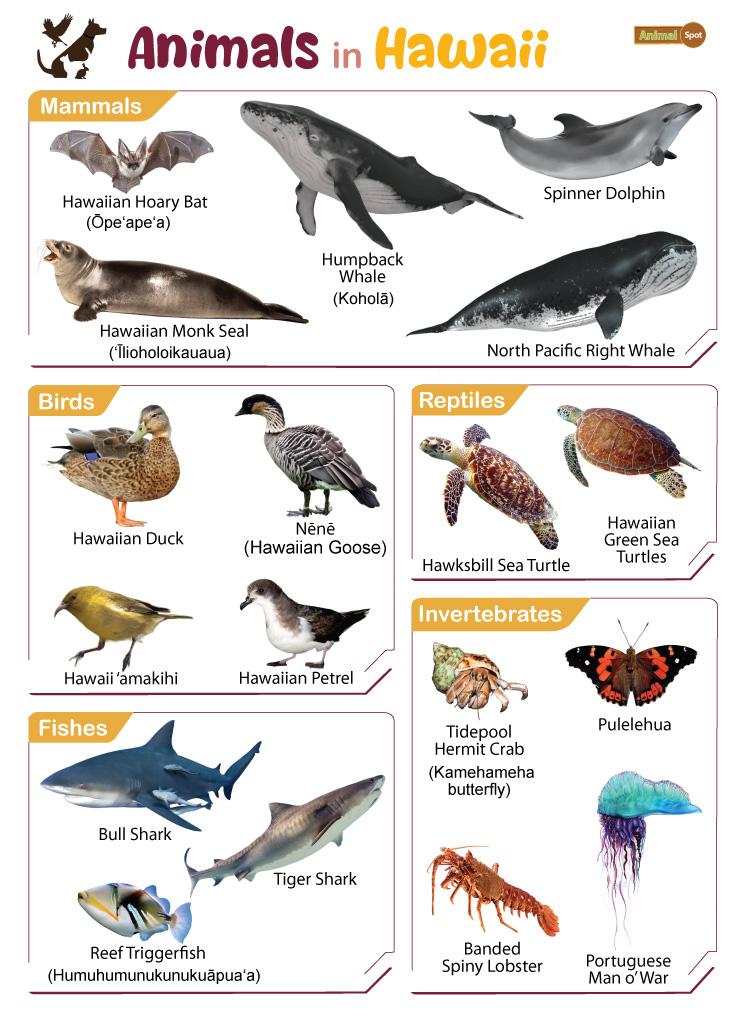
Understanding the wildlife of the islands requires looking beyond the surface-level beauty of Honolulu or the bustling shores of Waikiki. The true nature of Hawaii is found in its native birds, rare marine mammals, and the delicate balance between indigenous residents and introduced species that have arrived over the centuries.
The Sentinels of the Shoreline: Marine Mammals and Reptiles
The waters surrounding the Hawaiian Islands are perhaps the most vibrant natural landmarks of the region. As part of a vast marine ecosystem, Hawaii hosts a variety of species that rely on the nutrient-rich currents and protected bays of islands like Maui and Lanai.
The Majestic North Pacific Humpback Whale
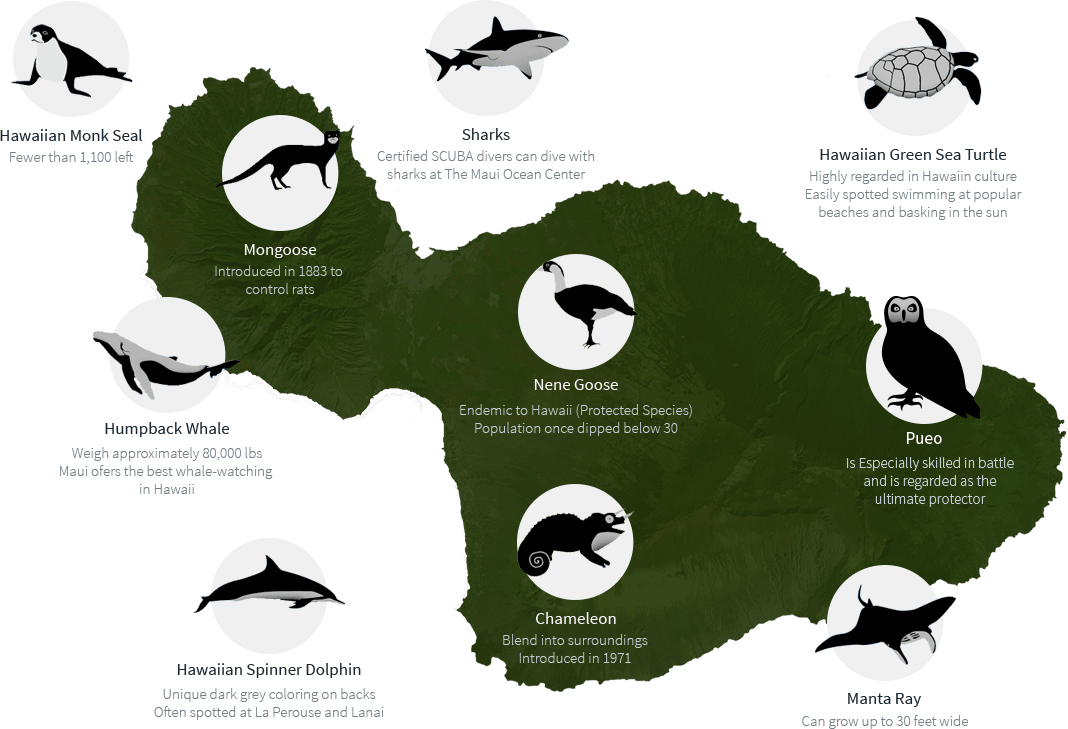
One of the most iconic seasonal residents of Hawaii is the North Pacific Humpback Whale. Every year, thousands of these giants migrate from the chilly waters of Alaska to the warm, shallow channels between Maui, Molokai, and Lanai. This area, known as the Hawaiian Islands Humpback Whale National Marine Sanctuary, provides a safe haven for mating and calving. These whales are considered a cultural and natural treasure, appearing in ancient Hawaiian chants and petroglyphs found across the islands. Their presence is a massive biological event that defines the winter months in the archipelago.
The Endangered Hawaiian Monk Seal
On the sun-drenched beaches of Kauai and Oahu, lucky observers might spot the Hawaiian Monk Seal. This is one of the rarest earless seals in the world and is the only seal species native to Hawaii. Known to the locals as “Ilio-holo-i-ka-uaua” (dog that runs in rough water), these seals are solitary by nature. Most of the population resides in the Northwestern Hawaiian Islands, particularly within the protected boundaries of the Papahanaumokuakea Marine National Monument. Their survival is a testament to intensive conservation efforts, as they face threats from habitat loss and marine debris.
The Honu: Hawaii’s Green Sea Turtle
No discussion of Hawaiian wildlife is complete without the Green Sea Turtle, or Honu. These reptiles are a symbol of good luck and longevity in Hawaiian culture. While they can be seen throughout the Pacific Ocean, the Hawaiian population is distinct. They are frequently seen basking on the sands of Laniakea Beach or feeding on algae along the volcanic coastlines of the Big Island. The Honu is a primary example of a “natural landmark” animal—a species so integral to the visual identity of the islands that it is protected with strict federal and state laws.
Winged Wonders: The Native and Migratory Birds of the Archipelago
Before humans arrived in Hawaii, birds were the undisputed masters of the terrestrial landscape. Without land predators like snakes or large mammals, avian species underwent rapid diversification, filling every ecological niche from the rainforests of Mount Waialeale to the dry forests of the Leeward Coast.
The Nene: Hawaii’s State Bird
The Nene, or Hawaiian Goose, is the rarest goose in the world. It is believed to have evolved from Canada geese that blew off course half a million years ago. Over time, the Nene adapted to the volcanic landscape by developing longer legs and less webbing on its feet, allowing it to navigate the rugged lava flows of Haleakala National Park and Hawaii Volcanoes National Park. Once on the brink of extinction, with only 30 individuals remaining in the 1950s, the Nene has made a dramatic comeback thanks to captive breeding programs.
The Forest Birds and Honeycreepers
The high-altitude forests of Hawaii were once filled with the songs of dozens of species of Hawaiian honeycreepers. These birds are a classic example of adaptive radiation, similar to Darwin’s finches in the Galapagos Islands. Species like the Iiwi, with its brilliant scarlet feathers and curved beak designed for sipping nectar from the Ohia Lehua blossoms, are icons of the native forest. Other notable birds include the Apapane and the Elepaio. These birds are often found in the remote upland regions of Kauai and the Big Island, where they are safe from the avian malaria carried by mosquitoes in the lower elevations.
Seabirds of the Remote Atolls
While many visitors focus on the main islands, the Northwestern Hawaiian Islands serve as the world’s most important nesting grounds for seabirds. The Laysan Albatross and the Black-footed Albatross congregate in the millions on Midway Atoll. On the main islands, landmarks like Kilauea Point National Wildlife Refuge on Kauai offer a glimpse of these ocean-faring birds, including the Red-footed Booby and the Great Frigatebird.
Terrestrial Inhabitants: Mammals, Insects, and Evolutionary Curiosities
Interestingly, Hawaii has only one native land mammal. The lack of native predators allowed for the evolution of unique insects and the arrival of various “hitchhiker” species that have shaped the environment we see today.
The Ope’ape’a: The Hawaiian Hoary Bat
The Hawaiian Hoary Bat, or Ope’ape’a, is the only land mammal native to the archipelago. This small, solitary bat is shrouded in mystery, as it is difficult to track in the dense foliage of the Hawaiian rainforests. It is believed to have arrived on the islands in two separate waves from North America. These bats are essential to the ecosystem as they consume massive quantities of insects, including those that damage native crops. They are currently listed as an endangered species, with primary habitats located on the Big Island and Kauai.
The Influence of Introduced Species
Since the arrival of the first Polynesia voyagers and later European explorers, many non-native animals have been introduced to Hawaii. While some have become integrated into the culture, others have posed significant challenges to the native flora and fauna.
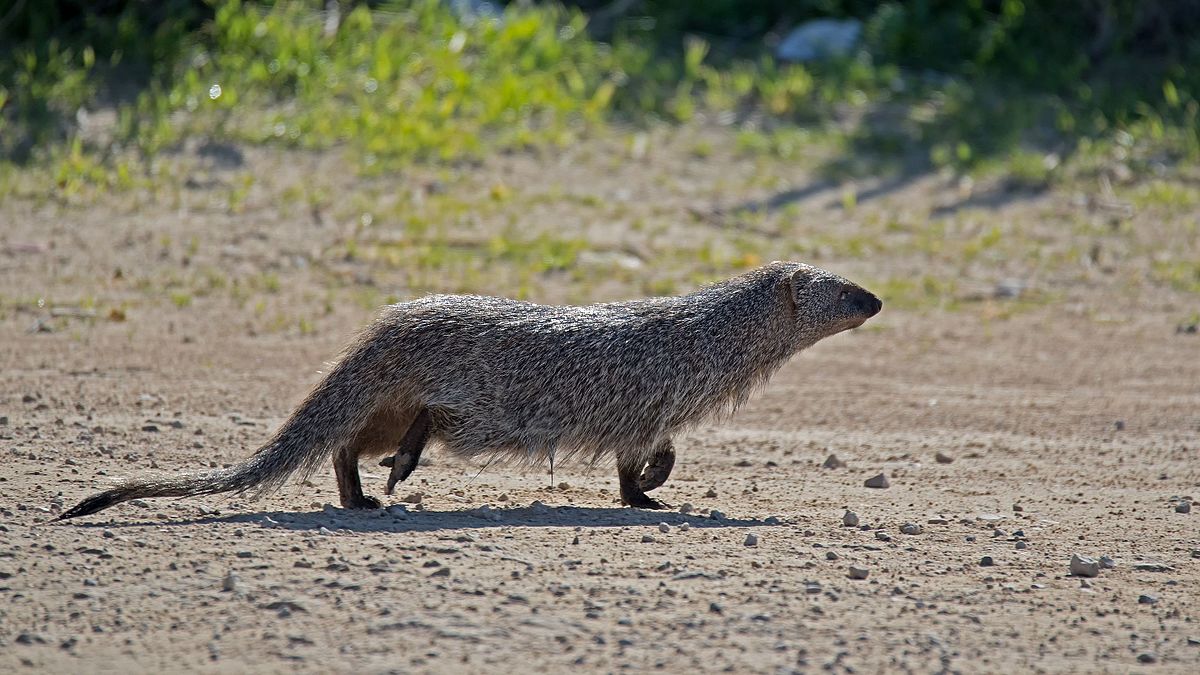
- The Small Indian Mongoose: Introduced in the late 19th century to control rats in sugar cane fields, the Small Indian Mongoose has instead become a major predator of native bird eggs and the Nene. They are commonly seen darting across roads on Oahu, Maui, and the Big Island, though they are notably absent from Kauai.
- Axis Deer: These deer were a gift to King Kamehameha V in the 1860s. Today, they roam in large numbers on Molokai and Lanai, where they are considered both a resource for hunting and a threat to native vegetation.
- Feral Pigs and Goats: Brought by early settlers, these animals have escaped into the wild, where their rooting and grazing can devastate the delicate undergrowth of the Hawaiian rainforests, leading to erosion and the destruction of native habitats.
Unique Invertebrates
The islands are also home to the Kaua’i Cave Wolf Spider, a blind predator that lives in the lava tubes of the Koloa region. Additionally, the Hawaiian Happy-face Spider is a famous resident of the high-altitude rainforests, known for the unique markings on its abdomen that resemble a smiling face. These small creatures are just as much a part of the natural landmarks of Hawaii as the towering volcanoes themselves.
Conservation Landmarks: Protecting Hawaii’s Unique Biodiversity
Because Hawaii is often called the “extinction capital of the world,” the islands are home to some of the most advanced conservation landmarks and initiatives in the United States. These sites are dedicated to ensuring that future generations can still witness the incredible variety of animals that define the spirit of the islands.
The Role of National Parks
The National Park Service plays a critical role in wildlife management. At Hawaii Volcanoes National Park, extensive fencing projects protect native plants and the birds that rely on them from feral ungulates. Meanwhile, Haleakala National Park on Maui manages the critical habitat of the Nene and the Hawaiian Petrel, a seabird that nests in the volcanic cinders of the summit.
Marine Sanctuaries and Refuges
The Papahanaumokuakea Marine National Monument is one of the largest marine protected areas in the world. It encompasses a string of islands, atolls, and reefs stretching 1,200 miles northwest of Kauai. This sanctuary is the primary breeding ground for the Hawaiian Monk Seal and provides a safe haven for millions of migratory birds and diverse coral reef fish.
On a smaller scale, sites like Hanauma Bay Nature Preserve on Oahu act as educational landmarks where visitors can learn about the Humuhumunukunukuapuaa (the reef triggerfish), which is the state fish of Hawaii. These protected zones ensure that the delicate marine life remains undisturbed by the pressures of modern development.
The animals of Hawaii are more than just biological inhabitants; they are the living components of the islands’ natural history. Whether it is the seasonal visit of a North Pacific Humpback Whale or the quiet flutter of a Hawaiian Hoary Bat in the twilight, these creatures are the true residents of the archipelago’s most famous natural landmarks. Their survival and the preservation of their habitats remain a central focus for the state, reflecting a deep respect for the “Aina” (the land) and all its inhabitants.
LifeOutOfTheBox is a participant in the Amazon Services LLC Associates Program, an affiliate advertising program designed to provide a means for sites to earn advertising fees by advertising and linking to Amazon.com. Amazon, the Amazon logo, AmazonSupply, and the AmazonSupply logo are trademarks of Amazon.com, Inc. or its affiliates. As an Amazon Associate we earn affiliate commissions from qualifying purchases.