
Navigating the intricacies of sales tax is a crucial aspect of responsible travel planning, especially when exploring diverse destinations like New Mexico. Understanding how sales tax is applied can significantly impact your budget, from booking accommodation at a resort in Santa Fe to purchasing souvenirs in Albuquerque. While New Mexico is known for its vibrant culture, stunning landscapes, and rich history, it also presents a unique sales tax structure that travelers should be aware of. This guide aims to demystify New Mexico’s sales tax, ensuring a smoother and more informed travel experience.
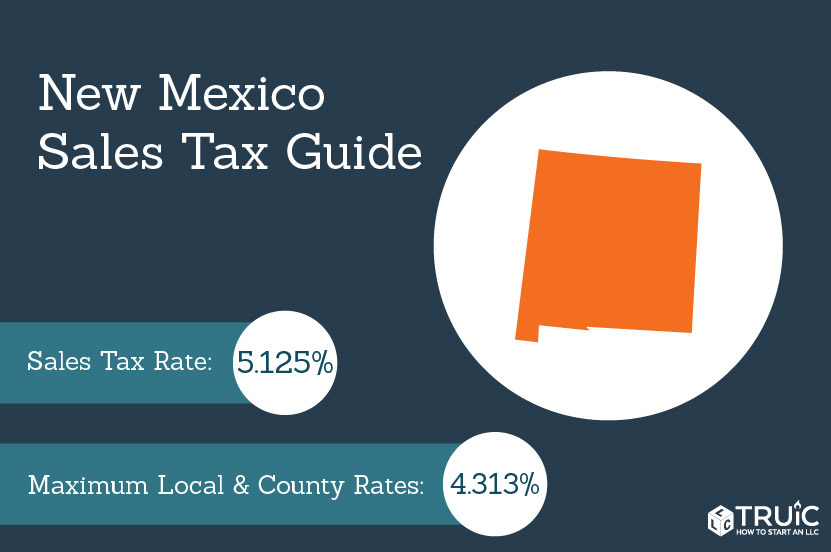
Understanding New Mexico’s Gross Receipts Tax
Unlike many other states that levy a traditional “sales tax,” New Mexico imposes a Gross Receipts Tax (GRT). This distinction is fundamental to understanding how taxes are collected and what they apply to. The GRT is levied on the gross income of businesses for the privilege of engaging in business in the state. In simpler terms, it’s a tax on the seller’s receipts from selling tangible goods and taxable services.
The Nuances of GRT Application for Travelers
For travelers, this means that the tax is generally embedded in the price of goods and services. When you purchase a meal at a restaurant in Taos, book a stay at a charming inn near Carlsbad Caverns National Park, or buy artwork from a local artisan, the GRT has likely already been calculated by the business and factored into the advertised or quoted price. You typically won’t see a separate line item for “sales tax” on your receipt in the same way you might in other states. However, the tax liability ultimately falls on the consumer.
How GRT Differs from Traditional Sales Tax
The primary difference lies in who bears the legal tax burden. In a sales tax system, the tax is imposed on the retail sale of tangible personal property and sometimes services, and the seller acts as a collector for the state. In New Mexico’s GRT system, the tax is on the gross receipts of the business. While businesses can, and often do, pass this tax on to their customers, the legal obligation to remit the tax to the state rests with the business. This can lead to a more complex tax landscape for businesses operating in New Mexico, but for travelers, the key takeaway is that the tax is generally included in the final price.
State and Local Tax Rates
New Mexico’s tax structure involves both state and local components, leading to variations in the total tax rate depending on the specific locality. This means that the amount of tax you indirectly pay can differ slightly depending on where in New Mexico you are traveling.
State Gross Receipts Tax Rate
The state of New Mexico levies a base GRT rate. This rate is subject to change by the legislature, so it’s always a good idea to check for the most current information if you are planning a business trip or have specific tax-related concerns. However, for most tourists, understanding the general principle is sufficient.
Local Taxes: Municipal and County Levies
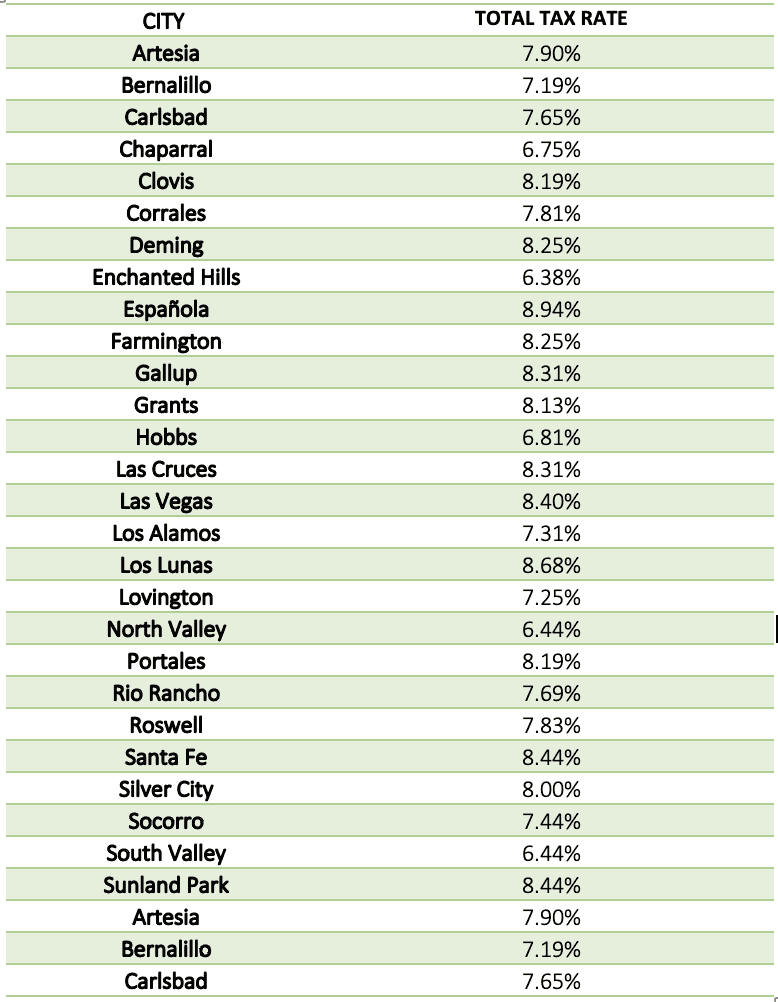
In addition to the state GRT, various municipalities and counties within New Mexico impose their own GRT rates. These local taxes are added to the state rate, creating a combined GRT that can range significantly across different cities and regions. For instance, the GRT rate in Santa Fe might differ from that in Las Cruces.
These local levies are often used to fund local services, infrastructure projects, and public safety initiatives. While the exact combined rate is usually absorbed into the price you pay, being aware that local variations exist can be helpful for understanding pricing differences between destinations. For example, a souvenir purchased in a smaller town might have a slightly different effective tax embedded in its price compared to a similar item purchased in a larger metropolitan area.
Combined Tax Rate Example
To illustrate, if the state GRT rate were 5% and a particular city or county had an additional 3% local GRT, the combined rate would be 8%. This 8% would be applied to the gross receipts of businesses operating within that jurisdiction. As a traveler, this translates to an effective tax of 8% on the goods and services you consume. However, remember that this is typically reflected in the final price you see at the point of sale.
Taxable Goods and Services in New Mexico
Understanding what types of transactions are subject to GRT is essential for travelers. While most purchases of tangible goods and services are taxable, there are some important exemptions and considerations.
Tangible Personal Property
The purchase of most tangible personal property is subject to the GRT. This includes items like clothing, electronics, souvenirs, books, and any other physical goods you might buy during your trip. When you buy a piece of turquoise jewelry in Gallup or a bottle of New Mexico wine, the GRT is applied to that sale.
Taxable Services
New Mexico also taxes a wide range of services. This is where the GRT can have a more direct impact on your travel expenses. Services that are typically subject to GRT include:
- Lodging: Hotel rooms, motel stays, and vacation rentals are generally subject to GRT. This means that the advertised nightly rate for a room at a resort like the Inn of the Five Graces in Santa Fe will include the GRT.
- Food and Drink: Dining out at restaurants, cafes, and bars involves GRT on the total bill, including food, beverages, and any service charges.
- Admissions and Entertainment: Tickets to museums, concerts, sporting events, and other forms of entertainment are subject to GRT.
- Transportation Services: Certain transportation services, such as car rentals and taxi services, may be subject to GRT.
- Professional Services: While some services are exempt, many professional services, such as those provided by consultants, repair services, and personal care services, are taxable.
Exemptions and Considerations
While the GRT is broadly applied, certain items and services are exempt. These exemptions are primarily designed to ease the tax burden on specific industries or for specific types of transactions.
- Certain Food Products: Unlike many states, New Mexico does not exempt all grocery food items. Prepared foods and restaurant meals are taxable. However, some basic food staples purchased at grocery stores may be exempt. It’s always advisable to check local regulations for specific grocery exemptions.
- Prescription Drugs: Prescription medications are generally exempt from GRT.
- Services for Resale: Businesses that purchase services for the purpose of reselling them to another customer may be eligible for an exemption, provided certain conditions are met. This is more relevant to businesses than to individual travelers.
- Interstate Sales: Sales of tangible personal property that are shipped out of state are typically exempt from New Mexico GRT, as the tax jurisdiction shifts to the destination state. This is important for online purchases or if you are shipping items home.
Impact on Tourist Activities and Spending
Understanding New Mexico’s GRT can help travelers budget more effectively for their trips. The embedded nature of the tax means that prices might appear slightly higher than in states with lower sales tax rates, but this is the cost of doing business in New Mexico.
Budgeting for Accommodation
When booking a hotel, resort, or vacation rental, remember that the nightly rate will include the GRT. For example, if a room at the La Fonda on the Plaza in Santa Fe is advertised at $200 per night, and the combined GRT rate in that area is 7.5%, the pre-tax rate is approximately $186.05, with the remaining $13.95 being the GRT. While you don’t calculate it yourself, it’s factored into the overall cost.
Dining and Entertainment Expenses
Dining out at a renowned New Mexican restaurant or enjoying a night at the Santa Fe Opera will also have the GRT included in the final bill. This means that a $50 dinner might effectively cost around $53.75 (assuming a 7.5% GRT). Similarly, tickets to attractions like the International Balloon Fiesta in Albuquerque will reflect the GRT in their pricing.
Shopping for Souvenirs and Local Crafts
Exploring the unique art markets and shops in New Mexico offers a chance to find distinctive souvenirs. Whether you’re purchasing pottery in Pueblo country, silver jewelry in Taos, or local chile products, the GRT is part of the price. This can influence purchasing decisions, especially for larger or more frequent buys.
Tips for Travelers
To make your trip to New Mexico as smooth and enjoyable as possible, consider these practical tips regarding the state’s tax system.
Research Local Tax Rates (Optional but Informative)
While not strictly necessary for most tourists as the tax is embedded, if you are planning significant expenditures or have a keen interest in fiscal details, you can research the combined GRT rates for the specific cities or regions you plan to visit. The New Mexico Department of Taxation and Revenue provides resources for this information. This can offer a deeper understanding of local economies and how tax revenue supports them.
Factor GRT into Your Travel Budget
The most practical approach for travelers is to assume that all prices for goods and services include the GRT and to budget accordingly. Instead of adding a percentage for sales tax at the end, consider the prices you see as the final cost for budgeting purposes. If you are accustomed to a state with a lower sales tax, be prepared for potentially slightly higher overall costs in New Mexico.
Be Aware of Specific Exemptions
While few travelers will need to delve into complex exemption rules, it’s good to know that certain items, like prescription medications, are exempt. If you have specific needs or are making large purchases that might fall under an exemption, it’s worth confirming with the vendor.
Consider Tax Implications for Business Travel
For business travelers, the GRT can have more direct implications, particularly regarding expense reports and business deductions. Companies may need to track GRT paid on business expenses, and understanding which services are taxable is important for accurate accounting. If you are attending a conference or staying at a business hotel like the Hyatt Regency Albuquerque, the GRT will be included in your accommodation costs.
Enjoy the Experience
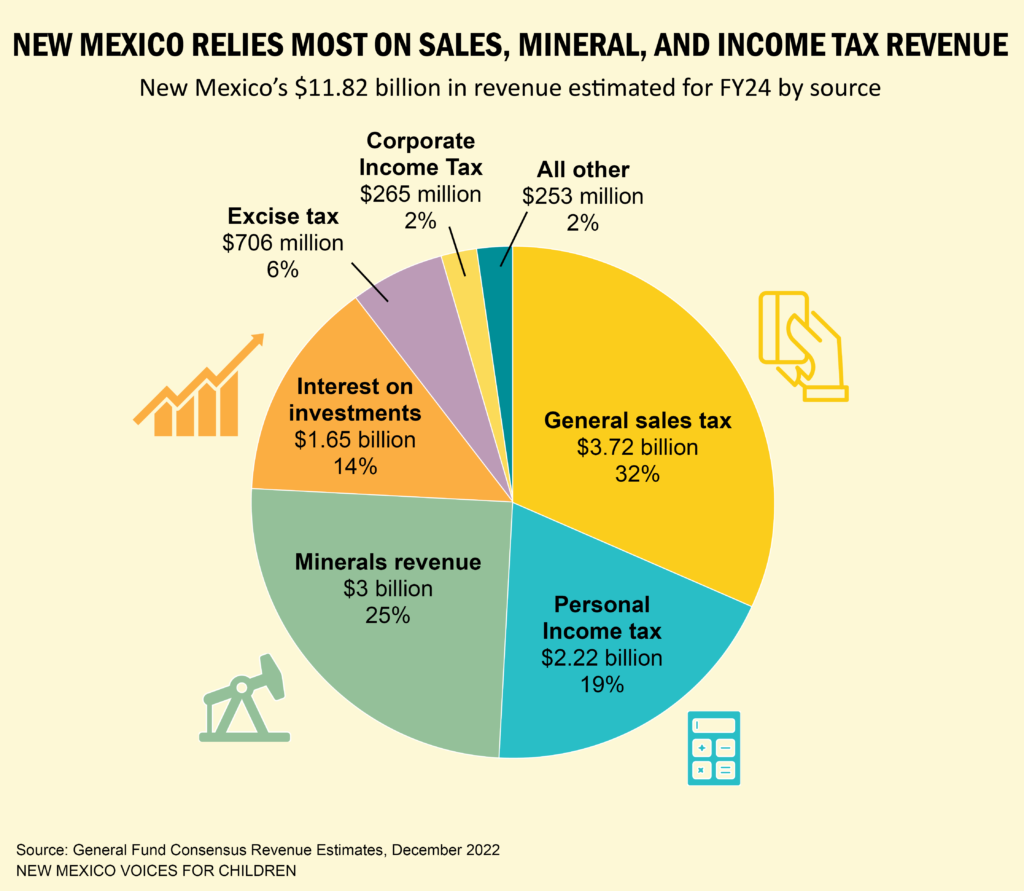
Ultimately, New Mexico offers a wealth of experiences, from the artistic allure of Santa Fe to the natural wonders of White Sands National Park. While understanding the GRT is part of being an informed visitor, it should not detract from the enjoyment of exploring this captivating state. By being aware of how taxes work, you can better plan your finances and fully immerse yourself in the unique culture and beauty of New Mexico.
LifeOutOfTheBox is a participant in the Amazon Services LLC Associates Program, an affiliate advertising program designed to provide a means for sites to earn advertising fees by advertising and linking to Amazon.com. Amazon, the Amazon logo, AmazonSupply, and the AmazonSupply logo are trademarks of Amazon.com, Inc. or its affiliates. As an Amazon Associate we earn affiliate commissions from qualifying purchases.