
Traveling to Hawaii in December is a dream for many, offering a tropical escape from the frigid temperatures that grip much of the United States and the northern hemisphere. While the calendar says winter, the reality in the islands is a “wet season” that remains remarkably warm, vibrant, and inviting. However, understanding the nuances of the weather during this transition month is essential for planning a successful itinerary. From the legendary swells of the North Shore to the snow-capped peaks of the Big Island, December presents a dynamic climate that varies significantly depending on which island you visit and which side of that island you choose as your base.

The General Climate Profile: What to Expect in the Aloha State
When people ask what the weather is like in Hawaii during December, the simplest answer is that it is pleasantly warm but occasionally unpredictable. The islands do not experience the four seasons in a traditional sense; instead, they transition between the dry season (summer) and the wet season (winter). December falls squarely into the latter, meaning you should prepare for a mix of brilliant sunshine and brief, refreshing tropical downpours.
Temperature and Humidity Levels
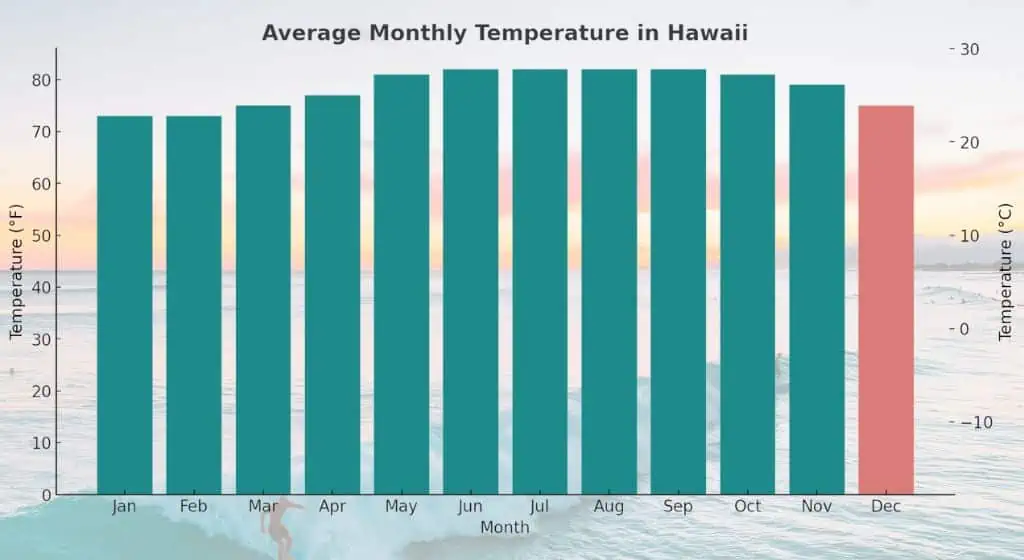
In December, daytime temperatures across the major islands generally hover between 78°F and 82°F (25°C to 28°C). These highs are perfect for outdoor exploration without the intense, sweltering heat found in July or August. Nighttime temperatures provide a comfortable cooling effect, typically dropping to between 67°F and 71°F (19°C to 22°C). This range makes it possible to enjoy evening strolls along Waikiki Beach or outdoor dining in Lahaina with just a light sweater or shawl.
Humidity in December is generally manageable, though it can spike during periods of heavy rain. However, because of the consistent airflow across the Pacific Ocean, the air rarely feels as heavy or stifling as it does in more continental tropical environments. The balance of warmth and moisture contributes to the lush, verdant landscapes that are at their most vibrant during this final month of the year.
The Role of Trade Winds and Rainfall
The weather in Hawaii is largely dictated by the “trade winds,” which blow from the northeast. These winds act as the islands’ natural air conditioning, keeping the air fresh and circulating. In December, these winds can occasionally strengthen, leading to “breezy” conditions that are particularly noticeable on the windward (eastern) shores.
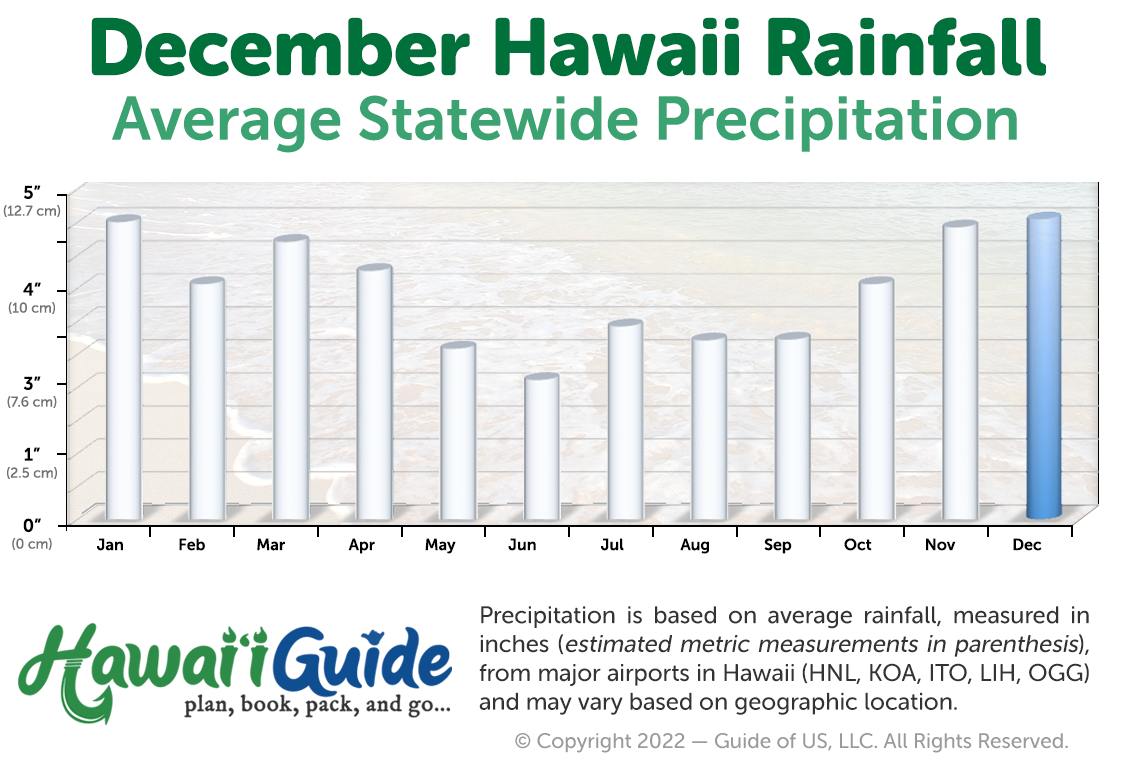
December is statistically one of the wettest months in the archipelago. However, it is important to note that rain in Hawaii is rarely a day-long event. Most precipitation occurs in short, intense bursts, often overnight or in the early morning. These “blessings” from the sky frequently result in spectacular rainbows, a hallmark of the Hawaiian travel experience. If it is raining where you are, a ten-minute drive around the coast often leads you back into bright sunshine.
Regional Weather Patterns Across the Islands
One of the most fascinating aspects of Hawaii is its diversity of microclimates. Each island has a “windward” side (wet and lush) and a “leeward” side (dry and sunny). In December, choosing the right side of the island can make a significant difference in your daily weather experience.
Oahu: The Gathering Place in Winter
On Oahu, the weather in December is ideal for those who want a mix of city life and nature. Honolulu and the surrounding southern areas stay relatively dry, making it a great time to visit landmarks like Pearl Harbor or hike the trail at Diamond Head.
The weather on the North Shore of Oahu is a different story. While the temperatures remain warm, this region experiences more wind and rain in December. This is also the peak of the winter swell season, where the ocean transforms from a calm swimming pool into a venue for world-class surfing competitions. Travelers should be aware that swimming on the North Shore in December is often restricted due to dangerous wave heights.
Maui: The Valley Isle’s Microclimates
Maui offers some of the most dramatic weather contrasts in December. If you stay in the resort areas of Wailea or Kaanapali on the leeward side, you will likely enjoy sunshine for the vast majority of your trip. These areas are shielded by the mountains, keeping the rain at bay.
However, if your travels take you toward the Hana Highway, expect plenty of rain. This moisture is what feeds the famous waterfalls and rainforests of the region. Additionally, a trip to the summit of Haleakala National Park requires cold-weather gear. In December, temperatures at the 10,000-foot summit can drop below freezing, and it is not uncommon for frost or even a light dusting of snow to appear at the top while people are sunbathing on the beaches below.
Kauai: The Garden Isle’s Lush Landscape
Kauai is known for being the wettest of the Hawaiian Islands, and December leans into this reputation. The Napali Coast and Hanalei Bay in the north are breathtakingly green during this time, but they also receive frequent rainfall. For travelers who prefer a drier experience, the southern coast near Poipu Beach and the town of Lihue are much more reliable for sun-soaked beach days.
Even with the rain, December is a magnificent time to see the Waimea Canyon. The increased rainfall ensures the “Grand Canyon of the Pacific” is vibrant and that its hidden waterfalls are flowing at full capacity. Just be sure to check trail conditions, as the red clay can become slippery after a downpour.
The Big Island: From Tropical Heat to Snow-Capped Peaks
The Big Island (the island of Hawaii) contains 4 out of the 5 major climate zones found on Earth. In December, you can literally experience every type of weather imaginable. The Kona coast remains sunny and dry, perfect for snorkeling and coffee plantation tours. Conversely, Hilo on the windward side is one of the wettest cities in the United States.
The most striking weather phenomenon on the Big Island in December occurs at the peaks of Mauna Kea and Mauna Loa. These massive volcanoes often receive significant snowfall during the winter months. Seeing snow in the tropics is a surreal experience for many travelers. Meanwhile, at Volcanoes National Park, the air is crisp and cool, requiring long pants and a jacket as you explore the volcanic craters and steam vents.
Ocean Conditions and Water Activities
The weather in Hawaii is intimately tied to the behavior of the Pacific Ocean. In December, the ocean becomes a central character in the travel experience, dictating which activities are safe and which are best left to the professionals.
The Thrill of Big Wave Surfing
December is the heart of the winter swell season. Massive storm systems in the North Pacific send powerful energy toward the islands, resulting in waves that can reach 30 to 50 feet on northern-facing shores. For travel enthusiasts, this provides a unique opportunity to witness the awe-inspiring power of nature. Watching professional surfers at Banzai Pipeline or Waimea Bay is a quintessential December experience on Oahu.
However, casual swimmers should exercise extreme caution. The “winter swell” means that many beaches that are calm in the summer become dangerous in December. Always “if in doubt, don’t go out,” and pay close attention to lifeguard warnings and beach flags. For calm waters suitable for families and swimming, the southern shores of the islands remain the best choice.
Whale Watching Season
While the rain increases in December, so does the presence of one of Hawaii’s most beloved visitors: the Humpback Whale. These majestic creatures migrate from Alaska to the warm Hawaiian waters to mate and give birth.
By mid-December, whale sightings become frequent, particularly in the shallow channels between Maui, Molokai, and Lanai. The weather is generally clear enough for boat tours, though the occasional “Kona storm” can result in choppy seas. Many travelers find that the sight of a breaching whale against the backdrop of a tropical sunset more than compensates for a few minutes of rain.
Strategic Planning for a December Visit
Navigating the weather in Hawaii during December requires a bit of flexibility and strategic packing. Because you can go from a sunny beach to a misty rainforest or a chilly mountain peak in a single day, being prepared is the key to comfort.
Navigating the Wet Season
To make the most of your December trip, plan your outdoor activities for the morning. Statistical data shows that rain is more likely to occur in the late afternoon and evening as the land warms up and clouds gather over the mountain peaks. If you have a helicopter tour or a boat excursion planned, booking an early morning slot gives you the best chance of clear skies and calm conditions.
It is also wise to have a “rainy day” backup plan. Hawaii offers excellent indoor attractions, such as the Bishop Museum in Honolulu or the various art galleries in town centers. However, don’t let a light drizzle stop you from your plans; most Hawaiian rain is “warm rain,” and many travelers find it refreshing to continue their hikes or beach walks through a light mist.
Packing for Every Scenario
Packing for Hawaii in December is slightly more complex than packing for a summer trip. While swimwear, shorts, and flip-flops (known locally as “slippers”) are the staples, you must include a few “winter” essentials.
- Lightweight Rain Jacket: A breathable, waterproof shell is indispensable for exploring the windward sides of the islands or hiking through rainforests.
- Warm Layers: If you plan to visit the summits of Haleakala National Park or Mauna Kea, you will need a fleece or a light down jacket, long pants, and closed-toe shoes.
- Sturdy Footwear: Trails can be muddy in December. If you plan to hike, bring shoes with good traction that you don’t mind getting dirty.
- Sun Protection: Do not let the overcast skies fool you. The Hawaiian sun is powerful year-round, and the UV index remains high even in December. Reef-safe sunscreen, a wide-brimmed hat, and polarized sunglasses are essential.
Despite being the “wet season,” December remains one of the most popular times to visit the islands, and for good reason. The air is sweet with the scent of tropical flowers, the landscapes are at their lushest, and the ocean is alive with activity. By understanding the regional variations and preparing for the occasional rain, travelers can experience the true magic of Hawaii during the holidays—a place where the “winter” weather is warmer and more beautiful than a summer day in many other parts of the world.
LifeOutOfTheBox is a participant in the Amazon Services LLC Associates Program, an affiliate advertising program designed to provide a means for sites to earn advertising fees by advertising and linking to Amazon.com. Amazon, the Amazon logo, AmazonSupply, and the AmazonSupply logo are trademarks of Amazon.com, Inc. or its affiliates. As an Amazon Associate we earn affiliate commissions from qualifying purchases.