
The question of whether California operates under an “open primary” system is a common point of confusion for new residents, long-term visitors, and anyone interested in the unique civic landscape of the Golden State. While the term “open primary” might suggest unrestricted voter participation, California’s electoral framework is distinct, embracing a system that transcends traditional definitions. Understanding this unique approach is not merely a matter of political trivia; it’s a key insight into the state’s broader lifestyle, influencing everything from civic engagement and political culture to the economic environment and the very nature of policy-making that shapes daily life.
Unpacking California’s Unique Primary System
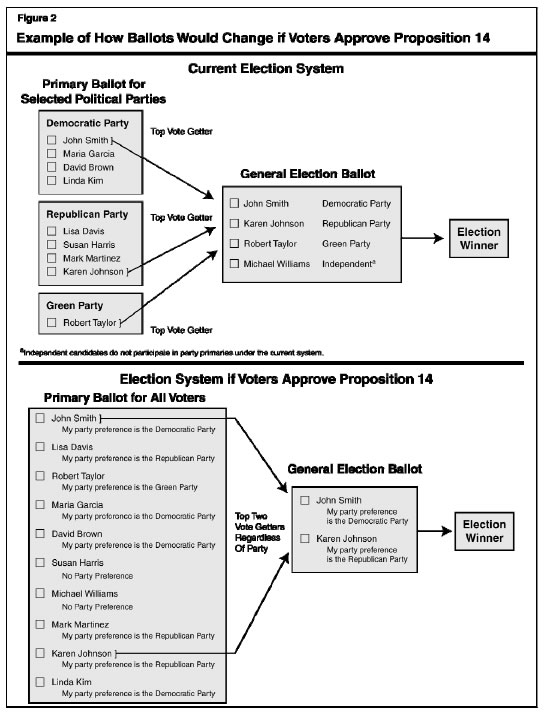
To directly address the question, California does not have what is conventionally known as an “open primary” or “closed primary” system. Instead, it employs a “top-two nonpartisan primary.” This system, established by Proposition 14 in 2010 and first implemented in 2012, fundamentally alters how candidates are selected for the general election, distinguishing California from many other states and significantly influencing its political lifestyle.
The “Top-Two” Nonpartisan Primary Explained
Under California’s top-two primary, all candidates for a given office (with the exception of U.S. President) appear on a single ballot, regardless of their declared party preference. Voters, irrespective of their own party registration, can vote for any candidate they choose. This means a registered Republican Party member could vote for a Democratic Party candidate, and vice versa, or for a candidate from a minor party or an independent. This universal ballot access is often what people associate with “openness.”
However, the defining characteristic of the top-two system comes after the primary votes are tallied. The two candidates who receive the most votes, regardless of their party affiliation, are the ones who advance to the general election. This means it is entirely possible, and indeed often happens, that two candidates from the same political party will face each other in the general election, effectively eliminating all other parties from the final contest for that particular office. For instance, voters in a district might find two Democratic Party candidates competing in November, or two Republican Party candidates, or even two independent candidates. This aspect fundamentally differentiates it from a traditional open primary, where the primary’s purpose is to select a party’s nominee, who then faces nominees from other parties in the general election.
Moving Beyond Traditional Open and Closed Models
To truly appreciate California’s system, it’s helpful to briefly contrast it with the more common primary models. In a closed primary, only voters registered with a specific party can vote in that party’s primary. For example, only registered Democrats can vote in the Democratic Party primary. This emphasizes party purity and internal decision-making. In an open primary, voters do not have to publicly declare their party affiliation to vote in a party’s primary, but they must choose one party’s ballot to vote on primary election day. For instance, a voter might be unregistered or registered with a minor party, but on primary day, they decide to cast a ballot in the Republican Party primary. They cannot then vote in another party’s primary for the same election cycle.
California’s top-two system goes further than the open primary by entirely removing the concept of a “party primary” for most state and federal offices. It’s a nonpartisan elimination contest where the goal is to identify the two most preferred candidates overall, not just the most preferred candidate within each party. This distinct design has profound implications for the state’s political dynamics and, consequently, for the lifestyle of its residents and businesses.
Civic Engagement and the California Lifestyle
The top-two primary system profoundly shapes the landscape of civic engagement in California, influencing how residents participate in their democracy and how political leaders are held accountable. For those considering a long-term stay, relocation, or simply keen on understanding the local lifestyle, grasping this system is crucial for meaningful involvement and informed decision-making.
Empowering Voter Choice and Influence
One of the primary aims of the top-two system was to empower voters by allowing them to choose from a broader range of candidates regardless of their own party affiliation. This can be particularly appealing to the significant number of independent or “No Party Preference” voters in California. For these individuals, the system offers a more direct and less constrained path to influence the selection of candidates who will ultimately represent them. It means that the primary election becomes a more significant event, as all voters have a say in narrowing down the field to the two strongest contenders. This increased voter autonomy contributes to a more inclusive political lifestyle, where partisan labels ideally take a backseat to candidate qualifications and policy positions.
This broader choice can foster a sense of greater representation, as candidates are incentivized to appeal to a wider electorate beyond their party’s base from the outset. For a resident, this translates into potentially more responsive governance, where elected officials are attentive to the concerns of a diverse constituency, rather than just catering to a party’s core voters. Engaging with this system means actively evaluating candidates based on their individual merits and platforms, a more analytical and less tribal approach to civic participation that defines a certain aspect of the California lifestyle.
Engaging with Local and State Governance
Understanding the top-two primary also influences how residents engage with local and state governance. Since two candidates from the same party can advance to the general election, candidates are often forced to differentiate themselves on issues, rather than relying solely on party loyalty. This can lead to more nuanced policy debates and a focus on specific solutions relevant to communities across California. For someone living in Los Angeles, San Francisco, or a more rural area, this means a greater likelihood of candidates addressing their specific local concerns, rather than toeing a national party line.

Moreover, the system can encourage more moderate candidates and policies, as appealing to a broad electorate from the primary stage onwards requires building wider coalitions. This pragmatism is often seen as a characteristic of the California lifestyle – a focus on practical solutions to complex problems, whether it’s housing, environmental policy, or economic development. For the civically-minded resident, this presents an opportunity to engage with a political process that, by design, strives for broader consensus and less partisan gridlock. It means that becoming an informed voter and participant in California requires looking beyond simple party labels and delving deeper into the specifics of governance, which enriches one’s overall engagement with the state.
Economic and Business Implications for a Dynamic State
For business owners, entrepreneurs, and those on extended business stays, the understanding of California’s primary system extends beyond civic curiosity; it touches upon the economic lifestyle of the state. The political mechanisms in place can influence policy stability, regulatory environments, and ultimately, the overall investment climate.
Policy Stability and Investment Climate
The top-two primary system, by encouraging candidates to appeal to a wider base and potentially promoting moderation, can contribute to a more stable policy environment. When elected officials emerge from a process that rewards broader appeal rather than strict partisan adherence, there’s a greater chance for cross-party cooperation or at least less extreme policy swings. For businesses operating in California or considering investment, this stability is invaluable. Predictable regulatory frameworks, consistent tax policies, and a steady approach to economic development foster confidence and reduce risk.
In a state as economically diverse and influential as California, from the tech hubs of Silicon Valley to the agricultural heartland, policy decisions have far-reaching effects. A political system that, by its nature, pushes for more centrist solutions can mean that major policy shifts are less likely to occur abruptly, providing businesses with the long-term clarity needed for strategic planning and growth. This fosters an economic lifestyle where innovation can thrive within a somewhat predictable political framework, allowing companies to focus on their core operations rather than constant adaptation to volatile political changes.
Navigating the Political Landscape for Business Stays
For individuals on business stays or those looking to establish a long-term presence, understanding the nuanced political landscape is part of effectively navigating the California lifestyle. When engaging with local governments in cities like Sacramento (the state capital) or Los Angeles, or state agencies, recognizing that political leaders often emerge from a broad, nonpartisan primary can inform engagement strategies. Lobbying efforts, community outreach, and partnership building might require a more inclusive approach, targeting a wider array of political actors who may not adhere strictly to traditional party lines.
The top-two system can lead to less entrenched partisan rivalries, which, in turn, can facilitate smoother negotiations and collaborations on initiatives that benefit the broader community and economy. For a business seeking to influence local zoning laws, environmental regulations, or state incentives, understanding the drivers behind candidate selection and their resulting mandate helps in building effective relationships and advocating for their interests. This political agility becomes a critical component of a successful business lifestyle in the state, allowing for more effective integration into the California market and its unique governing ethos.
Understanding California’s Political Culture: A Lifestyle Perspective
The question of primaries ultimately leads to a deeper understanding of California’s overall political culture, an integral part of its unique lifestyle. The top-two nonpartisan primary system isn’t just a procedural detail; it reflects and reinforces certain values and approaches to governance that are deeply embedded in the state’s identity.
Pragmatism Over Partisanship
One of the most significant aspects of California’s political lifestyle, shaped in part by its primary system, is a prevailing emphasis on pragmatism over strict partisanship. By encouraging candidates to appeal to a broad base of voters from the outset, the system inherently favors individuals who can articulate solutions that transcend narrow ideological divides. This means that voters, irrespective of their party registration, are often looking for practical problem-solvers who can effectively address the state’s myriad challenges, from housing affordability and homelessness to climate change and economic growth.
This focus on practical outcomes translates into a political culture where compromise and consensus-building, while still challenging, are often more actively sought. For residents and those experiencing California’s lifestyle, this can manifest as a greater sense of possibility for impactful change. It suggests that, despite the state’s vast size and diverse population, there’s a collective inclination towards finding common ground to move forward. This perspective encourages citizens to engage with issues based on their merits rather than pre-determined party platforms, fostering an informed and discerning civic lifestyle.
For New Residents and Long-Term Visitors
For individuals contemplating a move to California or planning an extended stay, understanding the state’s primary system offers valuable insight into the rhythm of its political life. It helps demystify how policies are formed, how leaders are chosen, and what drives public discourse. Integrating into the California lifestyle isn’t just about enjoying the beaches, the vibrant cities, or the natural beauty; it’s also about understanding the civic fabric that underpins its society.
Knowing that the state employs a top-two primary system provides a more nuanced lens through which to view news, election campaigns, and local governance. It underscores the importance of researching individual candidates and their specific proposals, rather than simply relying on party labels. This informed approach to civic engagement enriches the overall experience of living or spending significant time in California, allowing residents and long-term visitors to truly become part of the community and understand the forces that shape their surroundings. It transforms a seemingly technical political detail into a fundamental aspect of the dynamic and engaging California lifestyle.
LifeOutOfTheBox is a participant in the Amazon Services LLC Associates Program, an affiliate advertising program designed to provide a means for sites to earn advertising fees by advertising and linking to Amazon.com. Amazon, the Amazon logo, AmazonSupply, and the AmazonSupply logo are trademarks of Amazon.com, Inc. or its affiliates. As an Amazon Associate we earn affiliate commissions from qualifying purchases.