
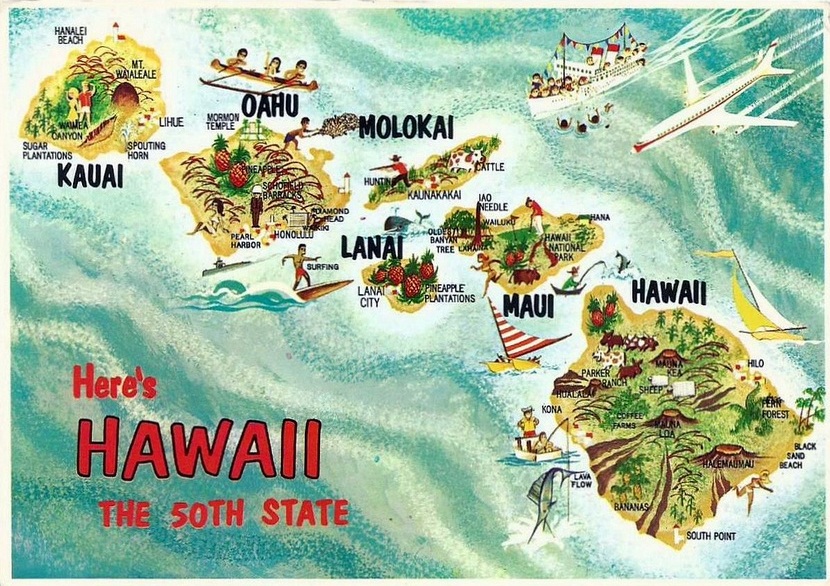
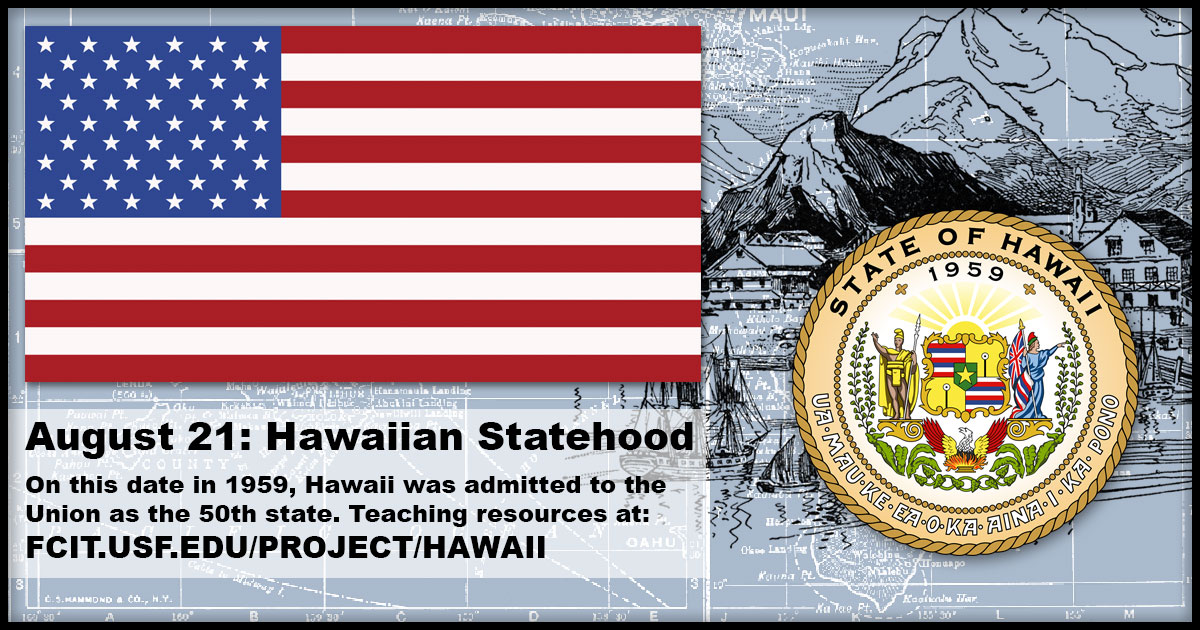
The history of Hawaii and its integration into the United States is a complex narrative of diplomacy, cultural shift, and geopolitical strategy. To answer the fundamental question: Hawaii officially joined the United States as the 50th state on August 21, 1959. However, this moment was the culmination of over a century of interaction, starting from the era of the Kingdom of Hawaii to its status as a United States territory. Understanding this transition requires a look at the landmarks and historical turning points that defined the islands’ path from a sovereign nation in the middle of the Pacific Ocean to an integral part of the American union.
The Historical Timeline: From Kingdom to Territory
The journey toward statehood began long before the mid-20th century. For centuries, the islands were governed by indigenous chiefdoms until King Kamehameha I unified the archipelago in 1810. The Kingdom of Hawaii was a recognized sovereign power with diplomatic ties to Great Britain, France, and the United States. However, the 19th century brought significant Western influence, primarily through missionaries and the booming sugar industry.
The Overthrow of the Monarchy
One of the most pivotal and controversial moments in the history of the islands occurred in 1893. A group of American businessmen and sugar planters, supported by United States Marines, orchestrated the overthrow of Queen Liliuokalani, the last reigning monarch of Hawaii. This led to the establishment of the Republic of Hawaii, a temporary government that sought immediate annexation by the United States.
The Queen Liliuokalani sought to preserve the rights of Native Hawaiians through a new constitution, but the provisional government, led by Sanford B Dole, successfully marginalized the monarchy. For several years, the islands remained in a political limbo as President Grover Cleveland opposed the annexation, calling the overthrow an act of war.
Annexation and the Territorial Era
The geopolitical landscape shifted during the Spanish-American War in 1898. The strategic importance of Pearl Harbor as a mid-Pacific coaling station became undeniable for the United States Navy. Consequently, President William McKinley signed the Newlands Resolution, officially annexing the islands.
In 1900, the Hawaiian Organic Act established the Territory of Hawaii. This status granted the islands a non-voting delegate in Washington DC and a governor appointed by the President of the United States. This territorial period lasted for nearly 60 years, during which Hawaii underwent massive economic growth, largely driven by the “Big Five” sugar corporations and the growing presence of the United States Armed Forces.
The Impact of Global Conflict and the 1959 Statehood Act
While the desire for statehood had been present among many residents for decades, it was the events of the 1940s and 1950s that finally pushed the movement to fruition. The strategic role of Oahu during World War II proved that Hawaii was vital to American security.
The Significance of Pearl Harbor
The attack on Pearl Harbor on December 7, 1941, fundamentally changed the relationship between the islands and the mainland. Following the attack, Hawaii was placed under martial law, which lasted until 1944. The bravery of local residents during the war, particularly the soldiers of the 442nd Regimental Combat Team, demonstrated a deep loyalty to the United States. This service became a major talking point for statehood advocates who argued that those who shed blood for the country deserved the right to vote for its leaders.
The Final Road to Statehood
After the war, the Hawaii Statehood Commission intensified its lobbying efforts in Washington DC. Challenges remained, including opposition from some Southern members of Congress who were wary of Hawaii’s racially diverse population. However, the admission of Alaska as the 49th state in early 1959 cleared the political path.
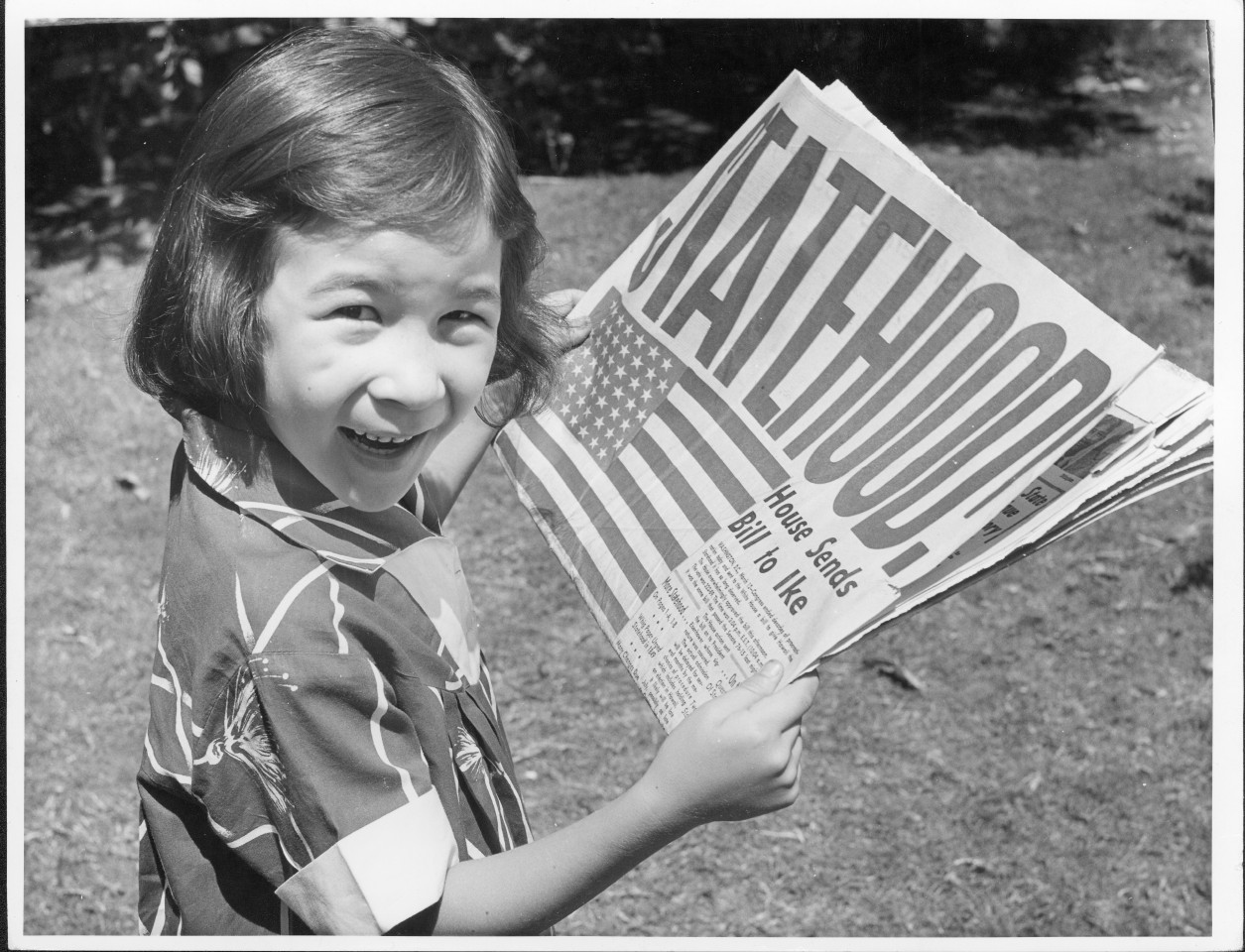
In June 1959, a referendum was held in Hawaii, where over 90% of the voters approved the proposal to join the union. Following this overwhelming local mandate, President Dwight D Eisenhower signed the proclamation that officially admitted Hawaii as the 50th state. The transition was marked by celebrations across Honolulu and the neighboring islands of Maui, Kauai, and Molokai.
Essential Landmarks Marking Hawaii’s Political Evolution
To truly grasp the history of how Hawaii joined the United States, one must look at the physical landmarks that served as the stage for these events. These sites in Honolulu offer a tangible connection to the past.
Iolani Palace: A Symbol of Sovereignty
Iolani Palace stands as one of the most significant historical landmarks in the United States. Completed in 1882 by King Kalakaua, it is the only royal palace on American soil. It was here that Queen Liliuokalani was overthrown and later held under house arrest. The palace served as the capitol for the provisional government, the Republic of Hawaii, the Territory of Hawaii, and eventually the early state government. Today, it is a meticulously preserved museum that tells the story of the Hawaiian Monarchy.
Aliiolani Hale and the Judiciary
Located just across the street from the palace, Aliiolani Hale is the home of the Hawaii State Supreme Court. Its architecture reflects the Western-style governance that the monarchy adopted in the late 19th century. In front of the building stands the iconic gold-leaf statue of King Kamehameha I, which remains a focal point for cultural and political ceremonies. This building was the site where the proclamation of the provisional government was read in 1893, effectively ending the monarchy’s administrative control.
The Hawaii State Capitol
The Hawaii State Capitol building, commissioned after statehood, is a landmark of architectural symbolism. Unlike traditional domed capitols found in Europe or the mainland United States, this building was designed to represent the unique nature of the islands. Its open-air crown allows the sun and rain to enter, symbolizing the connection to nature, while the two legislative chambers are shaped like volcanoes. The surrounding reflecting pools represent the Pacific Ocean that isolates and protects the islands. This structure stands as a testament to the modern era of Hawaii as a full participant in American democracy.
Washington Place
Washington Place serves as another bridge between the royal and statehood eras. Originally built as a private home, it became the residence of Queen Liliuokalani after she left Iolani Palace. Later, it served as the official residence for the governors of Hawaii for decades. Its transition from a queen’s home to a governor’s mansion encapsulates the shift in power that occurred over the century.
The Enduring Legacy of the 50th State
The admission of Hawaii to the United States was not just a change in maps; it was a transformation of the cultural and economic identity of the central Pacific. While the state has become a world-renowned destination, its history remains a vital part of its identity.
Preserving Native Culture within the Union
Since joining the United States, there has been a significant movement to preserve and revitalize Native Hawaiian culture, language, and traditions. Landmarks like the Bishop Museum in Honolulu play a crucial role in this preservation, housing the world’s largest collection of Polynesian artifacts. The tension between the political reality of statehood and the historical memory of the Kingdom of Hawaii continues to influence local discourse, making Hawaii one of the most unique states in the nation.
The National Memorial Cemetery of the Pacific
Located in Punchbowl Crater, the National Memorial Cemetery of the Pacific serves as a solemn landmark honoring those who served in the United States Armed Forces. Many of those buried here were instrumental in the fight for statehood, proving through their service that Hawaii was truly part of the American fabric long before the official papers were signed.
Modern Hawaii and Global Connectivity
Today, the state of Hawaii acts as a bridge between North America and Asia. Its landmarks, from the historic sites of Downtown Honolulu to the volcanic wonders of Hawaii Volcanoes National Park on the Big Island, tell a story of resilience and evolution. The date of August 21, 1959, remains a milestone that redefined the geopolitical boundaries of the United States and solidified Hawaii’s place on the world stage as a unique fusion of indigenous heritage and American governance.
In conclusion, Hawaii joined the United States in 1959 after a long and often arduous journey. From the grandeur of Iolani Palace to the modern halls of the Hawaii State Capitol, the landmarks of the islands stand as silent witnesses to this transformation. They offer visitors and historians alike a deep look into the events that shaped the 50th state, ensuring that the legacy of the Kingdom of Hawaii and the spirit of “Aloha” remain central to its American identity.
LifeOutOfTheBox is a participant in the Amazon Services LLC Associates Program, an affiliate advertising program designed to provide a means for sites to earn advertising fees by advertising and linking to Amazon.com. Amazon, the Amazon logo, AmazonSupply, and the AmazonSupply logo are trademarks of Amazon.com, Inc. or its affiliates. As an Amazon Associate we earn affiliate commissions from qualifying purchases.