
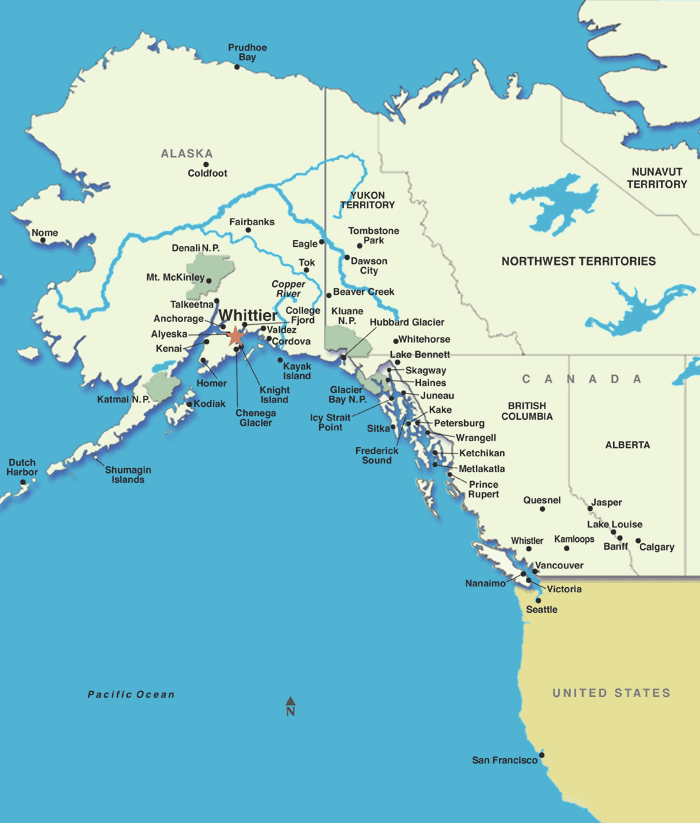
Whittier, Alaska, is a destination that often sparks curiosity due to its unique geography and the intriguing question of its precise location. Nestled on the western shore of Prince William Sound, Whittier is a town unlike any other in Alaska, and indeed, in much of the world. Its remoteness, accessible primarily by a single tunnel or by sea, contributes to its allure as a gateway to adventure and a place of distinct character. Understanding where Whittier lies is the first step in appreciating its remarkable setting and the experiences it offers to visitors.
Gateway to Prince William Sound
Whittier’s strategic position makes it a pivotal point for exploring the vast and breathtaking expanse of Prince William Sound. This ice-sculpted body of water is a jewel of Alaska, renowned for its dramatic glaciers, abundant wildlife, and rugged coastline. Whittier serves as a primary departure point for numerous boat tours, kayaking expeditions, and fishing charters that venture into the heart of this magnificent natural arena.

Navigating the Waters
The waters of Prince William Sound are characterized by their pristine beauty and the constant, dynamic presence of glaciers. Visitors can witness calving glaciers, where immense blocks of ice break off and crash into the sea, creating a spectacle of sound and sight. The marine life here is exceptionally diverse, offering opportunities to spot humpback whales, orcas, sea otters, harbor seals, and a myriad of seabirds. The ecological richness of the sound is a testament to its protected status and the efforts to preserve its natural integrity.
Glacial Wonders
The most iconic feature of Prince William Sound accessible from Whittier are its tidewater glaciers. Port Wells, for instance, is home to glaciers like Blackstone Glacier, which can be explored via boat tours. These tours often allow for close-up views of the glacier’s magnificent blue ice and the opportunity to hear the thunderous sounds of ice breaking. For the more adventurous, guided kayaking trips offer an intimate experience with the glacial landscape, paddling through icy waters and exploring hidden coves. The sheer scale and raw power of these glacial formations are awe-inspiring and provide a profound connection to the geological forces that shaped Alaska.
The Unique Access of Whittier
The question “Where is Whittier Alaska?” is often followed by, “How do you get there?” This is because Whittier’s access is decidedly unique, setting it apart from most other towns. Its location, surrounded by mountains and water, necessitates a singular approach to transportation.
The Whittier Tunnel: A Singular Passage
The primary land access to Whittier is through the Anton Anderson Memorial Tunnel. This historic tunnel, originally built for military purposes, is the longest highway tunnel in North America. It is a single-lane tunnel, and traffic operates on a strict schedule, alternating directions. Vehicles must wait for their designated time slot to enter, adding a distinctive element to the journey. The experience of driving through this dark, cavernous passage, carved through solid rock, is an adventure in itself. It connects Whittier to Anchorage, Alaska’s largest city, a drive of approximately 1.5 hours.
Accessible by Sea
For those arriving by sea, Whittier is a welcoming port. Cruise ships often make Whittier a destination or departure point, allowing passengers to experience Prince William Sound without the need for overland travel. Ferries operated by the Alaska Marine Highway System also connect Whittier to other coastal communities in Alaska, offering a scenic and unique way to travel and explore the rugged coastline. This maritime access underscores Whittier’s identity as a town intimately connected to the sea.
A Town Built on History and Resilience
Whittier’s origins are deeply rooted in military history, and its current form is a testament to its evolution and the spirit of its residents. Understanding this background adds depth to its unique character.
Military Origins
Originally established as a U.S. Army port during World War II, Whittier was strategically chosen for its deep-water harbor and its proximity to Anchorage. The town grew around the military base, with much of its infrastructure, including the now-famous tunnel, built to support military operations. The most striking architectural feature of Whittier is Begich Towers, a large, utilitarian building that once housed military personnel and now serves as home to a significant portion of the town’s residents, along with businesses and administrative offices. This single-building living arrangement is a direct legacy of its military past.
Post-Military Transformation
After the military de-commissioned the base, Whittier faced an uncertain future. However, the resilience of its inhabitants and the growing appeal of its natural surroundings transformed the town into a vibrant community and a popular tourist destination. The focus shifted from military logistics to leveraging its prime location for tourism and recreation. The development of tour operations, fishing charters, and recreational facilities has revitalized Whittier, allowing it to thrive as a unique Alaskan town. The story of Whittier is one of adaptation and reinvention, transforming a functional military outpost into a destination celebrated for its access to wilderness and its distinctive way of life.
Experiencing Whittier: Beyond the Location
While the question of “Where is Whittier Alaska?” is fundamental, it merely scratches the surface of what this remarkable town offers. Whittier is more than just a point on a map; it’s an experience, a gateway to adventure, and a place that captures the imagination.
Unparalleled Wildlife Viewing
The primary draw for many visitors is the exceptional wildlife viewing opportunities. From the decks of a glacier cruise, passengers are often treated to close encounters with marine mammals. The organized tours are expertly guided, providing insights into the behavior and habitat of the animals. Beyond the boat tours, opportunities for independent wildlife spotting exist along the coastline and even within the town itself, where seals can sometimes be seen basking on the docks. The raw, untamed nature of Prince William Sound ensures that every excursion holds the promise of unforgettable wildlife encounters.
Adventure Activities
For those seeking active pursuits, Whittier offers a range of adventure activities. Kayaking in the calm waters of the sound provides an intimate perspective of the glaciers and fjords. Guided sea kayaking tours cater to all skill levels, offering a chance to paddle alongside icebergs and explore secluded beaches. Fishing enthusiasts will find Whittier to be a prime location for salmon and halibut fishing. The charter operations here are well-established, providing everything needed for a successful day on the water. For hikers, trails around Whittier offer stunning views of the surrounding mountains and glaciers, though it’s important to be prepared for Alaska’s rugged terrain and unpredictable weather.

A Unique Community Feel
Living in a town where almost everyone resides in a single building, as is largely the case in Whittier, fosters a unique sense of community. Visitors often remark on the friendly and welcoming nature of the residents. This distinct living arrangement, a direct result of its history, contributes to Whittier’s charm and its appeal as a place with a story to tell. While the question of its location is a practical one, the experience of being in Whittier reveals a town with a profound connection to its environment and a resilient, pioneering spirit. It is a place that, once discovered, leaves a lasting impression.
LifeOutOfTheBox is a participant in the Amazon Services LLC Associates Program, an affiliate advertising program designed to provide a means for sites to earn advertising fees by advertising and linking to Amazon.com. Amazon, the Amazon logo, AmazonSupply, and the AmazonSupply logo are trademarks of Amazon.com, Inc. or its affiliates. As an Amazon Associate we earn affiliate commissions from qualifying purchases.