
The sight of a flag at half staff is a solemn signal, often evoking a sense of collective mourning or remembrance. In the vast state of Texas, this somber display can occur for a variety of reasons, each tied to significant events or individuals. Understanding why the Texas flag is lowered is crucial for appreciating the state’s deep-rooted traditions and its capacity for collective grief and honor. This practice is not arbitrary; it follows established protocols and observances, reflecting a society that values remembrance and respects its fallen heroes and esteemed figures.

Official Decrees and Observances
The lowering of the Texas flag is typically initiated by an official directive, most commonly from the Governor’s office. These directives are rooted in state law and established customs, ensuring a consistent and respectful approach to displaying the flag at half staff. The reasons can range from honoring fallen service members and public officials to commemorating significant historical tragedies and national moments of mourning.
Honoring Fallen Service Members and Veterans
One of the most frequent reasons for the Texas flag to fly at half staff is in recognition of the death of a service member, whether active duty, retired, or a veteran. This act serves as a profound tribute to their sacrifice and dedication to the nation and the state. It’s a visible reminder of the debt owed to those who have served in the armed forces, from the Texas National Guard to the various branches of the U.S. military. The governor may order the flag to be flown at half staff statewide or in specific regions relevant to the fallen service member. This can include national observances like Memorial Day, when flags across the nation are lowered to honor those who died in military service.
Remembering Public Officials and Dignitaries
The passing of prominent public officials, both at the state and national level, often prompts the flag to be lowered. This can include former governors, state legislators, federal representatives from Texas, or even former presidents and vice presidents. The duration of the half-staff observance is often dictated by protocol, which might align with federal guidelines or specific state traditions. For example, the death of a sitting governor would almost certainly result in the flag being flown at half staff for a designated period, reflecting the gravity of their role and the impact of their leadership on the state.
Commemorating Significant Tragedies and Solemn Events
Beyond honoring individuals, the Texas flag may also be lowered to mark significant tragedies or solemn events. This can include commemorating historical events that have shaped the state and the nation, such as the anniversary of a major disaster or attack. It can also be in response to national or international tragedies, where the governor, in consultation with federal authorities, may order the flag lowered in a show of solidarity and shared mourning. Such actions underscore Texas’s connection to the broader national and global community and its willingness to observe moments of collective sorrow.
National and Federal Guidelines
Texas adheres to many of the same protocols regarding flag display as the rest of the United States. The U.S. Flag Code provides a framework for how the American flag should be displayed, including when it should be flown at half staff. State laws and executive orders from the Governor’s office often mirror or supplement these federal guidelines.
U.S. Flag Code Provisions
The U.S. Flag Code, while not legally binding in all respects, serves as a strong customary guide for flag etiquette. It specifies that the flag should be flown at half staff on certain days, such as Memorial Day until noon, and upon the death of certain federal officials, including the President, Vice President, Chief Justice, and Speaker of the House. Governors are empowered to order the U.S. flag and the state flag flown at half staff within their respective states for the death of state officials, or for any other occasion of tragedy or remembrance. This dual authority allows for both national and state-specific reasons for the flag to be lowered.
Governor’s Executive Orders
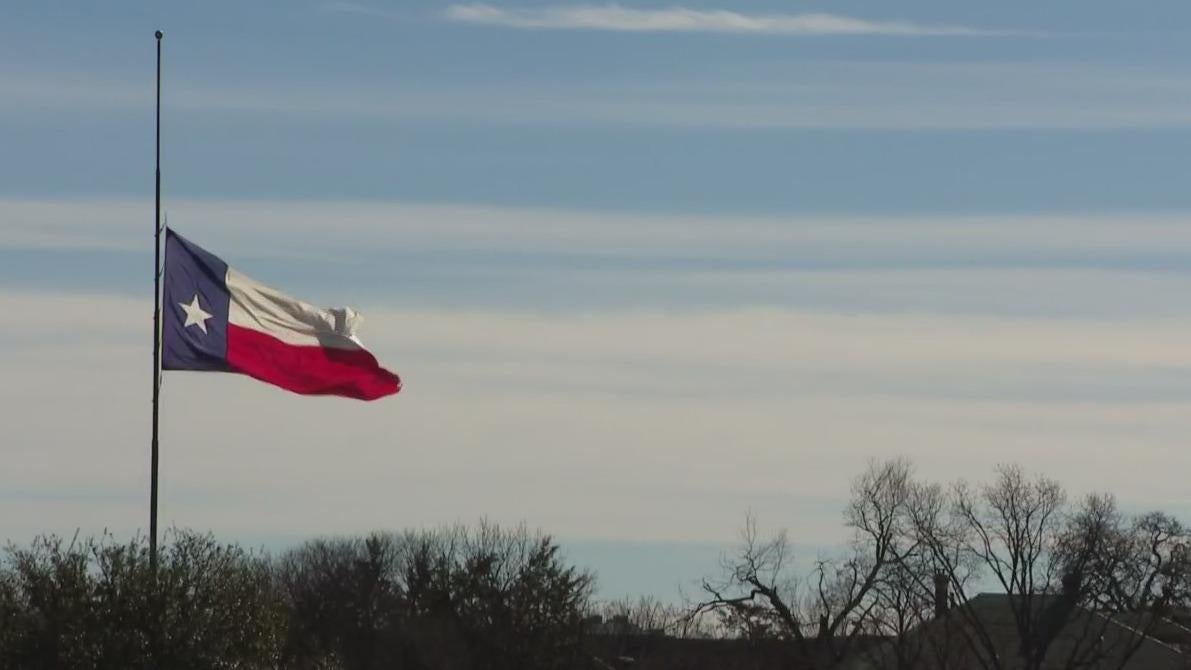
The Governor of Texas holds the authority to issue executive orders directing the lowering of the state and U.S. flags within the state. These orders are critical in dictating when and for how long flags should be flown at half staff for reasons not explicitly covered by federal law but deemed significant to the state. For instance, the passing of a beloved former Texas governor, a significant natural disaster affecting a large portion of the state, or a moment of collective grief following a tragic event within Texas would likely trigger such an order. These executive orders ensure that the state can respond appropriately and respectfully to events of profound importance.
Local and Unofficial Observances
While official decrees are the primary driver for flags being flown at half staff, there can be instances of local or unofficial observances. These might not always align with statewide directives but reflect community-level sentiments and traditions.
City and County Ordinances
Some cities or counties within Texas might have their own ordinances or resolutions that permit or direct the lowering of flags within their jurisdictions for specific local reasons. This could be in honor of a prominent local figure, a significant local event, or a community tragedy. While these might not impact state or federal flags, they demonstrate a localized commitment to remembrance and respect.
Community Initiatives and Memorials
In some cases, community groups or organizations might organize initiatives to fly flags at half staff as a form of tribute or protest, even without an official order. These actions, while not legally mandated, can serve as powerful grassroots expressions of sentiment. They might occur during anniversaries of local tragedies or to draw attention to a cause or a specific group of individuals deserving of remembrance. These unofficial acts, while not always formally recognized, highlight the diverse ways Texans engage with symbols of remembrance and collective identity.
Understanding the Symbolism
The act of flying a flag at half staff is rich with symbolism. It is more than just a lowered banner; it represents a nation, state, or community pausing to acknowledge loss, honor sacrifice, and remember those who have left an indelible mark.
The Act of Mourning and Respect
Lowering the flag is a universal symbol of mourning and respect. It signifies a solemn occasion, a moment of collective pause in the daily rhythm of life. For the individuals being honored, it is a final salute, a public acknowledgment of their significance and the void their absence creates. This ritualistic act connects the living to the memory of the departed, fostering a sense of shared experience and empathy.
Historical Context and Tradition
The tradition of flying flags at half staff has deep historical roots, often traced back to maritime customs where lowering a flag signaled distress or mourning. Over time, this practice has been formalized and integrated into national and state protocols as a dignified way to express sorrow and honor. In Texas, this tradition is intertwined with the state’s own proud history of military service and its strong sense of identity, making these observances particularly resonant.

Civic Duty and Citizenship
For citizens of Texas, observing the flag at half staff can be seen as an act of civic duty. It is a visual cue to reflect on the values and principles that the flag represents – liberty, justice, and the shared heritage of the state. Understanding the reasons behind these observances fosters a deeper appreciation for the sacrifices made by others and encourages active participation in the civic life of the community and the state. It reinforces the idea that citizenship involves not only rights but also responsibilities, including the responsibility to remember and honor.
The practice of flying the Texas flag at half staff is a poignant reminder of the state’s commitment to honoring its fallen heroes, remembering significant events, and acknowledging moments of collective sorrow. Whether dictated by federal mandate, state executive order, or local tradition, these observances play a vital role in shaping the collective memory and civic identity of Texas. They serve as enduring symbols of respect, sacrifice, and the enduring spirit of the Lone Star State.
LifeOutOfTheBox is a participant in the Amazon Services LLC Associates Program, an affiliate advertising program designed to provide a means for sites to earn advertising fees by advertising and linking to Amazon.com. Amazon, the Amazon logo, AmazonSupply, and the AmazonSupply logo are trademarks of Amazon.com, Inc. or its affiliates. As an Amazon Associate we earn affiliate commissions from qualifying purchases.