
Determining the ideal time to visit Hawaii depends heavily on what you hope to experience in this tropical paradise. Located in the heart of the Pacific Ocean, this archipelago of the United States offers a diverse range of microclimates, cultural events, and natural phenomena that shift with the calendar. While there is rarely a “bad” time to step onto the volcanic sands of the islands, understanding the nuances of the seasons—specifically the transition between the dry and wet periods—can significantly enhance your itinerary. Whether you are chasing the legendary swells of the North Shore or seeking the tranquil, sun-drenched waters of the summer months, timing is the key to a successful Hawaiian expedition.
Understanding Hawaii’s Seasonal Dynamics
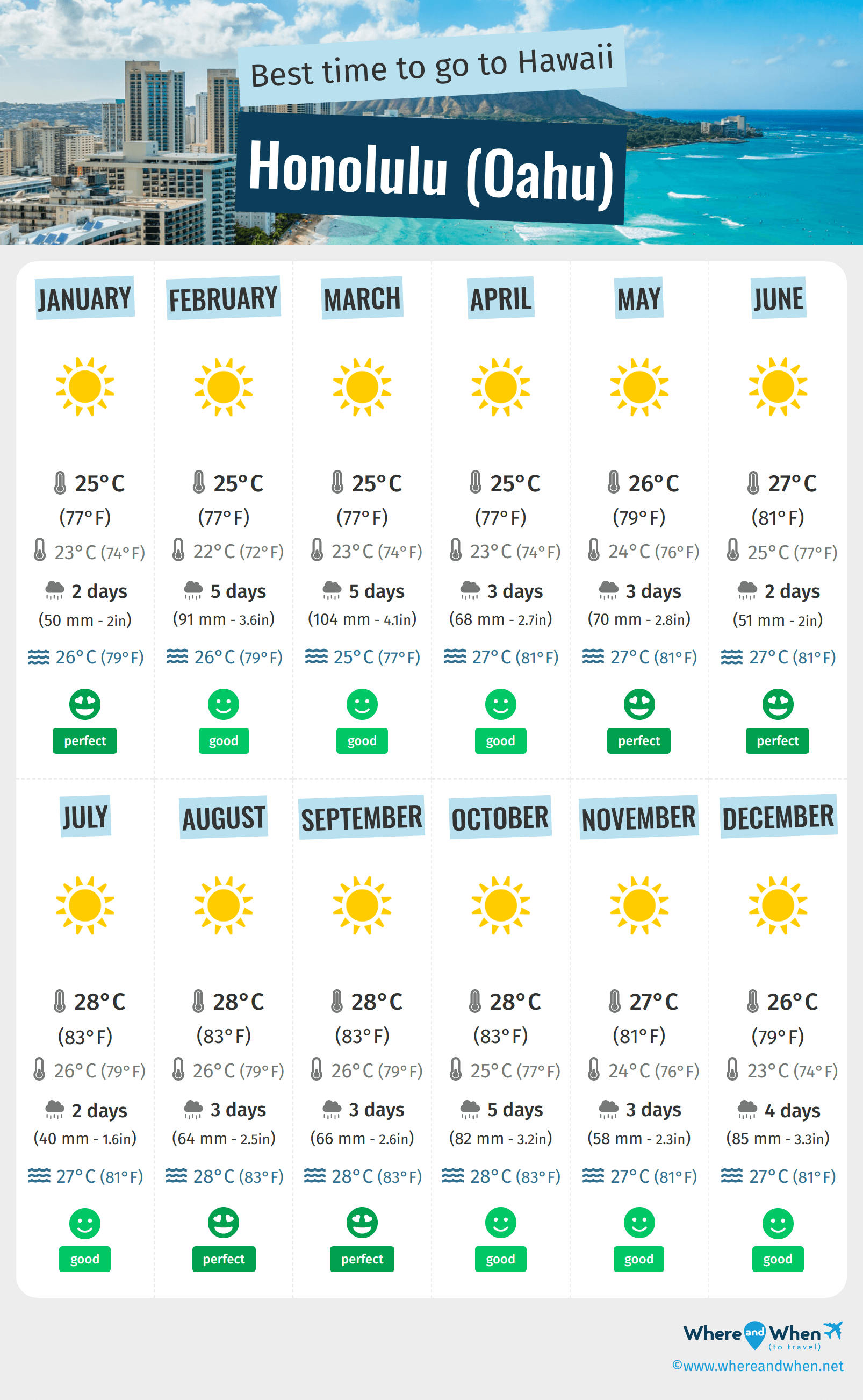
Unlike many continental destinations that experience four distinct seasons, Hawaii primarily operates on two: kau (the dry summer season) and hooilo (the wetter winter season). Despite these classifications, the temperature remains remarkably consistent throughout the year, usually hovering between 75°F and 85°F. However, the variation in rainfall, wind patterns, and ocean conditions can create vastly different travel experiences.
The Summer Season (April to October)
The dry season, or summer, is characterized by longer days, higher temperatures, and calmer seas. This is the peak time for traditional beach activities, snorkeling, and family vacations. During these months, the trade winds provide a consistent cooling breeze, making the heat manageable even in urban centers like Honolulu.
From June through August, the islands see an influx of travelers coinciding with school summer breaks. This is when the waters on the northern shores of islands like Oahu and Kauai are at their calmest, allowing for safe swimming and beginner-friendly snorkeling. If your goal is to explore the vibrant coral reefs or take a boat tour of the Napali Coast, the summer months offer the most stable conditions and the clearest water visibility.
The Winter Season (November to March)
The winter months bring a different kind of energy to the islands. This is the period of the “Big Wave” season. Massive swells generated by North Pacific storms roll toward the islands, creating world-class surfing conditions on the northern exposures. While the weather is slightly cooler and rain showers are more frequent, the “liquid sunshine” usually passes quickly, often leaving behind vivid rainbows that have become a symbol of the state.
Winter is also the prime season for whale watching. Every year, thousands of Humpback Whales migrate from the chilly waters of Alaska to the warm, shallow channels of Hawaii to mate and give birth. The peak of this activity occurs between January and March, with Maui being one of the best vantage points in the world for observing these majestic creatures.
Choosing Your Island Destination by the Calendar
Each island in the chain possesses its own personality and microclimate. When you choose to go should be influenced by which island you plan to explore, as the “best” time can vary from the lush cliffs of the north to the arid lava fields of the south.
Oahu: The Gathering Place
Oahu is a year-round destination, but its distinct regions react differently to the seasons. For those interested in history and culture, visiting Pearl Harbor or the Polynesian Cultural Center is feasible in any month. However, if you are drawn to the iconic Waikiki beach, you will find it most crowded during the summer and the Christmas holiday window.
In the winter, the North Shore becomes the epicenter of the surfing world. For travelers who want to witness the Triple Crown of Surfing, November and December are essential. Conversely, if you prefer a quieter hike up Diamond Head or a stroll through the artsy district of Kakaako, the shoulder months of May and September offer a perfect balance of pleasant weather and thinner crowds.
Maui: The Valley Isle

Maui is famously diverse. The Road to Hana is best experienced during the drier months to avoid the increased risk of landslides or muddy trails. Visiting the summit of Haleakala National Park for sunrise requires preparation year-round, as temperatures at 10,000 feet can drop below freezing, but the skies are generally clearer in the summer.
For those interested in the maritime history of Lahaina or the luxury of Wailea, the winter months offer the added bonus of seeing whales breaching right from the shoreline. The channel between Maui, Lanai, and Molokai serves as a protected sanctuary, making it the premier spot for marine life enthusiasts during the cooler months.
Kauai and the Big Island
Kauai, known as the Garden Isle, is the wettest of the islands. To truly appreciate the emerald heights of Waimea Canyon or the rugged beauty of Hanalei Bay, the late spring and summer are ideal. During the winter, the northern shore—including Poipu in the south to some extent—experiences heavier rain, which can sometimes limit access to hiking trails.
On the Big Island (officially known as the island of Hawaii), the weather varies significantly between the two sides. Kona on the west is almost always sunny and dry, while Hilo on the east is one of the rainiest cities in the United States. If you are heading to Hawaii Volcanoes National Park, prepare for variable weather at high altitudes regardless of the month. The stargazing opportunities at Mauna Kea are world-class throughout the year, though winter snow can occasionally close the access road to the summit.
Cultural Events and Festivals
Planning your trip around Hawaii’s rich cultural calendar can provide a deeper connection to the local community. The spirit of aloha is celebrated year-round, but several key festivals offer unique insights into the heritage of the islands.
One of the most prestigious events is the Merrie Monarch Festival, held annually in Hilo starting on Easter Sunday. This week-long festival is dedicated to King David Kalakaua and features the world’s most renowned hula competition. It is a time when the cultural heartbeat of the islands is at its strongest, though accommodation on the Big Island must be booked many months in advance for this period.
In September, the Aloha Festivals take place across the islands. This is the largest cultural celebration in Hawaii, featuring parades, street parties (ho’olaule’a), and royal court investitures. It is an excellent time for travelers to witness traditional music and crafts. Additionally, foodies might consider visiting in November for the Hawaii Food & Wine Festival, which showcases the incredible agricultural diversity of the islands and the talents of world-class chefs.
Strategic Timing for Value and Peace
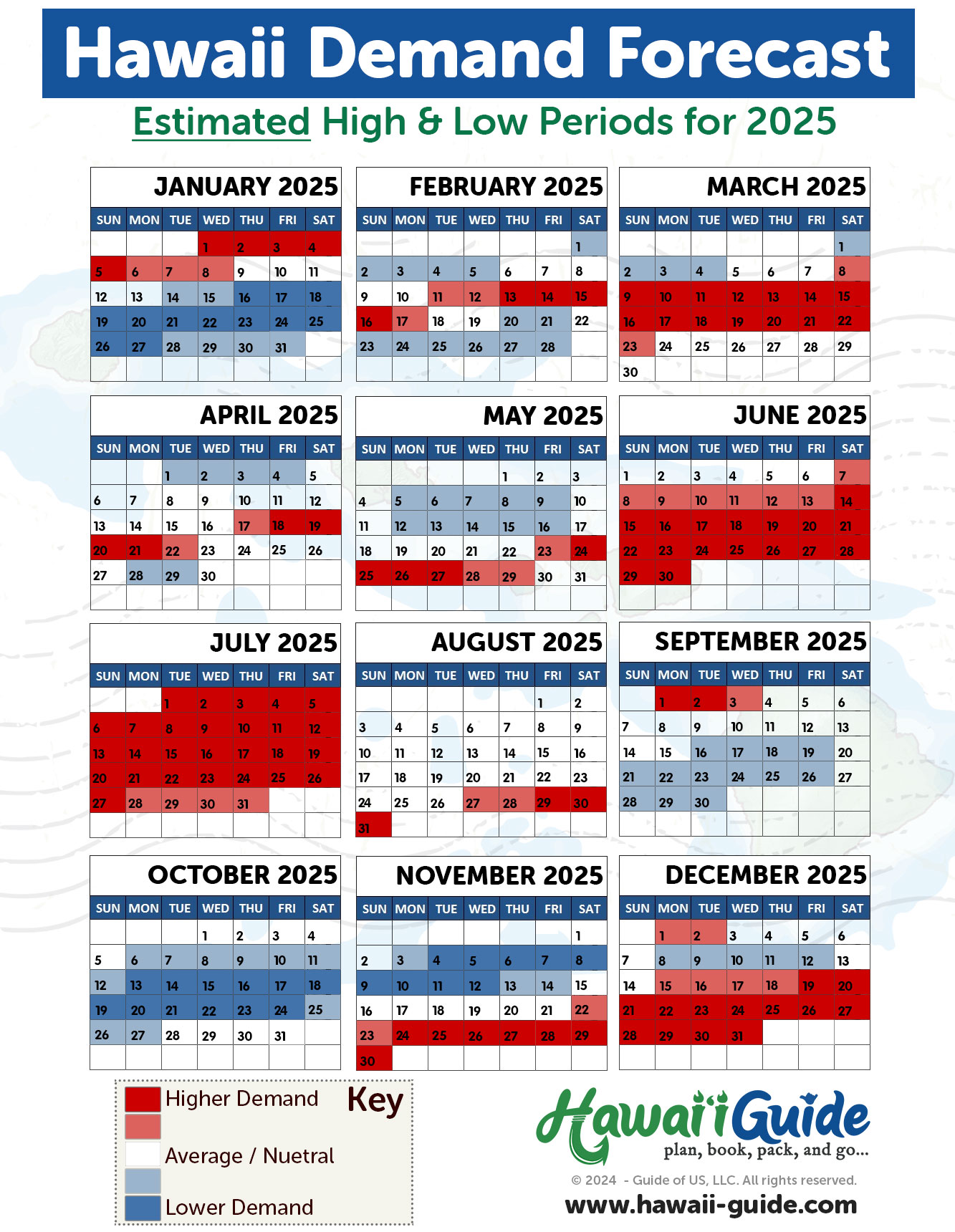
For the traveler looking to avoid the peaks of tourism, identifying the “shoulder seasons” is essential. Generally, the busiest times in Hawaii correlate with major holidays and school breaks. Late December through early January is the busiest and most expensive period, as travelers from the mainland United States, Canada, and Japan seek refuge from the winter cold.
The Spring and Fall Shoulders
The weeks following the Easter holiday through early June represent a fantastic “sweet spot” for travel. During this time, the weather is warming up, the winter rains have subsided, and the heavy summer crowds have yet to arrive. You will often find more availability for popular excursions and a more relaxed pace in resort areas.
Similarly, from September through mid-November, there is a noticeable lull in tourism. This “fall shoulder” is perhaps the best time for those seeking a tranquil experience. The ocean remains warm from the summer sun, and the landscape is lush from the intermittent rains. It is a prime time for exploring the more remote parts of Molokai or enjoying a quiet sunset in Kailua-Kona without the pressure of high-season crowds.
Navigating Holiday Peaks
It is important to be aware of “Golden Week,” a series of holidays in Japan that occurs in late April and early May. Because Hawaii is a premier destination for Japanese travelers, Honolulu and Waikiki can see a surge in visitors during this specific week. Likewise, the week of Thanksgiving and the period surrounding the Honolulu Marathon in December can cause localized spikes in activity.
Regardless of when you choose to go, Hawaii rewards the prepared traveler. While the climate is forgiving, the nuances of the seasons dictate the rhythm of life on the islands. By aligning your personal interests—be it the thrill of the waves, the song of the whales, or the quietude of a hidden beach—with the island’s natural cycles, you ensure an experience that transcends the typical vacation. The best time to travel to Hawaii is ultimately whenever you can slow down enough to appreciate the profound beauty and complex history of this unique volcanic landscape.
LifeOutOfTheBox is a participant in the Amazon Services LLC Associates Program, an affiliate advertising program designed to provide a means for sites to earn advertising fees by advertising and linking to Amazon.com. Amazon, the Amazon logo, AmazonSupply, and the AmazonSupply logo are trademarks of Amazon.com, Inc. or its affiliates. As an Amazon Associate we earn affiliate commissions from qualifying purchases.