
The journey between two of New Mexico’s most captivating destinations, Taos and Santa Fe, is more than just a matter of mileage; it’s a transition between distinct artistic spirits, historical narratives, and breathtaking landscapes. Understanding the distance and the myriad ways to traverse it is key to planning an enriching New Mexico travel experience. Whether you are seeking the spiritual heart of the desert Southwest or the vibrant pulse of an ancient artistic enclave, this route offers a seamless blend of scenic beauty and cultural immersion.
The Direct Distance and Driving Time
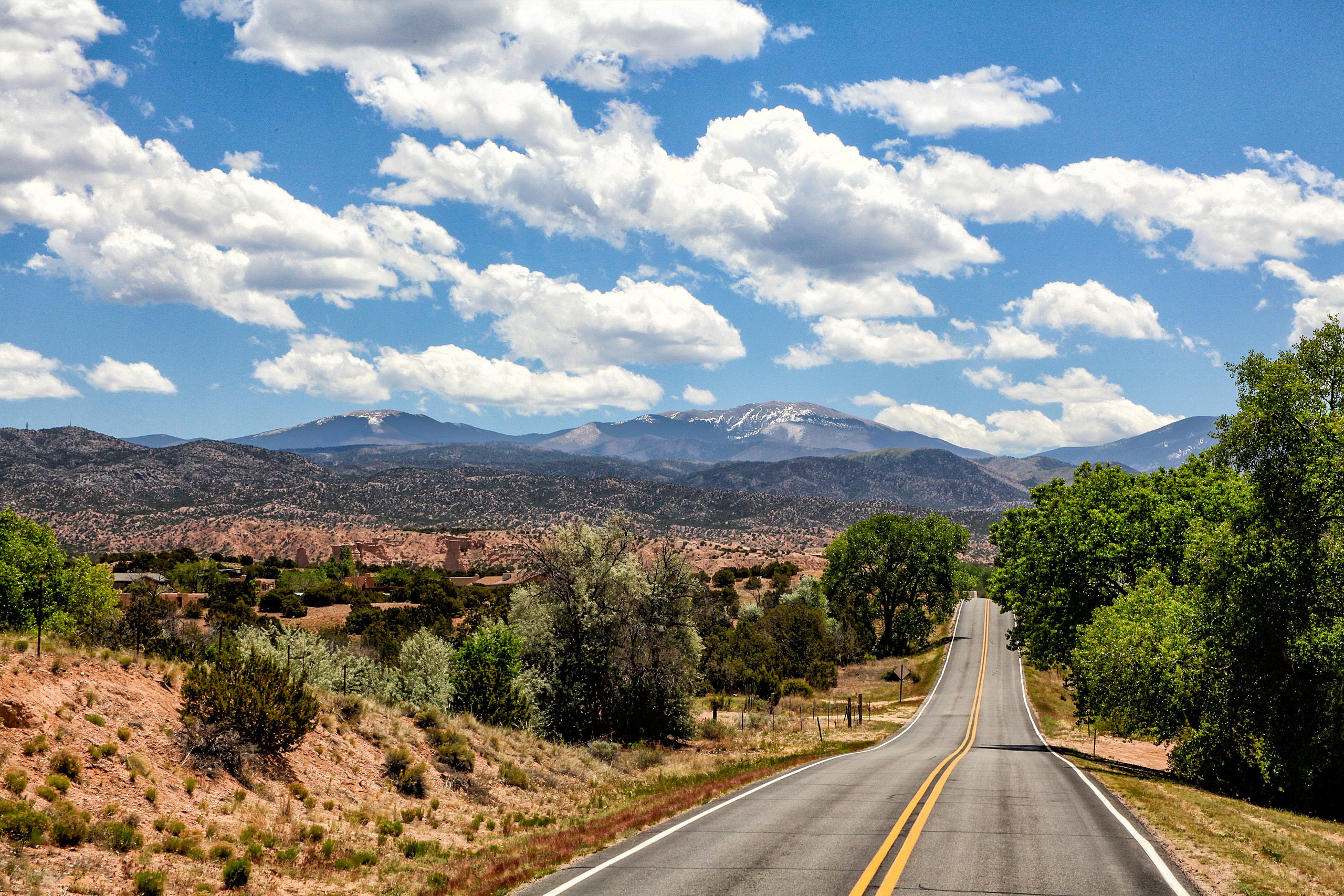
The most straightforward answer to “How far is Taos from Santa Fe?” is approximately 70 miles (about 113 kilometers) when traveling by car. This translates to an average driving time of roughly 1 hour and 30 minutes to 2 hours, depending on traffic conditions, the specific route taken, and how often you pause to absorb the scenery. The primary and most recommended route is via New Mexico State Road 68, often referred to as the “Low Road.” This highway follows the Rio Grande through picturesque valleys and charming small towns, offering glimpses of the dramatic New Mexico terrain.
The Low Road: Scenic Route 68
The Low Road (NM 68) is the favored path for many travelers due to its abundance of attractions and stunning vistas. As you depart Santa Fe, the landscape begins to unfold, revealing rolling hills and vast skies. The drive itself becomes an experience, with opportunities to stop and explore.
Key Stops Along NM 68:
- Española: This historic city, often called the “Lowrider Capital of the World,” is a significant cultural hub in Northern New Mexico. While it might not be a primary tourist destination for many, it serves as a gateway to the region and offers a glimpse into a unique facet of local car culture.
- Ohkay Owingeh Pueblo: The ancestral home of the Tewa people, this pueblo is one of the oldest continuously inhabited communities in North America. Visitors can learn about the rich history and living traditions of the Ohkay Owingeh people, though access and visitor etiquette should always be respected.
- Río Grande Gorge Bridge: This iconic bridge, soaring 565 feet above the Rio Grande, offers breathtaking panoramic views of the gorge. It’s a popular spot for photography and a testament to human engineering against the backdrop of immense natural power. There are designated viewpoints and visitor areas for safe enjoyment of the scenery.
- Villages and Vistas: The route winds through various small communities and offers expansive views of the surrounding mesas and mountains. Keep an eye out for roadside art, local eateries, and opportunities to pull over and simply appreciate the stark beauty of the high desert.
The High Road: An Alternative Scenic Journey
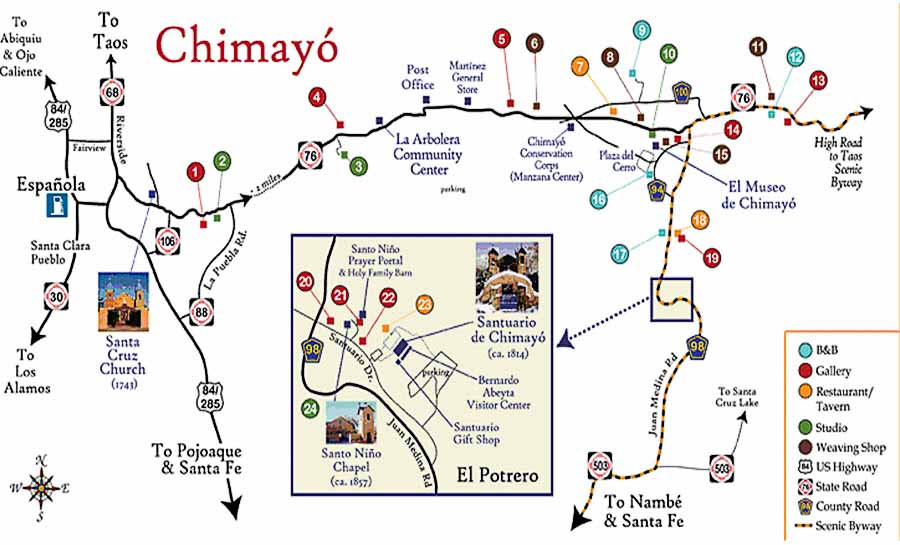
While the Low Road is the most direct, a more circuitous yet equally rewarding route is the High Road to Taos. This alternative path adds time and mileage, typically extending the journey to 2.5 to 3 hours of pure driving, covering approximately 85 miles. However, the added time is richly compensated by the opportunity to explore a string of historic villages, ancient Pueblos, and exceptionally preserved Spanish colonial architecture.
Highlights of the High Road:
- Chimayó: Famous for the El Santuario de Chimayó, a pilgrimage site renowned for its “healing dirt.” This sacred place draws visitors from around the globe seeking spiritual solace and wonder. The village itself is a hub of traditional weaving and pottery.
- Truchas: Perched high on a mesa, Truchas offers stunning views and a vibrant artistic community. It’s a perfect stop for browsing galleries and experiencing the quiet charm of mountain life.
- Las Trampas: Home to the historic San José de Gracia Church, a remarkably intact example of 18th-century Spanish colonial church architecture. The village provides a tangible link to the region’s colonial past.
- Peñasco: A more rural village that offers a taste of authentic Northern New Mexico life, with opportunities to engage with local artisans and experience a slower pace.
Choosing between the Low Road and the High Road depends entirely on your priorities. If efficiency and direct access to Taos are paramount, NM 68 is your best bet. If you have ample time and wish to delve deeper into the cultural and historical tapestry of the region, the High Road is an unforgettable expedition.
Transportation Options
Beyond personal vehicles, several transportation options exist for traveling between Santa Fe and Taos, catering to different preferences and budgets.
Rental Cars and Personal Vehicles
The most flexible way to make the journey is by renting a car in Santa Fe or driving your own vehicle. This grants you the freedom to depart on your schedule, make spontaneous stops, and explore the surrounding areas at your own pace. Major car rental agencies are available at Santa Fe Municipal Airport and in the city itself.
Ride-Sharing and Private Shuttles
For those who prefer not to drive, ride-sharing services can be an option, although availability might be limited, especially for direct routes to Taos. More reliable are private shuttle services or shared van tours that operate between the two cities. These services often cater specifically to tourists and can be booked in advance. Some companies even offer guided tours that incorporate the drive, providing insights into the local history and attractions along the way. Companies like Roadrunner Shuttle or similar services can be researched for availability and booking.
Public Transportation
Public transportation options between Santa Fe and Taos are limited. While there are bus services connecting various towns in New Mexico, a direct, convenient bus route that efficiently links the two cities for tourist purposes is not a primary offering. Travelers relying on public transport might need to consider multiple connections, which can significantly extend travel time and complexity. For the most practical travel, personal vehicles or pre-booked shuttles are generally recommended.
Preparing for Your Journey
Regardless of your chosen route or mode of transportation, a little preparation can significantly enhance your travel experience from Santa Fe to Taos.
Packing Essentials
The weather in Northern New Mexico can be unpredictable, even within the same day. Layers are essential. Pack comfortable walking shoes for exploring villages and attractions, a hat and sunglasses for sun protection, and sunscreen. A reusable water bottle is also a good idea, as staying hydrated is crucial in the high desert climate. If you plan on hiking or spending significant time outdoors, consider bringing appropriate gear.
Best Times to Travel
The spring (April-May) and fall (September-October) offer the most pleasant weather, with mild temperatures and beautiful scenery. Spring brings blooming wildflowers, while fall boasts spectacular autumn colors. Summer (June-August) can be quite warm, especially in the valleys, but also brings vibrant local festivals. Winter (November-March) can bring snow, making some roads, particularly the High Road, more challenging but also offering a serene, snow-dusted landscape. Check road conditions, especially if traveling during winter months.
Understanding Local Culture and Etiquette
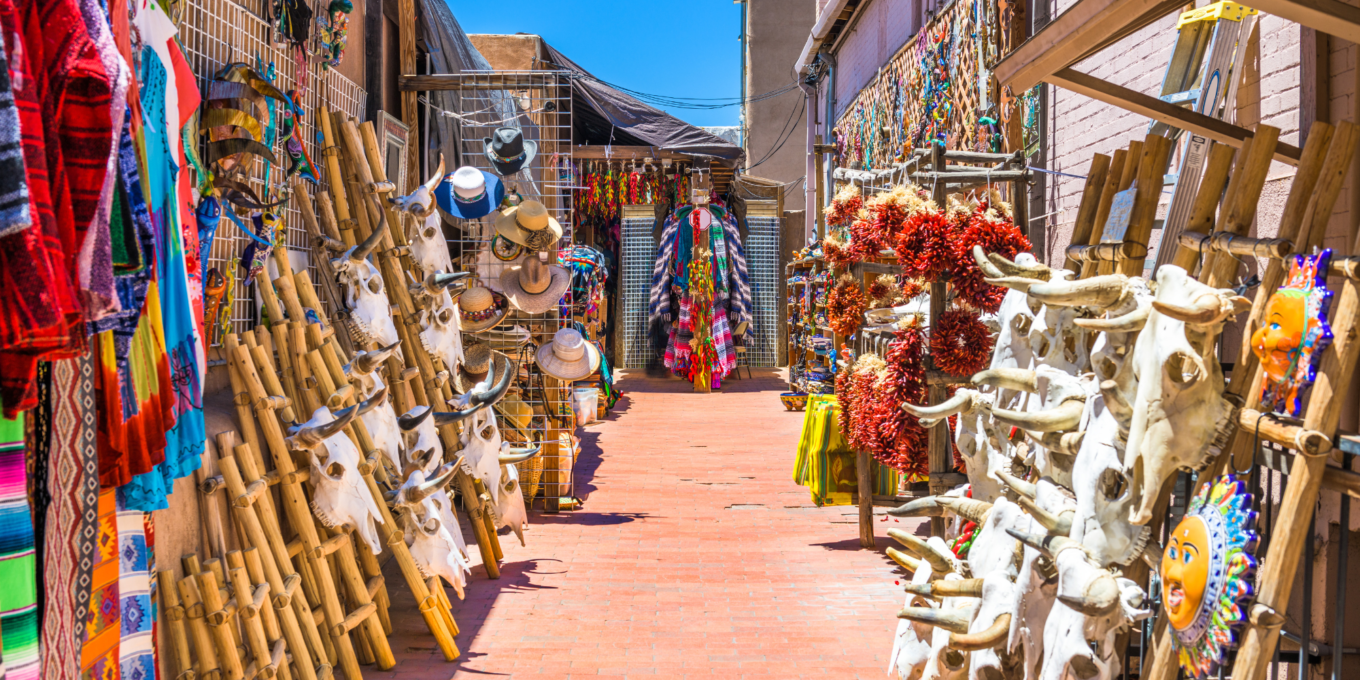
Both Santa Fe and Taos are rich in Native American and Hispanic culture. When visiting Pueblos or sacred sites, it is imperative to be respectful. Always ask permission before taking photographs of people or private property, and be mindful of any posted rules or restrictions. Learning a few basic Spanish phrases can also be appreciated by locals. Embracing the unique cultural heritage of New Mexico will undoubtedly enrich your journey.
The distance between Taos and Santa Fe is a starting point for an exploration that promises profound cultural encounters, breathtaking natural beauty, and a deep appreciation for the enduring spirit of the American Southwest. Whether you choose the swift passage of NM 68 or the meandering artistry of the High Road, the journey itself is an integral part of the New Mexico experience.
LifeOutOfTheBox is a participant in the Amazon Services LLC Associates Program, an affiliate advertising program designed to provide a means for sites to earn advertising fees by advertising and linking to Amazon.com. Amazon, the Amazon logo, AmazonSupply, and the AmazonSupply logo are trademarks of Amazon.com, Inc. or its affiliates. As an Amazon Associate we earn affiliate commissions from qualifying purchases.