
Deciding when to embark on a journey to Hawaii is a delightful dilemma. This volcanic archipelago, isolated in the vast Pacific Ocean, is a year-round destination that offers a tropical escape regardless of the calendar month. However, the definition of the “perfect time” depends heavily on what a traveler hopes to experience. Whether you are chasing the massive winter swells of the North Shore, seeking the tranquil, crystal-clear waters of summer for snorkeling, or trying to find the most budget-friendly window to explore the United States 50th state, timing is everything. Understanding the nuances of the seasons, the microclimates of the different islands, and the local event calendar is essential for any well-planned itinerary.
Navigating Hawaii’s Two Primary Seasons
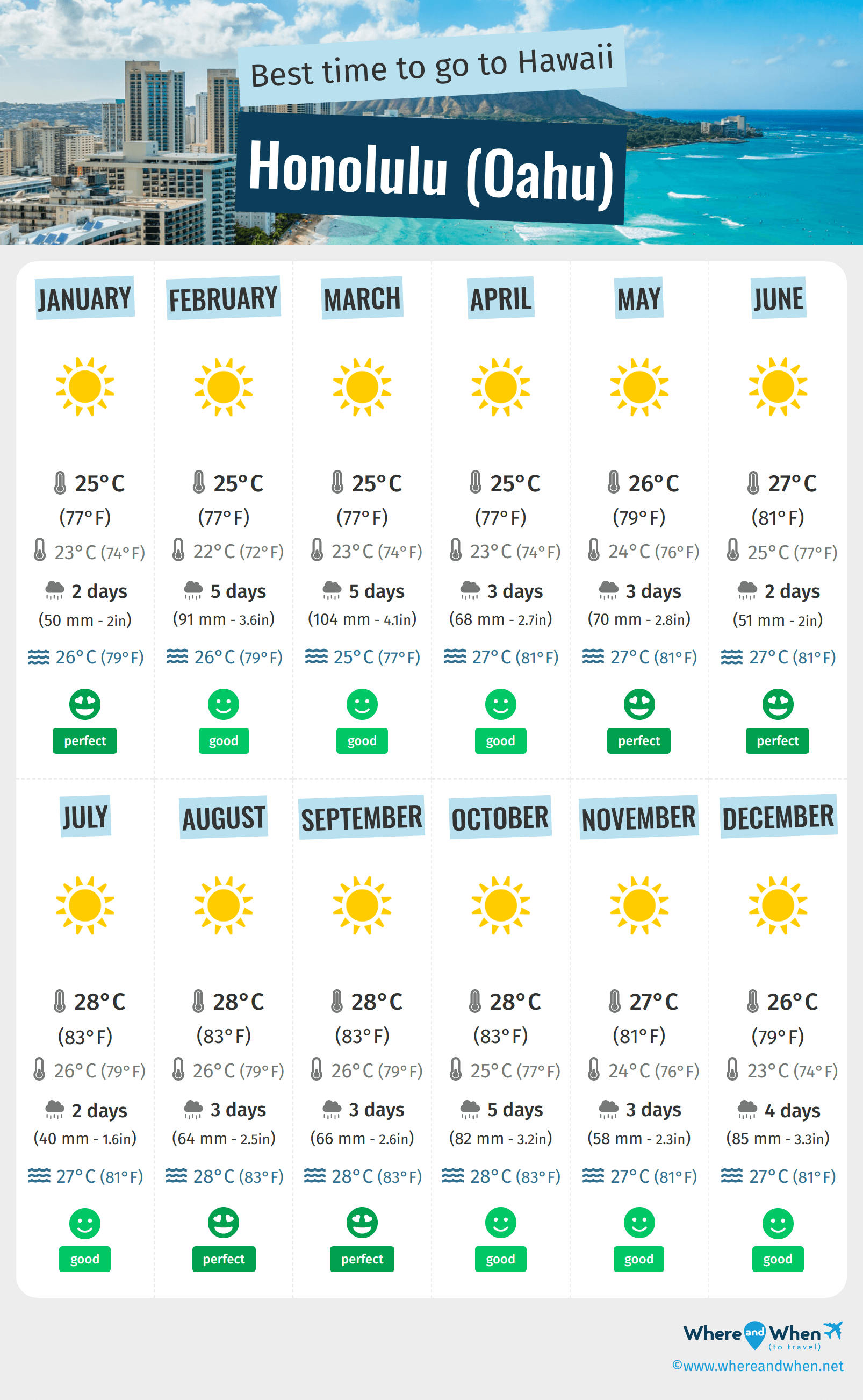
While much of the world experiences four distinct seasons, Hawaii essentially recognizes two: “kau,” the dry summer season, and “hooilo,” the wetter winter season. Despite these classifications, the temperature remains remarkably consistent, with average daytime highs ranging from 78°F (25°C) in the winter to 88°F (31°C) in the peak of summer.
The Dry Season: April to October
The dry season coincides with the traditional summer months and offers the most reliable beach weather. During this period, the trade winds—gentle breezes that blow from the northeast—provide a natural cooling system for the islands. This is the ideal time for travelers who prioritize outdoor activities like hiking in Diamond Head State Monument or exploring the rugged terrain of Haleakala National Park. The ocean is generally calmer across all shores, making it the safest time for families to swim at Waikiki Beach or Kaanapali Beach.
The Wet Season: November to March
The winter months bring more frequent rain, though it is rare for rain to last all day. Hawaiian rain often consists of passing tropical showers followed by immediate sunshine and rainbows. This season is the prime time for surf enthusiasts. Large swells generated by storms in the North Pacific hit the northern coastlines of islands like Oahu and Maui. Winter is also the peak period for humpback whale migrations. From December through May, thousands of these majestic creatures travel from Alaska to the warm Hawaiian waters to mate and give birth.
Island-by-Island Considerations for Your Visit
Every island in the Hawaiian chain has its own unique personality and weather patterns. Choosing the best time to visit often depends on which specific destination you have in mind.
Oahu: The Gathering Place
Oahu is the most visited island, home to the bustling capital of Honolulu. If your goal is to visit historical sites like Pearl Harbor or shop in the luxury boutiques of Waikiki, any time is a good time. However, for those looking to witness the legendary Triple Crown of Surfing, you must visit between November and January. During these months, the waves at Banzai Pipeline and Waimea Bay can reach heights of 30 feet or more. Conversely, if you prefer a stay at the Turtle Bay Resort for a quiet golfing retreat, the shoulder months of May and September offer the best balance of weather and smaller crowds.
Maui: The Valley Isle
Maui offers some of the best luxury experiences in the world. Visitors flock to the Grand Wailea or the Four Seasons Resort Maui at Wailea for world-class amenities. The best time for Maui is often considered the spring (April to June) when the jacaranda trees are in full purple bloom on the slopes of Upcountry Maui. If you plan to drive the famous Road to Hana, visiting during the drier months is advisable to avoid road closures due to heavy rains and to ensure the waterfalls are picturesque rather than muddy torrents.
Kauai: The Garden Isle
Kauai is the oldest and lushest of the main islands. Because it is so green, it is also the rainiest. Mount Waialeale is one of the wettest spots on Earth. To experience the Napali Coast State Wilderness Park by boat, the summer months are essential, as the winter seas are often too rough for tour vessels to navigate the sea caves. Hiking the Kalalau Trail is also significantly safer and more enjoyable when the trails aren’t slick with winter mud. For those staying in Princeville or Hanalei Bay, the summer provides the best conditions, while Poipu on the south shore remains relatively sunny even in the winter.
The Big Island: Hawaii
The Big Island is a land of extremes. You can experience nearly every climate zone on Earth here, from tropical rainforests in Hilo to arid volcanic deserts in Kona, and even snow atop Mauna Kea. If your primary interest is visiting Hawaii Volcanoes National Park to see the shield volcanoes of Kilauea and Mauna Loa, any time of year is suitable, though the higher elevations can be quite chilly. For stargazing at the Mauna Kea Observatory, the summer months offer the clearest skies and more comfortable temperatures for the high-altitude visitor centers.

Strategic Planning for Budget and Crowds
For many travelers, the “best” time is defined by the intersection of low costs and low crowds. Hawaii is a popular destination for domestic travelers from the United States as well as international visitors from Japan, Canada, and Australia.
Peak Seasons to Navigate
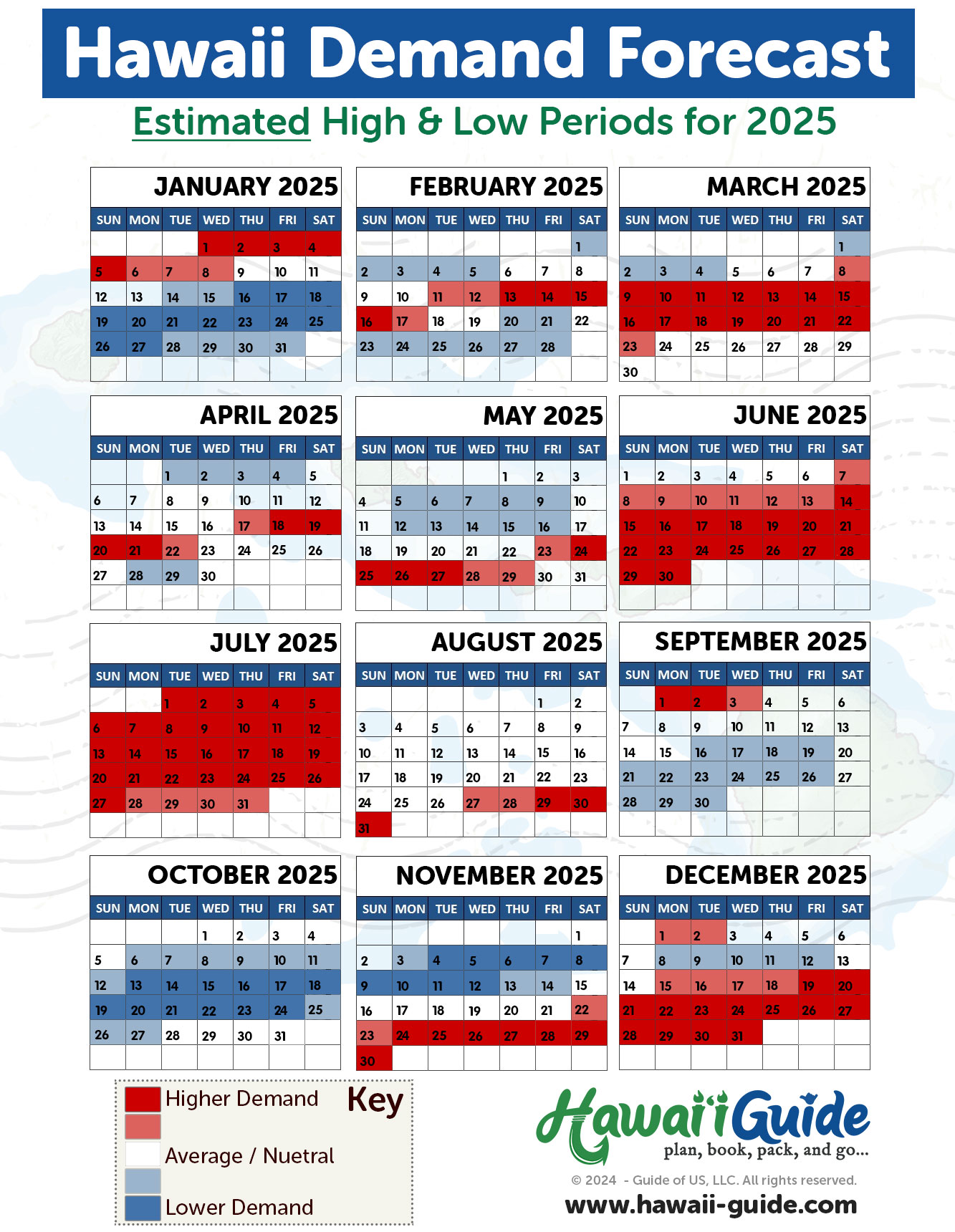
The busiest times in Hawaii correlate with school holidays. Mid-December through the first week of January is the peak of the peak. Prices for flights and accommodation at resorts like Aulani skyrocket during Christmas and New Year. Other busy windows include Spring Break (March and April) and the summer months (June through August). During these times, popular attractions like the Waimea Canyon State Park can become quite crowded, and advanced reservations for rental cars and dinner at famous spots like Mama’s Fish House are mandatory months in advance.
The Sweet Spot: Shoulder Seasons
The shoulder seasons—mid-April to early June and September to mid-November—are widely considered the best times to visit for those seeking value. During these windows, you can often find significant discounts on lodging and airfare. The islands are also quieter, providing a more authentic and relaxed experience. September is particularly lovely, as the ocean temperatures are at their warmest, perfect for lingering in the water at Hanauma Bay or Kealakekua Bay.
Cultural Events and Festival Highlights
Aligning your visit with a local festival can provide a deep dive into the rich Polynesian culture that defines the islands.
The Merrie Monarch Festival
Held in Hilo starting on Easter Sunday, the Merrie Monarch Festival is the world’s premier hula competition. It honors the legacy of King David Kalakaua. Tickets are notoriously difficult to obtain, and accommodations on the Big Island are booked years in advance, but the atmosphere in the city is electric, filled with craft fairs and performances.
Aloha Festivals
In September, the Aloha Festivals take place primarily on Oahu. This is a month-long celebration of Hawaiian culture, featuring a royal court investiture, a floral parade through Waikiki, and a massive block party known as a “hoolaulea.” It is a fantastic time for travelers to witness traditional music, dance, and cuisine.
Lantern Floating Hawaii
For a truly moving experience, many travelers plan their trip around Memorial Day to participate in Lantern Floating Hawaii at Ala Moana Beach Park. Thousands of people gather to release lanterns into the ocean to honor loved ones, creating a sea of light that is both somber and incredibly beautiful.
Maximizing Your Experience Based on Interests
Ultimately, the best time to visit Hawaii is subjective and depends on your personal “must-do” list.
- For the Foodie: Plan a trip in November for the Hawaii Food and Wine Festival, which brings together international chefs and local farmers to showcase the best of the islands’ culinary scene.
- For the Adventure Seeker: The summer months are best for those who want to kayak to the Mokulua Islands off Lanikai Beach or trek through the Alakai Swamp Trail on Kauai.
- For the Peace Seeker: Consider the smaller islands like Molokai or Lanai during the late autumn. These islands offer a slower pace of life, far removed from the high-rise hotels of the larger cities. In Lanai, a stay at the Four Seasons Resort Lanai provides an ultra-exclusive retreat that feels private regardless of the season.
In summary, while Hawaii is spectacular 365 days a year, the transition between the dry and wet seasons, the migration patterns of marine life, and the influx of tourists during holiday periods all play a role in the quality of your stay. By targeting the shoulder seasons of spring and fall, you can capture the best of all worlds: idyllic weather, manageable crowds, and the true spirit of “aloha” that makes these islands a premier global destination.
LifeOutOfTheBox is a participant in the Amazon Services LLC Associates Program, an affiliate advertising program designed to provide a means for sites to earn advertising fees by advertising and linking to Amazon.com. Amazon, the Amazon logo, AmazonSupply, and the AmazonSupply logo are trademarks of Amazon.com, Inc. or its affiliates. As an Amazon Associate we earn affiliate commissions from qualifying purchases.