
Kansas, a state renowned for its vast prairies and agricultural heartland, offers a unique climate for cultivating a variety of crops, including the beloved tomato. Understanding the optimal planting times for tomatoes in Kansas is crucial for any gardener aiming for a bountiful harvest. This guide delves into the specific timings, environmental factors, and best practices to ensure your tomato plants thrive across the diverse landscapes of Kansas, from the rolling hills of the Flint Hills to the fertile plains of western Kansas.
Understanding Kansas’s Climate and Tomato Planting Zones
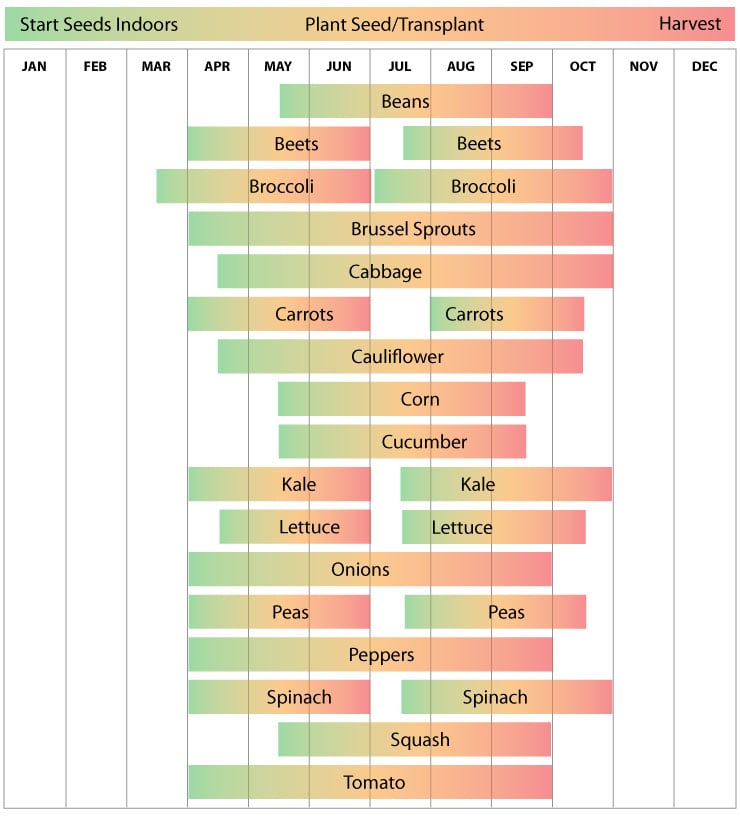
Kansas experiences a continental climate characterized by hot summers, cold winters, and a distinct growing season. The timing of the last spring frost is the most critical factor influencing when to plant tomatoes. Tomatoes are warm-season crops that are highly susceptible to frost damage. Planting too early can result in stunted growth or even the death of young plants. Conversely, waiting too long can shorten the harvest season, especially in the western and northern parts of the state where the growing season may be shorter.
The Critical Last Frost Date
The average last frost date in Kansas varies significantly depending on the region. Generally, the eastern half of the state can expect the last frost to occur in mid-April, while the western half may see frosts extending into early May. This difference is due to the influence of weather patterns and geographical features.
- Eastern Kansas (e.g., Kansas City, Topeka, Wichita): The last average frost date typically falls between April 15th and April 25th.
- Central Kansas (e.g., Salina, Hutchinson): The last average frost date is usually between April 20th and April 30th.
- Western Kansas (e.g., Garden City, Hays): The last average frost date is often between April 25th and May 5th.
It is essential to consult local weather reports and agricultural extensions for the most precise frost dates in your specific area. These dates are averages, and actual frost can occur earlier or later in any given year. Many gardeners find it beneficial to monitor weather forecasts closely in the weeks leading up to the expected last frost date.
Soil Temperature as a Key Indicator
While the air temperature and frost dates are primary considerations, soil temperature also plays a vital role in successful tomato planting. Tomatoes require warm soil to establish healthy root systems. When planting seedlings, the soil temperature should ideally be at least 60°F (15.5°C), and preferably closer to 65°F (18.3°C) to 70°F (21.1°C). Planting in cold, damp soil can lead to root rot and stress the young plants, making them more vulnerable to pests and diseases.
Gardeners can use a soil thermometer to check the temperature at a depth of about 4-6 inches. If the soil is not yet warm enough, consider using techniques like black plastic mulch to help warm the soil more quickly. This method absorbs solar radiation and transfers heat to the soil.
Hardening Off Seedlings
Before transplanting tomato seedlings from their indoor start to the outdoor garden, a process called “hardening off” is crucial. This gradual acclimation helps young plants adjust to outdoor conditions, including sunlight, wind, and temperature fluctuations. Start by placing seedlings in a sheltered, shaded location outdoors for a few hours each day, gradually increasing the duration and exposure to direct sunlight over a week to ten days. This prevents transplant shock and promotes stronger, more resilient plants.
Optimal Planting Times for Kansas Tomatoes
Based on the climatic factors discussed, we can establish general planting windows for tomatoes across Kansas. These windows are designed to maximize the chances of a successful harvest while minimizing the risks associated with adverse weather.
Early Planting: A Calculated Risk
In the eastern parts of Kansas, where the last frost typically arrives earlier, some experienced gardeners may consider planting their earliest tomato varieties around two weeks after the average last frost date. This would place the planting window in late April to early May. However, this strategy carries a higher risk of encountering a late frost. If this approach is taken, it is imperative to have frost protection readily available.
- Frost Protection Methods: Row covers, cloches, or even old blankets can be used to shield young tomato plants from unexpected cold snaps. Ensure these covers are removed promptly once the danger of frost has passed to allow for adequate sunlight and air circulation.
The Safest Window: Mid-May to Early June
For the majority of Kansas gardeners, the safest and most recommended time to plant tomatoes outdoors is from mid-May through early June. By this time, the soil has warmed sufficiently, and the risk of a significant frost has drastically diminished across all regions of the state.
- Eastern and Central Kansas: Mid-May is generally a very safe bet. Many gardeners in these regions aim for planting between May 10th and May 20th.
- Western Kansas: While the last frost date might extend a bit later here, planting in late May to early June is usually ideal. The period from May 20th to June 5th is often considered optimal.
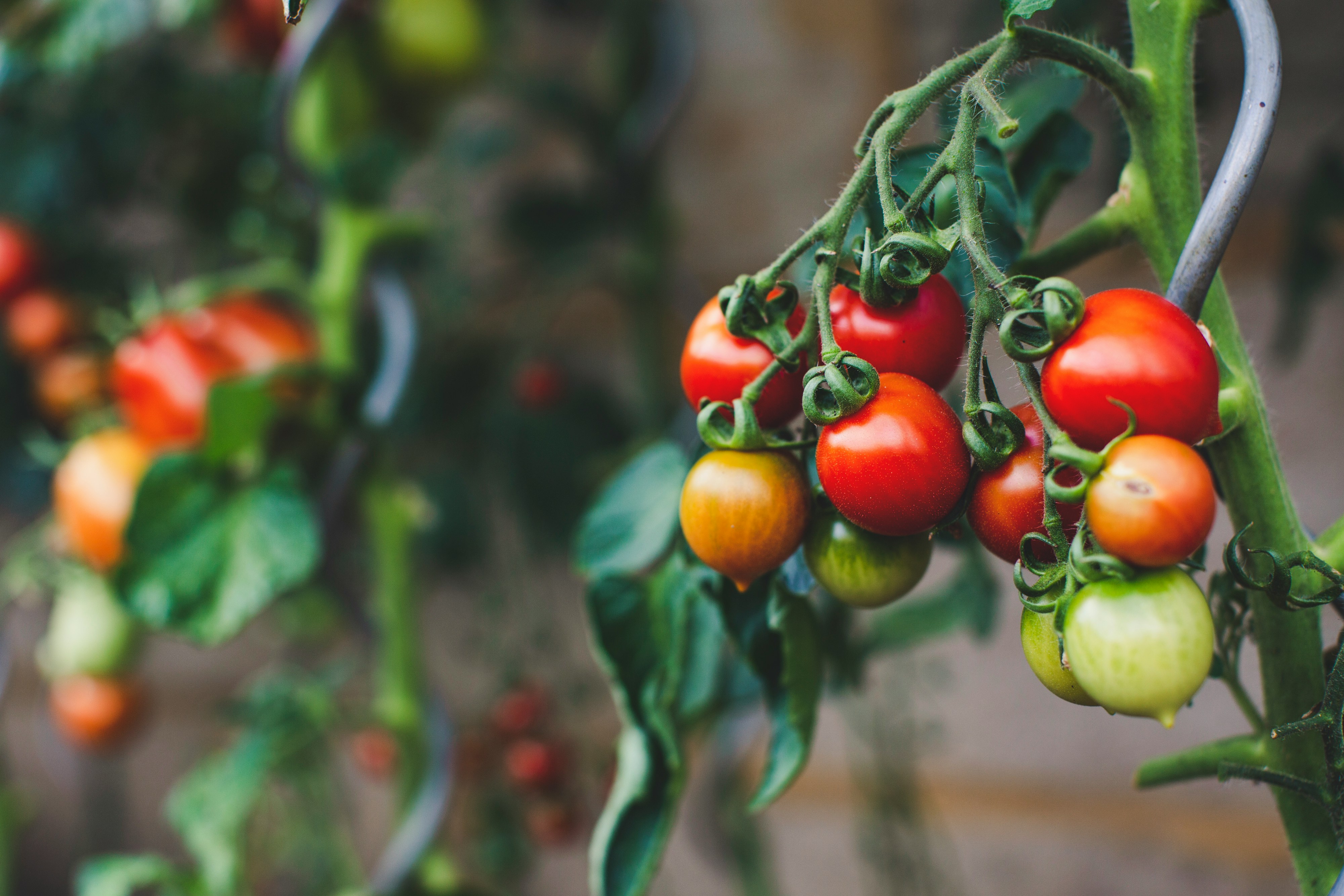
This window ensures that plants are established during the warmest part of the spring and have ample time to grow and produce fruit before the onset of fall frosts.
Considering Specific Tomato Varieties
The type of tomato variety you choose can also influence planting decisions. Early-maturing varieties, such as ‘Early Girl’ or ‘Better Boy’, may tolerate slightly earlier planting than indeterminate or late-maturing varieties like ‘Brandywine’ or ‘Mortgage Lifter’. However, the fundamental rule of waiting for the danger of frost to pass and for soil temperatures to warm remains paramount for all types.
- Determinate vs. Indeterminate: Determinate varieties grow to a bushy size, produce their fruit over a shorter period, and are often earlier to mature. Indeterminate varieties continue to grow and produce fruit throughout the season until frost. While their growth habit differs, their basic needs regarding temperature and frost protection are similar.
Factors Influencing Planting Decisions in Kansas
Beyond the general guidelines, several localized and environmental factors can influence the precise timing of your tomato planting in Kansas.
Microclimates Within Your Garden
Even within a single property, microclimates can exist. South-facing walls, for instance, can retain heat and create a slightly warmer environment, potentially allowing for earlier planting. Conversely, low-lying areas might be more prone to frost pockets. Observing your garden’s specific conditions and understanding these microclimates can help you make more informed planting decisions.
Soil Type and Drainage
The type of soil and its drainage capabilities can also impact planting times. Clay soils tend to retain moisture and warm up more slowly than sandy soils. If you have heavy clay soil, it might be prudent to wait a few extra days into the safe window to ensure the soil is not waterlogged and has reached the optimal temperature. Improving soil drainage with compost and organic matter can help mitigate these issues.
Local Agricultural Extension Services
For the most accurate and localized advice, always consult your local Kansas State University (K-State) Research and Extension office. They provide valuable resources, including regional planting calendars, frost advisories, and tailored recommendations for gardening in specific Kansas counties. These services are invaluable for both novice and experienced gardeners seeking to optimize their planting strategies.
Preparing Your Kansas Garden for Tomatoes
Once you’ve determined the right planting time for your region in Kansas, proper garden preparation is essential for setting your tomato plants up for success.
Site Selection
Tomatoes thrive in full sun, requiring at least 6-8 hours of direct sunlight per day. Choose a location in your garden that receives ample sunlight throughout the day, free from the shade of large trees or buildings. Good air circulation is also beneficial, helping to prevent fungal diseases.
Soil Preparation
Healthy soil is the foundation of a productive tomato harvest. Before planting, amend your soil with generous amounts of compost or well-rotted manure. This enriches the soil with nutrients, improves its structure, and enhances drainage. Tomatoes are heavy feeders and benefit greatly from fertile soil. Aim for a slightly acidic to neutral soil pH, ideally between 6.0 and 6.8. A soil test can help determine your soil’s pH and nutrient levels.
Spacing and Support
Proper spacing is crucial for plant health and fruit production. Overcrowded plants compete for sunlight, nutrients, and water, and are more susceptible to diseases. Follow the spacing recommendations for your chosen tomato varieties, typically 2-3 feet apart for larger, indeterminate types and 1.5-2 feet apart for determinate varieties.
Tomatoes, especially indeterminate varieties, require support to keep the fruit off the ground, prevent disease, and improve air circulation. Install stakes, cages, or trellises at the time of planting or shortly thereafter to avoid damaging the roots later.
By carefully considering the timing of your tomato planting in Kansas, paying attention to local climate data, and preparing your garden diligently, you can significantly increase your chances of enjoying a delicious and abundant harvest of homegrown tomatoes throughout the warm Kansas months.
LifeOutOfTheBox is a participant in the Amazon Services LLC Associates Program, an affiliate advertising program designed to provide a means for sites to earn advertising fees by advertising and linking to Amazon.com. Amazon, the Amazon logo, AmazonSupply, and the AmazonSupply logo are trademarks of Amazon.com, Inc. or its affiliates. As an Amazon Associate we earn affiliate commissions from qualifying purchases.