
For travelers venturing to the archipelago of Hawaii, the search for the perfect shoreline often leads to a question: where is the black sand beach? While the United States boasts many stunning coastal stretches, the volcanic origins of the Hawaiian Islands have created something truly rare. Unlike the white coral sands of Honolulu or the golden shores of Oahu, black sand beaches are geological wonders formed by the intense interaction between molten lava and the Pacific Ocean.
There is not just one black sand beach in the islands; rather, there are several scattered across the chain, primarily on the younger islands where volcanic activity is most recent. These destinations offer more than just a photo opportunity; they provide a glimpse into the raw, creative power of the earth. From the expansive basalt reaches of the Big Island to the lush, jungle-fringed coves of Maui, each location offers a unique travel experience defined by dramatic contrasts and ancient folklore.
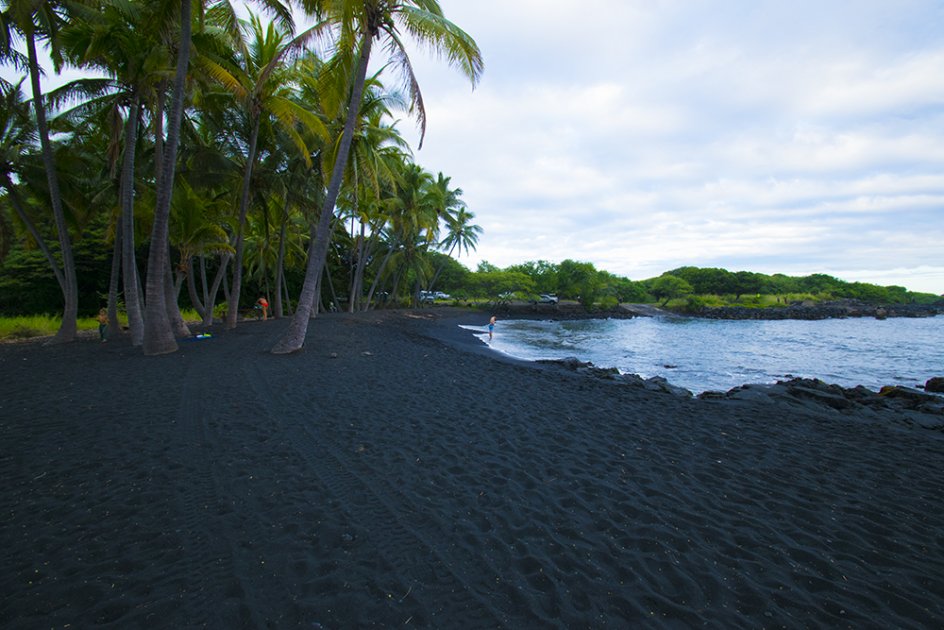
Punaluu Beach: The Iconic Shoreline of the Big Island
When people ask for the quintessential black sand experience, they are most likely looking for Punaluu Beach. Located on the southeastern coast of the Big Island, between the towns of Kona and Hilo, this is the most accessible and famous black sand beach in the state. The sand here is composed of basalt, created when lava from Mauna Loa and Kilauea flowed into the ocean and exploded upon hitting the cold water.
The Wildlife Encounter
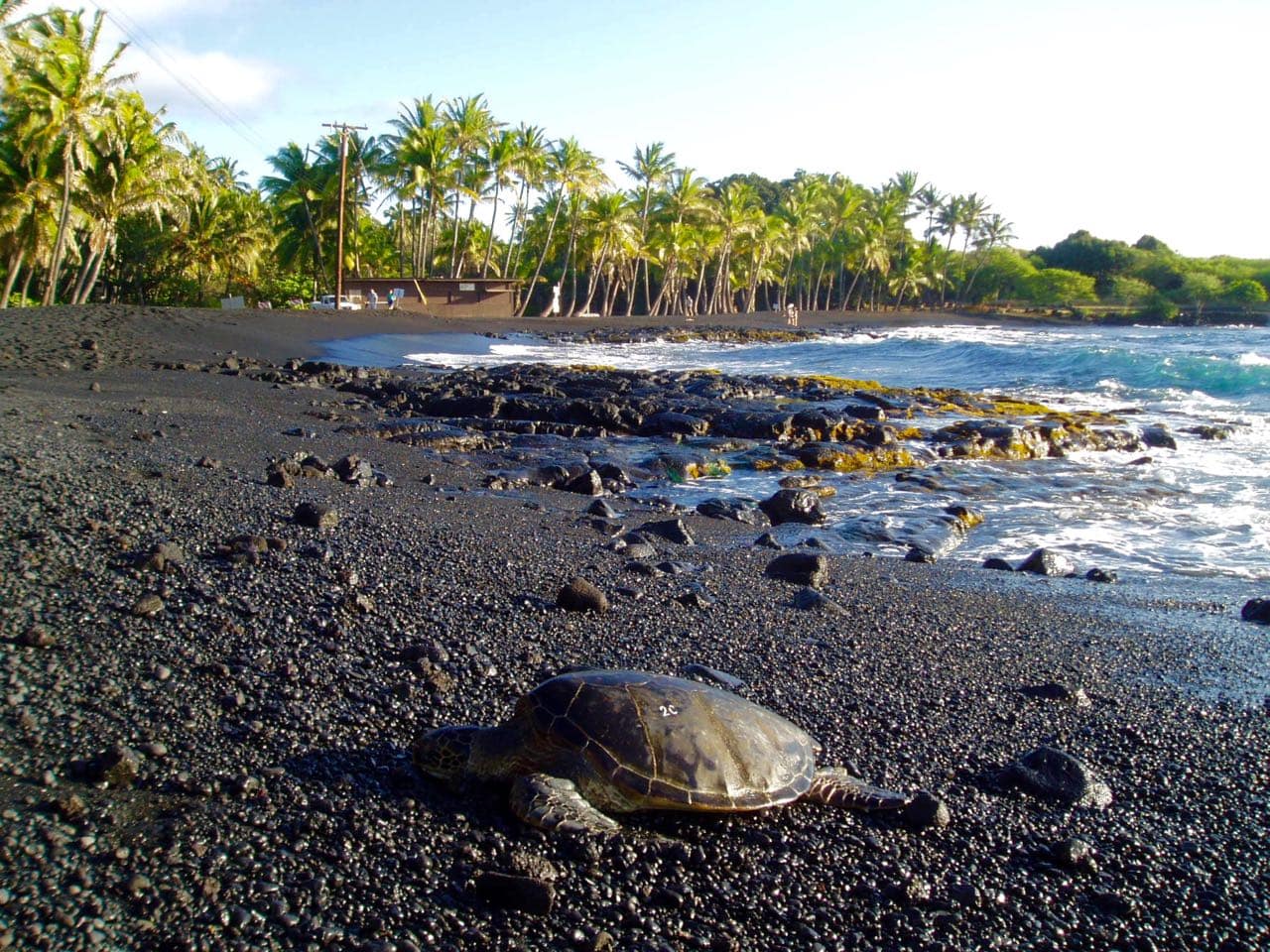
One of the primary attractions at Punaluu Beach is the frequent presence of the Honu, or Hawaiian Green Sea Turtles. These majestic creatures are often found basking on the dark sand to soak up the heat. Because the black sand absorbs solar radiation more efficiently than light-colored sand, it provides a warm resting place for the turtles. Travelers must remember that these animals are protected under federal law; maintaining a respectful distance is a mandatory part of the experience.
Exploring the Coastal Landscape
Beyond the sand, the area is surrounded by towering coconut palms that provide a vibrant green contrast to the obsidian-colored ground. There are also several freshwater springs located offshore and within the bay. In ancient times, native Hawaiians would dive down with gourds to collect fresh water from these underwater springs, a testament to the ingenuity of the local culture. For those staying in nearby Volcano or visiting Hawaii Volcanoes National Park, this beach is an essential stop on any itinerary.
Waianapanapa State Park: Maui’s Volcanic Treasure
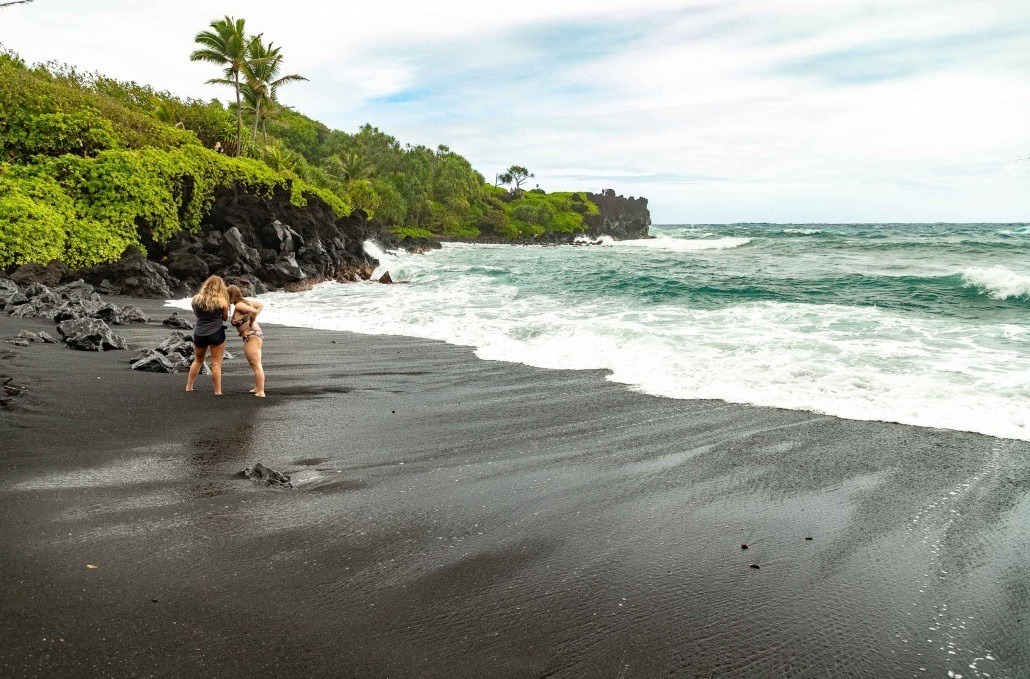
On the island of Maui, the most famous black sand destination is Honokalani Beach, located within the magnificent Waianapanapa State Park. This site is a highlight of the legendary drive along the Hana Highway. The name Waianapanapa translates to “glistening water,” and the visual impact of the deep blue sea crashing against the pitch-black pebbles is nothing short of breathtaking.
Geological Features and Sea Caves
What sets Waianapanapa State Park apart is its rugged topography. The beach itself is tucked into a cove protected by jagged lava cliffs. Travelers can explore sea caves, natural stone arches, and blowholes where the tide forces water upward in dramatic plumes. The “sand” here is actually closer to small, smooth pebbles, which create a rhythmic, clicking sound as the waves retreat.
Planning Your Visit
Due to its popularity and the fragile nature of the ecosystem, Waianapanapa State Park now requires advanced reservations for all out-of-state visitors. This management system ensures that the trails leading from the parking areas to the shoreline remain pristine. It is an ideal spot for photography, though swimming can be hazardous due to strong currents and the rocky nature of the shoreline. Visitors often pair this trip with a visit to the nearby Haleakala National Park or the historic town of Lahaina to fully experience the diversity of the island.
Hidden Gems and Off-the-Beaten-Path Destinations
While Punaluu Beach and Waianapanapa State Park dominate the travel guides, several other black sand beaches offer a more secluded experience for those willing to venture further.
Pololu Valley Lookout and Beach
At the northern end of the Big Island, the Pololu Valley offers a dramatic landscape characterized by massive sea cliffs and a lush valley floor. To reach the black sand beach here, travelers must hike down a steep trail from the Kohala Coast. The descent provides panoramic views of the coastline, and the beach at the bottom is a wild, untamed stretch of dark sand and large river stones. It is one of the most spiritually significant locations in Hawaii, often associated with the history of the Kohala region.
Oneuli Beach
On the sunny southwestern side of Maui, near Makena State Park, lies Oneuli Beach. “Oneuli” means “dark sands” in the Hawaiian language. This beach is less crowded than its neighbors and is unique because the sand is a mixture of black volcanic material and ground-up sea shells, giving it a rich, dark brown or charcoal appearance. It is a fantastic spot for snorkeling when the waters are calm, as the volcanic rock formations underwater attract a high density of marine life.
The Dark Shores of Kauai and Molokai
Though Kauai is the oldest of the main islands and its volcanic activity ceased long ago, it still possesses “dark” sand beaches. Waimea, located near the mouth of the Waimea River, features sand darkened by the minerals washed down from the heights of Waimea Canyon. On the island of Molokai, travelers can find Awahua Beach, located within the Kalaupapa National Historical Park. This remote beach is framed by some of the tallest sea cliffs in the world, offering a somber and beautiful reflection of the island’s history.
Cultural Significance and Environmental Preservation
The black sand beaches of Hawaii are not merely geological oddities; they are deeply entwined with the spiritual beliefs and cultural heritage of the Polynesian people. Many of these sites are believed to be under the protection of Pele, the goddess of fire and volcanoes.
The Legend of the Sand
A common legend shared with visitors is that taking any volcanic rock or sand from the islands will result in a curse from Pele. While this serves as a powerful cultural narrative, it also serves a practical environmental purpose. Black sand is a finite resource. Unlike white sand, which is continuously replenished by the breakdown of coral and shells, black sand is only created during active volcanic eruptions. Once the lava flows stop, the existing sand is slowly eroded by the waves and never replaced. Taking even a small amount of sand contributes to the permanent disappearance of these rare landscapes.
Visitor Etiquette and Safety
When visiting these fragile environments, travelers should adhere to strict “Leave No Trace” principles. The dark sand can become incredibly hot during the midday sun, making footwear essential to prevent burns. Furthermore, the ocean conditions at black sand beaches are often more treacherous than at traditional swimming beaches. The steep drop-offs and rocky bottoms can create powerful shorebreaks. It is always recommended to check with local lifeguards or park rangers before entering the water.
In addition to safety, respect for local customs is paramount. Many black sand beaches are adjacent to “heiau” (ancient temples) or burial grounds. Travelers should stay on marked paths and avoid climbing on rock walls or disturbing any structures. By approaching these sites with reverence, visitors can ensure that the beauty and spiritual integrity of Hawaii remain intact for future generations.
Navigating Your Hawaiian Journey
To see the best black sand beaches, a multi-island itinerary is often the best approach. Starting in Honolulu allows visitors to learn about the islands at the Polynesian Cultural Center before hopping on a short flight to the Big Island.
Once on the Big Island, renting a car is the most effective way to reach the remote southern and northern shores. Driving from the lush rainforests of Hilo to the stark, volcanic deserts of the Kau district provides a sensory experience of the island’s diverse microclimates. Similarly, on Maui, the journey to Waianapanapa State Park is as much about the drive as the destination, with the Na Pali Coast on Kauai offering a similar sense of awe-inspiring natural scale.
Whether you are seeking the tranquility of a hidden cove or the dramatic energy of a volcanic coastline, the black sand beaches of Hawaii stand as a reminder of the earth’s constant evolution. They are places where the land is literally being born, and where the history of the islands is written in the very soil beneath your feet. For the intentional traveler, these shores offer a profound connection to the natural world that few other destinations can match.
LifeOutOfTheBox is a participant in the Amazon Services LLC Associates Program, an affiliate advertising program designed to provide a means for sites to earn advertising fees by advertising and linking to Amazon.com. Amazon, the Amazon logo, AmazonSupply, and the AmazonSupply logo are trademarks of Amazon.com, Inc. or its affiliates. As an Amazon Associate we earn affiliate commissions from qualifying purchases.