
Honolulu, the vibrant capital of Hawaii, serves as the primary gateway to the island of Oahu and a central hub for culture, history, and natural beauty in the United States. This bustling metropolis offers a unique blend of cosmopolitan energy and island tranquility, making it a premier destination for travelers seeking diverse experiences. From the iconic golden sands of the coast to the verdant peaks of the volcanic interior, the city presents an array of must-see locations that define the spirit of the archipelago.
Iconic Coastal Landmarks and Aquatic Adventures
The coastline of Honolulu is world-renowned, characterized by its turquoise waters and dramatic volcanic backdrops. Exploring these coastal landmarks is essential for any visitor looking to understand the geographical and recreational soul of the city.
Waikiki Beach and the Shoreline
Waikiki Beach is perhaps the most famous stretch of sand in the world. Originally a retreat for Hawaiian royalty, it is now a bustling center for surfing, sunbathing, and outrigger canoeing. While walking along the shore, travelers will encounter the Duke Kahanamoku Statue, a monument dedicated to the “father of modern surfing.” The beach is divided into several sections, each offering a different vibe, from the family-friendly waters near the Waikiki Aquarium to the surf breaks that attract enthusiasts from across the globe.
Just a short distance from the main tourist strip lies Magic Island, a man-made peninsula at Ala Moana Beach Park. This area is a local favorite for picnics and offers stunning views of the city skyline against the sunset. For those traveling with families, the Honolulu Zoo and the nearby aquarium provide educational insights into the marine and terrestrial life of the Pacific Ocean.
Diamond Head State Monument
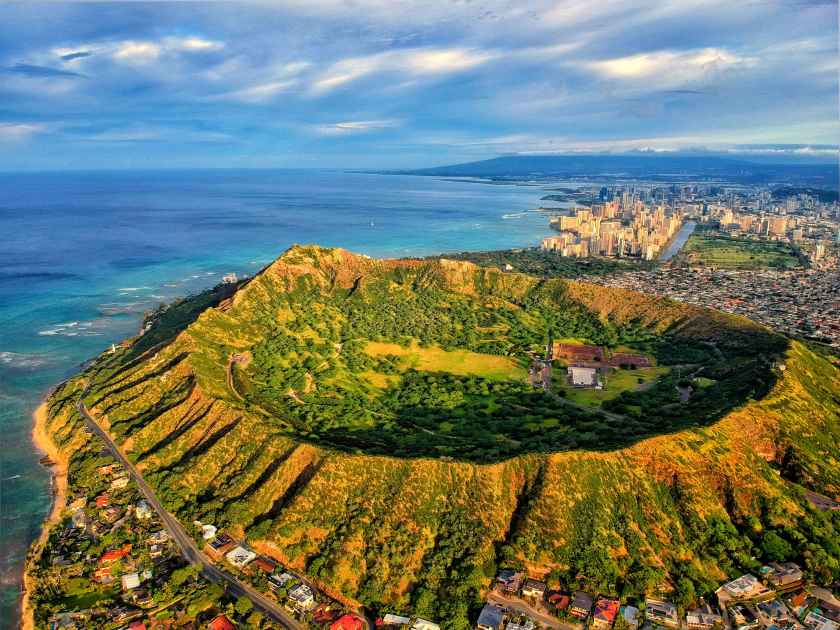
Rising majestically at the eastern end of the Waikiki coastline is Diamond Head State Monument. Known to Native Hawaiians as Leahi, this volcanic tuff cone is one of the most recognizable landmarks in the world. The hike to the summit is a quintessential Honolulu experience. The trail leads visitors through a series of switchbacks and tunnels, eventually reaching the rim of the crater. From the observation platforms, trekkers are rewarded with a panoramic 360-degree view of the Pacific Ocean and the sprawling city below. The site also holds significant military history, with bunkers and navigational beacons dating back to the early 20th century.
Hanauma Bay Nature Preserve
For those interested in marine biodiversity, Hanauma Bay Nature Preserve is an unparalleled destination. Formed within a volcanic crater that was eventually breached by the sea, this curved bay houses a delicate coral reef ecosystem. It was the first Marine Life Conservation District in Hawaii. Today, it serves as a controlled environment where visitors can snorkel alongside hundreds of species of tropical fish and green sea turtles. Due to its popularity and status as a protected area, reservations are required, ensuring that the natural beauty of the bay remains preserved for future generations.
Historical Sites and Cultural Heritage
Beyond its natural beauty, Honolulu is a city of profound historical significance. It serves as a reminder of both the tragic events of the 20th century and the rich, complex history of the Hawaiian Monarchy.
Pearl Harbor National Memorial
No trip to Oahu is complete without a visit to the Pearl Harbor National Memorial. This site commemorates the events of December 7, 1941, which prompted the entry of the United States into World War II. The centerpiece of the memorial is the USS Arizona Memorial, a graceful white structure built directly over the sunken remains of the battleship.
Visitors can also explore other historical vessels and museums within the complex. On Ford Island, the USS Missouri stands as a symbol of the war’s end, as it was the site of the formal Japanese surrender. Nearby, the USS Bowfin submarine museum offers a glimpse into the “Silent Service” of the naval fleet. The entire area is a place of reflection and education, honoring the lives lost and the lessons learned from global conflict.
Iolani Palace and Royal History
In the heart of downtown Honolulu stands Iolani Palace, the only official royal palace on United States soil. Completed in 1882 by King Kalakaua, the palace served as the residence of the Hawaiian monarchs until the monarchy was overthrown in 1893. The architecture, known as American Florentine, is a stunning display of opulence and modern innovation for its time. Across the street, the King Kamehameha I Statue stands in front of Aliiolani Hale, paying tribute to the monarch who first unified the Hawaiian Islands.

Museums of Art and Anthropology
To delve deeper into the indigenous culture of the region, the Bishop Museum is an essential stop. Founded in 1889, it houses the world’s largest collection of Polynesian artifacts and natural history specimens. It is a vital institution for understanding the voyaging traditions, language, and social structures of the Hawaiian people.
Art enthusiasts should visit the Honolulu Museum of Art, which features an impressive collection of Asian, European, and American works. The museum’s serene courtyards and diverse galleries reflect the multicultural fabric of the city. For a more somber but equally moving experience, the National Memorial Cemetery of the Pacific, located within the Punchbowl Crater, offers a place to honor those who served in the armed forces.
Natural Wonders and Rainforest Trails
While the beaches get much of the attention, Honolulu is also home to lush rainforests and dramatic mountain ridges that offer a completely different climate and landscape.
Manoa Falls and Lyon Arboretum
Located in the Manoa valley, just minutes from the urban center, Manoa Falls is a stunning 150-foot waterfall. The trail to the falls leads through a dense rainforest filled with eucalyptus trees, bamboo groves, and ancient ferns. The area’s frequent rainfall keeps the vegetation incredibly vibrant and green.
Adjacent to the falls is the Lyon Arboretum, a research facility managed by the University of Hawaii. This botanical garden features over 5,000 species of tropical and sub-tropical plants. It is a quiet sanctuary for those looking to escape the city’s noise and observe the incredible flora that thrives in the island’s unique microclimates.
Scenic Lookouts and Ridge Hikes
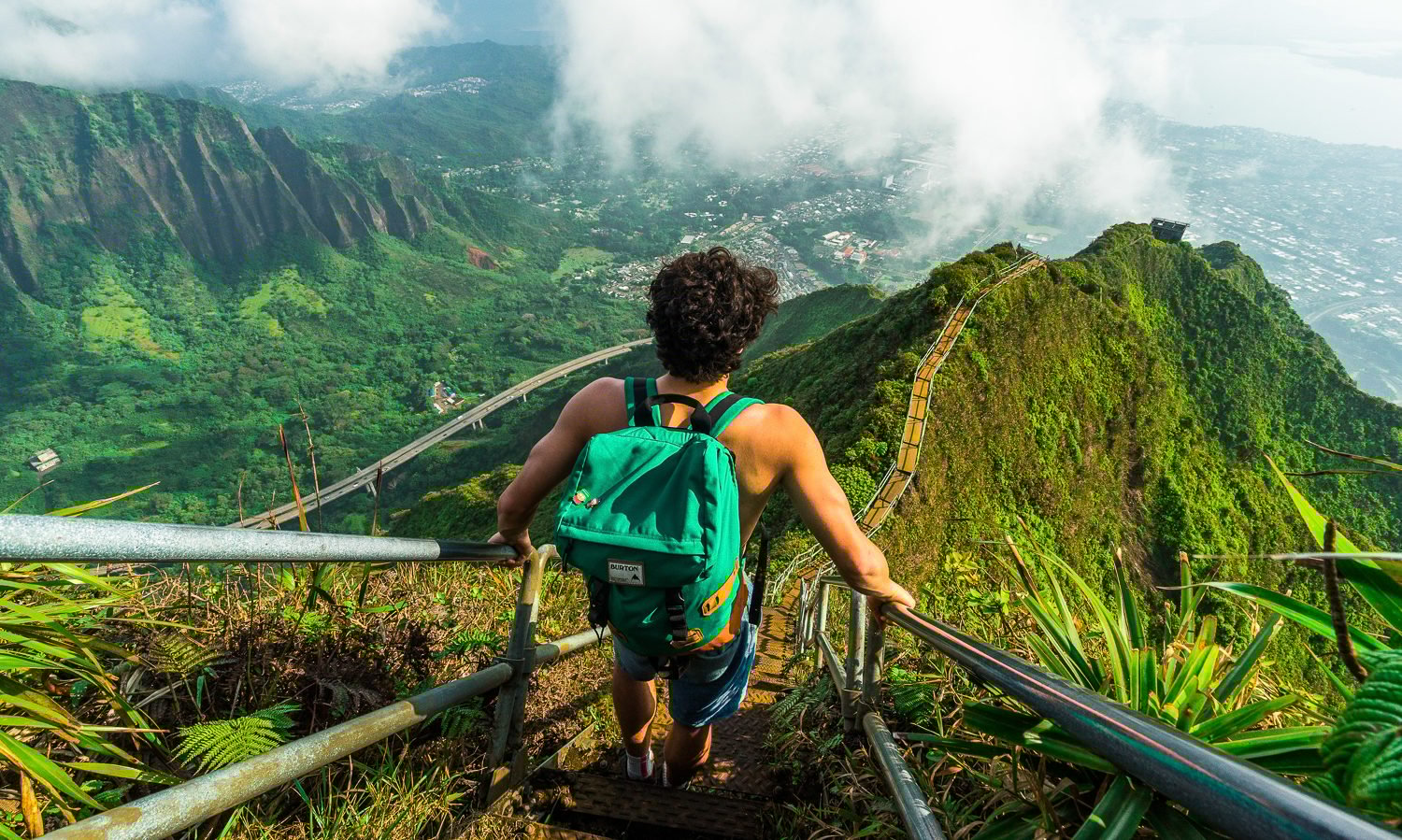
For those who prefer a more strenuous challenge, Koko Head District Park offers the Koko Crater Trail. This “hike” consists of climbing over 1,000 abandoned railway ties that lead straight up the side of the crater. The physical exertion is rewarded with some of the best views of the eastern Oahu coastline.
If you prefer a drive to a summit, Nuuanu Pali Lookout provides a breathtaking vista of the windward coast. This site is famous for its strong winds and its historical importance as the location of the Battle of Nuuanu. For a sunset view over the city lights, Tantalus Lookout at Pu’u Ualaka’a State Wayside is the premier choice, offering a sweeping perspective of Diamond Head State Monument, Waikiki, and the airport.
Vibrant Neighborhoods and Modern Culture
Modern Honolulu is a tapestry of evolving neighborhoods, each with its own distinct character, culinary scene, and artistic flair.
Kaka’ako and the Arts District
Kakaako has transformed from an industrial warehouse district into the city’s trendiest neighborhood. It is famous for its street art, with dozens of massive murals painted by local and international artists as part of the annual POW! WOW! Hawaii festival. This area is also home to SALT at Our Kakaako, a multi-level shopping and dining complex that focuses on local boutiques and innovative cuisine. It is the heart of the city’s creative energy.
Chinatown and Downtown
Chinatown in Honolulu is one of the oldest in the United States. By day, it is a bustling market where residents shop for fresh produce, seafood, and exotic spices. By night, it turns into a nightlife destination with some of the city’s best bars and fusion restaurants. Nearby, visitors can wander through the Foster Botanical Garden, an urban oasis featuring “Exceptional Trees” and a pre-historic plant garden.
Ala Moana Center and Beyond
For those interested in retail therapy, Ala Moana Center is the world’s largest open-air shopping center. With over 350 stores and dozens of dining options, it serves as a central gathering place for both locals and tourists. The center frequently hosts cultural performances, including hula shows, in its central courtyard.
Just a short drive further east, travelers can visit Sea Life Park or continue on to the Makapuu Point Lighthouse trail. This paved path offers excellent whale-watching opportunities during the winter months and views of the surrounding islets. Whether exploring the high-end shops of Waikiki or the rugged trails of the interior, Honolulu provides a comprehensive travel experience that captures the essence of the islands.
LifeOutOfTheBox is a participant in the Amazon Services LLC Associates Program, an affiliate advertising program designed to provide a means for sites to earn advertising fees by advertising and linking to Amazon.com. Amazon, the Amazon logo, AmazonSupply, and the AmazonSupply logo are trademarks of Amazon.com, Inc. or its affiliates. As an Amazon Associate we earn affiliate commissions from qualifying purchases.